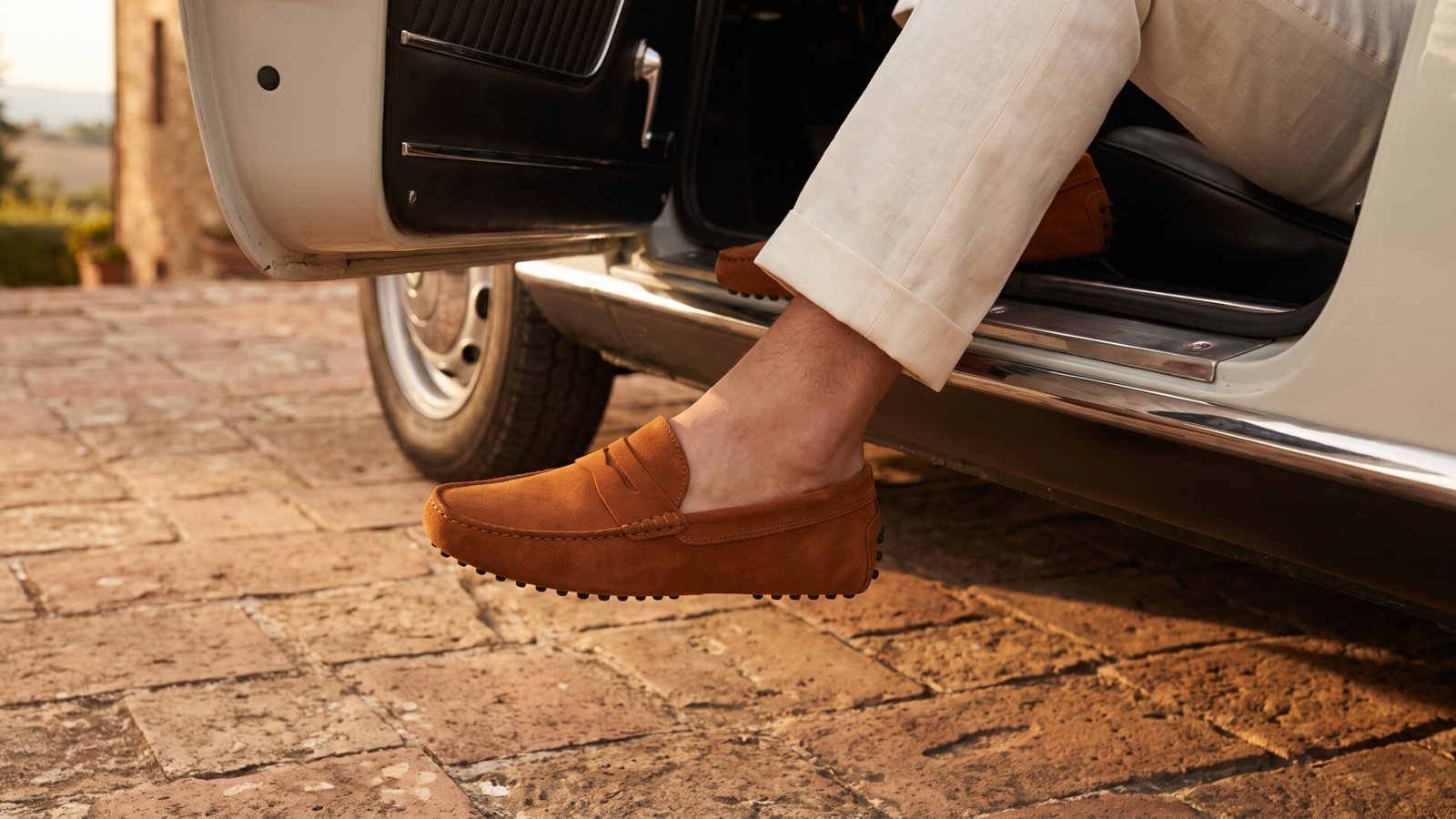
Why is Tod’s Gommino So Popular?
If you follow men’s or women’s fashion even casually, you have seen the Tod’s Gommino: a soft driving moccasin with a sole of rubber pebbles that has been in production since the late 1970s. This article explains why it has lasted, how it is built, what it costs in the US today, why it is expensive, how it fits, and how it compares with the City Gommino and Ferragamo’s driving loafers, so you can decide whether it is the right shoe for how you actually walk and travel.
Tod’s Gommino at a Glance
| Credited designer | Diego Della Valle |
| Introduced | Late 1970s (commonly dated 1978–79) |
| Signature detail | 133 rubber pebbles on the sole and heel, per Tod’s |
| Style | Soft, moccasin-style driving loafer with a hand-stitched upper |
| Typical materials | Suede, smooth calf and nappa-type leathers, patent |
| US price (Nov 2026) | About $645–$775 for the classic suede Gommino |
| Home base | The Marche region, around Sant’Elpidio a Mare |
| Best for | Driving, travel, smart-casual and relaxed office dress codes |
In short, the Gommino is popular because it solved a practical problem (a shoe flexible enough to drive in) and then looked refined enough to wear everywhere else. For the wider brand picture, see our Tod’s brand guide and our dedicated guide to Tod’s Gommino loafers.
The History of Tod’s Gommino
The story of Tod’s begins in the Marche region of central Italy, an area long known for shoemaking. Filippo Della Valle opened a small shoemaking workshop in the early 20th century (sources generally place it in the 1920s), and his son Dorino grew it into a manufacturer that made shoes for other labels. In the 1970s Filippo’s grandson, Diego Della Valle, took over and began building a brand of the family’s own. He first used the name J.P. Tod’s, reportedly picked from a Boston telephone directory because it was short and easy to pronounce in any language, and later shortened it to Tod’s. The company’s base remains in the Marche, around Sant’Elpidio a Mare, and the Della Valle family is still its controlling shareholder.
The Gommino, introduced in the late 1970s and credited to Diego Della Valle, was new because it combined luxury with practicality. At the time, driving shoes were primarily functional, designed for racing or comfort behind the wheel. Tod’s reimagined them as everyday footwear that worked for business, casual dress and travel. The name translates roughly as “little rubber”, a reference to the rubber pebbles (gommini) on the sole.
Design That Marries Elegance and Function
1. The Rubber Pebble Sole
The hallmark is the pebbled rubber sole: Tod’s counts 133 rubber pebbles, which also wrap up the back of the heel. They give grip on pedals and smooth floors, keep the sole flexible enough to feel the pedals, and add a visual signature that separates the shoe from generic moccasins.
2. Soft Leathers
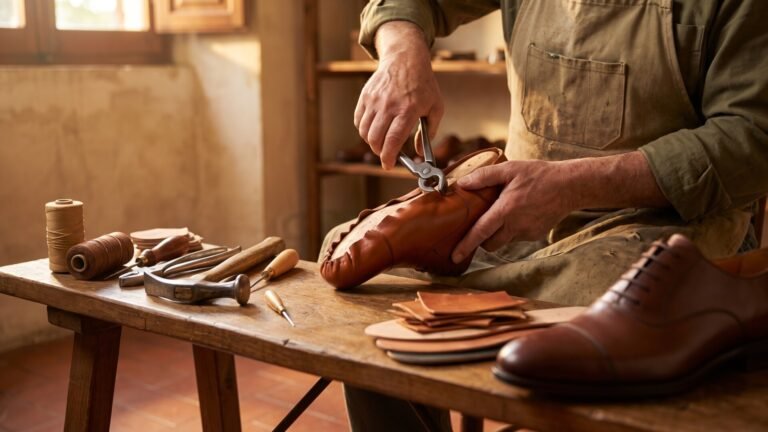
The range changes by season but centres on three finishes: suede (soft, matte and breathable, the classic summer choice), smooth calf or nappa-type leather (dressier and easier to wipe clean) and patent for a polished look. Tod’s describes the Gommino as hand-stitched in its own Marche workshops, and retailers quote the brand’s figure of about 100 manufacturing steps per pair. Soft leathers mellow with wear and develop a light patina.
3. Silhouette and Subtle Branding
The Gommino has a low vamp, clean lines and visible hand stitching, which is why it pairs with jeans, chinos and relaxed tailoring alike, and why men’s and women’s versions look so similar. Branding is discreet: usually a small stamped monogram or a penny bar rather than a large logo, which has made it a favourite of buyers who prefer understated design.
How a Gommino Is Built
The Gommino is a moccasin-style shoe, which is a different construction from a classic dress loafer. A dress loafer usually has a stiffer leather or rubber sole stitched or cemented to a structured upper, often with a firm heel counter. A moccasin-style driving shoe has a soft upper that wraps around the foot and is stitched to a flexible base, so the shoe bends where your foot bends. The rubber pebbles are part of that base: they give grip and a degree of cushioning without a thick, rigid outsole, and on the Gommino they continue up the back of the heel, which protects the leather where it rubs against the car floor.
This construction explains both the strengths and the limits of the shoe. It is light, packs flat in a suitcase and feels broken-in quickly. It also has little stiff structure, so it will not hold its shape like a welted shoe, and the separate pebbles wear down faster on rough pavement than a continuous sole would. Our guide to Gommino vs driving shoes breaks down the category, the broader guide to the best Italian driving shoes compares other makers, and The Art of Italian Shoe Making explains Italian construction methods in general.
Gommino, City Gommino or Bubble: Which Sole Do You Need?
This is the decision most buyers miss. Tod’s sells the Gommino family with three different soles, and the right one depends on how much of your day is spent walking on pavement rather than sitting in a car or an office:
| Model | Sole | Best for | US price (Nov 2026) |
|---|---|---|---|
| Gommino (classic) | Separate rubber pebbles only | Driving, travel days, office, dry weather | About $645–$775 |
| City Gommino | Thick, solid rubber outsole with embossed pebbles | Walking in the city, cobbles, daily commuting | About $700–$860 |
| Gommino Bubble (since Spring/Summer 2023) | Oversized “maxi” pebbles | Buyers who want a bolder, more fashion-led look | Varies by version; check current listings |
| Ferragamo Gancini driver | Rubber sole with nubs, tubular construction | A dressier driver with visible Gancini hardware | About $585–$980 |
The rule that follows: if you will walk more than a mile or two most days, choose the City Gommino, because its continuous sole spreads wear instead of grinding down individual pebbles. Choose the classic Gommino if the shoe will mostly drive, travel and sit under a desk; it is lighter and the version the reputation was built on. Prices are retail ranges from US retailers and vary by leather, season and sales.
Comfort and All-Day Wear
The Gommino is designed to feel good from the first wear rather than after a long break-in. The flexible sole lets the foot move naturally, soft leather or suede interiors reduce friction, and the shoe is light. The trade-off is support: the footbed is slim and flat with little arch support, and there is no stiff shank.
Readers who stand or walk for long periods at work often ask which luxury loafers hold up. The classic Gommino is comfortable for walking and short standing periods, but it is not built for eight hours on hard floors. Alternate pairs, add a thin insole if you need arch support, avoid suede on wet days, or look at the City Gommino or our edit of the best Italian shoes for walking all day. A leather-soled shoe behaves differently again; our comparison of leather soles vs rubber soles explains the trade-offs.
Why Are Tod’s Shoes So Expensive?
This is one of the questions readers ask most often, and the honest answer has several parts. A Gommino at roughly $645–$775 is priced as a luxury product, and the price reflects a mix of real costs and brand positioning.
- Materials – Soft suede and supple calf or nappa-type leather cost more than corrected-grain or coated leather, and the lightly lined interiors leave less room to hide flaws, so hides are selected more carefully.
- Labor – Tod’s states that the shoes are hand-stitched in its own workshops in the Marche. Labor-intensive stitching in Italy costs more than machine assembly in a large-volume factory.
- The sole – The 133-pebble sole is a signature, designed and molded specifically for the shoe rather than bought as a generic outsole.
- Brand and retail – A share of the price pays for the name, boutique rents and wholesale margins. This is the part you are paying for the label, even though Tod’s keeps the logo itself discreet.
Is it worth buying? If you will wear a pair weekly for travel or driving, the cost per wear comes down quickly: at $700, a pair worn twice a week for three years works out to around $2.25 per wear. If you want a pair for occasional dressy events, a cheaper loafer may serve you just as well. End-of-season sales at major retailers regularly take 20–50% off seasonal colors, so classic colors are the ones to buy at full price. Resale value is never guaranteed and depends on condition and sole wear. For a wider look at the question, see Are Luxury Italian Shoes Worth the Money?
Sizing and Fit
Because the Gommino has a soft, unstructured upper, it behaves differently from a stiff dress shoe, and size advice is not consistent. Some retailers list the suede Gommino as true to size, while Tod’s product copy carried by other retailers recommends half a size smaller for some City Gommino styles because the leather is so flexible. The common thread: suede and soft leather give a little with wear, mainly in width rather than length, so a pair that feels snug but not painful usually relaxes, while a pair that is loose at first can end up slipping at the heel. Many wearers go sockless or in no-show liners, so try them the way you intend to wear them.
Check Tod’s own size guide, since lasts vary between men’s and women’s models and between collections, and use our Italian shoe sizes vs US and UK sizes chart for conversions. Our guides on how Italian designer shoes should fit, Italian designer shoes for wide feet and how to break in Italian leather shoes cover heel slip, toe room and width in more detail.
How to Style Tod’s Gommino
Colors run from classic black, navy and brown through earth tones like tan, cognac and olive to seasonal pastels. Neutrals are the easiest to coordinate; suede reads more casual and smooth leather more polished.
For Men
- Pair brown or tan leather Gommino with chinos and a crisp white shirt for the weekend.
- Navy or black pairs work with slim trousers and a blazer for smart-casual events.
- Suede versions sit naturally with rolled jeans and a knit; for alternatives, compare the best Italian penny loafers for men.
For Women: A Driving Shoe That Works as Casual Streetwear
Women looking for a moccasin-style driving shoe that doubles as casual streetwear often land on the Gommino because it sits between a ballet flat and a loafer. It is flat, soft and easy to wear with cropped denim, wide-leg trousers or a slip dress, and it has more grip than a hard-soled loafer, which makes it a strong choice for frequent travellers. Suede in a neutral shade or a dark leather is the most flexible starting point; brighter seasonal colors work as an accent. Compare options in the best Italian designer loafers for women and Italian designer loafers vs ballet flats, and see how to style Italian shoes for every occasion for outfit ideas.
Durability and Care
With rotation and basic care, a Gommino can last for years. The upper usually outlives the sole: the pebbles are the first part to wear, especially on the classic model worn on pavement. Depending on the model and condition, worn soles can often be refreshed by Tod’s or a specialist cobbler, so ask before the pebbles wear through to the leather.
- Brush suede regularly to keep the nap even, and wipe smooth leather with a soft cloth.
- Condition smooth leather occasionally to keep it supple; never use creams on suede.
- Store with shoe trees in the dust bag so the soft upper keeps its shape.
- Avoid soaking them. The pebbles grip in the wet, but suede and soft leather can stain or warp; dry any wet pair slowly, away from heat.
Test any product on an inconspicuous area first. Our full guide on how to care for Italian leather shoes covers conditioning and storage, and the roundup of suede cleaners that actually work is useful for suede pairs.
Tod’s Gommino vs Gucci and Ferragamo Loafers
Many luxury loafers exist, and the most common comparison readers make is with Gucci and Ferragamo. The short version: the Gommino is the softest and most casual of the three, Ferragamo’s driver is the closest direct rival, and the Gucci Horsebit is a structured loafer rather than a driving shoe.
| Loafer | Signature detail | Character | Best for |
|---|---|---|---|
| Tod’s Gommino | 133-pebble rubber sole | Soft, flexible, casual-refined | Driving, travel, relaxed smart-casual |
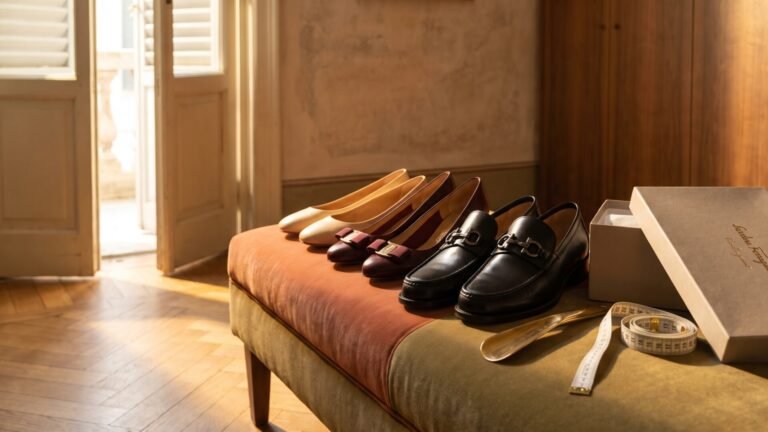
| Ferragamo Gancini driver | Gancini hardware; rubber sole with nubs | Similar softness, dressier and more branded | Smart-casual and office; see why Ferragamo loafers are still handmade in Italy |
| Gucci Horsebit | Metal horsebit across the vamp (the loafer dates to 1953) | More structured, more visible branding | Buyers who want a recognizable detail; see our Horsebit loafer guide |
Which is better, the Gommino or Ferragamo’s driver? Choose the Gommino if you want the original, the quietest branding and the widest range of suedes; choose the Ferragamo if you want hardware on the vamp and a slightly dressier line. For a longer list across brands, see our guide to the best Italian loafers.
Where to Buy
Tod’s own website and boutiques carry the full range and the newest colors. Authorized department stores and established multi-brand online retailers carry a narrower edit and are where seasonal markdowns appear; look for stores that list Tod’s as an authorized brand and publish clear return terms. Replicas exist, so avoid marketplace listings without documentation, and check that a listing names the model (Gommino, City Gommino or Bubble), since the soles differ.
Frequently Asked Questions About Tod’s Gommino
Do Tod’s Gommino loafers stretch over time?
A little. Suede and soft leather relax mainly across the width and at the instep after a few weeks of wear; length does not change. That is why a snug, but not painful, first fit is usually right, and why a pair that already feels loose in the store tends to slip at the heel later.
Can you wear Tod’s Gommino in the rain?
Occasionally, but it is not what they are for. The rubber pebbles grip on wet ground, but water reaches the upper through the sole stitching and between the pebbles, and suede can stain. If you get caught out, stuff the shoes with paper and let them dry slowly away from heat, then brush suede once dry.
Can Gommino shoes be resoled?
Often, yes. Depending on the model and condition, worn pebble soles can be refreshed by Tod’s or by a specialist cobbler, sometimes by fitting a continuous rubber sole similar to the City Gommino. Ask before the pebbles wear through to the leather, because a damaged upper is much harder to repair.
Is Tod’s a luxury brand?
Yes. Tod’s sits in the luxury footwear and leather goods tier alongside houses such as Ferragamo and Gucci, with prices to match: about $645–$775 for a classic suede Gommino in the US. It is less logo-driven than many rivals, which is part of its appeal for buyers who prefer understated design.
Should I buy suede or leather Gommino?
Suede is softer and more casual but marks more easily in rain. Smooth leather looks dressier and is simpler to wipe clean. If you drive and travel mostly in dry weather, suede is a fine first pair; if you want one pair for a wider range of settings, start with dark smooth leather.
Keep Reading
- Italian Designer Shoes: The Complete Guide to Luxury Footwear Craftsmanship
- Handmade Italian Shoes Explained
- Italian vs. French Luxury Shoe Brands
- Top 7 Italian Luxury Sneakers That Are Actually Comfortable
- Why Quiet Luxury Became a Global Trend
Final Thoughts
The Tod’s Gommino has lasted nearly five decades because it does one thing very well: it is a soft, light, discreet shoe that is comfortable from the first wear and smart enough for most places you would go in a car or on a plane. Its limits are just as clear: thin soles, little arch support and a dislike of rain. Buy the classic Gommino for driving and travel, the City Gommino for walking, and you will get the best of what made the shoe famous.