Moschino: The Ultimate Guide to Italy’s Playful Luxury House
Moschino is easy to dismiss as a joke: handbags shaped like teddy bears, jackets printed with cartoon characters, a fragrance bottle in the form of a toy. But look closer and you find a house with a clear philosophy, a serious founder and a genuine point of view. Moschino argues that luxury does not have to be solemn, and that the best accessory may be a sense of humor. If you are tired of beige quiet luxury, it is the brand that reminds you fashion is supposed to be fun.
This guide is our complete resource on Moschino at ItalianDesignerVault.com. It covers the brand’s history, its design DNA, the signature bags worth knowing, its different lines, how it compares with other Italian houses, and how to buy, authenticate and care for a piece. It is part of our larger guide to Italy’s most influential fashion houses.
[Shop Moschino’s most playful and iconic pieces today]
Moschino at a Glance
| Fact | Detail |
|---|---|
| Founded | 1983 in Milan by Franco Moschino |
| Known for | Irreverent, ironic luxury; novelty bags; pop culture collaborations |
| Founder’s successor | Rossella Jardini, creative director after 1994 |
| Scott era | Jeremy Scott, from 2013 (first collection Fall 2014) until his 2023 exit |
| Owner | Aeffe S.p.A., which took full control in 2021 |
| Main lines | Moschino, Boutique Moschino, Love Moschino |
Brand History and Heritage
Origins in Milan
Moschino was founded in 1983 by Franco Moschino, a designer who studied at the Accademia di Belle Arti di Brera in Milan and worked as an illustrator and designer in the fashion industry before launching his own label, Moschino Couture!. Early on, he did something radical: he made fun of the very system he had joined. His clothes and campaigns poked at luxury conventions, logos and consumption, yet they were never cynical. He was celebrating fashion with a wink.
The fashion world was first confused and then delighted. Moschino was not attacking luxury; he was asking it to laugh at itself, and in the process created some of the most memorable slogans and silhouettes of the 1980s and early 1990s.
The Jardini Years
Franco Moschino died in 1994, at just 44. Rossella Jardini, who had worked beside him for years, took over as creative director and kept his ironic spirit alive for roughly two decades. During this period the house grew into a global accessories and ready-to-wear business. In 1999 Moschino joined the Aeffe group, which later acquired the remaining stake to take full control in 2021.
The Jeremy Scott Era
In 2013 the house appointed Jeremy Scott, an American designer known for pop-art maximalism. His first collection for Moschino, shown for Fall 2014, riffed on fast food and consumer culture and made headlines worldwide. Over the next decade Scott turned the brand into a showcase for cartoon characters, toys, food and celebrity collaborations, including a SpongeBob SquarePants collection created with Nickelodeon in support of HIV/AIDS fundraising, a collaboration with H&M in 2018, and a The Sims 4 collection in 2019. During his tenure, the older Cheap and Chic line was consolidated into Boutique Moschino, a women’s line positioned below the main collection.
Moschino After Scott
Scott announced his exit in 2023. His chosen successor, Davide Renne, died unexpectedly just days after starting the role in November 2023. Adrian Appiolaza, previously of Loewe, was appointed in 2024 and left in June 2026 after the two sides agreed to end the partnership. Reports suggest a new creative team may follow, so the house is once again in transition. For buyers, that makes the Scott-era icons and the brand’s core signatures all the more relevant. We analyse recent design directions in our look at Moschino’s trompe l’oeil trend and whether it is worth the price.
Moschino Design DNA: Bold, Playful and Iconic
Moschino’s aesthetic rests on a few repeated ideas that make a piece instantly recognizable.
- Playful logos: the Moschino script and the question-mark-and-exclamation motifs appear on bags, tees and accessories, often oversized and unapologetic.
- Bright color: neon, primary colors, pastels and metallic finishes appear alongside classic black.
- Graphic prints: cartoon characters, food, household products and cultural icons.
- Novelty silhouettes: bags shaped like teddy bears, hearts and food, plus trompe l’oeil effects that turn clothes into jokes.
Despite the playful exterior, the brand produces its leather goods and footwear in Italy and applies serious attention to construction. The joke is on the surface; the stitching, hardware and finishing are meant to be taken seriously. Unlike quiet luxury labels that prize understatement, Moschino is loud and proud. It is luxury with a sense of humor, and that is its entire appeal.
Moschino Lines Explained
| Line | What it offers | Best for |
|---|---|---|
| Moschino (main line) | Runway collections, statement bags, couture-inspired pieces | Collectors and fashion-forward buyers |
| Boutique Moschino | Women’s line priced below the main collection | Buyers who want the spirit at lower cost |
| Love Moschino | Younger, more accessible line (previously Moschino Jeans) | Entry-level purchases and gifts |
The pricing across these lines differs considerably, so always check the exact line and the current listing before you buy; our review of this is based on how the brand positions each line rather than on fixed price points that change from season to season.
Best-Known Moschino Bags
1. Moschino Logo Bags
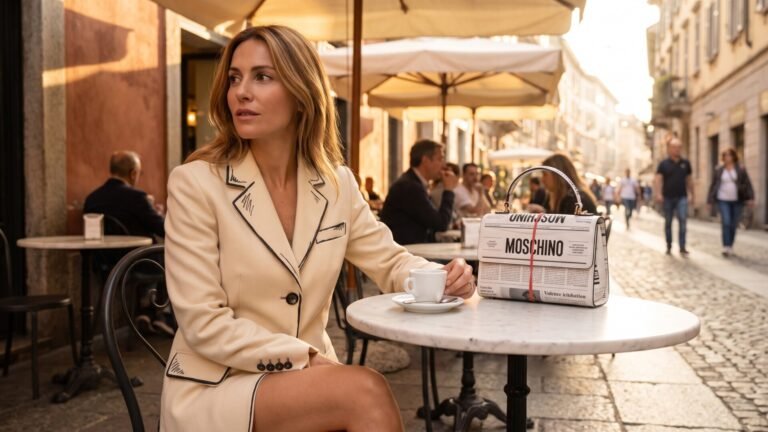
The logo bag is Moschino’s everyday workhorse, usually a quilted or smooth leather bag with a chain strap, a flap closure and the brand’s script logo displayed prominently. It balances playfulness with wearability and suits buyers who want a statement piece they can actually use. It is also the best first purchase for a newcomer to the brand.
Ideal for: everyday statements, casual outings, first-time buyers.
2. Moschino Teddy Bear Bag
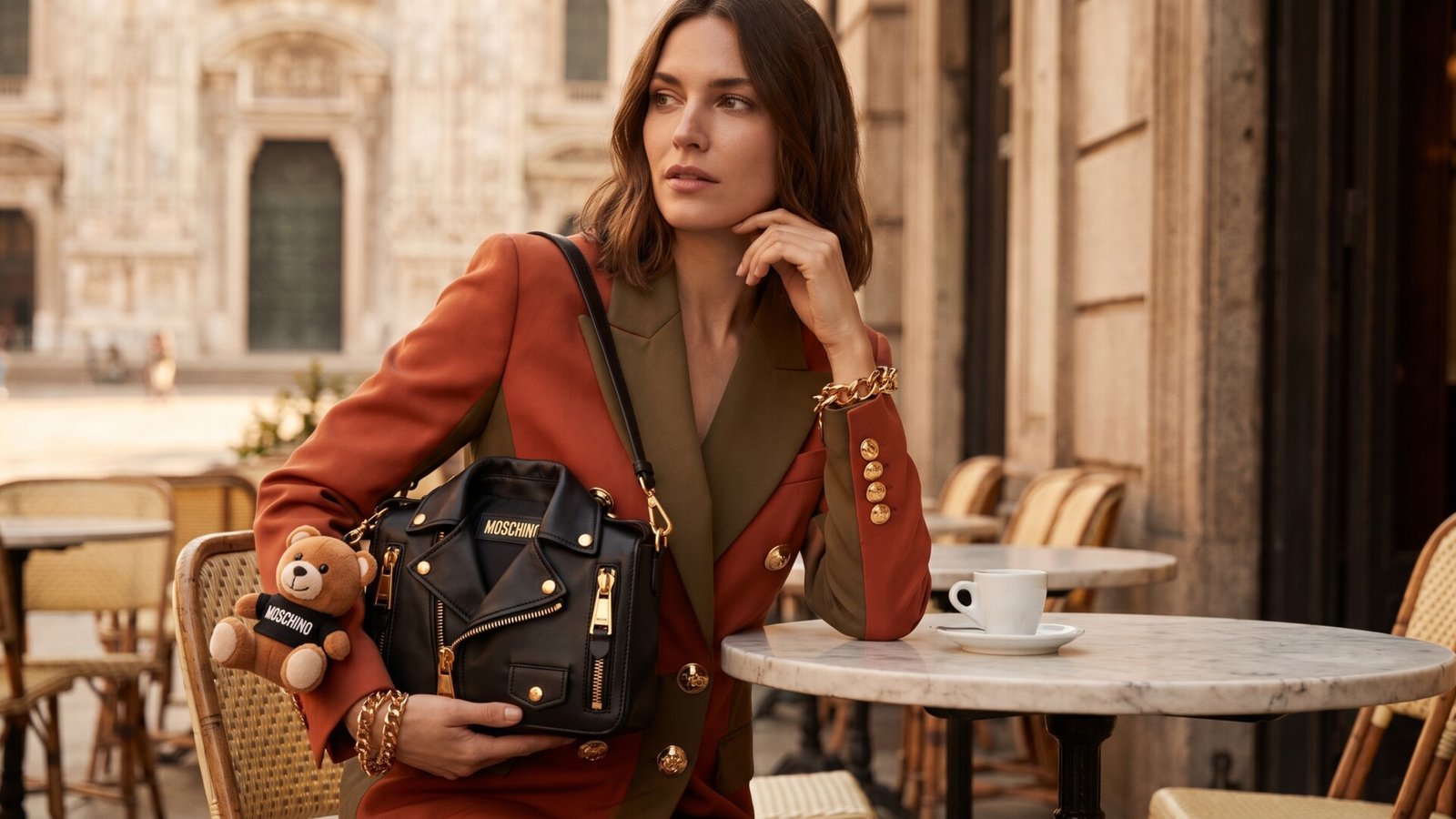
The teddy bear became a signature motif of the Scott years, appearing in bags, clothing and even the bear-shaped bottle of the house’s Toy fragrance, launched in 2014. Bear-shaped bags come in leather, plush and shearling-style finishes, usually with a chain or leather strap and a small interior for essentials. They show up constantly in editorials and on social media, and they remain the brand’s most recognizable novelty design.
Ideal for: collectors, special events, conversation starters.
3. Mini Food Bags
Food-inspired bags grew out of the fast-food and consumer-culture theme of Jeremy Scott’s first Moschino collection. Over the years, the house has produced mini bags and accessories shaped like burgers, fries, popcorn, pizza and sweets, usually in leather or patent leather. Limited runs make some of them collectible.
Ideal for: collectors, gift givers, party outfits.
4. Quilted Shoulder Bags
Moschino’s quilted chain bag is a playful nod to the classic quilted flap, usually finished with the script logo or a bold hardware detail. It is more understated than a novelty bag but still unmistakably Moschino, which makes it a good option for work, travel and daily use.
Ideal for: everyday wear, office days, travel.
5. Capsule Collaborations
Moschino has a long record of capsule collections with pop culture partners, including SpongeBob SquarePants, H&M and The Sims 4. These releases are often limited, which fuels collector interest and can support resale demand, although results vary a lot from piece to piece.
Clothing, Shoes and Accessories
Moschino’s clothing is as playful as its bags: graphic knitwear, slogan tees, statement outerwear covered in embroidery or appliqué, and dresses built around jokes and visual illusions. The brand’s leather jackets are especially well known; read how they fit among the best in our complete guide to Italian leather jackets. In footwear, expect sneakers with bold logos and metallic accents, plus loafers and heels with a color pop. Small leather goods, belts, phone cases and novelty keychains make affordable entry points into the world of Moschino.
Moschino vs Other Italian Houses
| Brand | Aesthetic | Best for |
|---|---|---|
| Moschino | Playful, cartoonish, ironic | Statement pieces, collectors |
| Dolce & Gabbana | Baroque, ornate, Sicilian-inspired | Occasion wear, maximalists |
| Gucci | Eclectic, heritage-driven | Fashion-forward statements |
| Versace | Glamorous, bold, baroque | High-energy dressing |
| Prada | Minimalist, intellectual | Understated luxury |
| Fendi | Fur, leather, playful craft | Collectible accessories |
Moschino is the most humorous of the major Italian luxury names. While Dolce & Gabbana is ornate and Gucci is eclectic, Moschino is genuinely funny and does not take itself too seriously. If you want a more affordable route into Italian leather, look at Furla or Coccinelle; for something more understated, compare Bottega Veneta, Valextra and Loro Piana. For a colorful knitwear alternative, see Missoni, and for another take on bold footwear, look at Valentino.
Who Should Buy Moschino?
- Fashion-forward, risk-taking buyers who want accessories that start conversations.
- Collectors of novelty bags and limited capsule collections.
- Gift buyers looking for a memorable present with personality.
- Quiet luxury converts who want to add one fun piece to an otherwise neutral wardrobe.
Best Moschino Picks by Need
| Category | Top pick | Why |
|---|---|---|
| Best overall | Logo quilted bag | Wearable, recognizable, versatile |
| Best statement piece | Teddy bear bag | Iconic and collectible |
| Best collectible | Mini food bag | Limited runs and conversation value |
| Best everyday use | Quilted shoulder bag | Balances fun and practical |
| Best entry point | Small leather accessory | Full Moschino personality at a lower cost |
[Shop Moschino’s most playful and iconic pieces today]
Where to Buy Moschino and How to Avoid Fakes
Official channels: Moschino boutiques and the brand’s official website carry the full range, including online exclusives. Retailers: major luxury e-tailers and department stores stock selected collections and usually offer clear return policies. Pre-owned: resale platforms with in-house authentication are the safest way to buy discontinued novelty bags and older Scott-era pieces.
Novelty designs are heavily counterfeited, so check the details: the lining and heat-stamped logo should be crisp, hardware should feel weighty and carry clean engraving, stitching should be even, and the item should come with its dust bag and authenticity card where applicable. Be wary of prices far below those of reputable resellers. When in doubt, buy from a platform that guarantees authenticity.
Care Guide for Moschino Pieces
- Wipe with a soft, dry cloth after use, and dry immediately if caught in the rain.
- Handle novelty bags gently: articulated limbs, 3D elements and plush finishes are more delicate than standard leather.
- Use dust bags and keep collectible items in their original boxes, which helps resale value.
- Store in a cool, dry place away from direct sunlight, and avoid stacking heavy items on shaped bags.
If a stored leather piece develops mold or an odor, see our guide to dealing with mold on stored designer leather goods.
Is Moschino Worth It?
Pros
- Unique, original designs that no other house replicates.
- Collectible limited editions and capsule collaborations.
- Italian production and real attention to construction.
Cons
- Less versatile for minimalist wardrobes; a teddy bear bag does not go with everything.
- Standard logo pieces do not hold value as well as classic designs from houses such as Bottega Veneta.
- The house is in a creative transition after Adrian Appiolaza’s June 2026 exit.
Verdict: Moschino is best for collectors and bold fashion buyers who want Italian luxury with personality. It is not for those who want a quiet luxury wardrobe, but it is perfect for people who believe fashion should be fun. For more Italian icons, see our guide to iconic Italian handbags you must own.
Frequently Asked Questions About Moschino
Is Moschino a luxury brand?
Yes. Moschino is an Italian luxury fashion house founded in Milan in 1983. Its designs are playful and irreverent, but it uses quality materials and commands luxury prices, especially on the main line.
Who founded Moschino?
Franco Moschino founded the house in Milan in 1983. After his death in 1994, Rossella Jardini led the creative direction for about two decades.
Who is the creative director of Moschino now?
Adrian Appiolaza, appointed in 2024, left in June 2026. Check the brand’s official channels for the latest announcement of his successor.
Are Moschino bags made in Italy?
Moschino’s leather goods and footwear are produced in Italy, though origin can vary by line and item, so check the label on the specific piece.
Which Moschino bag is the most iconic?
The teddy bear bag is the best-known novelty design, while the quilted logo chain bag is the most recognizable everyday style. For collectors, the fast-food and capsule collaboration pieces are especially sought after.
Do Moschino bags hold resale value?
Limited editions and novelty designs can hold or gain value among collectors, but standard logo bags typically resell for less. Condition, rarity, and original packaging all matter.
What is the difference between Moschino, Boutique Moschino and Love Moschino?
Moschino is the main line. Boutique Moschino is a women’s line positioned below it, and Love Moschino is a younger, more accessible line that was previously called Moschino Jeans.
Are Moschino novelty bags worth buying?
For collectors and fashion lovers who want statement pieces, yes. For buyers seeking everyday versatility or investment stability, a classic logo or quilted bag is a better choice.
[Shop Moschino Logo Bags]
[Shop Moschino Teddy Bear Bag]
[Shop Moschino Mini Food Bags]
[Shop Moschino Accessories]