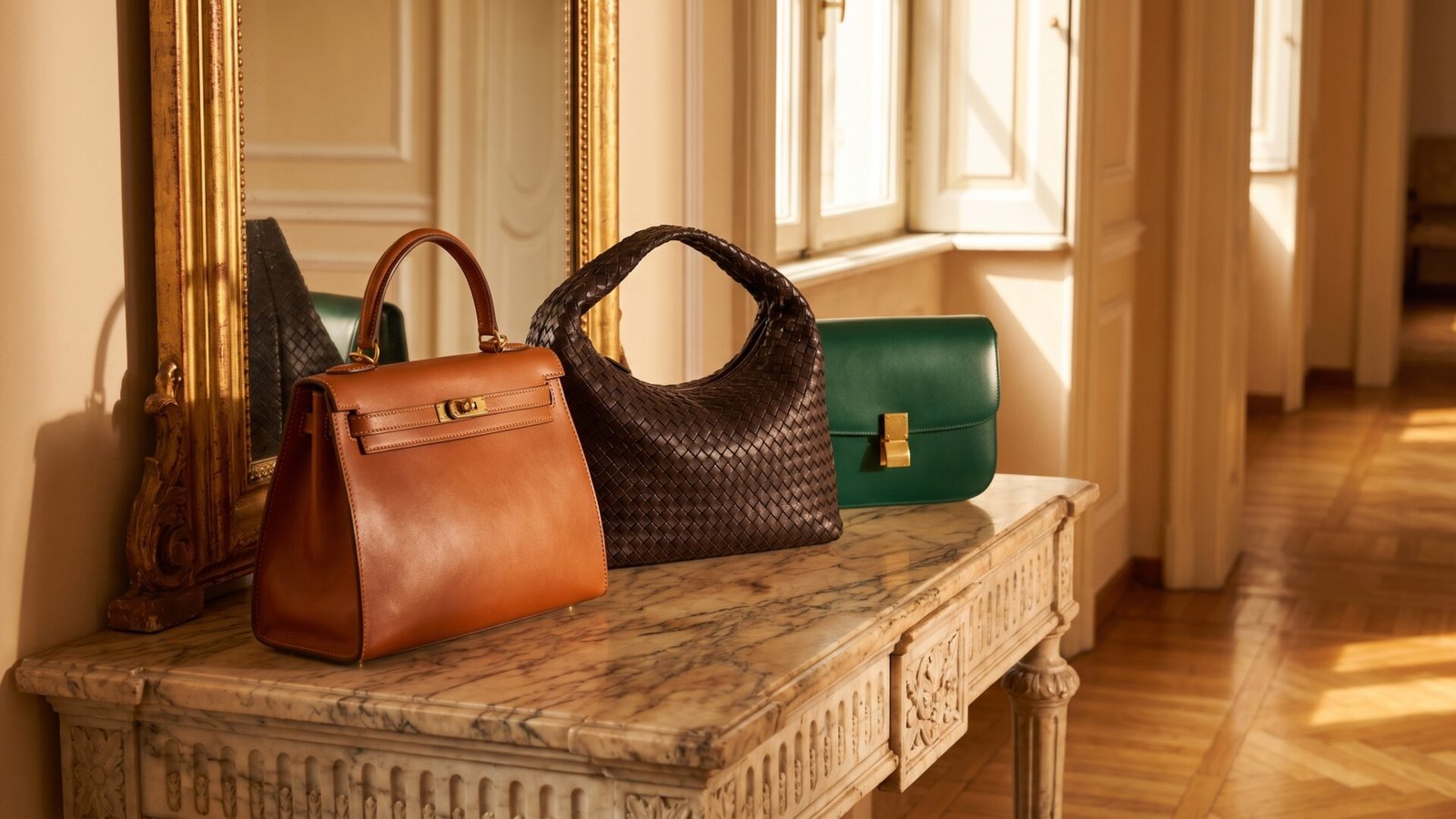
Iconic Italian Handbags You Must Own
I have a confession. For years, I chased the latest “It” bag. I bought into the hype, the celebrity sightings, the fleeting moments of social media glory. I have a closet full of relics from trends that died faster than a cheap zipper. Then, a few years ago, I made a different kind of purchase. I didn’t buy what was loud; I bought what was lasting. I bought an icon. It wasn’t the most exciting purchase at the moment, but it has been the most rewarding. It taught me the difference between buying a handbag and building a collection.
We’re not just talking about accessories here. We’re talking about wearable heirlooms, pieces of art, and, yes, financial assets. The world of Italian luxury handbags is a specific universe, one where craftsmanship meets cultural history. It’s easy to get lost. I’ve spent years navigating it, making mistakes, and learning what truly holds value—both in terms of dollars and in terms of daily utility. Let me save you the years of trial and error.
This guide isn’t a list of everything pretty. It’s a deep dive into the few that matter. We’ll explore the icons that define Italian design, dissect what makes them worthy of your investment, and get brutally honest about the cost-per-wear reality. By the end, you’ll know exactly which bag deserves a place in your life, and which ones you might want to admire from afar.
The Heritage of Italian Leather and Vision
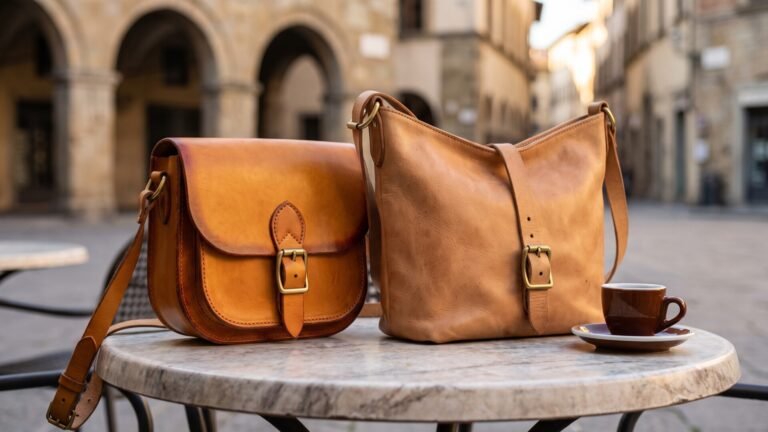
Before we talk about specific bags, we need to talk about the soil they grew from. Italian fashion isn’t just an industry; it’s a cultural export. The country’s history is steeped in Renaissance artistry, where the guilds of Florence and Milan perfected the trades of leatherworking and jewelry long before they were called “luxury.”
What defines an “iconic” Italian handbag isn’t just a logo. It’s the combination of savoir-faire—the technical skill passed down through generations—and a distinct design language that breaks the mold. For a broader introduction to the category, see our guide to Italian designer handbags. Think about it: a bag becomes iconic when it is instantly recognizable even without a logo, when its silhouette defines an era, and when it maintains relevance decades after its creation.
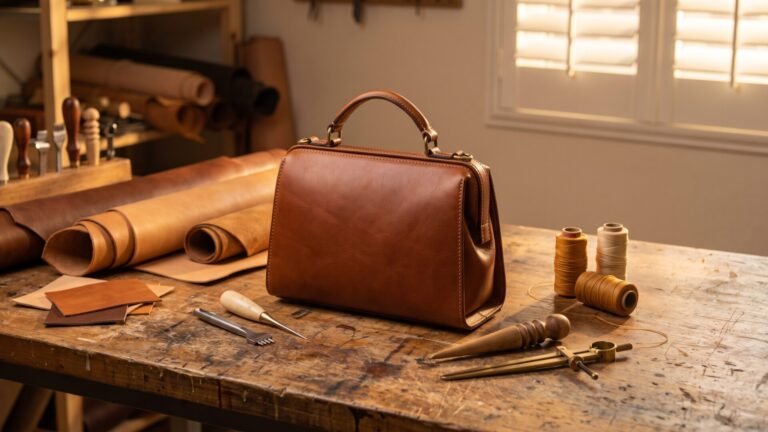
The materials matter, of course. We are talking about vegetable-tanned leathers from Tuscan tanneries, which develop a rich patina over time, and hardware that is plated and finished to resist wear. But the true magic is in the construction. The way a handle is hand-stitched, the way a bag holds its shape after years of use, the weight of the zipper pulls—these are the details that separate a $200 lookalike from a $2,000 investment. This isn’t just about buying a bag; it’s about buying a piece of a centuries-old legacy. It’s about owning a small piece of that artisanal soul.
The Icons: A Closer Look
Let’s get specific. These six bags represent the pinnacle of Italian design. They are the ones I see in the collections of the most savvy buyers, and the ones that consistently prove their worth.
Gucci Jackie 1961
I remember the first time I saw a vintage Jackie in the wild. It was on a woman in a Roman café, and the bag was so worn and slouchy it looked like it had lived a thousand lives. It was beautiful. That is the essence of this bag.
The bag was renamed the Jackie in 1961 in honor of Jackie Kennedy, who was often photographed carrying it. Its defining feature is the piston clasp—a curved, metallic hook that replaces the traditional buckle. It’s sleek, elegant, and utterly unique. In 2020, under the creative direction of Alessandro Michele, the bag returned as the Jackie 1961 with an adjustable, longer shoulder strap, making it relevant for a new generation.
Craftsmanship here is paramount. The bag is often crafted from the iconic GG Supreme canvas or smooth and textured leathers. The attention to the curve of the handle and the precision of the piston mechanism are testaments to Gucci’s ateliers. It’s a bag that whispers elegance rather than shouting it. Price guide: the small GG canvas version retails at roughly $2,900 to $3,000 at major luxury retailers; leather and exotic versions are priced separately, so check the current listing before you buy. It transitions effortlessly from a daytime errand to a dinner reservation, and it ages like fine wine, developing a slouch that adds to its charm.
Prada Nylon Bag
Let me tell you about the bag that broke the rules. In 1984, Miuccia Prada, who had taken over the family business in 1978, took the brand’s heritage of luxury leather goods and turned it on its head. She introduced a backpack made of nylon—specifically, a technical fabric called Pocono, a material the company had long used to protect its trunks and which was originally associated with military tents. It was a radical move. It challenged the very definition of luxury, suggesting that intelligence and function were more important than precious materials.
The Prada Nylon Bag, often with the iconic triangle logo, became a symbol of the minimalist, sophisticated wardrobe of the 90s. It’s the original “anti-status” status symbol. The design is utilitarian, lightweight, and surprisingly durable. This is the bag you can throw under a plane seat, stuff with a laptop, and it will still look chic. The cultural impact is immense; it shifted the conversation from “what is it made of” to “what does it say about me?” It says you prioritize intellect and experience over ostentation. For me, it’s the ultimate travel companion—the bag that asks for nothing and gives everything.
Fendi Baguette
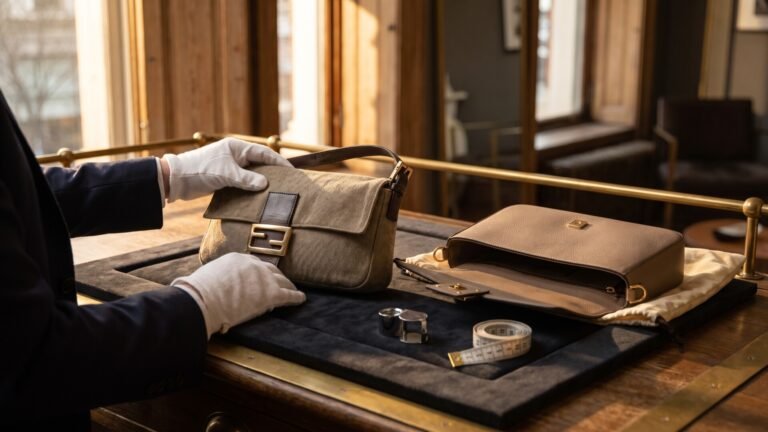
Few bags have had a cultural moment as seismic as the Fendi Baguette. Its name comes from the way it was meant to be carried—tucked under the arm, like a French loaf of bread. Created by Silvia Venturini Fendi in 1997, the Baguette was a departure from the stiff, structured bags of the time. It was short, shapely, and designed to be seen.
The Baguette’s iconic status was cemented by pop culture, most famously by Carrie Bradshaw in Sex and the City, who declared in one episode, “It’s not a bag, it’s a Baguette.” It became a canvas for artistic expression, with hundreds of variations in materials ranging from sequins to fur to classic leather. The FF motif and the unique baguette silhouette are instantly recognizable. It’s a statement piece, a conversation starter, and a reminder that fashion can be playful. While it may not be the most practical for hauling daily essentials, its impact on fashion history is undeniable. It proved that a bag could be a personality, not just an accessory.
Valentino Rockstud Tote
This is the bag for the woman who wants her accessories to have a little bite. The Valentino Rockstud, introduced in 2010, took the maison’s Roman heritage and added a dose of punk rebellion. The signature pyramid studs are not just decorative; they are meticulously applied by hand, often in a double row along the edges and handles. The craftsmanship is extraordinary; the precision required to set those studs perfectly is a skill that takes years to master.
The Rockstud Tote is a study in contrasts. It pairs the hard, metallic edge of the studs with the softness of the finest nappa leather. It’s a bag that can look tough yet elegant, edgy yet refined. It’s versatile enough for a day at the office and a night out, and the structured silhouette means it holds its shape beautifully. This is a bag that commands a room without saying a word. It’s for someone who is confident, a little bit dangerous, and unapologetically bold.
Dolce & Gabbana Sicily Bag
If you want a bag that tells a story of Italian heritage, look no further than the Dolce & Gabbana Sicily. It’s named after the island that evokes images of sun-drenched piazzas, Moorish architecture, and a rich, complex history. The design is inspired by the vintage bags of the Sicilian tradition, featuring a structured, boxy shape and a top handle. The Sicily line debuted in the mid-2010s.
The Sicily bag is a love letter to traditional craftsmanship. It’s often made from calfskin leather with a smooth, matte finish, and it features a detailed metal plate with the brand’s name. The interior is just as luxurious as the exterior, often lined with a canvas that tells its own story. This is a bag that feels substantial and grounded. It’s not about being flashy; it’s about being authentic. It’s the perfect everyday bag for someone who appreciates a classic, timeless aesthetic with a distinctly Italian soul. It’s the kind of bag that looks better with a linen dress and gold jewelry than with athleisure, and it encourages you to slow down and appreciate the details.
Bottega Veneta Cassette Bag
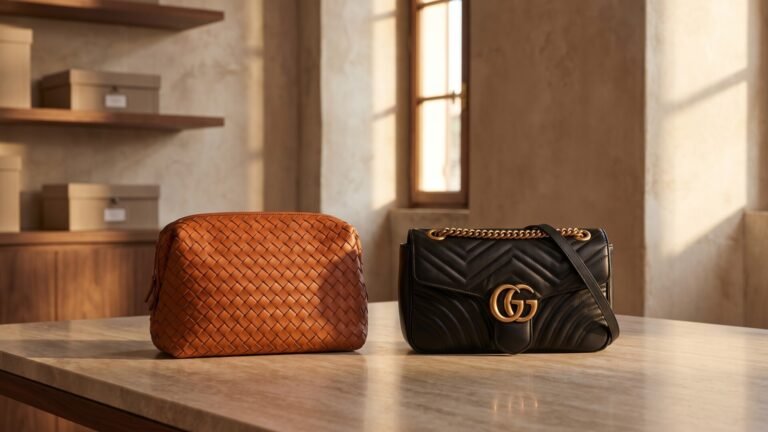
Bottega Veneta is a brand that operates on the principle of “when your own initials are enough.” There is no loud logo here; instead, there is the intrecciato weave—a supple, intricate leather weave that is the brand’s signature. The Cassette Bag, introduced in 2019 under Daniel Lee’s creative direction, took this traditional weave and supersized it into a padded, flat-fronted crossbody.
The result is a bag that is both modern and deeply rooted in the house’s heritage. The padded, oversized weave gives it a plush, almost quilted texture that is incredibly satisfying to touch. It’s a masterclass in understated luxury. The Cassette is a bag for the modern minimalist. It works with a tailored coat, a pair of jeans, or a simple dress. It doesn’t compete with your outfit; it elevates it. This is a bag for someone who appreciates the artistry of the material itself, understanding that the true value lies in the craftsmanship, not the logo.
The Anatomy of an Icon
So, we’ve looked at six very different bags. What is the common thread that makes them “must-owns”? It’s more than just being pretty. There’s a formula, and it’s a complex one.
- Design Uniqueness: Each of these bags has a distinct silhouette or feature that sets it apart. The Jackie’s piston clasp, the Baguette’s shape, the Rockstud’s studs. They are not derivative; they are originals.
- Material Quality: They are all made from exceptional materials, whether it’s the finest calfskin, a revolutionary nylon, or a meticulously woven leather. The material is the foundation of the bag’s longevity and feel.
- Brand Heritage: These bags are backed by decades—sometimes over a century—of history. They carry the weight of the maison’s reputation for quality and style. That heritage is a promise.
- Cultural Moments: An icon is often cemented by a cultural moment. Jackie Kennedy carrying the Gucci, Carrie Bradshaw with her Baguette. These moments attach a narrative and an emotion to the object, making it more than just a thing.
An icon isn’t created in a season. It’s built over time, through consistent quality and a design that resonates with the human desire for beauty and meaning.
Styling the Icons for Real Life
Owning an icon is one thing; wearing it well is another. Here’s the advice I’ve gathered from years of trial and error.
- Gucci Jackie: This is the ultimate “effortless chic” bag. Pair it with a simple white tee, high-waisted trousers, and loafers for a daytime look. In the evening, it works beautifully with a slip dress and a blazer. It’s a bag that adds a touch of intellectual elegance to any outfit.
- Prada Nylon: This is your workhorse. It’s perfect for commutes, travel, and days when you need to be hands-free and functional. Style it with a minimalist wardrobe—think monochromatic looks, clean lines, and technical fabrics. It’s the ultimate “quiet luxury” piece.
- Fendi Baguette: This bag is a statement. Let it be the star. Keep your outfit simple—a black dress, a crisp shirt and jeans. Carry it under your arm as intended. It’s the perfect accessory for a cocktail party, a gallery opening, or any event where you want to show you have a sense of humor and style.
- Valentino Rockstud: This bag brings the edge. It looks incredible with leather jackets, tailored suits, and anything with a rock-and-roll vibe. It also contrasts beautifully with feminine pieces like lace dresses. It’s a versatile bag that adapts to your mood, but it always brings a certain attitude.
- Dolce & Gabbana Sicily: This is a bag for the romantic. It pairs perfectly with sundresses, wide-leg trousers, and anything with a Mediterranean feel. It’s your go-to for summer vacations, weekend lunches, and days when you want to feel connected to a slower, more beautiful way of life.
- Bottega Veneta Cassette: This is the modern uniform bag. It works with everything. It’s the perfect finishing touch for a tailored coat, a cashmere sweater, or a pair of chic joggers. It’s understated, but its textural richness adds depth to even the simplest outfit.
Italian Handbag Icons at a Glance
| Bag | House | Signature detail | Best for |
|---|---|---|---|
| Jackie 1961 | Gucci | Piston clasp | Day-to-night elegance |
| Nylon bags | Prada | Enameled triangle logo, technical nylon | Travel and commuting |
| Baguette | Fendi | Short strap, carried under the arm | Statement dressing |
| Rockstud Tote | Valentino Garavani | Pyramid studs | Edgy, structured style |
| Sicily | Dolce & Gabbana | Boxy top-handle shape | Classic, feminine looks |
| Cassette | Bottega Veneta | Padded intrecciato weave | Quiet luxury |
More Italian Classics Worth Knowing
Six bags cannot tell the whole story. If you want to look beyond this list, several other Italian designs have earned icon status. The Gucci Bamboo dates back to 1947, when wartime material shortages led the house to use heated bamboo for its handles. The Fendi Peekaboo, launched in 2008, is a structured satchel with a two-compartment design. The Prada Galleria, introduced in the mid-2000s, is a Saffiano leather tote that has become a classic office bag. And from Florence, Salvatore Ferragamo has recently built buzz around the Hug bag; read our take in the Ferragamo Hug bag deep dive.
If your budget is lower, Italy also offers excellent craftsmanship outside the big maisons. Florentine brand Il Bisonte, founded in 1970, is known for vegetable-tanned leather that develops a rich patina. We cover it and similar names in our guide to underrated Italian handbag brands worth investing in, and you can shop within a tighter budget with our list of the best vegetable-tanned leather purses under $500.
How to Buy Smart: New, Pre-Owned and Authentication
Buying new from the boutique or an authorized retailer guarantees authenticity and a warranty on construction, and it gives you the most current colors and sizes. Buying pre-owned from a reputable resale platform can lower the entry price, particularly for discontinued colors or vintage pieces, but it requires more diligence.
- Check the stitching: stitches should be even, tight and consistent in length, with no loose threads at stress points such as handle attachments.
- Inspect the hardware: authentic clasps, zippers and studs feel weighty, operate smoothly and carry crisp engraving.
- Look at the lining and labels: font, spacing and stamp placement should be precise. Compare them against official images from the house.
- Use a reputable seller: choose a platform with professional authentication and a clear return policy, and be wary of prices that look too good to be true.
Caring for Your Italian Leather Handbag
Good care is what turns a purchase into an heirloom. Rotate your bags rather than using one every day, keep them out of prolonged direct sunlight, and wipe away moisture promptly with a soft cloth. Smooth calfskin benefits from an occasional light conditioning, while suede and woven leathers like intrecciato should be kept dry and brushed gently. Nylon bags can usually be spot-cleaned with a damp cloth. For anything more serious, such as a torn lining or stained leather, go to a professional restorer rather than experimenting at home. For a deeper look at materials, tanning and craftsmanship, see our complete guide to Italian leather handbags.
The Real Cost of Beauty: Value and Investment
Let’s get down to the brass tacks. Is this an investment? Or is it an expense? The answer, like most things in life, is complicated. Let’s talk about cost-per-wear. This is the most honest metric. If you buy a $2,500 bag and wear it twice, it costs you $1,250 per wear. If you buy that same bag and wear it 200 times a year, the cost plummets to $12.50 per wear. The icons on this list are designed for longevity, both in style and construction.
The resale market is a fascinating mirror into a bag’s true value. Data from major resale platforms like The RealReal and Vestiaire Collective consistently shows that certain Italian houses hold their value better than others. Gucci and Bottega Veneta have strong, consistent demand. The Fendi Baguette, especially in vintage or rare iterations, can appreciate in value due to its cult status. Prada’s nylon pieces have a steady, if not explosive, resale market.
However, the reality is this: most handbags are not investments in the traditional financial sense. They are assets that depreciate, but at different rates. The key to minimizing depreciation is to buy the icon, not the trend. The Jackie, the Baguette, the Cassette—these are designs that have proven their staying power. They are less likely to be discounted on the secondhand market because they are perennially desirable.
Treating a bag as a pure financial investment is a mistake. Treating it as a durable asset that brings joy and utility for years is the correct perspective. The true return on investment is measured in the confidence it gives you, the outfits it completes, and the years of service it provides. That is the secret at the heart of luxury ownership.
The Trend Cycle and the Power of the Icon
We live in a world of hyper-fast trends. Social media, with its relentless feed of influencer content, has accelerated the cycle of desire and disposal. A bag can be “everywhere” for three months and then vanish into obscurity. This is the antithesis of the Italian icon.
The power of the icon is its immunity to the trend cycle. The Baguette has been “back in style” multiple times because it never really went out of style. The Jackie was revived for a new generation, not because it was a new idea, but because its timeless appeal was rediscovered. This is a form of resistance against the disposable nature of modern fashion.
Consumer behavior is shifting. More and more, I see a desire for permanence, for pieces with a story. The “quiet luxury” trend is a direct reaction to the loud, logo-heavy maximalism of the past decade. It signals a return to valuing the quality of the thing itself, not just its brand name. The Cassette bag, with its subtle weave, is a perfect example of this. It’s a status symbol for those in the know, a quiet signal of discernment. This shift is good news for anyone considering an Italian icon. It means the demand for these pieces is not just a fad; it’s a fundamental shift in how we view value.
The Buying Verdict: Who Should Own What
This is where I get honest. Not every icon is for every person. Let’s break it down.
- Buy the Gucci Jackie if: You value quiet elegance and want a bag that works for both day and night. It’s perfect for the creative professional, the minimalist, and anyone who appreciates a piece of history.
- Buy the Prada Nylon if: You are a traveler, a commuter, or a pragmatist. You need a bag that is lightweight, durable, and doesn’t require constant babying. It’s for the intellectual who wants their style to be an afterthought, not a performance.
- Buy the Fendi Baguette if: You are a collector and a fashion enthusiast. You understand that fashion is fun and you want a piece that is a conversation starter. It’s not for the minimalist; it’s for the maximalist at heart. Skip it if you need a bag for a laptop or a diaper bag.
- Buy the Valentino Rockstud if: You have an edgy, confident personal style. You want a bag that makes a statement and can handle a night out. It’s for the woman who isn’t afraid to be noticed. Skip it if you prefer a softer, more romantic aesthetic.
- Buy the Dolce & Gabbana Sicily if: You are a romantic at heart with a love for classic, feminine style. You want a bag for day-to-day use that feels special and grounded. It’s for the woman who loves Italian culture and wants a piece of that heritage. Skip it if you prefer a more modern, minimal look.
- Buy the Bottega Veneta Cassette if: You are a devotee of “quiet luxury.” You appreciate texture and craftsmanship over logos. You want a bag that is modern, versatile, and incredibly tactile. It’s for the minimalist who wants the best of the best.
The bottom line is to buy the bag that fits your life, not the one that fits the trend. The best investment is the one you will actually use and love for years.
The Final Word on Icons
I learned this too late for my first few purchases. I wish someone had sat me down and told me that the joy of a bag isn’t in the moment of unboxing, but in the years of use. The true luxury is in the patina of the leather that tells the story of your life, the perfectly worn-in slouch of a bag you’ve carried through airports and dinners, the reliability of a piece that never fails you.
These Italian icons are more than just objects. They are the result of a culture that values beauty, craftsmanship, and permanence. They are the physical manifestation of an idea: that the things you own should be worthy of you. They are not just bags to carry; they are legacies to build. The right one will feel less like a purchase and more like a companion. That is the secret at the heart of the Italian icon—it’s not about the label on the outside, but the confidence it instills on the inside.
If you are ready to start or refine your collection, I encourage you to explore the pieces from these incredible maisons.
[Affiliate: Shop Iconic Gucci Handbags]
[Affiliate: Explore the Latest Prada Collection]
[Affiliate: Discover the Fendi Baguette]
[Affiliate: Browse Valentino Rockstud Styles]
[Affiliate: See the Dolce & Gabbana Sicily Bag]
[Affiliate: View the Bottega Veneta Cassette]
For more guidance on building a thoughtful luxury wardrobe, explore our other resources on Italian craftsmanship and style.
Explore our complete guide to Italian leather handbags, browse the full Italian designer handbags hub, or read about underrated Italian handbag brands worth investing in.
Frequently Asked Questions About Iconic Italian Handbags
Is it worth investing in iconic Italian handbags?
Yes, but with a caveat. They are worth it as investments in your personal style, daily utility, and long-term satisfaction. While they are not guaranteed financial assets, they hold their value much better than trend-driven pieces and are designed to last for decades, making their cost-per-wear remarkably low.
How do I know which Italian handbag is right for me?
Consider your lifestyle first. Do you need to carry a laptop? Look at the Prada or a larger tote. Do you go to many evening events? The Baguette or the Rockstud might be better. Then, consider your aesthetic. Are you a minimalist? Bottega Veneta. A romantic? Dolce & Gabbana. Be honest about how you live and what makes you feel confident.
Are iconic Italian handbags durable?
Yes, when they are made with the high-quality materials and craftsmanship these houses are known for. They are designed with longevity in mind. However, they are not indestructible. Proper care is essential to ensure they last for generations.
How can I care for my Italian handbag?
Store it in its dust bag, away from direct sunlight and heat. Stuff it with tissue paper to help it maintain its shape. Use a professional leather conditioner sparingly, and treat the leather with a protective spray before the first use. Avoid overfilling the bag to prevent strain on the handles and seams.
Do these handbags hold resale value?
Many do, especially the classic styles. The Gucci Jackie and the Fendi Baguette are known for strong resale demand. The condition, rarity, and current market trends will ultimately dictate the price. Keeping your bag in excellent condition, with its original box and dust bag, will significantly help its resale value.
What are the most iconic Italian handbags?
The Gucci Jackie 1961, Prada nylon bags, Fendi Baguette, Valentino Garavani Rockstud, Dolce & Gabbana Sicily and Bottega Veneta Cassette are among the most recognizable, alongside the Gucci Bamboo and Fendi Peekaboo.
How much does the Gucci Jackie 1961 cost?
The small GG canvas version retails at roughly $2,900 to $3,000 at major luxury retailers. Prices vary by size and material, so check the current listing.
Are there more affordable Italian leather handbags?
Yes. Brands such as Il Bisonte offer vegetable-tanned leather bags at lower prices than the big maisons. See our guides to underrated Italian handbag brands and vegetable-tanned leather purses under $500.
What factors influence the resale value of a handbag?
The most important factors are brand heritage, the condition of the bag, its rarity (including limited editions or vintage pieces), and the current demand in the resale market. A classic, recognizable design from a top house will almost always have better resale value than a seasonal or lesser-known style.