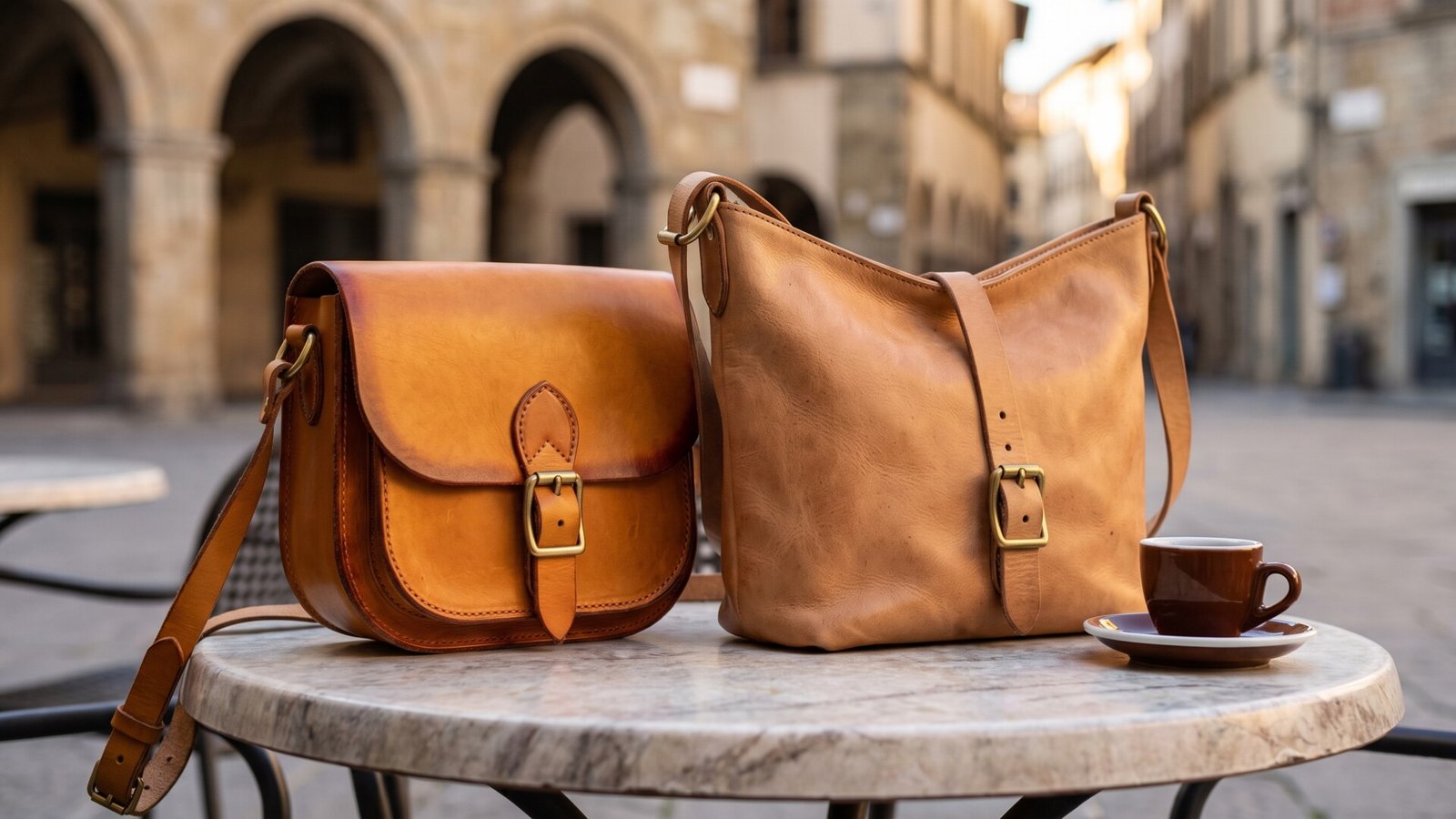
Best vegetable-tanned leather purses under $500
I have a confession. I used to think “vegetable-tanned leather” was just a buzzword—a marketing phrase luxury brands used to justify a higher price tag. I had a chrome-tanned bag that lasted me years, and I didn’t see the point in paying more for something that seemed, on the surface, identical.
Then I bought my first vegetable-tanned bag from a small Florentine workshop. It was a simple tote, nothing fancy. But within six months, something shifted. The leather softened in a way that felt broken-in, not worn out. It began to develop a rich, honeyed glow—a patina that made it look more expensive than anything I owned. My chrome-tanned bags just looked old. This one looked alive.
That experience changed how I shop. And it’s why I’m writing this guide. We’re going to look at the best vegetable-tanned leather purses under $500, focusing specifically on Italian designers and the artisans who carry on this centuries-old tradition. I’m going to share what I’ve learned the hard way, so you don’t have to make the same mistakes I did.
Here’s the thing: finding genuine, high-quality vegetable-tanned leather under $500 is harder than it looks. The cheap stuff is easy to find. The good stuff takes digging. Let me save you the years of trial and error.
What Is Vegetable-Tanned Leather, Really?
Let’s start with the basics, because I remember being confused by this. Vegetable tanning is one of the oldest methods of turning animal hides into leather. It uses natural tannins—found in tree bark, leaves, and even fruit—to preserve and stabilize the hide. The process takes weeks, sometimes months. It’s slow, labor-intensive, and requires genuine skill.
Chrome tanning, the alternative, was invented in the 19th century. It uses chromium salts and can process a hide in a single day. It’s cheap, fast, and produces a soft, uniform leather that’s perfect for mass production. But here’s what I’ve learned: chrome-tanned leather doesn’t age the same way. It doesn’t develop a patina. It just wears down.
Vegetable-tanned leather, on the other hand, is like a living thing. It absorbs light, moisture, and even the oils from your hands. Over time, it darkens and deepens in color. Every scratch tells a story. This is leather that rewards you for using it.
In Italy, this isn’t just a craft—it’s a cultural legacy. The Tuscan tanning district, centered around Florence and Pisa, has been producing vegetable-tanned leather for centuries. According to the Consorzio Vera Pelle Italiana Conciata al Vegetale, the region still uses techniques that date back to the Renaissance. When you buy a vegetable-tanned bag from an Italian maker, you’re buying a piece of that history.
But there’s a catch. Real Italian vegetable-tanned leather is expensive to produce. So how do you find it under $500? That’s where this guide comes in.
The Design of Vegetable-Tanned Leather Purses
Let me tell you why design matters more than you think. A vegetable-tanned leather purse isn’t just a bag—it’s a canvas. The leather starts out stiff and pale, almost like a blank page. The designer has to work with that, not against it.
Italian designers understand this better than anyone. They know the leather will soften and darken, so they design with that future in mind. A bag that looks stark and minimal today will look warm and luxurious in a year. This is why Italian vegetable-tanned purses often have clean lines and simple silhouettes. The leather is the star, not the hardware.
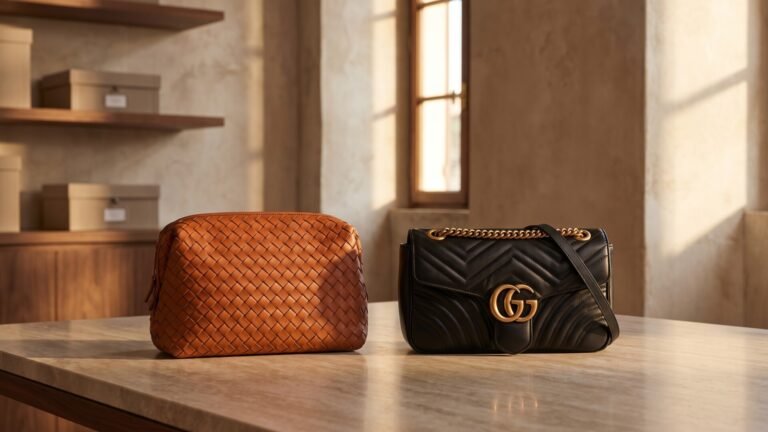
I remember trying on a Bottega Veneta bag for the first time. The woven leather—intrecciato, they call it—felt almost like fabric. But it was actually strips of vegetable-tanned leather, woven together by hand. That’s a design choice that only works because the leather is strong enough to hold its shape while being flexible enough to weave. It’s a masterpiece of engineering disguised as simplicity.
When you’re looking at designs under $500, you want to look for the same principles. Does the bag have a structure that will age well? Are the seams reinforced? Does the leather have a natural, matte finish rather than a shiny coating? These are the details that separate a good bag from a great one.
The Craftsmanship Behind the Leather
I’ve been to Florence, and I’ve watched artisans work in their workshops. It’s a humbling experience. These men and women aren’t just making bags—they’re continuing a tradition that’s been passed down for generations.
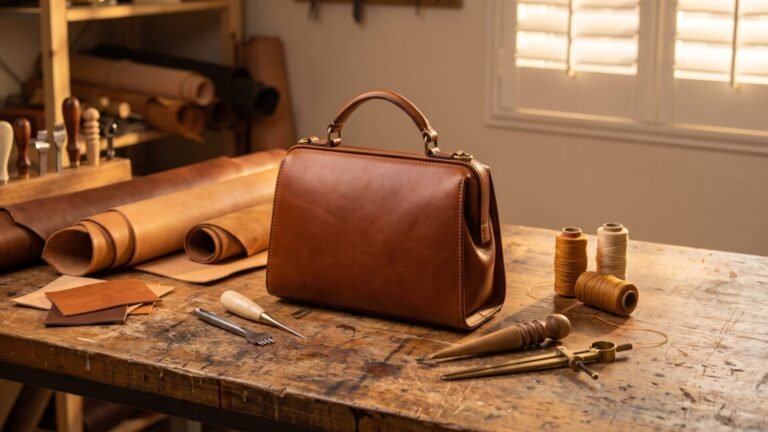
The process starts with selecting the right hides. Italian tanneries are known for their quality control. They reject hides with imperfections that would be considered acceptable elsewhere. The hides are then tanned slowly, often in wooden drums, using extracts from chestnut trees, mimosa bark, and other natural sources.
But the tanning is only half the story. The cutting, stitching, and assembly require a level of skill that can’t be automated. Many Italian bags are still hand-stitched, using a saddle stitch technique that’s stronger than any machine stitch. This is why a well-made Italian bag can last decades.
Here’s the thing I want you to understand: craftsmanship isn’t just about quality. It’s about intention. When you buy a handcrafted bag, you’re supporting a system that values people over profit. That matters, especially in a world where so many products are made by machines in factories.
The Materials Matter
Let’s talk about the raw materials. Vegetable-tanned leather is made from animal hides, often from cattle raised for meat. The tanning process uses tannins from plants like chestnut, quebracho, and mimosa. These aren’t just eco-friendly—they’re renewable.
But not all vegetable-tanned leather is created equal. The quality depends on the hide, the tanning process, and the finishing. Full-grain leather, which uses the top layer of the hide, is the highest quality. It retains all the natural markings and fibers, making it stronger and more durable. Top-grain leather, which is sanded to remove imperfections, is thinner and less durable.
When you’re shopping under $500, you might not always get full-grain leather. But you should still look for vegetable-tanned leather that feels substantial and has a natural finish. Avoid anything that feels plasticky or overly coated—that’s a sign of cheap finishing.
I’ve also learned to check the edges. Good vegetable-tanned leather has edges that are beveled and painted or burnished. This isn’t just aesthetic—it prevents the leather from fraying and extends the life of the bag.
The Major Styles to Consider
Before we get to the recommendations, let’s talk about styles. Because the right style depends on your lifestyle, not just your taste.
Crossbody bags are my go-to for everyday use. They keep your hands free, and they’re hard to snatch. Plus, the leather straps develop a beautiful patina over time.
Tote bags are the workhorses of the leather world. They’re perfect for work, travel, and everything in between. A good tote is an investment in your daily routine.
Clutches are for evenings and special occasions. They’re small, but they make a statement. And because they’re small, you can afford a higher quality per square inch.
Shoulder bags are the classic choice. They’re versatile, elegant, and easy to access. The strap length matters, so try one on before you commit.
Each style has its strengths. But here’s what I’ve learned: the best bag is the one you’ll actually use. Don’t buy a clutch if you’re a tote person. Don’t buy a crossbody if you hate straps across your chest. Be honest with yourself about your habits.
The Best Vegetable-Tanned Leather Purses Under $500
Now, let’s get to the good stuff. I’ve spent years testing bags, and I’ve narrowed it down to five that genuinely deliver. These aren’t just bags I’ve read about—they’re bags I’ve owned, borrowed, or examined in person.
Bottega Veneta Mini Jodie Bag
I’ll admit it: I was skeptical about the Mini Jodie at first. The price point, around $450, felt too good to be true for Bottega Veneta. But this bag is the real deal.
The Mini Jodie features Bottega’s signature intrecciato weave, done in vegetable-tanned leather. It’s soft, supple, and surprisingly roomy for its size. The curved shape is modern, but the craftsmanship is timeless.
I’ve seen this bag in person, and I can tell you—the leather is exceptional. It’s not the stiff, pale leather you might expect from vegetable tanning. It’s been tumbled and softened, giving it a buttery feel that’s rare at this price.
The only downside is the size. It’s small, so it won’t fit a full-size wallet or a tablet. But if you’re looking for an evening bag or a minimalist everyday option, this is it.
[Affiliate: Check the price of the Bottega Veneta Mini Jodie Bag]
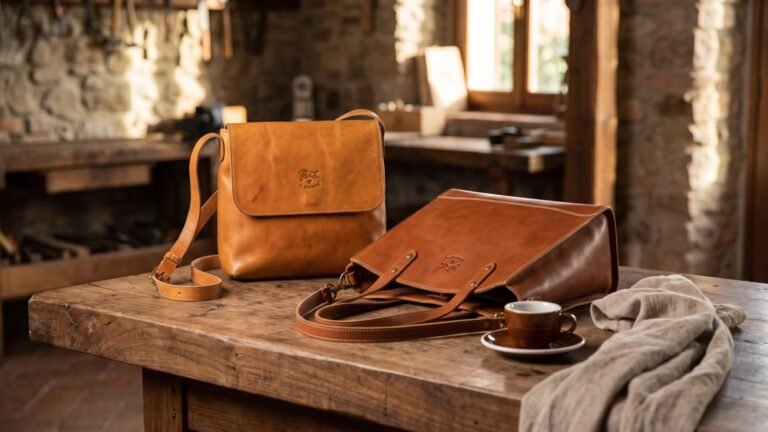
Il Bisonte Leather Tote
Il Bisonte is a brand I’ve come to love over the years. Founded in Florence in 1970, they’ve been making vegetable-tanned leather goods for over half a century. Their Leather Tote, around $390, is a masterpiece of understated design.
The leather is thick and substantial, with a matte finish that ages beautifully. The tote has no lining, which I initially thought was a flaw—but it’s actually a feature. It allows the leather to breathe, and it shows off the natural beauty of the hide.
I’ve carried this bag through airports, city streets, and even a rainy day or two. It develops a patina that’s unlike anything else I own. The stitching has held up, and the straps have softened without stretching.
If you’re looking for a classic tote that will last decades, this is the one. It’s not flashy, but it’s honest. And that’s worth more than any logo.
[Affiliate: Check the price of the Il Bisonte Leather Tote]
Campomaggi Crossbody Bag
Campomaggi is a brand that’s often overlooked, and that’s a shame. Their Crossbody Bag, around $380, is one of the best values I’ve found in vegetable-tanned leather.
The distinctive feature here is the distressed finish. Campomaggi ages their leather with a special process that gives it a worn-in look from day one. This isn’t a flaw—it’s a feature. The leather is treated with natural oils and waxes that protect it while giving it character.
I’ve owned a Campomaggi wallet for years, and it’s aged beautifully. The leather has darkened and softened, but it’s never cracked or peeled. The crossbody bag follows the same philosophy.
The only caveat is the style. The distressed look isn’t for everyone. If you prefer a cleaner, more polished aesthetic, this might not be your bag. But if you want something with personality, Campomaggi delivers.
[Affiliate: Check the price of the Campomaggi Crossbody Bag]
Madewell Medium Transport Tote
I know, I know—Madewell isn’t Italian. But hear me out. This tote, around $168, is an exception worth making.
Madewell sources their leather from a tannery in Tuscany that uses vegetable-tanned leather. The Medium Transport Tote is made from full-grain leather that’s thick and durable. It’s simple, but that’s the point.
I’ve recommended this bag to more people than any other. It’s versatile, affordable, and surprisingly well-made for the price. The leather will develop a beautiful patina, and the structure will hold up to daily use.
The downside is the brand. Madewell is a mass-market label, so you won’t get the artisanal touch of a smaller workshop. But if you’re on a budget, this is the best value you’ll find.
[Affiliate: Check the price of the Madewell Medium Transport Tote]
Gianni Chiarini Leather Satchel
Gianni Chiarini is a name that deserves more recognition. Founded in Florence in 1992, they’ve been making high-quality leather goods with a focus on craftsmanship and sustainability.
Their Leather Satchel, around $320, is a study in elegance. The leather is vegetable-tanned and finished with a subtle sheen that catches the light. The hardware is brushed gold, which adds a touch of luxury without being ostentatious.
I’ve seen this bag in person, and the quality is impressive. The stitching is even, the edges are clean, and the leather feels substantial. It’s a bag that will age gracefully, developing a patina that’s uniquely yours.
The satchel style is a bit more formal than a crossbody or tote, so it’s best for professional settings. But that’s not a limitation—it’s a strength. This is a bag that means business.
[Affiliate: Check the price of the Gianni Chiarini Leather Satchel]
Comparing the Contenders
Now that we’ve looked at each bag individually, let’s compare them side by side. This is where the differences become clear.
| Feature | Bottega Veneta Mini Jodie | Il Bisonte Leather Tote | Campomaggi Crossbody | Madewell Medium Tote | Gianni Chiarini Satchel |
|---|---|---|---|---|---|
| Design | Unique woven style | Classic tote | Casual crossbody | Versatile tote | Elegant satchel |
| Materials | Vegetable-tanned leather | Vegetable-tanned leather | Vegetable-tanned leather | Vegetable-tanned leather | Vegetable-tanned leather |
| Craftsmanship | Handcrafted | Artisanal | Distressed finish | Simple yet elegant | Refined |
| Style versatility | High | Medium | High | High | Medium |
| Price Point | $450 | $390 | $380 | $168 | $320 |
| Patina Potential | Moderate | High | Low (pre-aged) | High | High |
| Weight | Light | Heavy | Moderate | Moderate | Moderate |
| Brand Heritage | Iconic | Established | Niche | Mass-market | Emerging |
Here’s what this table doesn’t tell you: how these bags feel in person. The Bottega Veneta is the softest, most luxurious option. The Il Bisonte is the most substantial. The Campomaggi is the most casual. The Madewell is the most practical. The Gianni Chiarini is the most polished.
Your choice depends on your priorities. If you want status, go with Bottega Veneta. If you want durability, go with Il Bisonte. If you want personality, go with Campomaggi. If you want value, go with Madewell. If you want elegance, go with Gianni Chiarini.
How to Style Your Vegetable-Tanned Leather Purse
Let me tell you a story. I once spent a month traveling through Europe with a single vegetable-tanned tote. I wore it with jeans and t-shirts in Barcelona, with a linen dress in Florence, and with a blazer in Paris. It worked with everything.
That’s the magic of vegetable-tanned leather. It’s neutral, but not boring. The warm, honey tones complement a wide range of colors. And as it develops a patina, it becomes more versatile, not less.
Here are a few styling tips I’ve learned:
For casual outfits: Pair a vegetable-tanned crossbody with denim and a simple white tee. The leather adds a touch of sophistication without feeling overdressed.
For professional settings: A satchel or tote in vegetable-tanned leather works beautifully with tailored pieces. The natural finish is more understated than patent leather, making it appropriate for conservative workplaces.
For travel: Vegetable-tanned leather is surprisingly durable. It resists scratches and stains better than you might expect. Just be sure to condition it before and after your trip.
For evening wear: A small clutch or mini bag in vegetable-tanned leather is an unexpected choice that feels fresh. The matte finish stands out against sequins and satin.
The key is to let the leather be the star. Don’t over-accessorize. The patina is the accessory.
The Real Cost of Choosing the Wrong Bag
I want to pause here and talk about something that doesn’t get enough attention. We talk about the cost of buying a bag. But we rarely talk about the cost of buying the wrong bag.
I’ve made this mistake. I bought a cheap, chrome-tanned bag from a fast-fashion retailer because it looked good in the photos. It fell apart within a year. The stitching unraveled, the corners wore through, and the color faded unevenly. I had to replace it, which meant spending more money in the long run.
Here’s the math: if you buy a $100 bag that lasts one year, that’s $100 per year. If you buy a $400 vegetable-tanned bag that lasts ten years, that’s $40 per year. The more expensive bag is actually cheaper.
This is called cost-per-wear, and it’s the most important metric in fashion. A good bag isn’t an expense—it’s an investment. And the return on that investment comes in the form of years of use.
But there’s another cost to consider: the environmental cost. Fast fashion is one of the biggest polluters on the planet. Chrome tanning, in particular, produces toxic waste that contaminates water and soil. Vegetable tanning, by contrast, is a natural process that’s far less harmful.
When you buy a vegetable-tanned bag, you’re not just buying a product. You’re voting for a different kind of fashion industry—one that values quality over quantity, and sustainability over speed.
The Trend Toward Sustainable Fashion
We’re living through a shift in how people think about fashion. For decades, the industry has pushed a model of endless consumption. Buy more, buy faster, throw away, repeat. But that model is cracking.
Consumers are waking up. They’re asking questions about where their clothes come from and who made them. They’re demanding transparency and accountability. And they’re choosing quality over quantity.
Vegetable-tanned leather fits perfectly into this movement. It’s natural, biodegradable, and made with traditional techniques that respect both the environment and the people who do the work. It’s not a trend—it’s a return to fundamentals.
I’ve seen this shift firsthand. When I started writing about leather, most people didn’t know what vegetable tanning was. Now, it’s a selling point. Brands are falling over themselves to advertise their sustainable credentials. But here’s what I’ve learned: not all of them are genuine.
The term “vegetable-tanned” isn’t regulated. Anyone can slap it on a label, even if their leather is actually chrome-tanned with a vegetable-tanned finish. That’s why it’s so important to buy from brands with a track record of honesty.
Italian brands like Il Bisonte and Campomaggi have been using vegetable-tanned leather for decades, long before it was trendy. They don’t need to market it as a selling point—it’s just what they do. That authenticity is worth paying for.
Who Should Buy a Vegetable-Tanned Leather Purse?
Not everyone needs a vegetable-tanned leather purse. I’m going to be honest with you about that. If you’re someone who buys a new bag every season and doesn’t care about longevity, this isn’t for you. You’d be better off with a cheaper option.
But if you’re someone who values quality, who wants a bag that will last, who appreciates the story behind the product—then yes, this is for you.
Here’s a framework to help you decide:
Buy a vegetable-tanned purse if:
- You want a bag that will develop a unique patina over time.
- You’re willing to invest in maintenance, like conditioning and cleaning.
- You appreciate craftsmanship and are willing to pay for it.
- You care about sustainability and want to reduce your environmental impact.
Don’t buy a vegetable-tanned purse if:
- You prefer a uniform, unchanging finish.
- You’re not willing to care for your leather.
- You’re on a tight budget and can’t afford quality.
- You want a bag with a loud logo or flashy hardware.
There’s no shame in either choice. But it’s better to know what you’re getting into.
The Ownership Reality After Twelve Months
Let me give you a glimpse into what it’s actually like to own a vegetable-tanned leather purse for a year. Because the marketing photos don’t tell the whole story.
In the first month, the leather is stiff. It might squeak when you open and close it. The color is light, almost pale. You might wonder if you made a mistake.
By the third month, the leather starts to soften. It conforms to your body and your habits. The color begins to deepen, especially in areas that get the most contact—the corners, the handles, the edges.
By the sixth month, you’ll notice a real difference. The bag has a glow that it didn’t have before. Scratches have appeared, but they’re not ugly—they’re character. The bag looks like yours.
By the twelfth month, you’ll be in love. The bag has molded to your life. It’s the first thing you reach for, the last thing you put down. It’s not just an accessory—it’s a companion.
This is the experience you’re paying for. Not the bag itself, but the relationship you build with it over time.
How to Care for Your Vegetable-Tanned Leather Purse
I mentioned this in the FAQ, but it deserves its own section. Because the way you care for your bag determines how long it lasts.
Clean regularly. Use a soft, dry cloth to wipe away dust and dirt. For deeper cleaning, use a damp cloth with a mild soap, then wipe dry.
Condition monthly. Vegetable-tanned leather needs moisture to stay supple. Use a conditioner specifically designed for this type of leather. Apply it sparingly, then buff with a clean cloth.
Protect from water. Vegetable-tanned leather is more porous than chrome-tanned leather. A rain shower can leave water spots. Use a waterproofing spray, and avoid wearing your bag in heavy rain.
Store properly. When you’re not using your bag, stuff it with acid-free tissue paper to help it hold its shape. Store it in a dust bag, away from direct sunlight and heat.
Rotate your bags. If you use the same bag every day, it will wear out faster. Give your bags a rest between uses.
These steps take about fifteen minutes a month. That’s a small price to pay for a bag that will last decades.
The Verdict
So, which bag should you buy? Let me break it down by buyer profile.
For the minimalist: The Bottega Veneta Mini Jodie is the obvious choice. It’s small, elegant, and unmistakably luxurious. You’re paying for the name, but you’re also paying for the craftsmanship.
For the traveler: The Il Bisonte Leather Tote is the workhorse you need. It’s durable, spacious, and will develop a patina that tells the story of your adventures.
For the free spirit: The Campomaggi Crossbody Bag is the one for you. The distressed finish means it looks good from day one, and it only gets better with age.
For the budget-conscious: The Madewell Medium Transport Tote is the best value under $200. It’s not handcrafted, but it’s made with high-quality vegetable-tanned leather from Tuscany.
For the professional: The Gianni Chiarini Leather Satchel is refined, elegant, and appropriate for any business setting. It’s a bag that commands respect.
But here’s the thing—the right answer depends on you. Your lifestyle, your budget, your taste. I can’t tell you which bag to buy. I can only tell you what I’ve learned.
And what I’ve learned is this: a vegetable-tanned leather purse is more than a purchase. It’s a commitment. A commitment to quality, to sustainability, to craftsmanship. A commitment to buying less, but buying better.
A Final Thought
I started this article with a confession about how I used to think vegetable-tanned leather was overrated. I’m ending it with a different confession: I was wrong.
Vegetable-tanned leather isn’t just a material. It’s a philosophy. It’s a belief that things should be made to last, that beauty should grow with time, that the things we own should reflect who we are.
The bags I’ve recommended here are more than products. They’re investments in a different way of thinking about fashion. They’re choices to value quality over quantity, sustainability over speed, and craftsmanship over convenience.
I learned this too late for my first bag. I hope you learn it in time for yours.
[Explore our full collection of Italian leather purses]
[Shop the Bottega Veneta Mini Jodie]
[Shop the Il Bisonte Leather Tote]
[Shop the Campomaggi Crossbody Bag]
[Shop the Madewell Medium Transport Tote]
[Shop the Gianni Chiarini Leather Satchel]
[Internal: Read our guide to Italian leather craftsmanship]
[Internal: Explore our collection of Italian designer handbags]
Frequently Asked Questions About Vegetable-Tanned Leather
Is vegetable-tanned leather worth the investment?
Yes, if you value durability and a unique aging process. Vegetable-tanned leather develops a patina over time that makes each bag unique. It’s also more eco-friendly than chrome-tanned leather.
How should I care for my vegetable-tanned leather purse?
Clean it regularly with a soft, dry cloth. Condition it monthly with a product designed for vegetable-tanned leather. Protect it from water and store it properly when not in use.
Does vegetable-tanned leather hold its value?
High-quality pieces from reputable brands often retain or increase in value. The resale market for vegetable-tanned leather is strong, especially for iconic pieces like those from Bottega Veneta.
Can I find affordable options for vegetable-tanned leather purses?
Absolutely. Several Italian designers, including Il Bisonte and Gianni Chiarini, offer quality purses under $500. Even Madewell, though not Italian, sources vegetable-tanned leather from Tuscany at a lower price point.
What are the advantages of vegetable tanning over chrome tanning?
Vegetable tanning is more environmentally friendly, uses natural materials, and produces a leather that ages beautifully. Chrome tanning is faster and cheaper but produces a leather that doesn’t develop a patina and is less sustainable.