Italian Designer Brands: A Complete Guide to Italy’s Most Influential Fashion Houses
Italy is one of the undisputed capitals of global fashion. For decades, Italian designer brands have shaped how the world understands luxury, craftsmanship, and style — from couture runways in Milan to everyday wardrobes across continents.
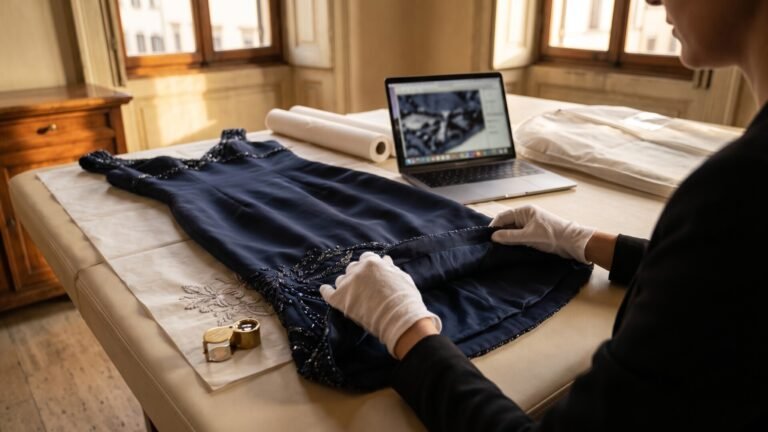
Unlike trend-driven fashion markets, Italian fashion is built on heritage, materials, and specialized regional craftsmanship. Many of today’s most recognizable luxury brands began as small family workshops focused on tailoring, leatherworking, or textile innovation. Over time, they evolved into global icons without abandoning their roots.
This guide serves as a central hub to the most important Italian designer brands — from established luxury houses to modern, culture-driven labels. Almost every brand mentioned here has a dedicated guide on ItalianDesignerVault.com, where you can explore collections, history, signature products, and buying advice in depth.
Ownership, creative-director and price details on this page were checked in October 2026. Fashion houses change designers and owners often, so treat these as a dated snapshot rather than permanent facts.
Italian Fashion Houses at a Glance
If you only need the basics — when a house was founded, where it comes from, what it is known for, and who designs it today — start with this table. Each name links to our full brand guide.
| Brand | Founded | Home base | Known for | Design lead (Oct 2026) | Group |
|---|---|---|---|---|---|
| Prada | 1913 | Milan | Nylon bags, intellectual minimalism | Miuccia Prada & Raf Simons | Prada Group |
| Gucci | 1921 | Florence | Horsebit, Bamboo handle, GG canvas | Demna | Kering |
| Loro Piana | 1924 | Quarona (Piedmont) | Cashmere, vicuña, Summer Walk loafer | — | LVMH |
| Fendi | 1925 | Rome | Baguette bag, fur and leather craft | Maria Grazia Chiuri | LVMH |
| Ferragamo | 1927 | Florence | Shoe construction, Gancini hardware | Maximilian Davis | Listed, family-controlled |
| Valentino | 1960 | Rome | Couture, Valentino red, Rockstud | Alessandro Michele | Mayhoola, with Kering stake |
| Bottega Veneta | 1966 | Vicenza (Veneto) | Intrecciato woven leather | Louise Trotter | Kering |
| Giorgio Armani | 1975 | Milan | Deconstructed tailoring, neutral palettes | Silvana Armani (Giorgio Armani line) | Armani Group |
| Versace | 1978 | Milan | Medusa, baroque prints, body-con glamour | Pieter Mulier | Prada Group |
| Moschino | 1983 | Milan | Irony, trompe-l’oeil, pop references | Loris Messina & Simone Rizzo | Aeffe |
| Dolce & Gabbana | 1985 | Milan | Sicilian imagery, lace, leopard, corsetry | Domenico Dolce & Stefano Gabbana | Founder-owned |
Why Italian Designer Brands Are Globally Respected
Italian fashion stands apart because it combines artistry with practicality. While French fashion often emphasizes haute couture and conceptual design, Italian brands traditionally focus on wearability, materials, and construction. (We unpack the contrast in detail in Italian vs French Fashion.)
Key characteristics of Italian designer brands include:
- Exceptional craftsmanship rooted in regional specialization
- Family-owned heritage spanning generations
- High-quality materials, especially leather, wool, silk, and cashmere
- Timeless silhouettes balanced with seasonal innovation
- Strong identity, whether classic, avant-garde, or street-influenced
Italy’s fashion ecosystem thrives because design, production, and innovation often happen within the same regions — ensuring control over quality at every stage.
One caution for buyers: “Made in Italy” is a label applied product by product, not a guarantee that covers everything a brand sells. A house can make its bags in Tuscany and source sunglasses, fragrance or entry-level items elsewhere, and family ownership has given way to group ownership at many of the biggest names. Check the label and the product page for the specific piece you are buying.
Italy’s Fashion Capitals and Regional Specialties
Italian fashion is deeply tied to geography. Each region contributes distinct skills and aesthetics that influence the brands born there.
Milan: The Global Luxury Powerhouse
Milan is the epicenter of Italian luxury fashion. It is home to many of the world’s most influential designer brands and hosts Milan Fashion Week, one of the “Big Four” fashion weeks globally.
Brands associated with Milan are often defined by:
- Tailoring excellence
- Luxury ready-to-wear
- Sophisticated minimalism or bold glamour
Prada, Armani, Versace, Dolce & Gabbana, Moschino and Etro are all Milan houses, as are newer labels such as Sunnei, GCDS and The Attico. Moncler, despite its French origins, has been run from Milan since 2003.
Florence & Tuscany: Leather and Artisanal Heritage
Florence and the surrounding Tuscan region are renowned for:
- Premium leather goods
- Shoemaking traditions
- Artisanal workshops
Many of Italy’s finest leather accessories originate here. Gucci and Ferragamo were both founded in Florence, and the city is also home to leather specialists such as Il Bisonte and The Bridge. For the tannery side of the story, see Italian Leather Craftsmanship.
Veneto & Marche: Footwear Excellence
These regions are famous for:
- Handcrafted luxury shoes
- Family-run factories
- Precision construction techniques
Several elite footwear brands operate from these areas. Santoni and Tod’s are Marche companies, Bottega Veneta was founded in Vicenza in the Veneto, and Golden Goose started in Venice. Nearby Emilia-Romagna adds the women’s shoe district of San Mauro Pascoli, the home of Sergio Rossi and Gianvito Rossi. Our Italian Designer Shoes guide covers the construction methods these makers use.
Rome & Southern Italy: Cultural Expression
Rome and southern regions contribute:
- Dramatic design language
- Couture-level embellishment
- Mediterranean influences
Fendi, Valentino and the tailoring house Brioni are Roman, while Naples is the home of soft Neapolitan tailoring and of Kiton. Dolce & Gabbana, though based in Milan, draws much of its imagery from Sicily.
Piedmont & Umbria: Wool, Cashmere and Quiet Luxury
The wool districts of Piedmont, around Biella, produced two of the most respected textile houses in the world: Zegna, founded in Trivero in 1910, and Loro Piana, founded in Quarona in 1924. In Umbria, Brunello Cucinelli built his cashmere company around the restored hamlet of Solomeo. These three are the backbone of what is now called Italian quiet luxury — see our guide to Italian quiet luxury for how they compare.
Core Italian Designer Brands (Existing Sub-Hubs)
The following brands already have dedicated sub-hub articles published on ItalianDesignerVault.com. Each represents a distinct chapter in Italy’s fashion story.
Versace
Versace is synonymous with bold glamour, sensuality, and unmistakable visual identity. Founded by Gianni Versace, the brand became famous for its fearless use of color, baroque motifs, and body-conscious silhouettes.
Today, Versace continues to balance heritage aesthetics with modern celebrity-driven appeal, remaining one of the most recognizable Italian luxury brands worldwide.
The house has changed more in the last two years than in the previous quarter-century. Donatella Versace stepped back from creative direction in March 2025 to become brand ambassador, the Prada Group completed its acquisition of Versace in December 2025, and former Alaïa designer Pieter Mulier became chief creative officer on July 1, 2026.
Explore the Versace brand sub-hub
Giorgio Armani
Giorgio Armani redefined modern elegance by introducing relaxed tailoring and neutral color palettes that emphasized confidence without excess.
Armani’s influence extends far beyond fashion into lifestyle, interiors, and hospitality. The brand’s minimalist sophistication has shaped men’s and women’s fashion for decades.
Giorgio Armani died in September 2025 at the age of 91, having run his company independently for half a century. His niece Silvana Armani now designs the Giorgio Armani line, while Dario Vitale has been named creative director of Emporio Armani and Giorgio Armani accessories.
Explore the Giorgio Armani brand sub-hub
Missoni
Missoni is celebrated for its vibrant knitwear, zigzag patterns, and artistic use of color. The brand’s textiles are instantly recognizable and deeply tied to Italian craftsmanship.
Missoni represents the intersection of fashion and art, where fabric innovation becomes the main design language. Ottavio and Rosita Missoni started the business in 1953, and the knit itself — rather than a logo — remains the way most people recognize it.
→ Explore the Missoni brand sub-hub
Prada
Prada stands at the crossroads of intellectual fashion and luxury. Known for redefining “ugly chic,” the brand consistently challenges traditional ideas of beauty and femininity.
With roots in leather goods and a reputation for conceptual runway collections, Prada remains one of the most influential fashion houses in the world.
Founded in Milan in 1913, Prada is designed today by Miuccia Prada and Raf Simons as co-creative directors. The Prada Group also owns Miu Miu and, since December 2025, Versace — which makes it the largest Italian-owned luxury group.
Explore the Prada brand sub-hub
GCDS
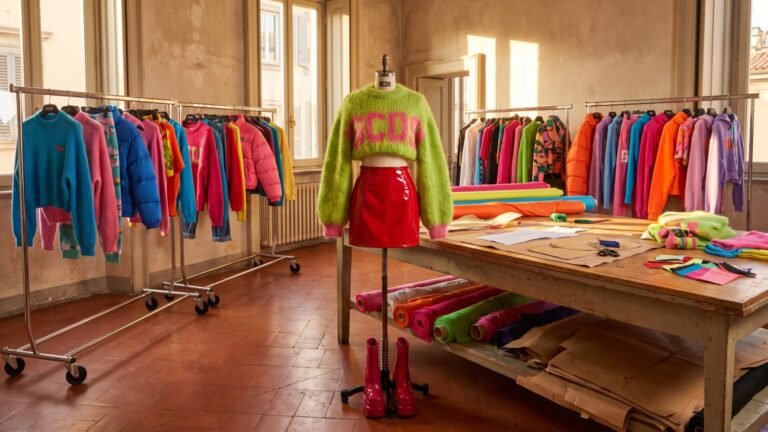
GCDS represents the modern, street-driven evolution of Italian fashion. Bold graphics, ironic messaging, and pop-culture references define the brand’s identity.
It reflects how Italian design continues to adapt to younger, digitally native audiences while maintaining a strong creative point of view. The name stands for Giuliano Calza Design Studio, after its founder.
Explore the GCDS brand sub-hub
The Attico
The Attico blends luxury with nightlife-inspired glamour. Known for statement silhouettes, bold textures, and confident femininity, the brand has quickly gained international attention.
It exemplifies how new Italian labels can rise rapidly through strong visual identity and cultural relevance. Giorgia Tordini and Gilda Ambrosio founded it in Milan in 2016.
Explore The Attico brand sub-hub
Sunnei
Sunnei is a contemporary Italian fashion brand known for its playful experimentation, bold color palettes, and unconventional approach to everyday silhouettes. Founded in Milan, Sunnei challenges traditional luxury norms by blending minimalism with irony, creating collections that feel both conceptual and wearable.
The brand has gained international recognition for its fresh runway presentations and strong visual identity, making Sunnei one of the most exciting modern voices in Italian designer fashion. That reputation reached the establishment in June 2026, when founders Loris Messina and Simone Rizzo were named creative directors of Moschino.
Explore Sunnei brand sub-hub
Fendi
Fendi blends Roman heritage with modern luxury, known for its innovative fur, leather, and accessories. The house combines craftsmanship with bold design, making every piece unmistakably Fendi.
From iconic handbags to ready-to-wear and footwear, Fendi defines Italian sophistication with creativity and style. Explore our full Fendi sub-hub to dive deeper into the brand’s history and products.
Edoardo Fendi and Adele Casagrande opened the house in Rome in 1925, and it has belonged to LVMH since the early 2000s. In late 2025 Silvia Venturini Fendi, creator of the Baguette, became honorary president, and Maria Grazia Chiuri — who worked on Fendi accessories in the 1990s before Valentino and Dior — returned as chief creative officer, showing her first collection in February 2026.
Explore Fendi brand sub-hub
Loro Piana
Loro Piana is the gold standard of quiet Italian luxury, known for its exceptional cashmere, fine wool, and expertly crafted leather goods. Every piece reflects meticulous attention to detail, timeless design, and the brand’s commitment to superior materials and craftsmanship.
From shoes and handbags to scarves, coats, and knitwear, Loro Piana combines elegance with comfort and understated style. Explore our full Loro Piana hub to dive deeper into the brand’s products, heritage, and enduring influence in Italian fashion.
Its best-known product is arguably not a sweater but a shoe: the Summer Walk suede loafer, which retailed at around $980 in plain suede in the US at the time of writing. LVMH has owned a majority of the company since 2013. For more cashmere-led alternatives, see Falconeri and Luca Faloni.
Explore Loro Piana brand sub-hub
Gucci
Gucci is one of Italy’s most iconic fashion houses, known for blending heritage craftsmanship with bold, modern design. From its signature handbags and shoes to eclectic ready-to-wear and accessories, Gucci defines what it means to be a global luxury brand.
Guccio Gucci opened his Florence leather shop in 1921, and the horsebit and bamboo handle both date from the house’s mid-century years. Gucci is owned by Kering; Demna, formerly of Balenciaga, became creative director in 2025 and showed his first runway collection for the house in February 2026.
Explore our Gucci sub-hub to dive deeper into the brand’s history, iconic products, and cultural influence. Discover everything from timeless handbags and statement shoes to the creative vision that keeps Gucci at the forefront of Italian fashion.
Bottega Veneta
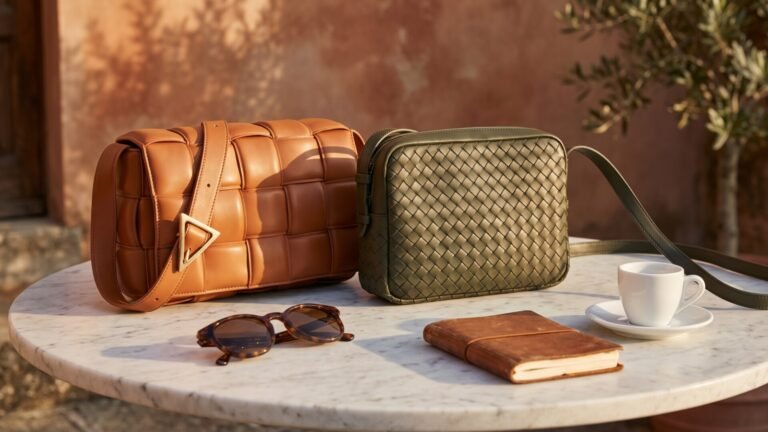
Bottega Veneta is one of Italy’s most refined luxury houses, renowned for its exceptional craftsmanship, understated design, and signature intrecciato leather weaving. Rather than relying on prominent logos or fleeting trends, the brand emphasizes quality, construction, and timeless style. Its modern reinvention has further strengthened its reputation for quiet luxury, earning it a devoted following among fashion insiders.
Founded in Vicenza in 1966 and owned by Kering, the house has been designed by Louise Trotter since early 2025, after Matthieu Blazy left for Chanel. Intrecciato is made by cutting leather into strips and weaving them by hand; the woven Andiamo bag, introduced under Blazy, retailed from roughly €3,800 for the small size to around €5,800 for larger versions in Europe at the time of writing.
Explore Bottega Veneta brand sub-hub
Major Italian Designer Brands
The following brands are essential pillars of Italian fashion. Each has its own in-depth guide on ItalianDesignerVault.com, linked below.
Salvatore Ferragamo
Ferragamo is rooted in footwear excellence and Hollywood glamour. The brand is known for innovation in shoe construction, elegant leather goods, and refined ready-to-wear.
Salvatore Ferragamo made shoes for film stars in California before settling in Florence in 1927, and the Gancini horseshoe hardware remains the house signature. British designer Maximilian Davis has been creative director since 2022.
Explore our Salvatore Ferragamo brand hub
Tod’s
Tod’s is synonymous with luxury driving shoes and refined casual elegance. The brand represents Italian lifestyle fashion rooted in comfort, quality, and timeless design.
The signature piece is the Gommino, a driving moccasin with a pebbled rubber sole; full US retail sat roughly between $695 and $775 depending on leather at the time of writing. The company is run by the Della Valle family from the Marche.
Explore the Tod’s profile page.
Santoni
Santoni specializes in handcrafted luxury footwear, showcasing meticulous attention to detail, premium leathers, and traditional shoemaking techniques.
Andrea Santoni founded the company in Corridonia, in the Marche, in 1975. It is best known for hand-burnished colour on its dress shoes and loafers, and is a natural alternative to Officine Creative for buyers who prefer a cleaner, more formal look.
Explore the Santoni profile page.
Golden Goose
Golden Goose blends luxury with a worn-in, casual aesthetic. Famous for distressed sneakers, the brand has redefined modern Italian casual luxury. Francesca Rinaldo and Alessandro Gallo launched it in Venice in 2000.
Explore the Golden Goose profile page.
Brunello Cucinelli
Brunello Cucinelli embodies “humanistic capitalism” and refined luxury. Known for exceptional cashmere and neutral palettes, the brand represents quiet elegance and ethical production. Cucinelli founded the company in 1978 and runs it from Solomeo, in Umbria.
Explore our Brunello Cucinelli brand hub
Dolce & Gabbana
Dolce & Gabbana celebrates Italian heritage, sensuality, and dramatic design. From Sicilian influences to bold prints, the brand delivers maximalist luxury rooted in tradition. Domenico Dolce and Stefano Gabbana founded it in Milan in 1985 and still design it themselves.
Explore our Dolce & Gabbana brand page
Additional Italian Designer Brands Worth Knowing
Beyond the most famous names, Italy is home to dozens of influential designers and luxury houses that shape niche markets and specialized categories.
Valentino
Known for romantic elegance and couture craftsmanship, Valentino remains a staple of red-carpet fashion and high luxury. Valentino Garavani opened the house in Rome in 1960; Alessandro Michele, formerly of Gucci, has been creative director since 2024.
Check our Valentino brand hub.
Etro
Etro is recognized for its paisley prints, bohemian luxury, and textile experimentation. Gimmo Etro founded it in Milan in 1968 as a textile business; investment firm L Catterton has held a majority since 2021, and creative director Marco De Vincenzo left in March 2026.
Moncler
Originally a performance outerwear brand, Moncler has evolved into a luxury fashion powerhouse blending technical design with high fashion. It was actually founded in France, in 1952, and takes its name from the Alpine village of Monestier-de-Clermont; Italian entrepreneur Remo Ruffini bought it in 2003 and moved it to Milan.
Take a look at our Moncler hub. For outerwear specialists, see also Herno and the suede jackets of Valstar.
Moschino
Moschino is known for playful, ironic, and provocative fashion that challenges industry norms. Franco Moschino founded it in 1983, and it belongs to the Aeffe group. After Adrian Appiolaza’s departure in June 2026, Sunnei’s Loris Messina and Simone Rizzo took over, with their first collection scheduled for Milan in September 2026.
Check our dedicated Moschino page.
Ermenegildo Zegna
Zegna represents Italian excellence in men’s tailoring and fine textiles, with a strong focus on sustainability and innovation. The company began as a wool mill in Trivero, Piedmont, in 1910 and still weaves its own cloth there.
Have a look at the Zegna brand hub.
Bold Italian Fashion Houses: The Maximalist Side of Italy
Italy is often sold abroad as the home of beige cashmere and unbranded loafers, but its most famous exports have always included a louder strand. If you are looking for a bold Italian fashion house, these are the names that define it:
- Versace — Medusa heads, Greca borders, baroque silk prints and cut-close silhouettes. The reference point for Italian glamour since 1978.
- Dolce & Gabbana — leopard, black lace, corsetry and Sicilian religious imagery.
- Moschino — fashion as a joke told well: trompe-l’oeil, slogans and pop references.
- Missoni and Etro — colour and pattern carried by the textile itself, zigzag knits and paisley.
- Valentino under Alessandro Michele — romantic, layered and archive-heavy maximalism.
- Newer voices: GCDS, The Attico and Sara Battaglia, whose fringe and saturated colour carry the same energy at a smaller scale.
Bold pieces date faster than quiet ones, so the usual advice applies: buy one statement item at a time and wear it with plain foundations. Our guide to emerging and niche Italian designers covers how to choose a statement piece you will still wear in three years.
Which Italian Luxury Houses Stay Closest to Traditional Methods?
“Traditional Italian methods” is a marketing phrase as often as it is a fact, so it helps to look for things you can check: whether a company owns its mills or workshops, whether it trains its own artisans, and whether the construction is visible in the product.
- Owning the cloth: Zegna still runs its wool mill in Trivero, and Loro Piana built its name on sourcing and processing rare fibres itself.
- Hand tailoring: Kiton (Naples) and Brioni (Rome, with workshops in Penne, Abruzzo) are known for suits with a high proportion of handwork; Canali offers a more accessible version of the same Italian tailoring tradition.
- Visible leather technique: Bottega Veneta’s hand-woven intrecciato, the hand-dyed and garment-treated leathers of Guidi and Giorgio Brato, and the vegetable-tanned bags of Il Bisonte.
- Shoemaking: Santoni, Officine Creative and Ferragamo each publish the construction methods they use, which makes their claims easier to verify.
None of this means that a group-owned house cannot make excellent products, or that a family firm always does. It means that the more a brand can show you about how a piece was made, the more weight its “Italian craftsmanship” claim deserves. Our list of top Italian leather brands applies the same test across the leather category.
Specialist Italian Makers Worth Knowing
Many of the most interesting Italian brands are specialists that do one category exceptionally well. They are often the best value on this site’s list, because you pay for the workshop rather than the advertising.
Leather goods and bags
Valextra (Milan) for minimalist structured leather; Il Bisonte and The Bridge (both Florence) for natural leathers that age visibly; Campomaggi for washed, vintage-look leather; Stewart for understated leather work; and Furla and Coccinelle as accessible entry points. Browse them by style in our Italian designer handbags hub.
Footwear
Sergio Rossi and Gianvito Rossi for women’s heels; Aquazzura for contemporary Florentine evening shoes; Officine Creative for rugged, hand-finished boots; and ATP Atelier, a Swedish-founded label that produces its sandals and loafers in Italy.
Tailoring, knitwear and outerwear
Kiton, Brioni and Canali for suits; Falconeri and Luca Faloni for cashmere below Loro Piana and Cucinelli prices; Herno for technical and down outerwear; and Valstar and Rifugio for suede and leather jackets. Our Italian designer clothing guide shows how these fit into a wardrobe.
Beyond fashion
Poltrona Frau applies Italian leather craft to furniture and car interiors rather than clothing, and is a useful reference for how upholstery leathers differ from those used in bags and shoes.
How Much Do Italian Designer Brands Cost?
Italian luxury spans a very wide price range. The signature pieces below give a sense of where each tier sits. Prices are approximate full retail at the time of writing (October 2026), vary by market and change often, so check the brand’s own site before buying.
| Tier | Example piece | Approx. full retail | What you are paying for |
|---|---|---|---|
| Accessible luxury | Furla 1927 mini or small crossbody | €300–€400 (Europe) | Leather bag with branded hardware; volume production |
| Core luxury footwear | Tod’s Gommino driving shoe | $695–$775 (US) | Signature design, Italian production, leather or suede choice |
| Quiet luxury | Loro Piana Summer Walk loafer | About $980 in plain suede (US) | Material, comfort, minimal branding |
| Top-tier leather goods | Bottega Veneta Andiamo | €3,800–€5,800+ by size (Europe) | Hand-woven intrecciato, house design, scarcity of discounts |
The jump between tiers is rarely explained by materials alone. Above a certain price you are paying for design authorship, brand position and how rarely the item is discounted. That is why specialist makers in the section above can offer comparable construction for less, and why the pre-owned market is worth considering for the top tier.
Categories of Italian Designer Brands
Italian fashion spans multiple luxury segments, each with its own leaders.
Luxury Ready-to-Wear
Leather Goods & Accessories
More in our Italian designer accessories guide.
Footwear Specialists
Knitwear & Textiles
Tailoring & Menswear
Contemporary & Street-Influenced Luxury
How to Choose the Right Italian Designer Brand
With this many names, the useful question is not “which brand is best” but “which brand is best at the thing I need”. A few rules of thumb:
- Buy each house’s signature category. Bottega Veneta for woven leather, Tod’s and Santoni for loafers, Loro Piana and Cucinelli for cashmere, Zegna and Kiton for tailoring, Moncler and Herno for down. Secondary categories often carry the same price with less of the expertise.
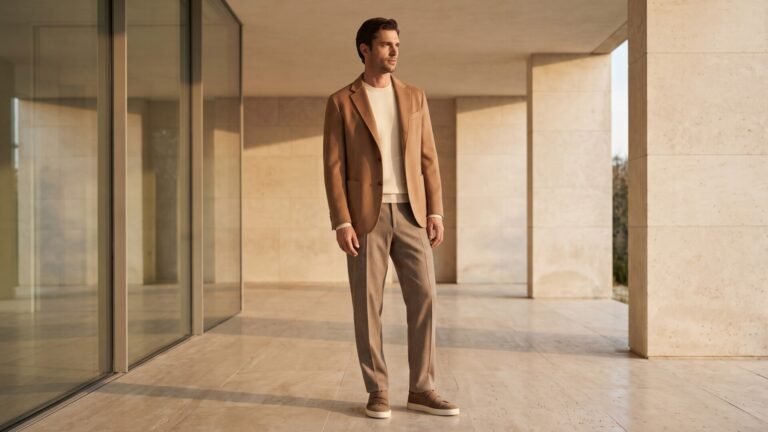
- Decide whether you want the logo. Gucci, Versace and Moschino sell recognition; Bottega Veneta, Loro Piana and the specialist makers sell construction you notice up close.
- Watch for design changes. A new creative director can change fit, proportions and even signature products within a season or two, as Gucci, Fendi, Versace and Moschino all showed in 2025–2026. If you love a specific era, the pre-owned market may serve you better.
- Buy from the brand or authorized retailers. For pre-owned pieces, use resellers that authenticate and offer returns, and keep receipts, cards and dust bags. No checklist can prove authenticity on its own.
How to Use This Hub
This page is designed as a navigation and authority hub. You can:
- Discover iconic Italian designer brands
- Explore brand histories and design philosophies
- Navigate to in-depth sub-hubs for each label
- Compare styles, categories, and positioning
As ItalianDesignerVault.com expands, new brands are added here with a link to their own dedicated, deeply researched sub-hub, creating a comprehensive internal knowledge network.
For context beyond individual brands, these guides go deeper:
- A short history of Italian luxury fashion houses
- Italian fashion designers — the people behind the labels
- Emerging and niche Italian designers
- Italian designer shoes, handbags, accessories and clothing
- Italian children’s fashion
Final Thoughts
Italian designer brands represent far more than luxury logos — they embody decades of craftsmanship, cultural identity, and design evolution. From historic fashion houses to bold contemporary labels, Italy continues to influence how the world defines style.
This hub will remain the central reference point for exploring Italian fashion on ItalianDesignerVault.com, connecting readers to every major brand, category, and style philosophy the country has to offer.
If you care about style and the planet, check out our Sustainable Italian Fashion Brands You Must Know guide. Discover designers and brands that combine Italian craftsmanship with ethical sourcing, eco-friendly materials, and timeless, conscious luxury.
Frequently Asked Questions About Italian Designer Brands
What are the most famous Italian designer brands?
The most widely recognized Italian fashion houses are Gucci, Prada, Versace, Giorgio Armani, Dolce & Gabbana, Fendi, Valentino and Bottega Veneta. For quiet luxury, Loro Piana, Brunello Cucinelli and Zegna are the best-known names, while Ferragamo, Tod’s and Santoni lead in footwear.
Which Italian luxury brands are owned by French groups?
As of October 2026, Gucci and Bottega Veneta belong to Kering, while Fendi and Loro Piana belong to LVMH. Kering also holds a significant minority stake in Valentino. Prada, which also owns Versace and Miu Miu, is the largest Italian-owned luxury group.
Who owns Versace now?
The Prada Group completed its acquisition of Versace in December 2025. Pieter Mulier, previously creative director of Alaïa, became Versace’s chief creative officer on July 1, 2026, reporting to executive chairman Lorenzo Bertelli.
Is Moncler an Italian brand?
Moncler was founded in France in 1952 and named after the Alpine village of Monestier-de-Clermont. Italian entrepreneur Remo Ruffini bought it in 2003, moved it to Milan and listed it on the Milan stock exchange in 2013, so today it is an Italian company with French origins.
What is the most affordable Italian designer brand?
Furla and Coccinelle are the usual entry points for Italian designer bags, with small Furla 1927 styles retailing at roughly 300 to 400 euros in Europe at the time of writing. For clothing, Falconeri and Luca Faloni offer Italian cashmere well below the prices of Loro Piana and Brunello Cucinelli.
What is a bold Italian fashion house?
Versace is the classic answer, followed by Dolce & Gabbana and Moschino. Missoni and Etro are bold through colour and pattern rather than silhouette, and newer labels such as GCDS, The Attico and Sara Battaglia carry the same maximalist energy.
Are all Italian designer products made in Italy?
No. ‘Made in Italy’ is a label applied to individual products, not a guarantee for everything a brand sells. Many houses make their core leather goods, shoes or tailoring in Italy but produce some categories, such as eyewear, fragrance or entry-level items, elsewhere. Check the label and product page for the specific piece.