Ermenegildo Zegna (Zegna): The Complete Guide to Italy‘s Quiet Luxury Menswear Empire
For years, I associated Italian luxury menswear with two extremes: stiff, uncomfortable suits that looked impressive but felt like armor, and hype-driven streetwear that seemed to change every season. I assumed the middle ground—the “wear every day” luxury—did not exist. Then I discovered Zegna.
The brand’s tailoring was soft, almost weightless. The fabrics breathed. The sneakers slipped on without fuss and looked just as polished with a suit as with jeans. There were no visible logos, no flashy monograms, just exceptional materials and quiet confidence. It felt like the uniform of men who had nothing to prove.
In 2026, Ermenegildo Zegna (now simply Zegna) stands as one of the most influential names in Italian menswear. It has evolved from a family‑owned wool mill in the Alps into a global quiet luxury powerhouse. This guide covers everything you need to know: the brand‘s century‑long history, its mastery of tailoring and materials, its iconic product categories, and why Zegna has become the definitive choice for men who value understated elegance.
The Origins of Zegna
Founding in Northern Italy
Zegna’s story begins in 1910, when 18‑year‑old Ermenegildo Zegna opened a wool mill in the small town of Trivero, nestled in the Biella province of the Italian Alps. His vision was audacious: to produce “the most beautiful fabrics in the world.”
In an era when British wool dominated the global market, young Ermenegildo saw an opportunity. He invested in cutting‑edge machinery, sourced the finest merino wool from Australia, and built relationships with breeders that would eventually lead to the creation of the Ermenegildo Zegna Wool Trophy, an award for the best Australian superfine merino wool. His ambition extended beyond commerce. He also began planting thousands of trees on the barren mountain slopes around his mill, creating what would become Oasi Zegna—a 100‑square‑kilometer nature reserve that embodied his belief that business and environmental stewardship could coexist.
The Wool Mill Legacy
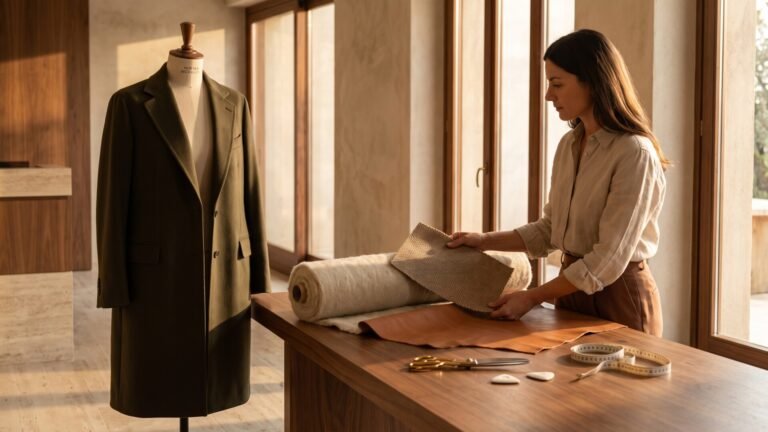
For decades, Zegna operated primarily as a textile supplier, providing fabrics to the world‘s most prestigious tailors. This vertical integration—controlling every step from raw fiber to finished cloth—became the brand’s secret weapon. Unlike fashion houses that buy fabrics from outside suppliers, Zegna understands fabric intimately because fabric is its foundation.
In 1963, the company established the Ermenegildo Zegna Wool Trophy, a prize that encouraged Australian breeders to produce ever‑finer merino wool. By the 1970s, Zegna had earned a reputation as a world‑leading name in fine textiles.
Expansion into a Global Luxury House
The transition from textile supplier to luxury fashion house began in the second half of the 20th century. Zegna introduced its legendary Made‑to‑Measure service and opened its first boutique outside Italy in Paris in 1980. In 1991, it became the first men’s luxury brand to open a wholly owned store in China, a bold move that presaged the country‘s luxury boom.
Today, Zegna remains in the hands of the founding family, now in its fourth generation, and is listed on the New York Stock Exchange. It has grown from a single wool mill into a global empire that encompasses ready‑to‑wear, accessories, footwear, and even haute couture.
Why Zegna Is the Definition of Quiet Luxury
Minimal Branding Philosophy
Zegna does not scream. The brand’s approach to luxury is rooted in the belief that quality should be felt, not seen. Instead of plastering logos on its products, Zegna relies on the integrity of its materials and the precision of its tailoring. The ’ZEGNA‘ script is discreet, often appearing only on an interior label or a small metal plaque.
This restraint has made Zegna a poster child for the quiet luxury movement. As one fashion writer noted, “the collection prioritizes tactile refinement, where craftsmanship is conveyed through feel and wearability rather than visible ornamentation.” Zegna positions itself as “gentle luxury,” where quality and intention replace excess.
Tailored Masculinity
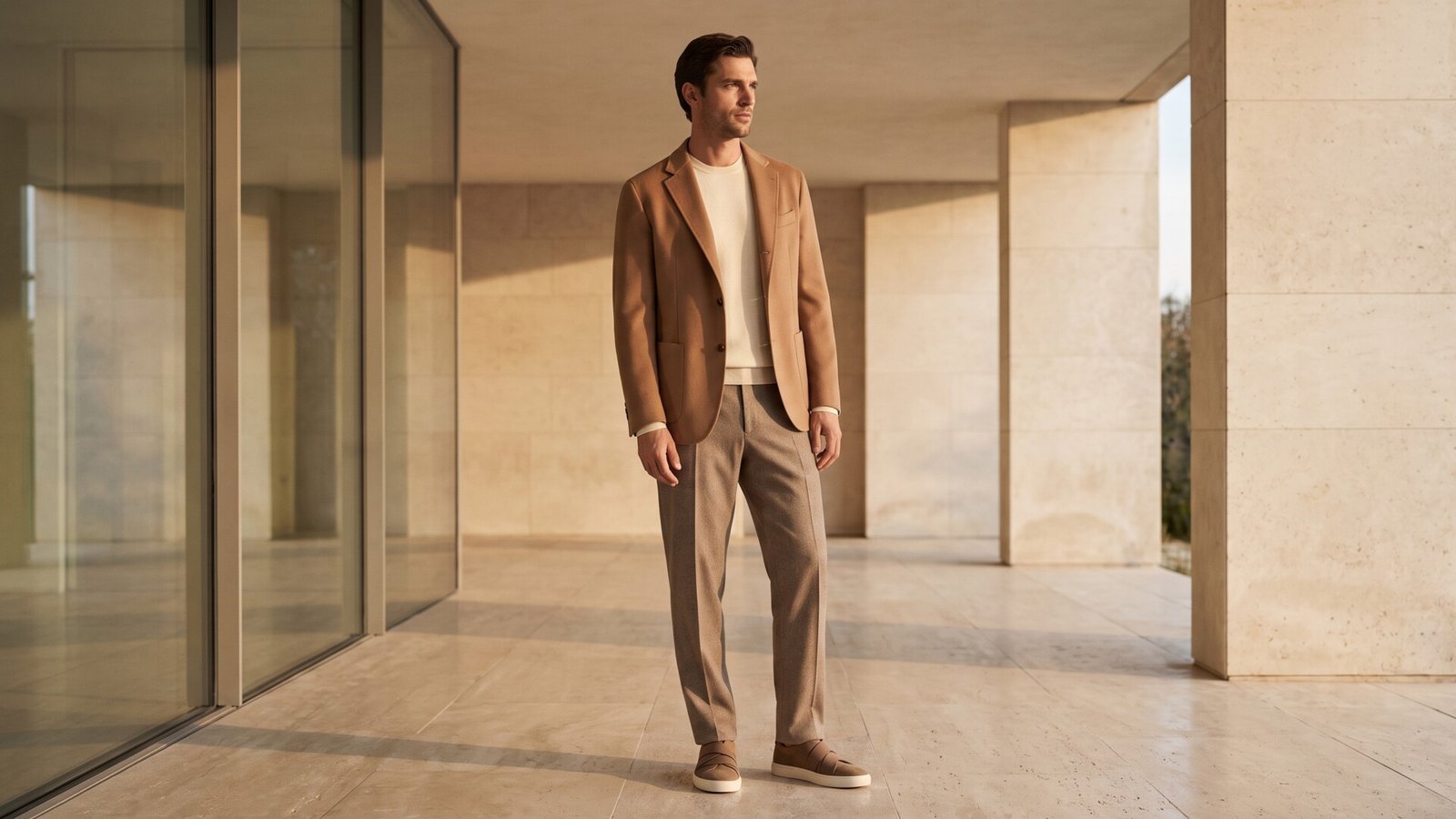
Zegna’s tailoring is refined but never rigid. Under the leadership of artistic director Alessandro Sartori, the house has pioneered a soft, unstructured silhouette that moves with the body. Shoulders are relaxed. Jackets are lightweight. Trousers have a fluid drape. It is menswear designed for real life—for walking, for traveling, for the man who refuses to be constrained by his clothes.
In Sartori‘s own words, his counterintuitive strategy was to “stop changing.” Rather than chasing seasonal trends, Zegna has focused on perfecting its core design language, creating clothes that “outlast time itself.”
The “Understated Wealth” Appeal
Zegna has become the uniform of executives, tech founders, and other high‑net‑worth individuals who value discretion over display. There is a reason Apple CEO Tim Cook and CNBC host Andrew Ross Sorkin have been spotted wearing Zegna’s Triple Stitch sneakers. The brand signals membership in a club where wealth is assumed and does not need to be announced.
Zegna‘s 2026 campaigns continue this theme. Its Summer 2026 campaign, shot on Lake Maggiore, was described as “an exercise in restraint — a continuation of its broader narrative around ‘gentle luxury.‘”
Why Zegna Stands Apart from Fashion‑Driven Luxury
Most luxury brands survive on novelty. They produce new “It” bags every season, generate hype through limited drops, and cycle through creative directors every few years. Zegna does none of that. Its focus is on longevity—crafting clothes that remain relevant for a decade or more. This steadfastness is precisely what has made it so appealing to men who have grown tired of the fashion hamster wheel.
Zegna’s Fabric and Material Innovation
The Importance of Textiles
Zegna‘s identity is built on fabric. Because the brand controls its own wool sourcing and production, it can experiment with materials in ways that other houses cannot. This vertical integration is a luxury advantage: when you buy a Zegna garment, you are buying not just a design, but the result of over a century of textile mastery.
Signature Materials
Zegna offers an extraordinary palette of materials:
- Fine Merino Wool – Sourced primarily from Australia, this is the foundation of Zegna‘s tailoring. The wool is exceptionally fine, soft, and breathable.
- Cashmere Blends – Zegna’s Oasi Cashmere line uses fibers that are 100% traceable, certified from goat to garment.
- Technical Luxury Fabrics – High‑performance materials that combine natural fibers with innovative finishes for travel‑friendly, wrinkle‑resistant clothing.
- Oasi Lino – A traceable linen line that represents the brand’s commitment to transparent, sustainable sourcing.
Sustainability and Responsible Sourcing
Zegna has made sustainability a core part of its mission. The Oasi Cashmere collection is central to the brand’s “Road to Traceability” initiative, which commits to certifying cashmere fibers as 100% traceable. Each item in the Oasi Cashmere line comes with a QR code that allows customers to trace the journey of the fibers from farming to finished garment.
The brand’s environmental commitment extends beyond sourcing. Oasi Zegna, the 100‑square‑kilometer nature reserve created by the founder, remains a living symbol of this philosophy. In 2025, Zegna launched the Oasi Zegna Global Initiatives, a worldwide program to plant and protect more than 500,000 trees by 2027.
Why Materials Define the Brand
Zegna is a fabric‑first brand. Unlike logo‑driven houses that rely on branding to create value, Zegna’s value is embedded in the cloth itself. The hand of a Zegna jacket, the drape of its trousers, the way its cashmere feels against the skin—these are the brand’s true signatures.
Zegna Tailoring: The Heart of the Brand
Italian Suiting Heritage
Zegna‘s tailoring philosophy is rooted in the Italian tradition of soft construction. Unlike British tailoring, which uses heavy canvassing and structured shoulders, Zegna suits are lightweight, flexible, and comfortable. They do not require a “break‑in” period. The unstructured shoulder construction and oversized lapels give the jackets a relaxed, contemporary feel.
Under Alessandro Sartori, Zegna has pushed this philosophy even further. The brand has created suits cut from cashmere jersey that offer “all the lightness and comfort of sweats.” These are suits that you can actually move in.
Made‑to‑Measure and Bespoke Influence
For the ultimate personalization, Zegna offers its Su Misura (made‑to‑measure) service. This allows customers to create custom‑made pieces with their choice of fabric, fit, and details. The service is available in Zegna boutiques worldwide.
At the very top of the pyramid is Zegna‘s bespoke tailoring. A custom bespoke suit requires 200 steps of hand tailoring and 150 pieces assembled over a minimum of 75 hours. This is couture‑level craftsmanship, reserved for the most discerning clients.
Modern Tailoring Evolution
Zegna has successfully blurred the line between formal and casual. The brand‘s Spring/Summer 2026 collection, titled “L’Oasi di Lino,” combined relaxed elegance with environmental responsibility. Suits are designed to be worn with shorts, deconstructed turtlenecks, or even zipped T‑shirts. This is not your grandfather‘s tailoring; it is tailoring for the modern, active lifestyle.
Why Zegna Tailoring Is Respected Worldwide
Zegna is respected not because it follows trends, but because it perfects essentials. The brand’s “Couture” suits are fully canvassed, hand‑cut, and hand‑sewn, crafted from the world’s most exclusive fabrics. Each garment takes over 33 hours to produce. This obsessive attention to detail is why Zegna remains a benchmark in the world of luxury menswear.
Zegna’s Most Important Product Categories
Tailoring and Suits
Suits remain the core identity of Zegna. The brand produces a wide range of silhouettes, from classic two‑button styles to relaxed, deconstructed jackets. Prices for off‑the‑rack suits typically start around $3,500 and can exceed $10,000 for premium fabrics and Couture construction.
Knitwear and Luxury Casualwear
Zegna‘s cashmere sweaters and knitwear are among the best in the industry. The Oasi Cashmere collection offers pieces made from 100% traceable fibers, with a price range of approximately $1,200 to 3,500. These are investment pieces that will last a decade or more.
Luxury Outerwear
Zegna produces technical luxury jackets that combine natural fibers with performance finishes. The brand‘s field jackets, trench coats, and lightweight bombers are designed for travel and all‑weather wear. Outerwear typically ranges from 2,500 to 6,000.
Footwear
Zegna’s footwear collection has become increasingly important to the brand‘s identity. The Triple Stitch sneaker is the modern icon, but Zegna also produces loafers, driving shoes, and luxury lace‑ups.
Leather Goods and Accessories
Zegna’s leather goods collection includes travel bags, briefcases, belts, and small leather accessories. A travel bag retails for approximately 2,800to3,500. Belts are priced around 500to1,000. These accessories carry the same commitment to quality as the clothing.
The Triple Stitch Sneaker: Zegna’s Modern Icon
Why It Became a Quiet Luxury Staple
The Triple Stitch sneaker is arguably Zegna‘s most recognizable product of the last decade. Its defining feature is the triple‑cross elastic strap, which replaces traditional laces and pays homage to the hand‑stitched details of Zegna tailored jackets. The shoe has no visible logos, just clean lines and exceptional materials.
The Triple Stitch has achieved cult status among executives and tastemakers. Business Insider has called it the “hottest shoe on Wall Street,” and The Wall Street Journal described it as “the most common shoe on private jets.” For the global elite, the Triple Stitch has become more than footwear; it is a subtle badge of membership.
Comfort and Versatility
Comfort is the Triple Stitch‘s superpower. The slip‑on design eliminates pressure points. The lightweight, flexible rubber sole provides all‑day support. The leather lining and cushioned insole make the shoe ideal for travel, office, and everyday wear.
The SECONDSKIN version of the Triple Stitch uses an ultra‑soft, glove‑like leather that is only 0.8 mm thick—thinner than a credit card—yet remarkably durable and resistant to creasing. It is “unbelievably soft and supple, possessing a ’memory‘ that learns and molds to your proportions, ensuring unrivalled comfort for daily wear, traveling and beyond.”
Comparison to Other Luxury Sneakers
Unlike hype‑driven sneaker culture, where value is tied to scarcity, the Triple Stitch‘s value is rooted in genuine utility and timeless design. It is more refined than Golden Goose‘s distressed aesthetic and more functional than Common Projects. It is the sneaker for men who want to look polished without trying.
Comparison Table: Zegna vs Other Italian Luxury Brands
| Brand | Core Identity | Style Philosophy | Branding Level | Investment Value |
|---|---|---|---|---|
| Zegna | Quiet luxury menswear | Understated tailoring | Very Low | High |
| Gucci | Fashion‑forward luxury | Bold heritage fashion | High | Very High |
| Prada | Intellectual minimalism | Architectural luxury | Medium | High |
| Brunello Cucinelli | Casual luxury lifestyle | Relaxed elegance | Low | Very High |
| Loro Piana | Textile‑driven quiet luxury | Leisure sophistication | Very Low | Very High |
Zegna is often compared to Loro Piana and Brunello Cucinelli. While Loro Piana focuses on leisure‑oriented, ultra‑soft materials and Brunello Cucinelli emphasizes a relaxed, rustic luxury, Zegna occupies the middle ground: more tailored than Cucinelli, more structured than Loro Piana, and significantly quieter than Gucci or Prada.
Zegna Under Modern Leadership
The Rebranding to “Zegna”
In 2021, alongside its IPO, the brand underwent a significant rebranding, shortening its name from “Ermenegildo Zegna” to simply “ZEGNA.” A new logo was introduced, featuring two orange horizontal stripes above the wordmark—a subtle nod to the 232 factory road in Trivero. The rebranding was part of a broader strategy to modernize the brand’s image and make it more accessible to a global audience.
Contemporary Creative Direction
Alessandro Sartori, who returned to Zegna as artistic director in 2016, has been the architect of the brand‘s modern identity. He first worked with Zegna in 2003 as creative director of the Z Zegna diffusion line, then spent five years at Berluti before returning to the family house.
Sartori’s vision has been to redefine the modern man‘s wardrobe, starting with the suit. Under his leadership, Zegna has embraced soft tailoring, technical fabrics, and a relaxed, effortless silhouette. His decision to “stop changing”—to focus on perfecting a core design language rather than chasing trends—has proven to be a counterintuitive but wildly successful strategy.
Balancing Heritage and Modernity
Sartori has successfully preserved Zegna’s tailoring roots while making the brand relevant to a younger, more casual generation. The FW25 collection, starring Mads Mikkelsen, celebrated the Vellus Aureum suit—a flannel suit with an “almost weightless quality” that blends couture craftsmanship with everyday wearability. This balancing act is why Zegna remains as respected among traditional tailors as it is among streetwear influencers.
Why Zegna Is Thriving in 2026
The Quiet Luxury Boom
Zegna has been the direct beneficiary of the global shift toward understated wealth aesthetics. As men have moved away from logo‑heavy clothing, they have gravitated toward brands that offer quality without ostentation. Zegna—with its minimal branding, exceptional materials, and focus on longevity—is perfectly positioned for this moment.
Shift Toward Elevated Casualwear
Even before the pandemic accelerated the casualization of menswear, Zegna was already softening its tailoring. Today, the brand produces suits that feel like sweatshirts and sneakers that pair with everything. This flexibility—the ability to dress up or down—has made Zegna indispensable to the modern man‘s wardrobe.
Strong Menswear Identity
Unlike trend‑driven houses that oscillate between extremes, Zegna has maintained a laser focus on menswear. The brand does not chase women’s wear or hype‑driven streetwear. This consistency has built trust with customers who know exactly what to expect.
Appeal Across Generations
Zegna appeals both to older luxury buyers who remember the brand’s tailoring heritage and to younger quiet‑luxury adopters discovering it through the Triple Stitch sneaker. This generational breadth is rare and valuable.
Are Zegna Products Worth the Money?
Craftsmanship vs Price
Zegna commands premium pricing because its products are built to last. A $3,500 Zegna suit uses fabric that is more durable than a $1,000 suit. The stitching is reinforced. The buttons are made from genuine horn. A $1,100 pair of Triple Stitch sneakers can be resoled; the SECONDSKIN leather is resistant to creasing.
Longevity and Cost Per Wear
Consider a Zegna suit worn twice a week for five years (520 wears). At $3,500, the cost per wear is approximately $6.73. A $700 suit worn the same number of times costs $1.35 per wear, but will likely need replacement after two years. Over five years, you would buy two or three of the cheaper suits, bringing the total cost and the cost per wear much closer to the Zegna—and the Zegna will still be going strong.
Resale and Heritage Value
Zegna products hold their value well on the secondary market. A used Triple Stitch sneaker in good condition can sell for 350to500. While Zegna does not command the same hype premiums as limited‑edition Nike or Gucci collaborations, its resale market is stable and liquid—driven by genuine demand, not speculation.
Investment Perspective
Zegna is a strong wardrobe investment, not a speculative asset. Buy it because you will wear it, because it will last, and because the cost per wear over time is exceptionally low.
Who Should Buy Zegna?
- Professionals and executives. Zegna provides office‑ready luxury that is polished but not flashy.
- Quiet luxury enthusiasts. If you have moved beyond logos, Zegna offers a refined, subtle alternative.
- Luxury minimalists. Zegna‘s clean lines and neutral palettes are perfect for capsule wardrobes.
- Who may prefer other brands. If you crave bold logos or fashion‑forward experimentation, Zegna is not for you.
Zegna‘s Influence on Modern Menswear
Redefining Formalwear
Zegna has been a leading force in the movement toward relaxed tailoring. Its soft, unstructured suits have influenced countless other brands and helped normalize the idea that formalwear can be comfortable.
Luxury Sneaker Integration
The Triple Stitch has legitimized the idea of wearing sneakers with tailoring. It has become the reference point for men seeking a shoe that bridges the gap between casual and formal.
Influence on Quiet Luxury Trends
Zegna did not invent quiet luxury, but it has become one of its most powerful proponents. The brand‘s long‑standing commitment to understatement has helped shift consumer preferences away from logos and toward quality.
Why Zegna Matters Beyond Fashion
Zegna is a symbol of how luxury consumption is evolving. Men are buying fewer things, but they are buying better things. They are prioritizing comfort, longevity, and discretion over hype and visibility. Zegna embodies all of these values.
Frequently Asked Questions About Zegna
Is Zegna a luxury brand?
Yes. Zegna is one of Italy‘s leading luxury menswear houses, known for exceptional tailoring, premium materials, and quiet, understated design.
Why did Ermenegildo Zegna rebrand to Zegna?
Is Zegna considered quiet luxury?
Absolutely. Zegna is a defining quiet luxury brand, characterized by its minimal branding, focus on material quality, and restrained, elegant design language.
Are Zegna suits worth the price?
Yes, due to the exceptional fabric quality, the soft tailoring construction, and the long‑term wearability. A Zegna suit is an investment that will serve you for many years.
What is Zegna most famous for?
Zegna is most famous for its tailoring, its luxury fabrics, and the Triple Stitch sneaker.
Is Zegna better than Gucci or Prada for menswear?
For understated tailoring and quiet luxury, many men prefer Zegna. Gucci and Prada are more fashion‑forward and logo‑driven. The choice depends on your personal style.
Conclusion
Zegna is one of the purest expressions of Italian quiet luxury. It is a brand built not on hype or logos, but on the integrity of its materials and the precision of its tailoring. From the wool mill in Trivero to the global stage, Zegna has remained true to its founding vision: to create clothing that outlasts time.
In 2026, as men increasingly prioritize comfort, longevity, and understated elegance, Zegna‘s relevance has never been greater. Whether you are buying your first Triple Stitch sneaker or commissioning a bespoke suit, you are not just making a purchase. You are investing in a philosophy.
Explore Zegna through our brand guides: [Zegna Footwear] | [Zegna Tailoring] | [Zegna Leather Goods] | [Triple Stitch Sneaker]
[Shop Zegna Triple Stitch]
[Shop Zegna Suits]
[Shop Zegna Cashmere]
[Shop Pre‑Owned Zegna]