Why Are Loro Piana Shoes So Expensive?
If you’ve ever walked past a Loro Piana store — or even just hovered around one online — you know the deal. Everything looks soft, simple, almost understated to the point where you might not understand why the price climbs so high. The sweaters are famously expensive, the coats are a flex for people who don’t need logos, and then you get to the shoes… and the numbers don’t get any lighter.
The real question is always the same: why are Loro Piana shoes so expensive? From the outside, the shoes don’t scream for attention. No giant logos. No dramatic silhouettes. And yet they sit near the top of the luxury footwear pyramid.
The answer is layered: materials, construction, a luxury-group budget behind the brand, and the quiet-luxury identity customers pay for. This guide breaks down each piece, with current price ranges and a frank look at what is and isn’t proven.
How Much Do Loro Piana Shoes Cost?
Prices vary by model, material and market, but the men’s shoe pages on Loro Piana’s US site (checked October 2026) show a clear pattern:
| Type | Example (material) | Approx. price (USD) |
|---|---|---|
| Espadrille | Basque Walk (linen) | About $750 |
| Moccasin loafer | Summer Walk (suede) | About $980–$1,000+ |
| Sneakers | Soho 2.0 Walk, Tennis Walk (calfskin) | About $1,150–$1,200 |
| Loafer | Summer Anton Walk (suede) | About $1,250 |
| Derby | Sergio Walk (ox leather) | About $1,350 |
| Chelsea and lace-up boots | Dover Walk, Kent Walk (calfskin) | About $1,400–$1,900 |
| Technical and suede boots | Cotswolds Walk, Week End Walk Evo | About $2,400–$2,950 |
So the realistic entry point is roughly $750, most shoes sit between $1,000 and $1,900, and the top of the men’s range reaches around $3,000. Custom builds and special colours can cost more. Prices change often and differ by country, so confirm on the brand’s own site before buying.
1. The Materials Are on a Different Level
Plenty of luxury brands talk about “premium materials,” but Loro Piana built its reputation on fibre sourcing. The house began in 1924 in Quarona, Piedmont, founded by engineer Pietro Loro Piana, out of a family that had traded in woollen cloth since the early 19th century. That textile expertise carries into its footwear.
Baby Cashmere
The house describes its Baby Cashmere as coming from the fine underfleece of young Hircus goats, among the softest and finest cashmere fibres available. You’ll find cashmere in some of its slippers and winter footwear. Our explainer on why Italian cashmere costs more than Mongolian cashmere shows how fibre grade drives price.
Vicuña
Vicuña is among the rarest natural fibres in the world. Loro Piana began working with vicuña in 1994, agreed in 1997 with the Peruvian government and Andean villages to source fibre only from living animals, and in 2008 helped finance Peru’s first private vicuña nature preserve. Vicuña is a clothing story more than a shoe story, but it explains the brand’s luxury positioning and why even small amounts of rare fibre in trims or linings would raise cost.
Storm System® Fabrics
Storm System is Loro Piana’s own water-resistant treatment for wool and cashmere fabrics, designed to repel water without ruining softness. It appears in outerwear and in some weather-ready footwear. Water-resistant is not the same as waterproof, so protect suede accordingly.
Suede and Calfskin
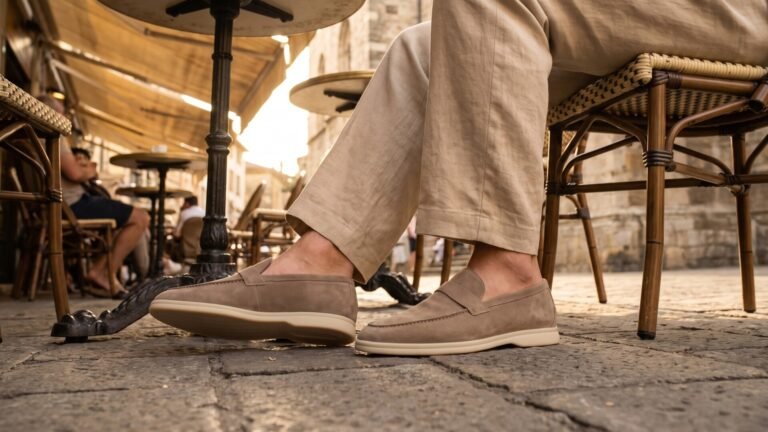
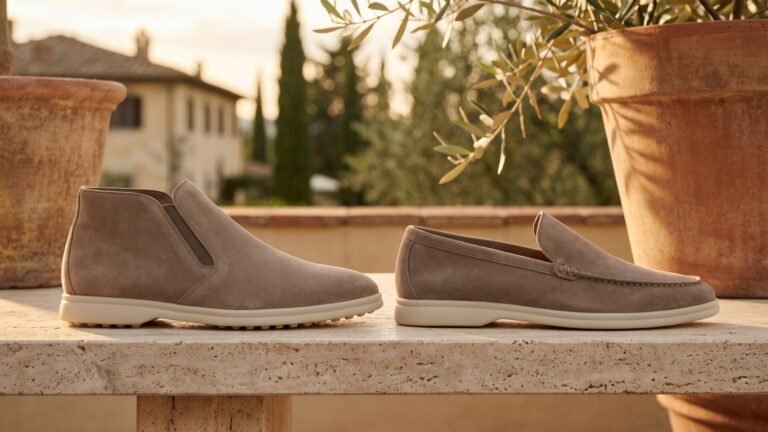
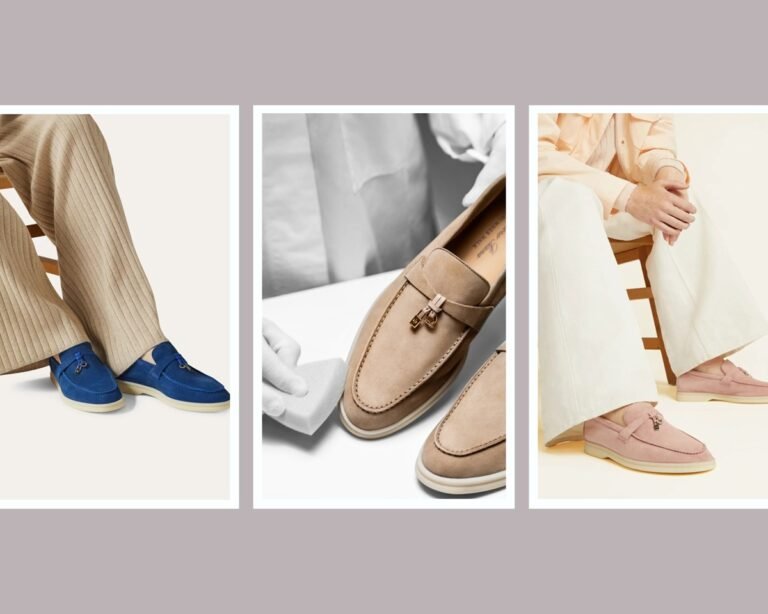
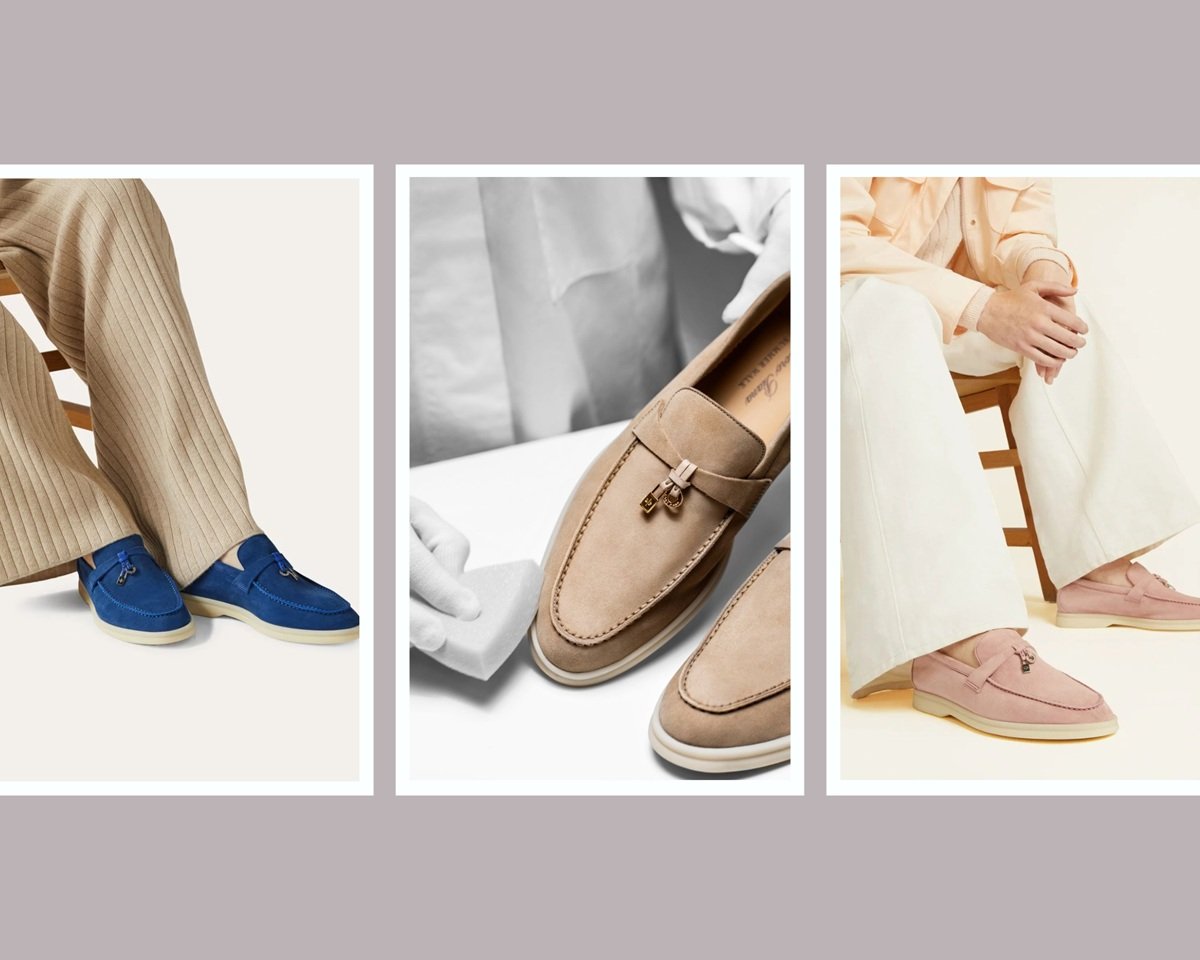
The Summer Walk, the shoe behind most searches, is made from soft, unlined suede (reviewers describe deerskin or calf suede) with a thin leather lace threaded through the moccasin apron and a rubber sole. Sellers describe the moccasin construction as handmade in Italy. Reviewers note the suede is treated to resist stains and water but is not impervious. Loro Piana suede is famous for being soft, and that softness is also why it needs careful cleaning.
Materials alone make the shoes expensive — and we haven’t reached construction yet.
2. Italian Production — and What “Made in Italy” Does and Doesn’t Mean
Loro Piana publicly positions its footwear as Italian-made, and the company opened a footwear factory in 2023 with a focus on white-sole shoes. “Made in Italy” is a labelling claim that applies per product, so always check the label on the exact pair rather than assuming every style in every line is made the same way. The brand does not publish a stage-by-stage breakdown (cutting, stitching, finishing) that we can verify, so descriptions of every step being done by hand are the brand’s own positioning.
What reviewers consistently report is neat, tight, even stitching and cleanly trimmed leather segments. Lower volumes and hand-finished elements cost more than machine-driven production, which is the logic behind handmade vs mass-produced Italian fashion. For how shoes are actually built, see handmade Italian shoes explained.
3. The Construction Is Subtle
Loro Piana shoes aren’t trying to look complex, but the details are deliberate.
Flexible, Lightweight Soles
Most of the casual “Walk” shoes are built for travelling and everyday use, with a flexible gum-rubber sole with a shallow tread, embossed with the logo. Reviewers note the rubber isn’t as durable as a leather or Vibram-type sole under heavy daily walking, so expect to resole or replace sooner than a leather-soled dress shoe. The Open Walk adds a leather-sole option; see Open Walk vs Summer Walk for the difference.
Soft Lining and Fit
The soft, unlined suede stretches with wear, which is why one review advises going a full size down from your usual size; a half-size mistake is the most common sizing complaint. A small heel can feel unfamiliar to some wearers.
Minimal Branding
This sounds like styling, not construction, but with no big logo to hide behind, the cut, the stitching and the texture have to do all the talking. That is part of what you’re paying for.
4. Loro Piana Is the Definition of Quiet Luxury
Some brands are loud on purpose. Loro Piana isn’t. The whole point is that everything feels calm, refined and effortless, and the shoes work as a signal only to people who know. Quiet luxury has become massive in recent years (see why quiet luxury became a global trend), and Loro Piana sits at the centre of it. When a brand builds a reputation like this, prices rise because customers aren’t only buying an object — they’re buying an aesthetic and an identity.
5. A Luxury Group Behind the Brand
Loro Piana is no longer purely a family business. LVMH bought an 80% stake in July 2013 in a deal reported at about $2.6 billion in cash and debt, and later added more; reporting indicates the group’s stake has since risen further. Group ownership brings store-network growth, marketing and rents on prime streets, all of which are built into pricing. The company opened its first retail store in Milan in 1998 and celebrated its 100th anniversary in 2024.
6. Sustainability and Sourcing Aren’t Cheap
Loro Piana invests in animal-welfare and supply-chain work in remote regions, for example the vicuña programme above. These investments add cost, but not every sustainability claim for every shoe is independently documented, so treat the brand’s claims as positioning unless you can see a certification.
7. Do They Last? (With Proper Care)
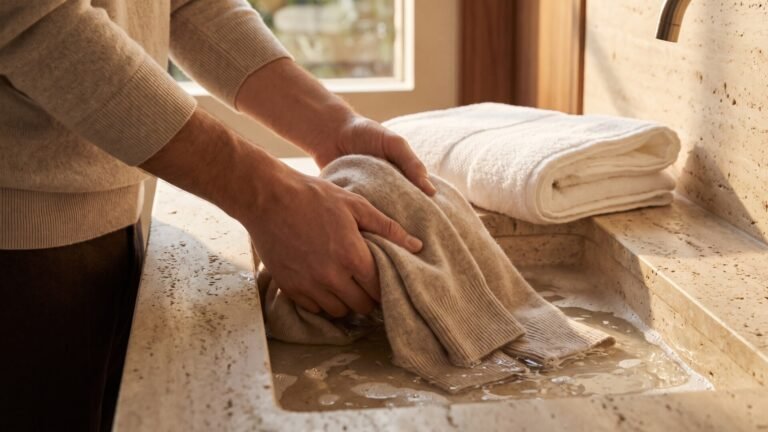
Loro Piana shoes are expensive upfront and designed to look better when cared for, but they are not indestructible. Suede stains, rubber soles wear, and unlined uppers stretch. Cost per wear improves the longer and more often you wear them, but nobody can guarantee resale value. Protect suede with a quality spray, brush it regularly and follow our guide to cleaning and protecting Loro Piana suede shoes. For boots, see how to store luxury boots.
8. They’re Very Comfortable
Comfort is the part people talk about less than they should. Soft suede, flexible soles and lightweight builds mean Loro Piana shoes often feel closer to slippers than formal shoes, which is why they became a staple for travel and casual weekends. One caution: unlined suede stretches, so sizing matters.
9. Which Loro Piana Shoe Is Worth It?
The right pair depends on how you live. Here is a short decision guide:
- Summer Walk loafers. The icon. Best for warm-weather travel and relaxed tailoring; not ideal for rain or long daily walking.
- Sneakers (Soho, Tennis Walk). More versatile and sturdier than suede loafers, at a similar price point.
- Chelsea and other boots. Better for colder weather; higher cost but more durable materials.
- Espadrilles. The lowest price entry into the brand.
For a full ranking of everyday options, read The Best Loro Piana Shoe Styles for Everyday Wear.
10. Cheaper Alternatives to Compare
If the price is the sticking point, look at the logic behind it and compare: other Italian houses make soft loafers with different trade-offs. See our guides to the best Italian loafers, Tod’s Gommino loafers (rubber-pebbled driving soles), and Gucci Horsebit 1953 loafers. Independent reviews of the Summer Walk also point to cheaper moccasin-style alternatives starting around $185, though with different materials and build. If the cashmere is what draws you to the brand, compare Loro Piana vs Brunello Cucinelli, or explore Loro Piana cashmere sweater alternatives.
So… Why Are Loro Piana Shoes So Expensive?
Because you’re paying for:
- fine suedes and leathers, plus the textile expertise behind the brand
- Italian production with labour-intensive finishing
- lower volumes than mass-market shoes
- a brand built on sourcing and sustainability investments
- comfort that reviewers consistently praise
- quiet-luxury identity and a luxury group’s retail footprint
Some of that is craft you can feel; some of it is brand premium. That honesty matters when you spend four figures on shoes.
Are Loro Piana Shoes “Worth It”?
That depends on what you value. If you want loud branding, hype drops or dramatic design, these shoes won’t scratch that itch. But if you want soft suede, lightweight comfort and understated elegance, they’re among the most coveted shoes in quiet luxury — provided you accept the maintenance and the price. Given the materials involved, proper care is essential to preserve value: read How to Store Luxury Boots for Long-Term Protection for shape and material protection.
Frequently Asked Questions About Loro Piana Shoes
Are Loro Piana shoes expensive?
Yes. On the brand’s US site men’s shoes run from roughly $750 for espadrilles to about $3,000 for top boots, with the popular Summer Walk loafer around $980–$1,000+.
Why are Loro Piana loafers expensive?
Soft suede, moccasin construction described as handmade in Italy, low-key branding, and the cost structure of a luxury group all feed the price.
Why are Loro Piana shoes so popular?
They became shorthand for quiet luxury: unbranded-looking, very comfortable, and recognisable only to people who know the brand.
Are Loro Piana sneakers worth it as a gift?
If the recipient values soft leather, discreet design and comfort, they can be a considered gift at about $1,150–$1,200 for the main sneaker styles. Check sizing first, include a gift receipt, and confirm the return policy.
Are Loro Piana shoes made in Italy?
The brand positions its shoes as Italian-made and opened an Italian footwear factory in 2023, but check the label of the exact pair, since origin is stated per product.
Looking for more on the brand? Visit the Loro Piana page, or browse the complete guide to Italy’s most influential fashion houses.