Top Italian Leather Brands to Know (From Heritage to New School)
Alright, leather lovers — we’ve already talked about why Italian leather is the best, and we’ve broken down how to take care of it like a pro.
Now it’s time to get into the fun part: who’s making it.
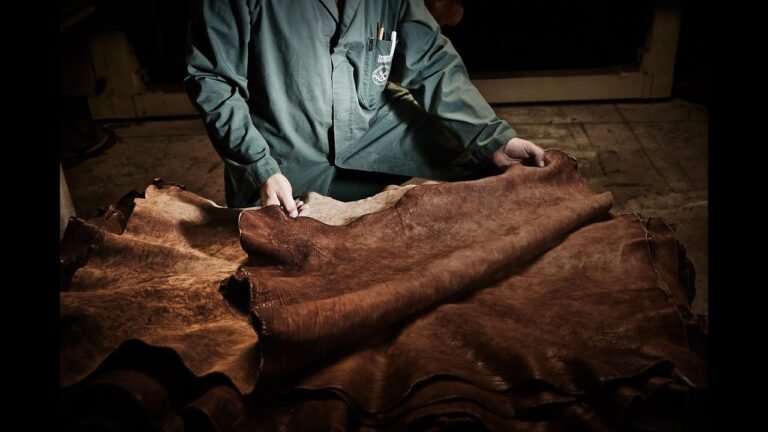
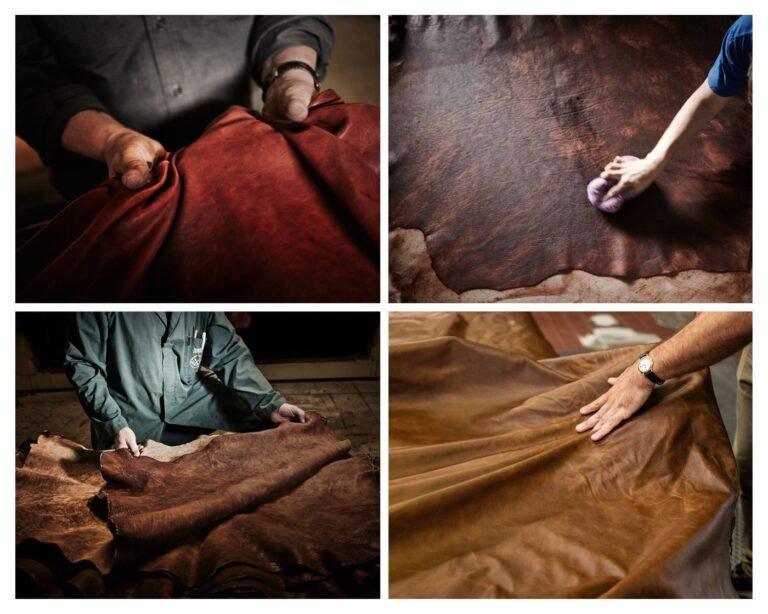
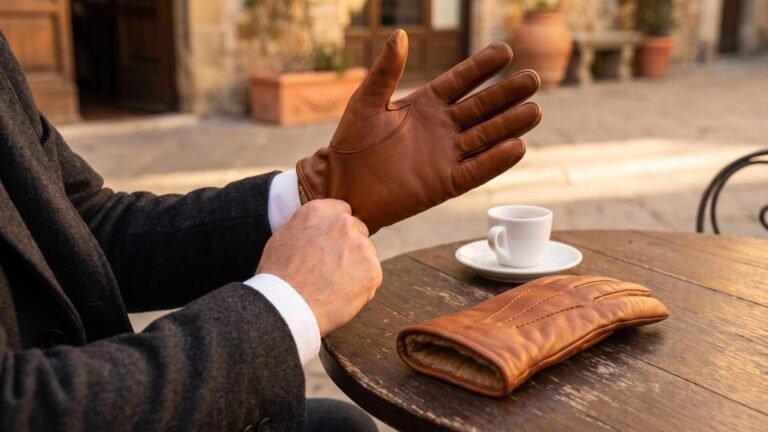
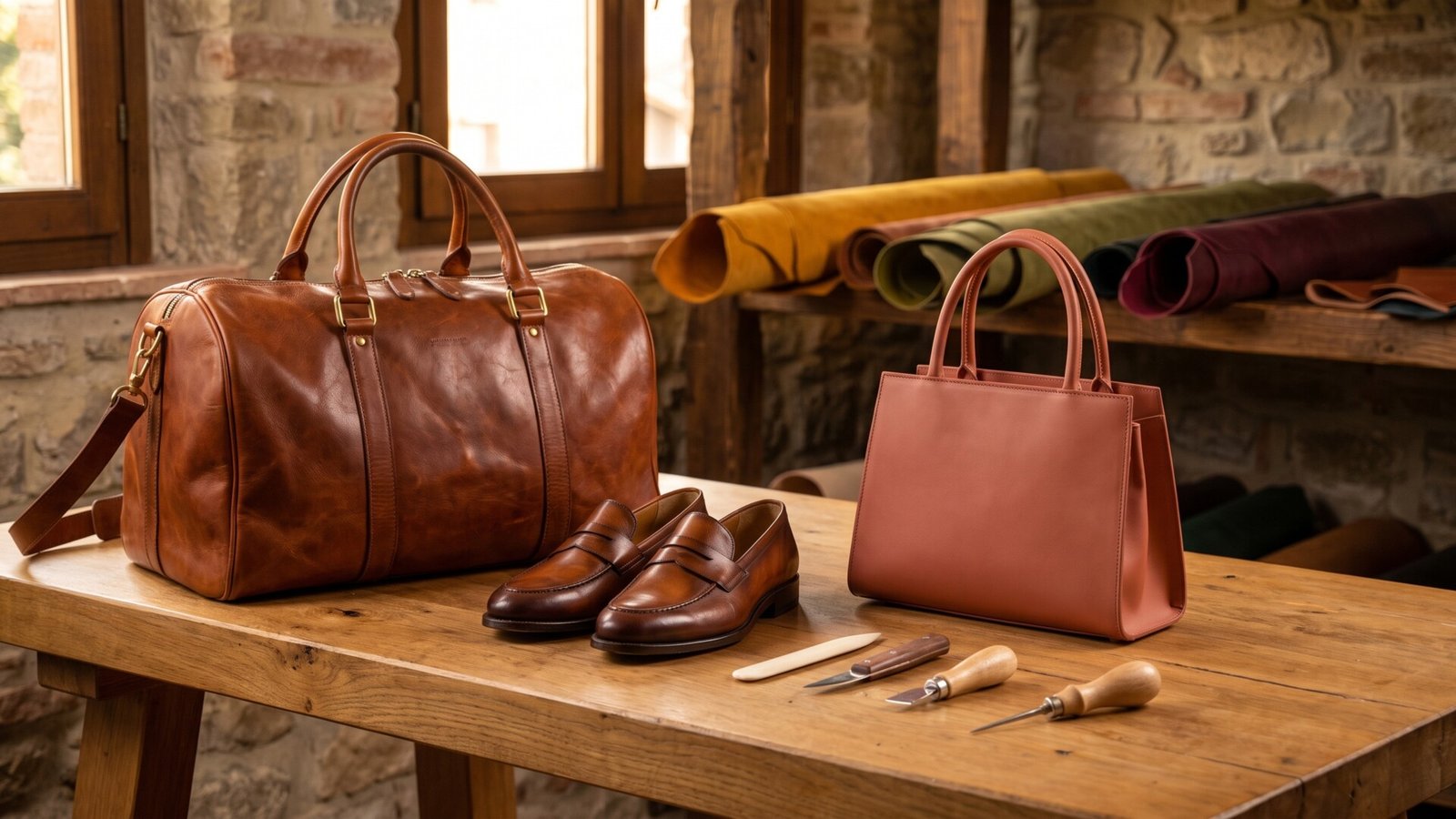
Because the truth is — in Italy, leather isn’t just a material. It’s a culture. It’s something families pass down, something artisans live for. Every bag, every shoe, every jacket coming out of Italy has some serious DNA in it — a mix of craftsmanship, history, and genuine passion.
But not all Italian brands play the same game. You’ve got your old-school legends — the houses that built the reputation. And then you’ve got the new wave — fresh designers and indie labels keeping that same fire alive with a modern twist.
So let’s take a full tour, from the heritage masters who defined Italian leather to the new-school rebels redefining it.
No hype, no fluff — just pure Italian craftsmanship, old and new.
Italian Leather Brands at a Glance
| Brand | Best Known For | Signature Leather | Signature Piece | Price Tier |
|---|---|---|---|---|
| Gucci | Bags, loafers, belts | Calfskin with hardware | Horsebit loafer, Jackie bag | Top luxury |
| Bottega Veneta | Logo-free bags | Intrecciato woven nappa | Andiamo, Jodie | Top luxury |
| Tod’s | Soft loafers | Calfskin, suede | Gommino driving shoe | Premium |
| Ferragamo | Shoes and belts | Calfskin | Vara pump, Gancini belt | Premium |
| Prada | Structured bags | Saffiano | Galleria bag | Top luxury |
| Fendi | Iconic handbags | Calfskin, Selleria | Baguette, Peekaboo | Top luxury |
| Brunello Cucinelli | Quiet-luxury accessories | Suede, calfskin | Suede jackets, belts | Top luxury |
| Il Bisonte | Artisan bags, wallets | Vegetable-tanned cowhide | Totes and wallets | Accessible |
| Santoni | Dress shoes | Hand-patinated calfskin | Double-monk strap | Premium |
| Officine Creative | Worn-in shoes | Washed and dyed calfskin | Lace-up boots | Accessible to premium |
| The Bridge | Heritage bags | Vegetable-tanned cowhide | Briefcases, messengers | Accessible |
| Valextra | Minimalist bags | Grained calfskin | Iside bag | Top luxury |
| Guidi | Avant-garde boots | Vegetable-tanned horse | Back-zip boots | Premium |
| Campomaggi | Rugged travel bags | Hand-dyed cowhide | Backpacks, messengers | Accessible |
| Poltrona Frau | Furniture | Pelle Frau | Leather armchairs | Furniture |
| Furla | Everyday handbags | Calfskin | Metropolis bag | Accessible |
| Coccinelle | Everyday handbags | Grained calfskin | Shoulder and crossbody bags | Accessible |
| Valstar | Suede jackets | Suede | Valstarino jacket | Premium |
| Serapian | Woven leather goods | Mosaico weave | Mosaico bags | Premium |
1. Gucci — The Original Florentine Leather House
You can’t talk Italian leather without starting with Gucci.
Born in Florence in 1921, this house started with luggage and equestrian-inspired leather goods before becoming the fashion powerhouse it is today. Guccio Gucci’s early work was all about luxury that travels — top-tier leather trunks, equestrian accents, and clean lines.
Fast-forward a century, and Gucci’s leatherwork still leads the game. The Horsebit loafers? Timeless. The GG Marmont bags? Instantly recognizable. The belts? A global status symbol.
What makes Gucci’s leather special isn’t just the craftsmanship — it’s the way they blend tradition with bold design. Florentine craftsmanship meets modern silhouettes, often finished with just the right hit of gold hardware or monogram detailing.
Gucci leather = bold but luxe. A statement, but a smart one.
Signature pieces: Horsebit loafers, Jackie and Horsebit 1955 bags, GG Marmont bags, belts. Comparing versions? See Jackie 1961 vs the Piston Clasp.
Explore how Gucci transformed Italian leather craftsmanship into one of the most recognizable luxury aesthetics in the world.
2. Bottega Veneta — The Quiet Luxury King
Bottega’s leather doesn’t need to shout — it whispers quality.
Founded in Vicenza in 1966, Bottega Veneta built its name on the intrecciato weave — strips of soft calf leather woven together by hand to create that iconic, textured look. No logos, no gimmicks, just pure craftsmanship.
Their slogan says it all: “When your own initials are enough.”
That’s confidence.
From their soft clutches to structured totes and loafers, Bottega’s work is about touch, feel, and form. Their pieces age beautifully and keep their understated edge. Matthieu Blazy pushed that natural, artful vibe further before leaving for Chanel at the end of 2024, and Louise Trotter has led the house as creative director since January 2025 — with leather craft still at the heart of every collection.
This is the brand for people who know fashion but don’t need to prove it.
Signature pieces: Andiamo, Jodie, and Cassette bags, intrecciato wallets. Wondering if it’s worth it? Read is Bottega Veneta worth the price and why intrecciato can beat the Gucci Marmont as an investment.
Discover Bottega Veneta’s mastery of leather through its iconic intrecciato weaving and quiet luxury approach.
3. Tod’s — Casual Sophistication, Italian Style
If Bottega is quiet luxury, Tod’s is everyday luxury.
Tod’s grew out of the Della Valle family’s shoe workshop, founded in the Marche region in the 1920s. Diego Della Valle launched the Tod’s brand in the late 1970s and made its name with the Gommino driving shoe — a leather moccasin with 133 rubber pebbles on the sole. Each pair goes through around 100 manufacturing steps.
What Tod’s does best is take comfort and make it classy.
They use the softest, most flexible leathers — calfskin, suede, and nubuck — and craft shoes, bags, and accessories that move with you. Their stuff feels lived-in from day one, and built to last.
If your vibe is relaxed sophistication — think linen shirts, espresso in hand, convertible roof down — Tod’s is your brand.
Signature pieces: Gommino driving shoes, T Timeless loafers, Di Bag. More in our Tod’s shoes guide.
Learn why Tod’s is synonymous with everyday Italian elegance, premium leather, and timeless craftsmanship.
4. Salvatore Ferragamo — The Footwear Genius
Ferragamo was one of the great pioneers of luxury shoe design.
Salvatore started crafting shoes for Hollywood stars in the 1920s, then returned to Italy and founded his house in Florence in 1927 — later dressing the feet of stars like Audrey Hepburn and Marilyn Monroe. But what set him apart was innovation. He studied foot anatomy, experimented with exotic skins and arch-supporting designs, and patented the wedge heel.
Today, Ferragamo’s leather goods — especially shoes, belts, and handbags — still radiate elegance. Every piece feels like it’s been engineered for comfort and beauty. The Vara pump, with its grosgrain bow, and the Tramezza men’s shoes are both handcrafted icons.
What’s cool is that Ferragamo still makes its shoes and leather goods in Italy, with Florence as its home — and its men’s loafers are still made by hand, as we cover in our Ferragamo factory focus.
Signature pieces: Vara pump, Tramezza shoes, Gancini belts and loafers.
Dive into Ferragamo’s legacy of innovative leatherwork, blending comfort, design, and technical precision.
5. Prada — The Smart Rebel
Mario Prada started his Milan-based brand in 1913 selling leather trunks and travel goods — all made with meticulous Italian precision.
But what really changed the game was Saffiano leather — that signature cross-hatched, wax-finished texture that’s scratch-resistant and water-resistant. It became a Prada trademark and a favorite for luxury travelers. (See how it stacks up in Prada Saffiano vs Gucci GG Marmont and Vachetta vs Saffiano for daily use.)
Today, Prada’s leather line balances classic with cutting-edge. Their handbags and shoes carry that intellectual, avant-garde vibe — luxury for thinkers and rule-breakers. Whether it’s a structured tote or minimalist sneaker, Prada’s leather always looks sleek, functional, and unbothered.
If you want refinement with a touch of rebellion, this is your lane.
Signature pieces: Galleria bag in Saffiano, structured totes, wallets.
Explore how Prada uses structured, durable leathers to redefine modern Italian luxury.
6. Fendi — Craftsmanship Meets Creativity
Fendi has been running the Roman luxury scene since 1925, and leather has always been its heart.
Their first claim to fame? Fur and leather goods crafted by Adele and Edoardo Fendi. When Karl Lagerfeld joined in the ’60s, he helped turn Fendi into a fashion powerhouse — and in 1997, Silvia Venturini Fendi designed the Baguette bag, which became a pop culture legend.
Modern Fendi still plays that mix of boldness and tradition — structured leather handbags, monogram-embossed totes, soft Peekaboo bags, and striking boots. They use some of the finest Italian calfskins and lambskins around.
Their craftsmanship is meticulous — the hand-stitched Selleria line shows it best, and most of the house’s leather goods are made at its factory outside Florence.
Think luxury with an artistic streak.
Signature pieces: Baguette, Peekaboo, and Selleria bags.
Discover Fendi’s Roman heritage and its distinctive approach to leather goods, from handbags to accessories.
7. Brunello Cucinelli — The Gentleman’s Touch
Brunello Cucinelli doesn’t just sell leather — he sells a lifestyle.
Based in Solomeo, a tiny medieval town he literally restored, Cucinelli built his brand on cashmere, ethical craftsmanship, and timeless elegance. His leather goods — jackets, belts, and bags — reflect that philosophy: simple, refined, and human.
Leather is a smaller part of the business than knitwear, but it gets the same treatment: soft suedes and calfskins in muted tones, finished with care. The result? Pieces that feel as soft as a cloud and look effortlessly luxe.
Cucinelli leather isn’t about flash. It’s about quiet confidence.
If your vibe is “old money meets philosopher,” this brand’s for you.
Signature pieces: Suede jackets, belts, Monili-detailed accessories.
Learn how Brunello Cucinelli elevates leather craftsmanship through refined materials and humanistic luxury.
8. Il Bisonte — The Artisan’s Choice
Florentine brand Il Bisonte is proof that real Italian leatherwork doesn’t need global hype to hit hard. Founded in 1970 by Wanny Di Filippo, Il Bisonte focuses on handmade, vegetable-tanned leather goods that age like fine wine.
Their bags, wallets, and accessories have this beautiful, raw aesthetic — clean lines, visible stitching, and a patina that deepens with time. You’ll often see small imperfections — and that’s intentional. It’s what makes every piece unique.
No overbranding, no synthetic finish, just honest craftsmanship.
Il Bisonte is the kind of brand that people in the know wear proudly, because they get it.
Signature pieces: Totes, crossbody bags, wallets. Keep that patina looking its best with our guide to restoring the patina on natural leather bags, and find more under-the-radar names in underrated Italian handbag brands.
Explore Il Bisonte’s commitment to traditional vegetable-tanned leather and understated Italian design.
9. Santoni — The Shoemaker’s Dream
Based in Corridonia in the Marche region — Italy’s shoemaking capital — Santoni’s all about perfecting the art of leather footwear. Every pair of Santoni shoes is hand-finished, with colour built up by hand in layers that can take hours per pair.
They use calfskin, suede, and exotic leathers. What makes them stand out? The color gradients — those rich, hand-burnished hues that look almost alive.
And they’re not just classic — Santoni’s also doing luxury sneakers, boots, and bags with that same artisanal care.
It’s fatto a mano (made by hand) in the truest sense. And you feel that in every stitch.
Signature pieces: Double-monk straps, oxfords, leather sneakers. See how Santoni compares in our best Italian luxury shoe brands guide.
Discover Santoni’s artisanal leather expertise, known for hand-finished shoes and exceptional material quality.
10. Officine Creative — The Modern Rebel Artisan
Now we’re getting into the new school — the brands bridging Italian tradition with contemporary edge.
Officine Creative, founded in the ’90s, embodies that mix. Based in Montegranaro, they specialize in shoes and accessories that look worn-in, lived-in, but incredibly refined.
They use innovative washing, dyeing, and distressing techniques to give each item character — so no two pieces ever look the same.
Their aesthetic? Rugged sophistication. Think vintage Italian motorcycle jacket energy, but tailored for the streets.
Perfect for people who want Italian quality with a little attitude.
Signature pieces: Lace-up boots, derbies.
Dive into Officine Creative’s experimental approach to Italian leather, blending art, patina, and modern design.
11. The Bridge — Old-School Cool
If you’re into that classic, slightly retro vibe, The Bridge is a must-know brand.
Founded in Florence in the ’60s, their vegetable-tanned leather bags are pure nostalgia — simple, structured, with that warm cognac tone that screams “Italian countryside meets city cool.”
Their craftsmanship is consistent, their finishes are buttery, and their products — from messenger bags to briefcases — just feel authentic.
It’s the brand you’d imagine Hemingway carrying if he wrote from Tuscany.
Signature pieces: Briefcases, messenger bags, travel bags.
Explore The Bridge’s classic Florentine leather goods rooted in heritage, function, and durability.
12. Valextra — Minimalism, Milan-Style
Valextra is like the architect’s version of luxury leather.
Founded in 1937 in Milan by Giovanni Fontana, their designs are sleek, structured, and modern. They don’t do loud logos — just impeccable precision. Every edge is painted by hand, every curve calculated.
Their Iside bag is a cult classic — geometric perfection in leather form. Valextra is all about understatement, proportion, and clean elegance.
If you love Bottega but want something even more minimalist, this is your brand.
Signature pieces: Iside bag, briefcases, card cases.
Discover Valextra’s architectural leather design, precision craftsmanship, and Milanese minimalism.
13. Guidi — Raw, Industrial, and Legendary
Now for something different.
Guidi, founded in 1896 as a Tuscan tannery, isn’t your typical polished luxury brand. They’re tanners first, designers second — masters of raw, distressed, avant-garde leather. Their shoes and boots look like something pulled from a Renaissance painting and an avant-garde runway at the same time.
They use traditional vegetable tanning, but they embrace imperfections — uneven coloring, raw textures, wrinkled finishes.
It’s luxury, but unrefined by design.
Guidi is a cult name — if you see someone wearing their boots, you know they’ve got deep taste.
Signature pieces: Back-zip boots in horse leather, derbies, bags.
Explore Guidi’s avant-garde leather philosophy, where raw materials and artisanal processes take center stage.
14. Campomaggi — The Traveler’s Spirit
Campomaggi is another modern artisan brand worth shouting out.
Founded by Marco Campomaggi in the ’80s, this brand celebrates leather that tells stories. Every piece is hand-dyed, giving it that vintage, rugged finish that feels like it’s already lived a thousand adventures.
Their backpacks, messenger bags, and totes are built tough but still gorgeous. You’ll find antique brass buckles, weathered textures, and perfectly imperfect stitching.
Each bag has this “soul of travel” energy — like something that could last decades, gathering memories along the way.
Signature pieces: Backpacks, messenger bags, totes.
Learn how Campomaggi creates character-rich leather bags designed to age beautifully over time.
15. Poltrona Frau — When Furniture Meets Fashion
Here’s one people sometimes forget — Italy’s leather excellence doesn’t stop at fashion.
Poltrona Frau, founded in Turin in 1912, makes some of the world’s most luxurious leather furniture, and has supplied leather interiors for cars, including Ferrari.
Their Pelle Frau® leather is soft, durable, and smells incredible. If you’ve ever sat in one of their armchairs, you know what true Italian leather comfort feels like.
They represent that same tradition — fine tanning, artisanal precision, timeless style — just applied to interiors instead of wardrobes.
Discover how Poltrona Frau applies Italian leather mastery to luxury furniture and interior design.
16. Furla — Accessible Luxury From Bologna
Not every great Italian leather bag costs a month’s rent.
Furla was founded in Bologna in 1927 by Aldo and Margherita Furlanetto, and it’s now one of the most widely available Italian leather brands — clean, colourful handbags at prices well below the big fashion houses.
If you want your first real Italian leather bag, this is a smart place to start.
Signature pieces: Metropolis bag, everyday totes and shoulder bags.
Read our complete Furla guide to Italy’s accessible luxury brand.
17. Coccinelle — Everyday Bags From Parma
Founded in Parma in 1978, Coccinelle makes practical, beautifully finished handbags in grained and smooth leathers. Nothing flashy — just bags built to be carried every day, at a price that makes sense.
Signature pieces: Shoulder bags, crossbody bags, wallets.
Discover Coccinelle’s affordable take on Italian luxury bags.
18. Valstar — The Suede Jacket Icon
Founded in Milan in 1911, Valstar is the name behind the Valstarino — a suede blouson with knitted collar and cuffs that’s become a true menswear classic. It’s the one leather jacket that works with a suit and with jeans.
Signature pieces: Valstarino suede jacket.
Explore Valstar, Italy’s most iconic suede jacket brand.
19. Serapian — Milan’s Woven Leather Secret
If you love Bottega’s intrecciato but want something less obvious, meet Serapian.
Stefano Serapian founded his Milan workshop in 1928, and the brand is best known for Mosaico — a hand-woven leather technique with a fine, tile-like texture. It’s been part of the Richemont group since 2017, but still makes its pieces in Milan.
Signature pieces: Mosaico bags and small leather goods.
The New Wave: Young Designers Keeping It Alive
Italian leather might have centuries of history, but it’s not stuck in the past.
A new generation of designers is mixing streetwear energy, sustainability, and bold shapes with traditional craftsmanship. Some rising names to keep tabs on:
- Sunnei: Milan-based duo bringing youthful, modern structure to classic materials.
- Sara Battaglia: Known for playful, colorful leather handbags made the old-school way.
- ATP Atelier: Minimalist Italian design with Swedish cool — handmade in Italy.
They’re proof that Italian leather isn’t just heritage — it’s evolution. The next chapter of a story that never stops getting better. Want more names? See our guide to emerging and niche Italian designers, or buy straight from the workbench with our list of Italian artisanal leather workshops you can buy from.
Signature Italian Leathers Explained
- Saffiano: Cross-hatched, wax-finished calfskin. Tough and scratch-resistant, with little patina. Prada’s signature.
- Intrecciato: Strips of soft nappa woven by hand. Bottega Veneta’s signature.
- Vegetable-tanned leather: Tanned with plant tannins over weeks, and develops a deep patina. Think Il Bisonte, The Bridge, Guidi. Budget-friendly picks in our best vegetable-tanned purses under $500.
- Nappa: Very soft, smooth full-grain leather that needs care around water. Here’s how to protect nappa leather.
- Grained leathers: Embossed textures like Epsom hide scratches well. See which Italian brands use Epsom leather.
How to Spot the Real Italian Spirit
No matter the brand, the real mark of Italian leather is authenticity.
Look for these signs:
- Made in Italy stamped clearly, not “Italian design.” Just know that under EU origin rules, Made in Italy means the last substantial manufacturing step happened in Italy — some components may come from elsewhere. Brands that tan and make everything in Italy usually say so.
- Smells rich and natural, never synthetic.
- Natural grain with visible pores and small marks, not a perfectly uniform, plastic-looking surface. (Slight variations in tone are typical of vegetable-tanned leather — but chrome-tanned leather is real leather too, so even tone isn’t a red flag on its own.)
- Hand-finishing, clean painted or burnished edges, and small, even stitching.
- That effortless blend of beauty, function, and texture.
Because Italian leather isn’t about perfection — it’s about soul. (And a little care: start with the best leather conditioner for Italian designer goods.)
Frequently Asked Questions About Italian Leather Brands
What is the best Italian leather brand?
It depends on what you want. Bottega Veneta is the benchmark for leather quality without logos, Prada for durable Saffiano, Gucci and Fendi for iconic designs, and Valextra for minimalism. For accessible prices, Il Bisonte, Furla, and Coccinelle are strong choices.
Does Made in Italy guarantee Italian leather?
No. Under EU origin rules, Made in Italy means the last substantial manufacturing step happened in Italy. The leather or some components may come from elsewhere. Brands that tan and manufacture in Italy usually state it clearly.
Which Italian brands use vegetable-tanned leather?
Il Bisonte, The Bridge, and Guidi are known for vegetable-tanned leather. It develops a deep patina over time and needs regular conditioning.
Is Saffiano leather real leather?
Yes. Saffiano is calfskin pressed with a cross-hatch texture and finished with wax. It is very durable and scratch-resistant, but it does not develop a patina like natural leathers.
What are the best affordable Italian leather brands?
Il Bisonte, The Bridge, Campomaggi, Furla, and Coccinelle all offer genuine Italian leather bags, with most styles under $800.
Is Bottega Veneta better quality than Gucci?
For leather craftsmanship alone, Bottega Veneta is generally considered stronger, especially its hand-woven intrecciato. Gucci is more about recognisable design and hardware. Many buyers own both for different reasons.
Which Italian leather brand holds its value best?
Iconic, continuously produced pieces hold value best, such as Bottega Veneta intrecciato bags, the Fendi Baguette, and classic Gucci designs. Seasonal and trend-driven pieces usually resell for much less.
Who makes the best Italian leather shoes?
Santoni for hand-finished dress shoes, Ferragamo for classics in several widths, Tod’s for soft everyday loafers, and Guidi for avant-garde boots.
Wrapping It Up: From Old Hands to New Horizons
So, who wins the crown?
Honestly — all of them. Because what unites Gucci and Guidi, Bottega and Officine Creative, isn’t just leather. It’s a philosophy.
It’s the belief that craftsmanship is sacred. That what’s made slowly, lasts longer.
And that real luxury isn’t in logos — it’s in the feel of something made by human hands.
Italy taught the world how to work leather — and it’s still leading that conversation, whether you’re buying a classic Ferragamo loafer or a hand-dyed Campomaggi backpack.
If you want to dig deeper, check out the other articles in this series:
- Why Italian Leather Is the Best: Craftsmanship Explained (for the backstory)
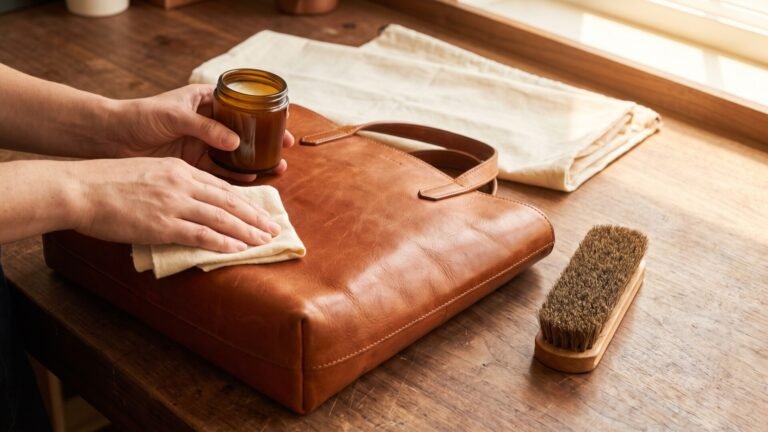
- How to Care for Italian Leather Goods (The Right Way) (for the maintenance game plan)
Together, they’ll have you not just wearing Italian leather — but truly understanding it.
Because at the end of the day?
Italian leather isn’t just fashion.
It’s legacy.
It’s lifestyle.
It’s forever.