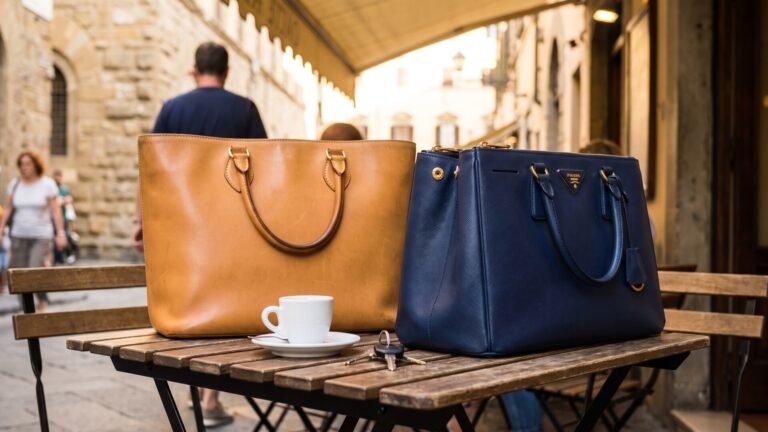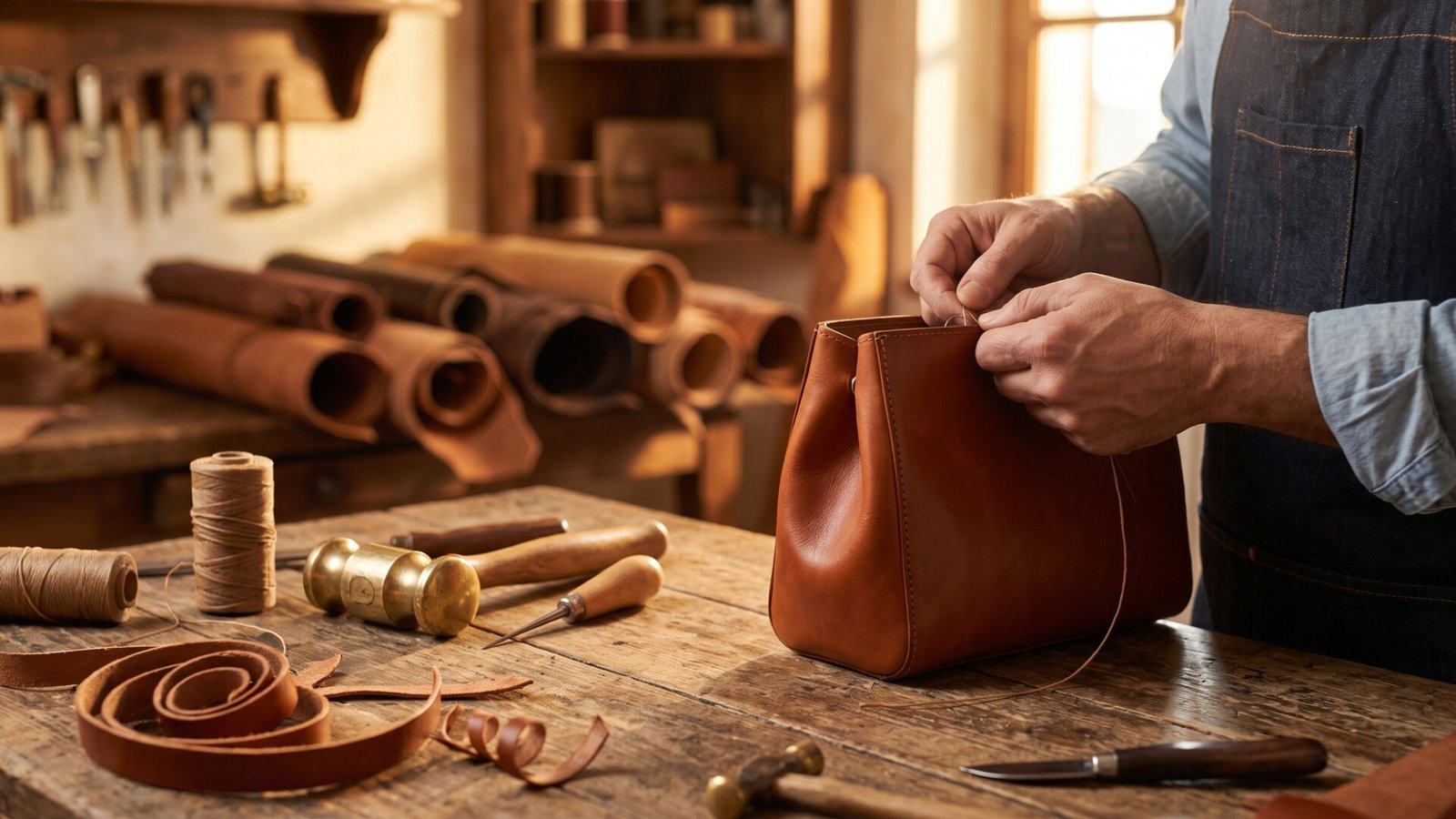
Top 3 Italian artisanal leather workshops you can buy from
“Made in Italy” on a tag tells you where a product was finished, not how it was made. Some Italian leather goods come from large factories supplying global luxury groups; others come from small workshops where the same people cut, stitch and finish. This guide explains how to tell the difference, what Tuscan vegetable-tanned leather actually means, and which Italian leather makers are worth starting with. It does not rank workshops by quality, because we have not tested their products; it points you to what can be checked.
Prices change often and vary by market; we give no price ranges here that we could not verify, so check each maker’s site. Last reviewed November 2026.
Quick Answer: Where to Start
- Casual, durable vegetable-tanned bags: start with Il Bisonte, the Florence brand founded in 1970.
- Vintage-look leather with a younger feel: see Campomaggi.
- Distressed, hand-treated leather: see Giorgio Brato and Guidi.
- Heritage leather goods: see The Bridge.
What “Made in Italy” Does and Does Not Tell You
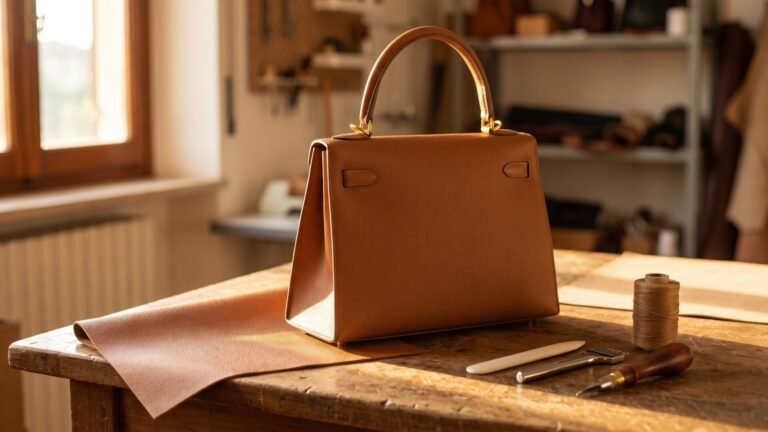
Made in Italy is a legal labelling claim that applies to a specific product, not a promise about craftsmanship or the size of the maker. A bag can be made in Italy and still be produced at scale. To judge whether a piece is really artisanal, look for specifics: the type of leather and how it was tanned, how the pieces are joined (hand-stitched or machine-stitched), how the edges are finished, and whether the maker offers repairs. Our guide to handmade vs mass-produced Italian fashion goes deeper on this.
Tuscan Vegetable-Tanned Leather
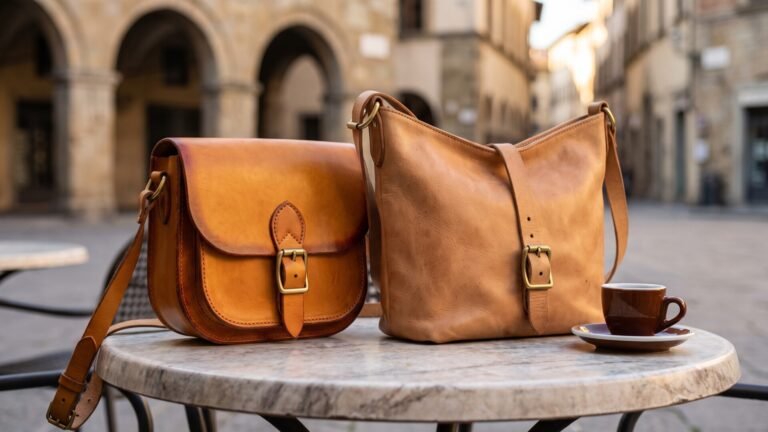
Tuscany, particularly the area between Florence and Pisa, is the centre of Italy’s leather-tanning industry. Vegetable tanning uses natural tannins from plant material rather than chromium salts, and the process is slower. The result is a firmer leather that tends to darken and develop a patina with handling and light, as covered in our guide to restoring the patina on natural Italian leather bags.
There is a certification to look for. The Consorzio Vera Pelle Italiana Conciata al Vegetale, based in San Miniato in the province of Pisa, regulates vegetable-tanned leather made in Tuscany. Member tanneries can use its “Tuscan Vegetable-Tanned Leather” mark, and a traceability-backed guarantee label can be attached by licensed customers to finished products. If a maker says its leather is Tuscan vegetable-tanned, ask whether the product carries the consortium label or whether the claim is the maker’s own.
Makers to Start With
Il Bisonte
Il Bisonte was founded in Florence in 1970 by Wanny Di Filippo and is known for casual bags in natural, vegetable-tanned-style leather that deliberately shows marks and darkens with use. The company has had outside ownership since Look Holdings acquired it in 2019, so it is a brand with a workshop heritage rather than a tiny studio. Read our full Il Bisonte guide for lines, sizes and care. For current prices, use the brand’s site.
[Affiliate: browse the Il Bisonte crossbody bag collection]
Campomaggi, Guidi, Giorgio Brato and The Bridge
These four are covered in detail elsewhere on the site, each with a different look. Campomaggi leans toward vintage-style leather bags. Guidi and Giorgio Brato are known for hand-treated, characterful leather. The Bridge is a heritage leather goods label. Compare their materials, finishing and care instructions on each guide before buying.
Workshops You Should Verify Yourself
An earlier version of this article profiled two further workshops, “Santa Croce Leather” and “Officina del Poggio”, with specific prices and certifications. We could not verify that those businesses exist as described, or the claims about them, so the profiles have been removed. If you find a small workshop online, check that it has a real address and contact details, shows its leather source, explains its construction methods and has a returns policy. Be careful of Florence shops that sell mass-produced goods with an artisanal story attached.
What to Check Before You Buy
| Check | What to look for |
|---|---|
| Leather | Named type and tannage; consortium label if vegetable-tanned in Tuscany |
| Stitching | Even stitch length; ask whether it is hand- or machine-stitched |
| Edges | Smooth, sealed or burnished edges without cracking |
| Hardware | Material stated (solid brass vs plated) |
| Repairs | Maker offers repair or replacement of straps and handles |
| Care | Clear instructions; see our leather conditioner guide |
Also see our guide to Italian travel bags if you want a bag for trips, and suede cleaners if the maker uses suede.
Is Artisanal Leather Worth It?
Often, if you use the bag regularly and it can be repaired. Durable leather that ages well can cost less per use than replacing cheap bags, though the saving depends on how long you keep it and how well you care for it. We do not claim a resale percentage for any maker. Resale value depends on condition, demand and the brand.
Frequently Asked Questions About Italian Artisanal Leather Makers
What makes a leather workshop artisanal?
Look for a small-scale operation that can explain its leather source, construction methods and repair service. The label alone does not guarantee this.
What does Tuscan vegetable-tanned leather mean?
It is leather tanned with plant-based tannins in Tuscany. Tanneries that belong to the Consorzio Vera Pelle Italiana Conciata al Vegetale can use its mark and guarantee label.
Is Made in Italy a guarantee of handmade quality?
No. It is a labelling claim about where a specific product was made, not a statement about handwork or workshop size.
How do I care for vegetable-tanned leather?
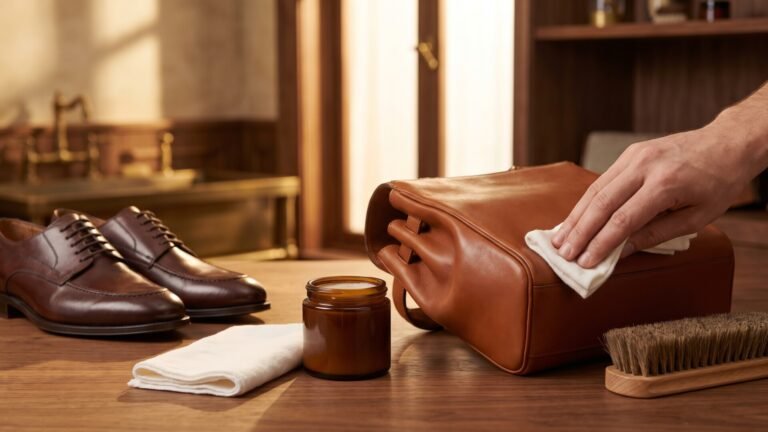
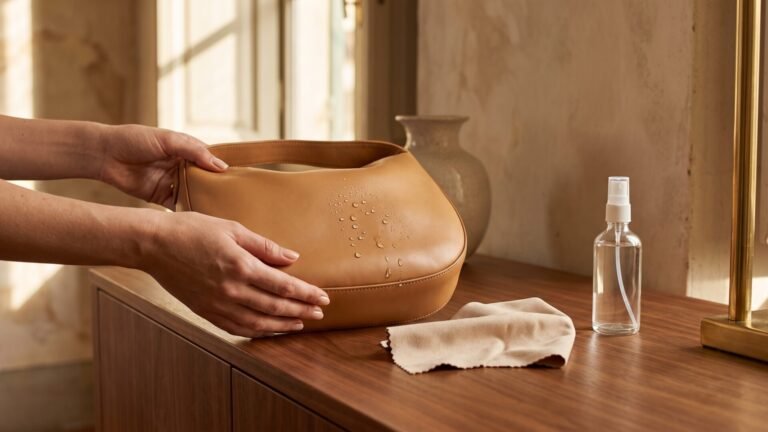
Keep it away from soaking and strong heat, wipe with a dry cloth, and condition sparingly after testing on a hidden area.
Can I buy custom leather goods in Italy?
Some workshops offer made-to-order work, but check each maker directly and confirm timelines, costs and returns before paying.
[Shop the Artisanal Collections]