Italian Designer Accessories
For years, I treated accessories as an afterthought. I would spend hours researching the perfect pair of shoes, the ideal tailored jacket, the right watch — and then grab any belt, any sunglasses, any wallet that happened to be near the door. I assumed that accessories were decorative, not essential. That they completed an outfit, but they didn’t define it.
Then I spent a week in Florence, and I started noticing details. The way a woman’s silk scarf was knotted — loose, asymmetrical, effortless. The way a man’s belt matched his watch strap without being obvious. The way sunglasses, worn with a simple linen shirt and tailored trousers, transformed a casual look into something intentional, almost architectural.
I asked a Florentine leather craftsman about this. He held up a belt he had just finished — full‑grain calfskin, hand‑burnished edges, a buckle that clicked into place with the precision of a bank vault. “The belt is not an accessory,” he said. “It is the frame of the outfit. Without it, everything falls apart.”
That was the moment I understood that in Italian design, accessories are not secondary. They are essential design objects. They are the finishing layer of Italian luxury style — the details that signal taste, refinement, and a deep understanding of proportion and material.
This guide is your definitive resource for Italian designer accessories: the categories, the craftsmanship, the leading brands, how to choose them, how to care for them, and why they are among the smartest investments you can make in your wardrobe.
Why Italy Dominates the Luxury Accessories Market
Italy’s dominance in luxury accessories is not accidental. It is the result of centuries of accumulated knowledge, regional specialization, and an unwavering commitment to quality.
Regional Craftsmanship Ecosystem
Different parts of Italy have become centers of excellence for specific accessory categories:
- Tuscany (Florence) – The historic heart of leather craftsmanship. Belts, wallets, bags, and small leather goods from Florentine workshops are prized for their vegetable‑tanned leather and hand‑finished edges.
- Veneto and Lombardy – Centers for eyewear production. Luxottica, the world‘s largest eyewear company, is based here, producing frames for many Italian luxury brands.
- Marche – Known for leather goods and small accessories, with family‑owned workshops producing for global fashion houses.
- Campania (Naples) – Famous for goldsmithing and jewelry craftsmanship, with traditions dating back to the 14th century.
- Como – The silk capital of Italy. The region‘s textile mills produce the finest silk scarves and neckwear for brands like Ferragamo and Gucci.
Material Supremacy
Italian accessories are defined by their materials:
- Leather tanning – Tuscan tanneries have been producing the world‘s finest full‑grain and vegetable‑tanned leather for centuries. The leather is soft, durable, and develops a rich patina over time.
- Silk and cashmere – Italian mills, particularly in Como and Biella, produce textiles of exceptional quality, used for scarves, ties, and other fabric accessories.
- Metalworking – Italian artisans work with stainless steel, gold, silver, and premium alloys to create hardware, jewelry, and watch components.
Design Philosophy: Function + Aesthetics
Italian accessories are not merely decorative; they are designed to be used. A belt must hold its shape and buckle smoothly. A wallet must be slim enough for a pocket yet spacious enough for daily essentials. Sunglasses must balance fashion with optical precision. This balance of usability and elegance is the hallmark of Italian accessory design.
Global Influence
Italy sets the global standard for luxury accessories. From the iconic Gucci belt to the timeless Ferragamo scarf, from Prada‘s architectural eyewear to Bottega Veneta’s woven leather goods, Italian brands define what luxury accessories look like, feel like, and cost.
What Defines an Italian Designer Accessory?
Purpose‑Driven Design
Italian accessories are built to serve. A wallet is not just a leather folder; it is an object that you will interact with dozens of times a day. The card slots must be accessible. The stitching must not fray. The leather must feel warm and supple in your hand. This function‑first philosophy separates Italian luxury from mass‑produced imitations.
Material Excellence
The materials are the foundation:
- Full‑grain and vegetable‑tanned leather – Used for belts, wallets, cardholders, and small leather goods. Develops patina over time.
- Silk and fine textiles – Scarves, ties, and pocket squares in prints that range from heritage floral to contemporary geometric.
- Stainless steel, gold, and premium alloys – Jewelry and hardware components that resist tarnish and wear.
- High‑grade acetate and optical materials – Eyeglass and sunglass frames that are lightweight, durable, and comfortable.
Construction Quality
Look for these markers of quality:
- Precision stitching – Even, dense, and consistent. No loose threads.
- Edge finishing – Burnished or painted edges that seal the leather and prevent fraying.
- Balanced proportions – The accessory should feel substantial but not heavy, elegant but not fragile.
- Durable hardware – Buckles, clasps, and hinges that operate smoothly and hold their finish.
Timeless Aesthetic Language
Italian luxury accessories avoid the hype cycle. They are designed to be worn for years, not seasons. Subtle branding (a small logo, an embossed symbol) signals quality without shouting. The aesthetic is refined, restrained, and inherently elegant.
A Brief History of Italian Accessories
Origins in Utility and Craft
Before they were luxury objects, Italian accessories were tools. Belts held up trousers. Wallets carried coins. Scarves protected against the cold. Sunglasses shielded eyes from the Mediterranean sun. The craftsmen who made them were local artisans — saddlers, leather workers, metal smiths — serving their communities.
Renaissance Influence on Luxury Craft
The Renaissance elevated these practical objects into art. Goldsmiths in Florence and Venice created jewelry for the Medici and other noble families. Silk weavers in Como produced fabrics for papal vestments and royal courts. The tradition of making beautiful, functional objects became embedded in Italian culture.
Industrial Expansion and Globalization
In the 20th century, Italian accessories went global. Brands like Gucci, Prada, and Ferragamo expanded from small workshops into international luxury houses. They brought the same craftsmanship to belts, wallets, scarves, and eyewear that they had applied to shoes and bags.
Modern Luxury Era
Today, Italian accessories are a cornerstone of the luxury industry. They are produced by heritage houses and specialist artisans, sold in flagship boutiques and online, and worn by discerning consumers worldwide. The best Italian accessories combine centuries of tradition with modern design and material innovation.
Core Italian Designer Accessory Categories
Eyewear (Sunglasses & Optical Frames)
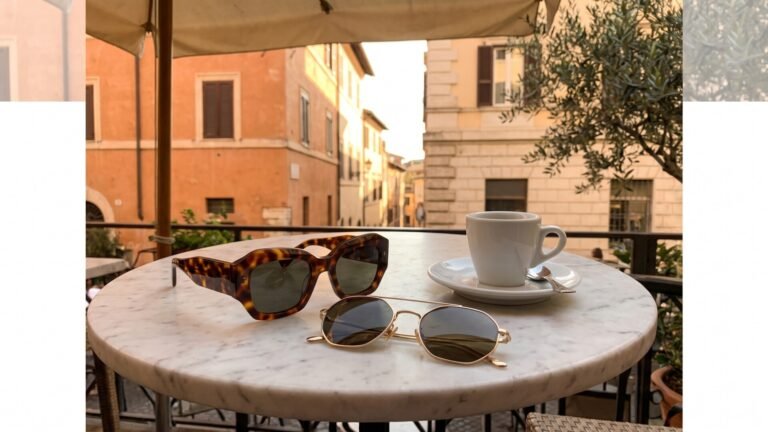
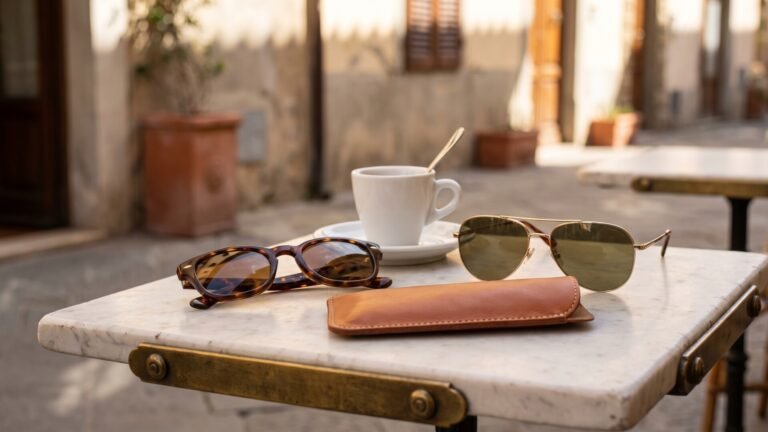
Italian eyewear is known for its precision-crafted acetate frames, advanced lens technology, and fashion-forward design. Brands such as Gucci, Prada, and Persol produce sunglasses that balance style with high levels of UV protection. Optical frames are equally refined, often featuring hand-finished acetate and lightweight titanium components.
Price range: $250–$800
Key features: UV protection, anti-reflective coatings, lightweight comfort
Leather Goods (Belts & Wallets)
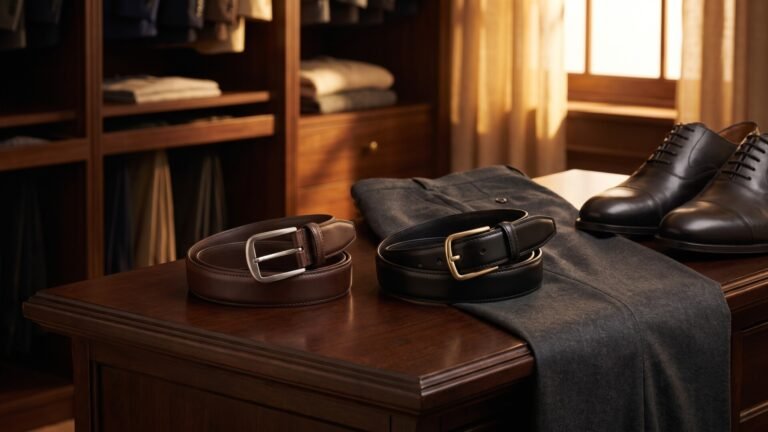
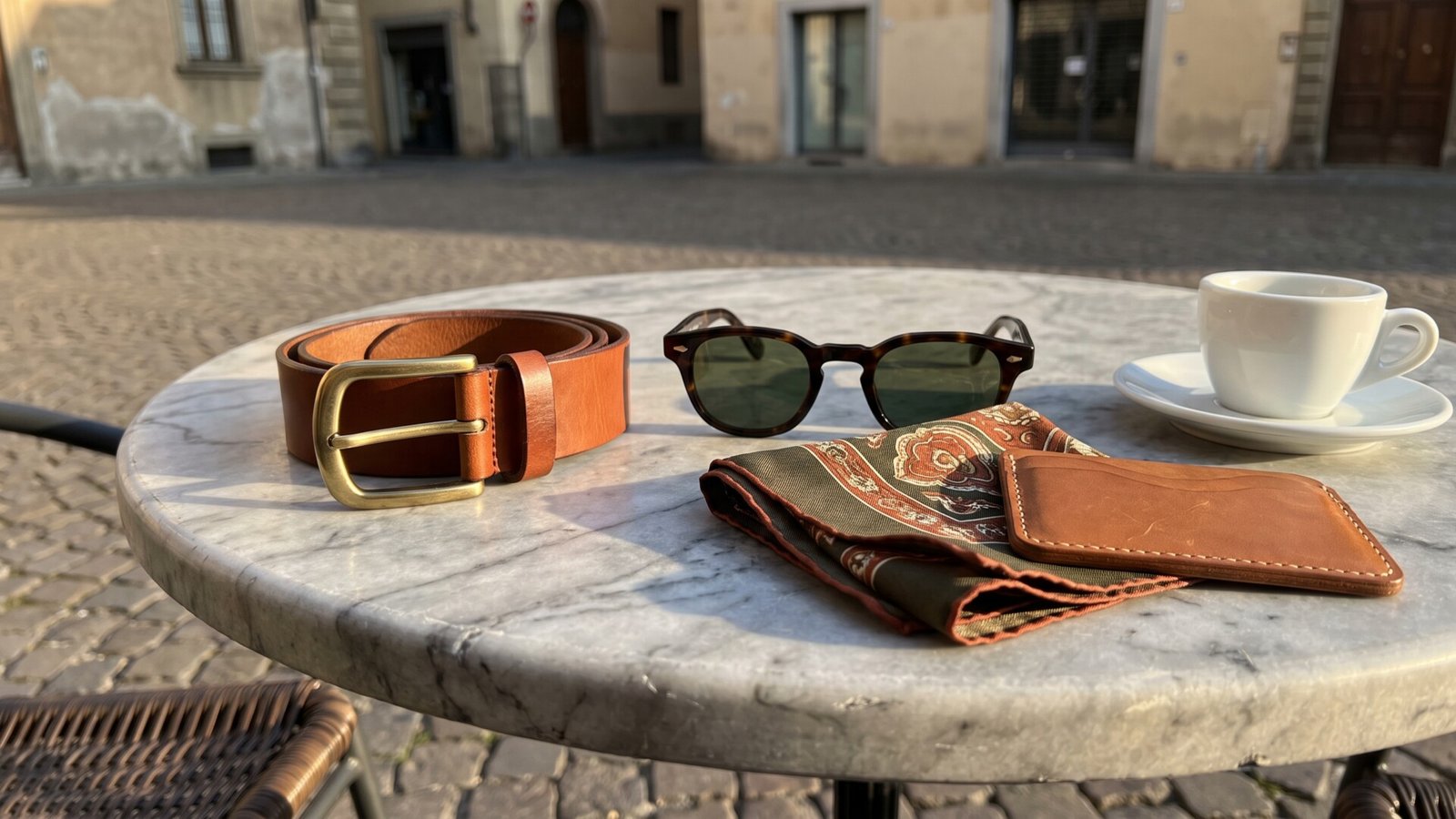
Belts and wallets are among the most accessible entry points into Italian luxury accessories. A full-grain leather belt with a simple buckle can instantly elevate an outfit, while slim cardholders and bi-fold wallets develop a rich patina over years of daily use.
Price range: $200–$600 (belts), $150–$500 (wallets)
Key features: Full-grain leather, hand-burnished edges, solid metal hardware
Textile Accessories (Scarves)
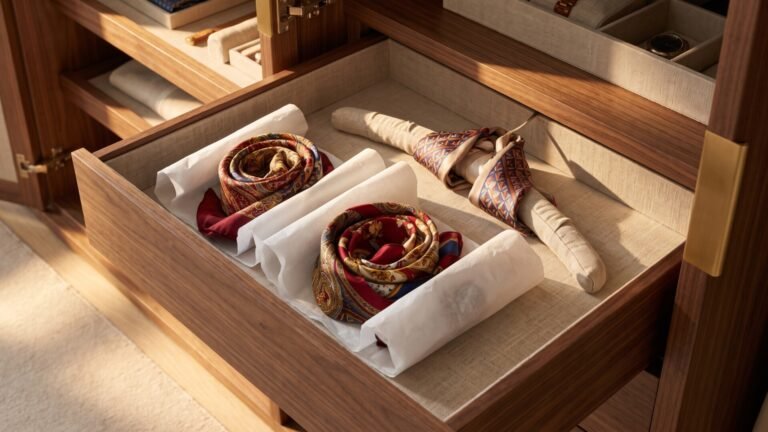
Italian silk scarves are often considered wearable art. Produced in Como using traditional printing techniques, they range from heritage-inspired floral motifs to bold contemporary designs. Cashmere and wool scarves offer warmth and understated elegance during colder seasons.
Price range: $200–$600 (silk), $300–$1,200 (cashmere)
Key features: Hand-rolled edges, vibrant printing, soft hand feel
Jewelry
Italian jewelry spans from minimalist sterling silver pieces to high-end gold and gemstone designs. Brands such as Bottega Veneta and Gucci have expanded into this category, applying their distinct design language to earrings, necklaces, and rings.
Price range: $300–$3,000+
Key features: Italian goldsmithing heritage, architectural minimalism, durable finishes
Watches
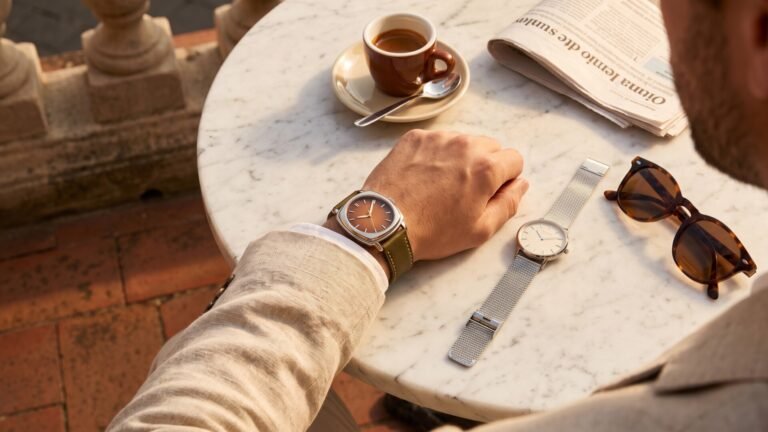
Although Switzerland dominates watchmaking, Italian brands excel in case design and strap craftsmanship. Houses such as Bulgari, Panerai, and Gucci create timepieces with strong Italian design identity, often paired with high-quality leather straps.
Price range: $1,000–$10,000+
Key features: Distinctive case designs, luxurious straps, fashion-forward dials
Ties and Pocket Squares
A classic menswear category, Italian ties are crafted from silk, wool, or cashmere, with construction designed to ensure a clean knot and lasting shape. Pocket squares provide a subtle but refined accent to tailoring.
Price range: $100–$300 (ties), $50–$150 (pocket squares)
Key features: Hand-rolled edges, premium fabrics, elegant patterns
Gloves and Hats
Seasonal accessories that highlight Italian craftsmanship. Leather gloves are often produced in workshops in Naples and Tuscany, while cashmere beanies and fedoras add understated luxury to winter wardrobes.
Price range: $150–$500
Key features: Soft linings, precise stitching, refined proportions
The Most Important Italian Accessory Brands
Heritage Luxury Houses
Gucci – Gucci’s accessories are bold, highly recognizable, and often logo-driven. Pieces such as the GG Marmont belt, Web stripe silk scarves, and Horsebit hardware wallets are instantly identifiable. These accessories are designed to function as statement pieces meant to be seen. Prices typically range from $300 to $1,200.
Prada – Prada’s accessories are minimalist, intellectual, and understated. The triangular logo appears on belts, wallets, and eyewear, but is always subtle and restrained. The brand combines technical materials such as nylon and Saffiano leather with traditional craftsmanship. Prices generally range from $250 to $1,000.
Ferragamo – Ferragamo accessories represent the essence of quiet luxury. The Gancini hardware on belts and wallets is discreet, while silk scarves often feature heritage-inspired floral prints. Leather goods are traditionally hand-finished in Florence. Prices typically range from $200 to $800.
Quiet Luxury Leaders
Loro Piana – Loro Piana accessories prioritize material quality above all else. Cashmere scarves, suede gloves, and leather belts are crafted from the finest raw materials, with no visible branding. Prices generally range from $400 to $2,000.
Ermenegildo Zegna – Zegna’s accessories reflect its tailoring philosophy: refined, minimal, and impeccably constructed. Belts, wallets, and silk ties are made from premium materials with subtle branding. Prices typically range from $250 to $800.
Tod’s – Tod’s accessories emphasize casual elegance. Gommino-inspired belts, pebbled leather wallets, and understated eyewear reflect the brand’s heritage in driving shoes and relaxed luxury. Prices generally range from $200 to $600.
Modern Design Innovators
Bottega Veneta – Bottega Veneta’s accessories are defined by the Intrecciato woven leather technique. Belts, wallets, and cardholders use this signature pattern in place of overt logos. Under Matthieu Blazy, the brand has also expanded into sculptural jewelry and distinctive eyewear. Prices typically range from $400 to $1,500.
Golden Goose – Golden Goose accessories extend the brand’s distressed, “perfectly imperfect” aesthetic. Belts, hats, and small leather goods feature the signature star logo and intentionally hand-finished details. Prices generally range from $200 to $600.
Eyewear Specialists
Persol – Persol, part of Luxottica, produces handcrafted Italian sunglasses with a heritage dating back to 1917. Its signature Meflecto system provides enhanced frame flexibility and comfort. Prices typically range from $250 to $600.
Comparison Table: Leading Italian Accessory Brands
| Brand | Core Strength | Style Identity | Material Focus | Investment Value |
|---|---|---|---|---|
| Gucci | Statement accessories | Bold luxury | Leather + hardware | Very High |
| Prada | Minimal modern design | Intellectual luxury | Technical materials | High |
| Ferragamo | Heritage elegance | Timeless refinement | Leather craftsmanship | High |
| Zegna | Quiet luxury | Tailored minimalism | Premium textiles | High |
| Loro Piana | Ultra-luxury materials | Soft sophistication | Cashmere + leather | Very High |
| Bottega Veneta | Craft-led design | Minimal artistry | Leather weaving | Very High |
| Persol | Heritage eyewear | Classic Italian | Acetate | High |
How to Choose Italian Designer Accessories
Lifestyle Alignment
- Daily use – Invest in a full‑grain leather belt, a slim wallet, and a pair of high‑quality sunglasses. These will be used every day and should withstand wear.
- Occasional use – Silk scarves, statement jewelry, and luxury watches can be reserved for special occasions or outfit accents.
- Professional vs casual – For the office, choose understated pieces (Ferragamo belt, Prada wallet). For weekends, feel free to experiment with bolder colors and textures (Gucci, Bottega Veneta).
Material Considerations
- Leather – Full‑grain and vegetable‑tanned leathers are the most durable. Avoid corrected‑grain or bonded leather, which will not age well.
- Textiles – Silk scarves should be hand‑rolled and printed in Como. Cashmere should be from reputable mills (Loro Piana, Zegna).
- Metal – Look for solid stainless steel, silver, or gold plating over brass. Avoid cheap alloys that will tarnish or flake.
Versatility and Wardrobe Integration
- Neutral colors – Black, brown, beige, and navy are the most versatile. A black leather belt or a beige silk scarf will pair with almost any outfit.
- Statement pieces – A printed Gucci scarf or a woven Bottega belt can add personality to a minimalist wardrobe. Buy these after you have your basics.
Longevity vs Trend Appeal
- Investment mindset – Classic accessories (leather belts, silk scarves, acetate sunglasses) will never go out of style. Buy the best you can afford.
- Trend pieces – Logo belts, chunky jewelry, and experimental eyewear may date quickly. Buy them for fun, not for long‑term value.
Italian Designer Accessories in Everyday Style
The Role of Subtle Luxury
A well‑chosen accessory can transform a basic outfit into something intentional. A simple white t‑shirt and jeans become elevated with a leather belt and a silk scarf. A tailored suit gains personality with a printed pocket square. Accessories are the details that signal that you care about how you present yourself.
Building a Cohesive Wardrobe
Coordinate your accessories:
- Match metals – If your watch has a silver case, choose a belt buckle in silver or stainless steel. Mixing metals can work, but it requires confidence.
- Match leather tones – A brown leather belt should complement your brown shoes. They do not need to match exactly, but they should be in the same tonal family.
- Use scarves as accents – A silk scarf in a contrasting color can add life to a neutral outfit.
The “Less But Better” Philosophy
Italian style is not about having many accessories; it is about having the right few. A single, exceptional leather belt is better than five mediocre ones. One cashmere scarf will outlast a dozen acrylic alternatives. Focus on quality, not quantity.
Gender‑Neutral Styling Approach
Many Italian accessories are designed without gender in mind. A leather belt, a silk scarf, a pair of sunglasses — these are universal objects that work equally well for men and women. Brands like Prada, Bottega Veneta, and Zegna have embraced this fluidity.
Are Italian Designer Accessories Worth It?
Craftsmanship vs Price
Italian accessories command higher prices primarily because they are built to a higher standard of craftsmanship. For example, a $400 Ferragamo belt typically uses full-grain calfskin leather, hand-burnished edges, and a solid brass buckle. By contrast, a $50 mass-market belt is usually made from corrected-grain leather or synthetic materials, with glued edges and a hollow or plated buckle. These differences are not minor—they are structural and become increasingly noticeable as the product ages. Over time, the premium materials age better, while lower-quality alternatives tend to crack, peel, or deform.
Longevity and Cost Per Wear
The value of Italian accessories becomes clearer when measured over time. A $300 leather wallet used daily for five years (approximately 1,825 uses) costs about $0.16 per use. A $50 wallet replaced every year over the same period costs roughly $0.27 per use. Beyond the numbers, the Italian wallet will typically remain in good condition throughout the entire period, while cheaper alternatives will need multiple replacements and gradually degrade in quality and appearance.
Resale and Heritage Value
Certain Italian accessories retain a meaningful portion of their value over time, particularly iconic or recognisable designs. Items such as Gucci GG belts, Ferragamo silk scarves, and Bottega Veneta woven wallets often perform relatively well on the secondary market. In some cases, pristine or box-fresh examples can resell for 50–70% of their original retail price. While accessories should not be viewed as financial investments, they do hold value significantly better than mass-produced alternatives.
Functional Luxury Argument
Accessories are among the most frequently used luxury items in daily life. A belt is fastened and unfastened repeatedly, a wallet is handled dozens of times a day, and sunglasses are worn for hours at a time. Because of this constant interaction, durability and material quality matter far more than in occasional-use items. In this context, paying for higher quality is not excess—it is practical, long-term thinking that improves everyday experience.
Caring for Italian Designer Accessories
Leather Care and Storage
- Condition – Apply leather conditioner every 6‑12 months to prevent drying and cracking.
- Clean – Wipe with a soft, damp cloth. For deeper cleaning, use a leather cleaner.
- Store – Keep leather accessories in dust bags, away from direct sunlight and heat. Avoid plastic, which traps moisture.
Textile Maintenance
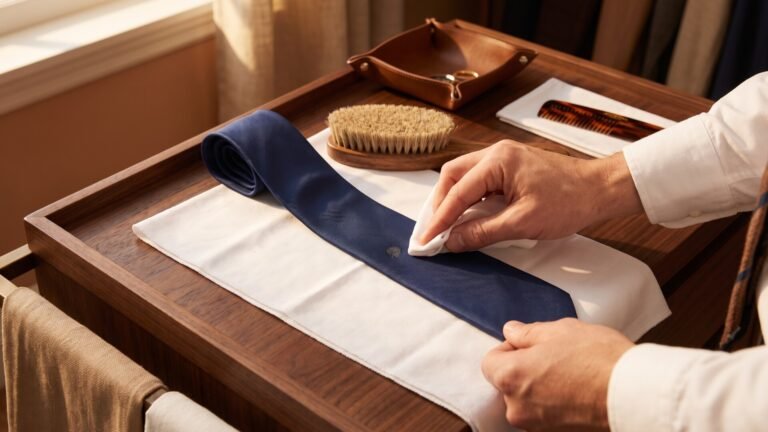
- Silk scarves – Dry clean only. Store flat or rolled to prevent creasing.
- Cashmere scarves – Hand wash in cold water with cashmere shampoo, or dry clean. Store folded, not hung.
Metal and Hardware Care
- Jewelry – Wipe with a soft cloth after each wear. Avoid contact with perfumes and lotions.
- Belt buckles – Clean with a damp cloth. For tarnished metal, use a jewelry polishing cloth.
Rotation and Long‑Term Preservation
- Rotate – Do not wear the same leather belt every day. Leather needs time to recover.
- Storage – Use a felt‑lined drawer or a designated accessory tray. Keep items separate to prevent scratching.
Frequently Asked Questions About Italian Designer Accessories
What are Italian designer accessories?
Luxury items crafted in Italy — belts, wallets, scarves, eyewear, jewelry, watches, ties, gloves, and hats — that combine premium materials with expert craftsmanship and refined design.
Why are Italian accessories so expensive?
Due to the cost of premium materials (full‑grain leather, silk, cashmere), artisanal construction (hand‑stitching, edge painting), and heritage production regions (Como silk, Tuscan leather, Florentine metalworking).
Which Italian brands make the best accessories?
Gucci (statement pieces), Prada (minimal modern), Ferragamo (heritage elegance), Zegna (quiet luxury), Loro Piana (ultra‑luxury materials), Bottega Veneta (craft‑led design), and Persol (eyewear).
Are Italian accessories worth the money?
Yes, especially for daily‑use items like belts, wallets, and sunglasses. The cost per wear over time is lower than mass‑market alternatives, and the quality is vastly superior.
What materials are commonly used?
Full‑grain leather, vegetable‑tanned leather, silk, cashmere, wool, acetate, stainless steel, gold, and premium alloys.
Do Italian accessories last long?
Yes. With proper care, a high‑quality leather belt or wallet can last 10‑20 years. Silk scarves and cashmere accessories can last decades.
Conclusion
Italian designer accessories are not afterthoughts. They are essential elements of refined style — the finishing layer that transforms a good outfit into a great one. From the leather belt that frames your trousers to the silk scarf that catches the light, from the sunglasses that shield your eyes to the wallet that holds your essentials, these objects are designed to be used, cherished, and passed down.
Italian accessories embody the principles of craftsmanship, material excellence, functional elegance, and long‑term value. They are not trends. They are foundations.
Use this hub as your gateway to deeper exploration. Discover the artistry behind Italian eyewear, the heritage of silk printing, the precision of leather goods, and the bold statements of modern design. Invest in accessories that will serve you for years — and that will only become more beautiful with time.
[Explore our category‑specific guides: Italian Sunglasses | Italian Belts | Italian Wallets | Italian Scarves | Italian Jewelry | Italian Watches]
[Read our brand deep dives: Gucci Accessories | Prada Accessories | Ferragamo Leather Goods | Zegna Textiles | Bottega Veneta Craft]