Protecting Nappa Leather From Water Damage and Spills
I have a confession. For years, I carried a beautiful Nappa leather handbag—the kind that makes you feel like you’ve truly arrived—and I treated it like it was made of steel. I tossed it in the back of my car, set it on restaurant floors, and once, in a moment of pure chaos, let it sit under a leaky water bottle in my gym bag. The result? A warped, water-stained mess that no amount of prayer or home remedies could fix. I learned the hard way that Nappa leather is not just another material; it’s a living surface that demands respect. If you’re reading this because you’ve just invested in a stunning Nappa piece—or you’re staring at one that’s seen better days—let me save you the years of trial and error. This is your comprehensive guide to protecting Nappa leather from water damage and spills, complete with the products that actually work.
Understanding Nappa Leather
Before we dive into protection, we need to understand what we’re dealing with. Nappa leather is a type of full-grain leather that’s tanned with a special process—usually chrome-tanned—to make it exceptionally soft, supple, and lightweight. It’s named after the Napa Valley in California, where the technique was perfected in the 19th century. Unlike other leathers that are painted or coated with a heavy finish, Nappa leather is often left relatively natural, which is why it feels so buttery against your skin.
This is both its greatest strength and its Achilles’ heel. Because Nappa leather is so porous and absorbent, it soaks up moisture like a sponge. Water doesn’t just sit on the surface; it penetrates deep into the fibers, causing them to swell, stretch, and lose their shape. Spills—whether it’s coffee, wine, or even a little rain—can leave permanent dark spots or discoloration. And here’s the kicker: once water dries, it can strip away the natural oils that keep the leather supple, leaving it stiff, cracked, and prone to further damage.
You’ll find Nappa leather everywhere in luxury fashion—on handbags from [Internal: top Italian designers], on high-end shoes, on jackets, and even on car interiors. It’s prized for its elegance, but that elegance comes with a price tag that includes maintenance. If you neglect it, you’re not just risking a stain; you’re risking the structural integrity of the item itself. I’ve seen a $3,000 handbag reduced to a crumpled shell because someone let it sit in a puddle for too long. Don’t let that be you.
Core Protective Strategies
Protecting Nappa leather isn’t about wrapping it in bubble wrap and never using it. It’s about building a routine that keeps the leather healthy and resilient. Let me walk you through the three pillars of protection: maintenance, resistance, and storage.
Maintenance Practices
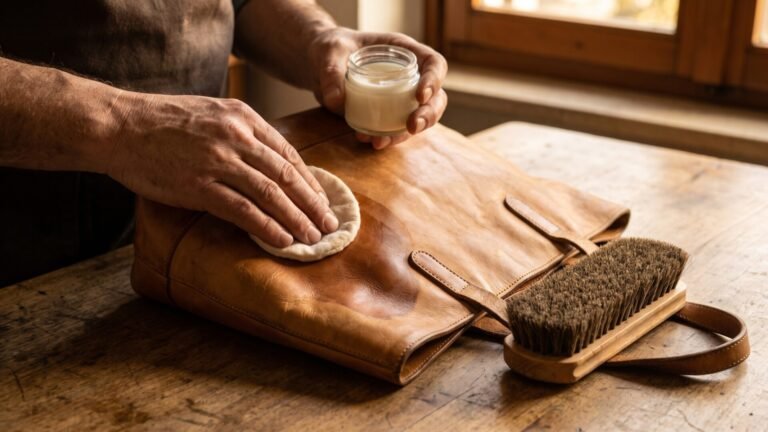
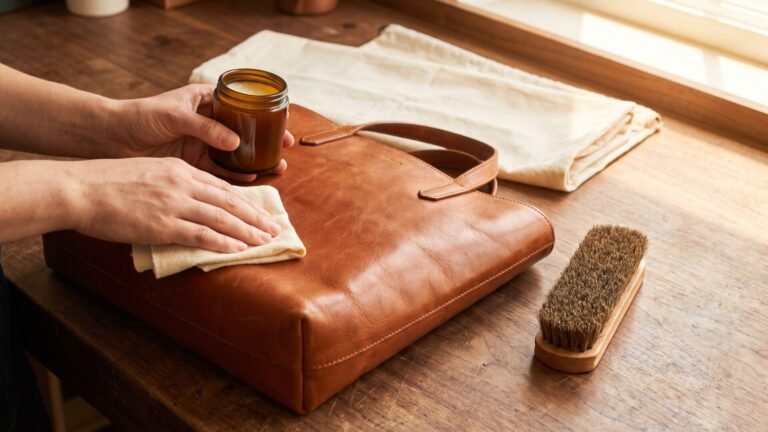
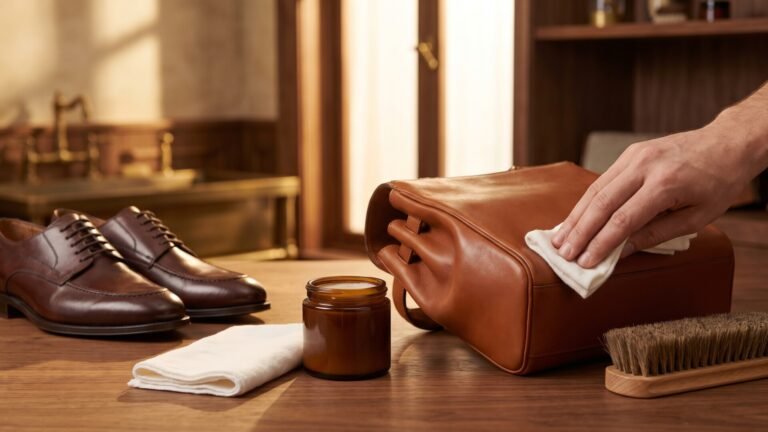
The foundation of Nappa leather care is regular cleaning and conditioning. Think of it like skincare for your bag. You wouldn’t go months without moisturizing your face, right? The same logic applies here. Every few weeks—or at least once a month—gently wipe down your leather with a soft, dry cloth to remove surface dust and dirt. Then, apply a high-quality leather conditioner to replenish the oils that naturally deplete over time. This keeps the leather supple and prevents it from becoming brittle.
But here’s the thing: maintenance is also about immediate action. The moment a spill happens, you need to act fast. Blot—don’t rub—the area with a clean, dry cloth to absorb as much liquid as possible. Rubbing will only push the liquid deeper into the fibers. If the spill is particularly stubborn, a small amount of gentle leather cleaner can help lift the stain, but always test it on an inconspicuous area first.
Water and Stain Resistance
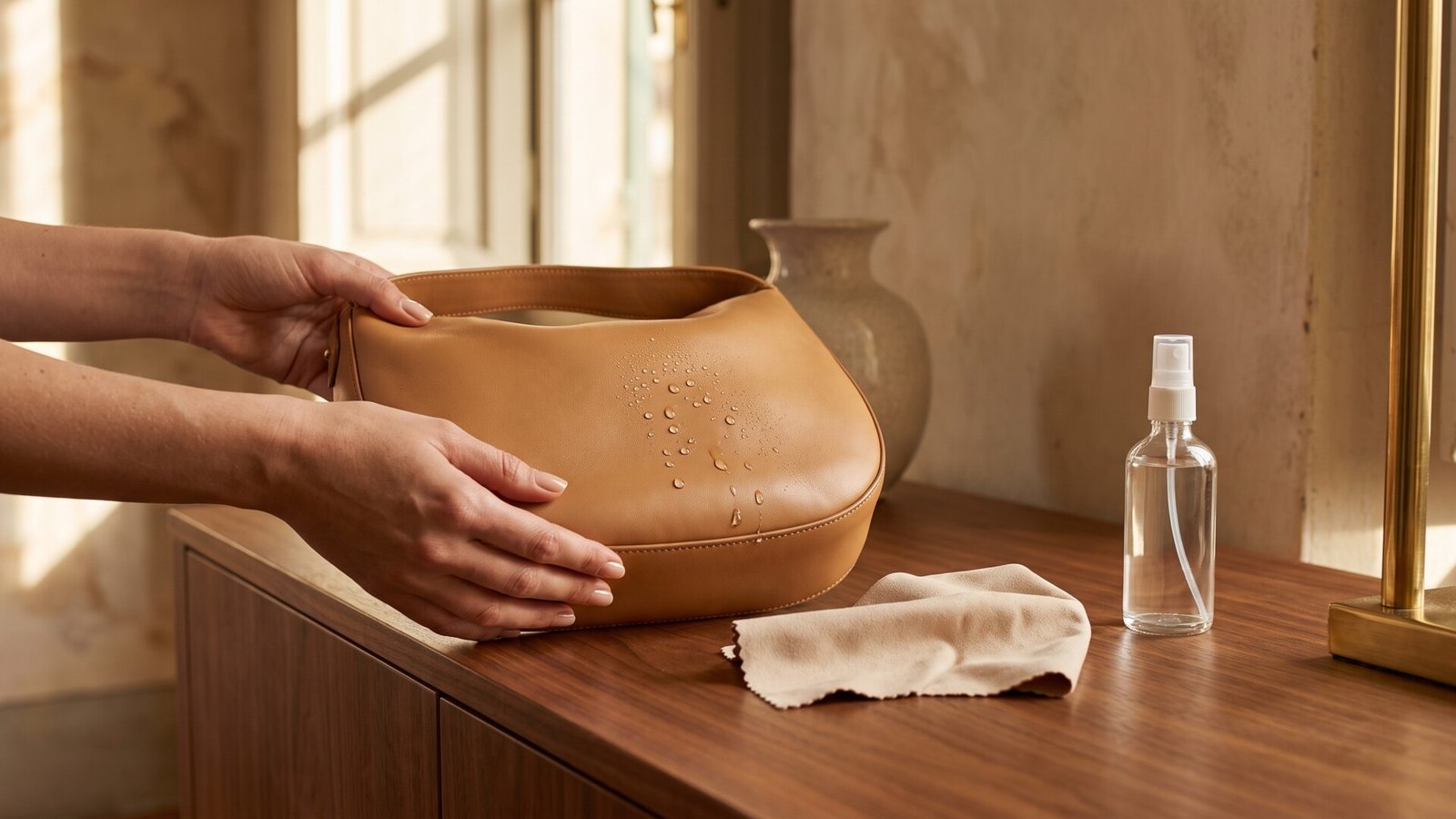
Prevention is always better than cure. Water and stain protectants create an invisible barrier on the surface of the leather that repels liquids before they can penetrate. This is your first line of defense, and it’s non-negotiable if you live in a rainy climate or you’re prone to carrying coffee everywhere (guilty as charged).
When choosing a protectant, look for one that’s specifically designed for leather. Some sprays can leave a residue or alter the finish, so it’s worth investing in a reputable brand. Apply the protectant in a well-ventilated area, holding the bottle about six inches from the surface, and spray in even, sweeping motions. Let it dry completely before using the item. You’ll want to reapply every few months, depending on how often you use the piece.
Storage Recommendations
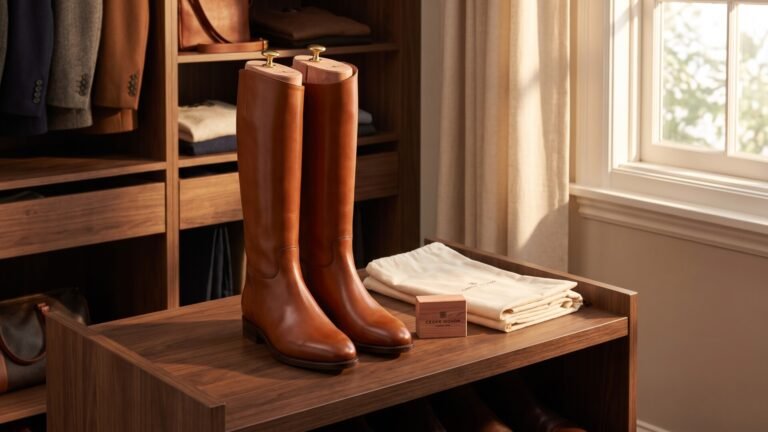
How you store your Nappa leather is just as important as how you care for it. Leather needs to breathe, so avoid plastic bags or airtight containers. Instead, store your items in a breathable dust bag—the one that came with your purchase is perfect. Stuff the bag or shoes with acid-free tissue paper to help them maintain their shape. And here’s a tip I wish someone had told me years ago: keep your leather away from direct sunlight and heat sources. Prolonged exposure can cause fading and drying, which makes the leather more susceptible to cracking.
Recommended Protective Products
Now, let’s talk about the tools of the trade. I’ve tested dozens of products over the years, and these are the ones that have earned a permanent spot in my leather-care kit. Each one serves a specific purpose, and together, they form a complete protection system.
Leather Cleaners
- Moneysworth & Best Leather Cleaner — This is my go-to for regular cleaning. It’s a gentle, pH-balanced formula that lifts dirt and grime without stripping the leather’s natural oils. I’ve used it on everything from handbag handles to shoe scuffs, and it never disappoints. It’s the kind of product that makes you wonder why you ever used anything else.
Leather Conditioners
- Lexol Leather Conditioner — If you want your Nappa leather to stay soft and supple, this is the conditioner you need. Lexol is a trusted name in the industry, and for good reason. It penetrates deep into the leather, restoring flexibility and preventing the dreaded cracking that comes with dryness. A little goes a long way, so a bottle will last you months.
Water and Stain Protectants
-
Apple Brand Garde Rain & Stain Repellent — This is the product that saved my sanity. It creates a protective barrier that makes water bead up and roll off the surface, just like a freshly waxed car. The best part? It doesn’t alter the look or feel of the leather. You’ll forget it’s even there—until you spill your latte and watch it slide right off.
-
Kiwi Camp Dry Water Repellent — For a more heavy-duty option, Kiwi Camp Dry is a solid choice. It’s originally designed for outdoor gear, but it works beautifully on leather. It provides a durable, long-lasting barrier that’s perfect for items that see a lot of wear, like boots or bags you carry every day.
Cleaning Kits
- Leather Honey Complete Care Kit — This is the all-in-one solution I recommend to anyone who wants to simplify their routine. It includes a cleaner, a conditioner, and an applicator, so you have everything you need in one box. Leather Honey is a brand that’s been around for decades, and their products are formulated with natural ingredients that are safe for all types of leather, including Nappa.
Practical Application Section
Okay, so you’ve got the products. Now let’s talk about how to actually use them in real life. Because let’s be honest—life happens. You’re going to spill wine at a dinner party. You’re going to get caught in a downpour. You’re going to set your bag down on a damp counter. The question isn’t if it will happen; it’s when. And when it does, you need to know what to do.
Let me walk you through a few scenarios. Say you’re at a café, and your water glass tips over, soaking the corner of your bag. Your first instinct might be to panic. Don’t. Instead, grab a napkin and blot the area gently. If you have a leather cleaner on hand, apply a small amount to a soft cloth and work it into the affected area in circular motions. Then, let it air dry naturally—no hair dryers, no heat guns. Once it’s dry, follow up with a conditioner to restore the oils that the water may have stripped away.
Now, what about a stubborn stain, like red wine or ink? This is where the protectant you applied weeks ago becomes your best friend. If you’ve pre-treated your leather, the stain will have a much harder time penetrating the surface. But if you haven’t, you’ll need to act fast. Blot up as much as you can, then use a specialized leather stain remover. I’ve had success with Leather Honey Complete Care Kit for this exact purpose. It’s formulated to tackle tough stains without damaging the leather.
The key to all of this is consistency. You can’t just protect your leather once and forget about it. Make it a habit. Every time you clean your bag, check the condition of the protectant. Every time you condition, take a moment to inspect for any signs of wear. It takes two minutes, and it will save you hours of stress—not to mention hundreds of dollars in repairs.
Value and Investment Considerations
Let’s talk about the money side of things, because this is a money article, after all. When you invest in Nappa leather, you’re not just buying a product—you’re buying an experience. But that experience comes with a responsibility to maintain it. And here’s the thing: proper care isn’t just about keeping your item looking pretty. It’s about protecting your investment.
Consider the cost-per-wear. A $2,500 handbag that you carry five times a week for two years costs you about $24 per wear. That’s a steal. But if you don’t protect it, and it gets ruined within six months, that same bag costs you over $400 per wear. The math doesn’t lie. Preventive care is the most cost-effective thing you can do for your luxury items.
This is also crucial for resale value. The luxury resale market is booming, and well-maintained items can fetch up to 70% of their original retail price. But a bag with water stains, cracks, or discoloration? You’ll be lucky to get 20%. I’ve seen it happen time and time again—someone brings in a beautiful Nappa bag that’s been neglected, and the offer is a fraction of what it’s worth. Don’t let that be you. A $20 bottle of protectant can save you thousands in the long run.
The Hidden Trade-Offs
Here’s where I get to share the hard-won wisdom that most articles skip. Protecting Nappa leather isn’t as simple as “spray it and forget it.” There are trade-offs that most buyers don’t consider until it’s too late.
First, there’s the over-treatment problem. I know it’s tempting to slather on conditioner and spray on protectant every week, but more isn’t always better. Over-conditioning can make the leather feel greasy and attract dirt. Over-spraying can leave a residue that dulls the finish. The key is to find the right balance. I usually condition every two to three months and reapply protectant every three to four months, depending on usage.
Second, there’s the misconception that all protectants are created equal. They’re not. Some contain silicones or solvents that can actually break down the leather over time. Always read the label and choose products that are specifically formulated for leather. If you’re unsure, test it on a small, hidden area first.
Third, there’s the “I’ll deal with it later” mindset. I get it—life gets busy. But the longer you wait to address a spill or a stain, the harder it is to fix. Water that sits on leather for hours will cause permanent damage. Stains that set in become nearly impossible to remove. The moment something happens, deal with it. Future you will be grateful.
Buying Verdict Section
So, who should invest in protective products for Nappa leather? Honestly, anyone who owns Nappa leather should have at least a basic cleaning and conditioning routine. But the level of investment depends on your lifestyle.
If you’re a frequent traveler, or you live in a rainy or humid climate, a high-quality water and stain protectant is non-negotiable. You’ll also want a durable option like Kiwi Camp Dry Water Repellent that can withstand the elements. If you’re someone who carries your bag daily, you’ll want a comprehensive kit like Leather Honey Complete Care Kit to handle everything from regular maintenance to emergency stains.
If you’re more of an occasional user—say, you bring out your Nappa pieces for special occasions—you can get away with a simpler routine. A gentle cleaner and a conditioner will suffice. But don’t skip the protectant. Even occasional use leaves your leather exposed to the elements.
The bottom line is this: the cost of protective products is a fraction of the cost of your Nappa leather items. Skipping them to save a few dollars is like buying a luxury car and skipping the oil changes. It’s a false economy that will cost you dearly in the long run.
Conclusion
I remember the first time I ruined a Nappa leather bag. It was a beautiful tan tote, and I loved it more than words can say. When I saw the water stain spreading across the front, I felt a physical ache in my chest. I thought I had lost it forever. But then I learned—slowly, painfully—that with the right care, Nappa leather can be protected, preserved, and even restored. It just takes a little effort and the right products.
The secret at the heart of Nappa leather care is this: it’s not about being afraid to use your things. It’s about being smart about how you use them. With a routine of cleaning, conditioning, and protecting, you can enjoy your Nappa leather pieces for years—decades, even—without worrying about the next spill or storm.
So, take a deep breath. Invest in a good protectant. Build a care routine that fits your lifestyle. And then go out and live your life with your beautiful Nappa leather by your side. It’s meant to be worn, not worshiped.
If you’re ready to start protecting your investment, [Affiliate: explore our collection of leather care products] and find the ones that work for you.
Frequently Asked Questions About Nappa Leather
What is Nappa leather?
Nappa leather is a full-grain leather that’s tanned to be exceptionally soft, supple, and lightweight. It’s often used in luxury handbags, shoes, and accessories because of its elegant feel and appearance.
How often should I clean and condition Nappa leather?
I recommend cleaning your Nappa leather every two to four weeks, depending on how often you use it. Conditioning should be done every two to three months, or whenever the leather starts to feel dry or stiff.
Can I use regular household cleaners on Nappa leather?
No. Household cleaners contain harsh chemicals that can strip the leather of its natural oils and cause damage. Always use products that are specifically formulated for leather.
What if my Nappa leather gets wet?
Blot the area immediately with a clean, dry cloth to absorb as much moisture as possible. Let it air dry naturally, away from direct heat. Once dry, apply a leather conditioner to restore the oils that water may have stripped away.
How do I remove stains from Nappa leather?
Use a specialized leather stain remover or a gentle leather cleaner. Apply it to a soft cloth and work it into the stain in circular motions. Always test on a hidden area first to ensure it doesn’t damage the leather.
Are protectants safe for all Nappa leather items?
Most protectants are safe for Nappa leather, but it’s always best to test on a small, inconspicuous area first. Some protectants may alter the color or finish of certain leathers, so it’s better to be safe than sorry. —