Gucci: Italian Craftsmanship Meets Modern Luxury
Few names in Italian fashion resonate as powerfully as Gucci. Over nearly a century, the brand has become synonymous with innovation, luxury, and cultural influence, blending Italian heritage with bold creativity. From its beginnings in a small Florentine workshop to its current status as a global fashion powerhouse, Gucci continues to set the standard for what Italian luxury can be. This sub-hub serves as a comprehensive guide to Gucci’s history, products, design philosophy, and lasting influence, while linking to more in-depth articles on handbags, shoes, ready-to-wear, accessories, and lifestyle products.
Whether you’re a collector, a fashion enthusiast, or simply curious about Italian luxury, this page is your starting point for understanding why Gucci is much more than a logo—it’s a symbol of Italian elegance, creativity, and cultural relevance.
The Origins of Gucci
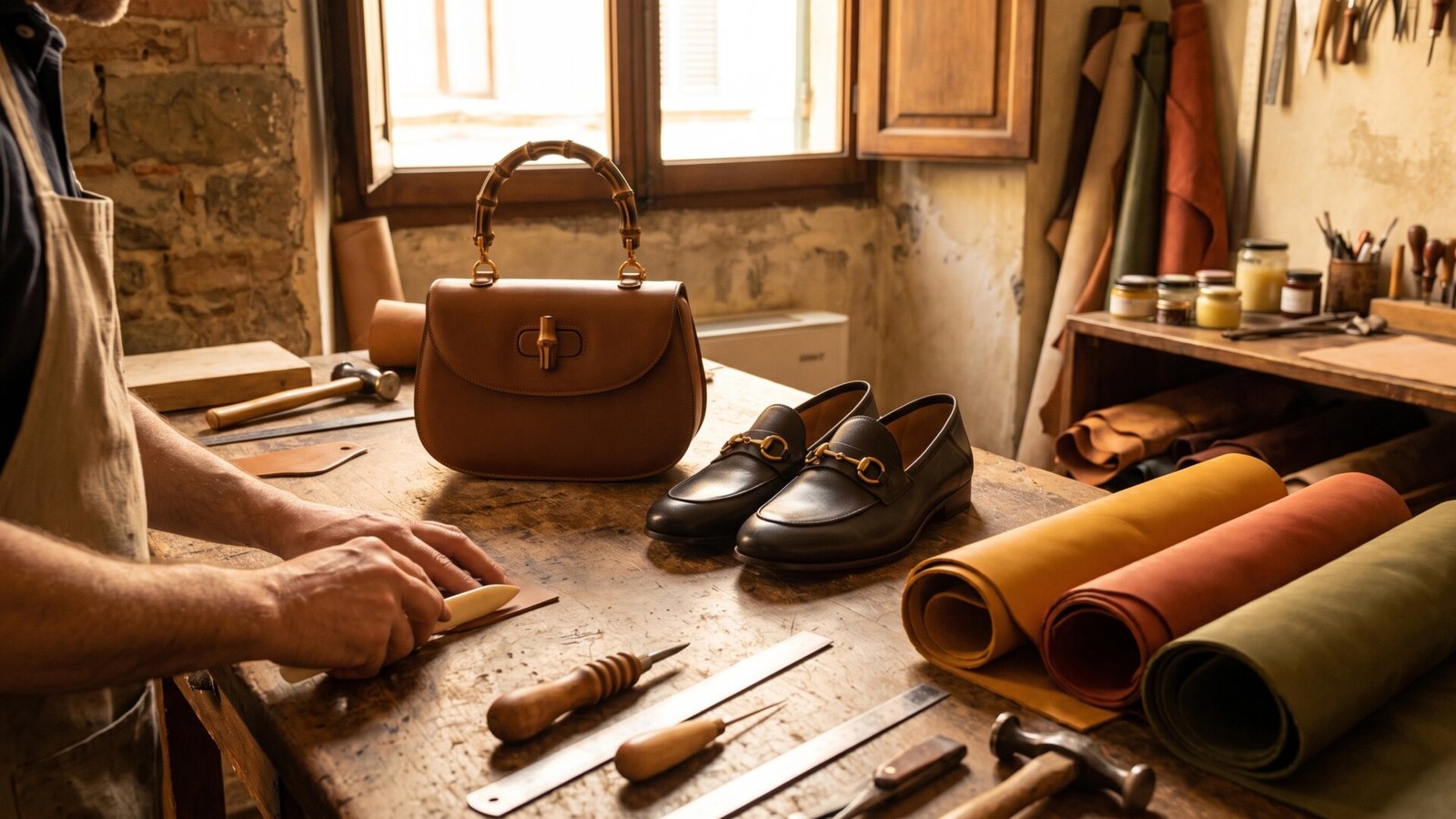
Guccio Gucci founded Gucci in 1921 in Florence, Italy, with a focus on crafting high-quality leather goods inspired by the elegance he had observed while working at luxury hotels in London. His vision combined practicality, craftsmanship, and understated sophistication, catering to a clientele who appreciated both quality and style.
In its early years, Gucci specialized in luggage, leather accessories, and equestrian-inspired designs, reflecting Italy’s cultural connection to equestrian sports and travel. By the 1930s and 1940s, the brand had already built a reputation for meticulous craftsmanship, hand-selected materials, and practical yet luxurious products, laying the foundation for Gucci’s rise as a symbol of Italian elegance and global prestige.
Gucci Through the Decades
Gucci’s journey through fashion history is marked by innovation, family dynamics, and cultural influence. Each era contributed to the brand’s identity, evolving from a regional workshop into an international luxury powerhouse.
1950s–1960s: International Expansion
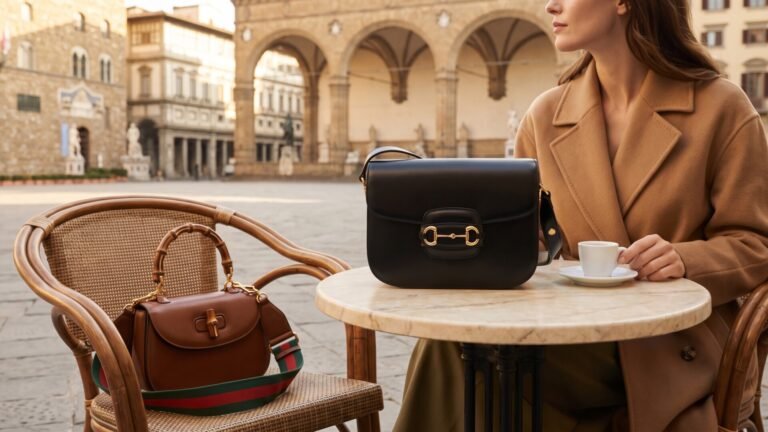
This period marked Gucci’s emergence on the global stage. The GG logo, originally created by Guccio’s sons, became a symbol of luxury and refinement. The bamboo-handled handbag, introduced in 1947, became an instant classic and remains one of Gucci’s most recognizable designs. Celebrities, aristocrats, and international travelers embraced Gucci, helping the brand establish its reputation for elegance and quality.
1970s–1980s: Ready-to-Wear and Lifestyle
During this era, Gucci expanded beyond leather goods into ready-to-wear, fragrances, and lifestyle products, appealing to a broader global audience. Despite family disputes and management challenges, the brand maintained its reputation for craftsmanship while experimenting with new products and markets.
1990s: Tom Ford’s Transformation
The 1990s were pivotal for Gucci. Designer Tom Ford redefined the house with a bold, sexy aesthetic that attracted a younger, fashion-forward audience. His influence extended to both ready-to-wear and accessories, establishing Gucci as a brand that dared to be provocative while maintaining luxury credibility.
2000s–Present: Modern Creativity
Creative directors like Frida Giannini and Alessandro Michele brought new energy and vision to the brand. Michele, in particular, is known for his maximalist, eclectic style, blending historical references, pop culture, and eccentric details to make Gucci a global fashion icon admired by multiple generations.
Gucci Handbags
Gucci handbags are among the brand’s most iconic products, combining craftsmanship, innovation, and visual impact. From timeless classics to modern statement pieces, Gucci bags are sought after by collectors and style enthusiasts worldwide.
Iconic Bags
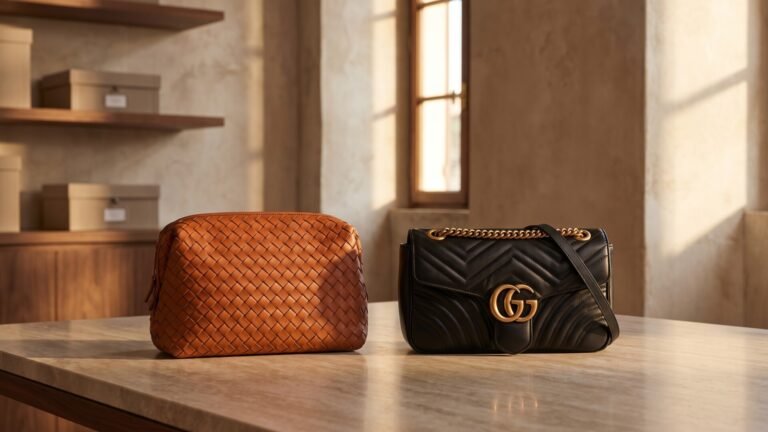
- GG Marmont: Features chevron quilting and bold logo hardware. Versatile and elegant, it’s a modern classic.
- Dionysus: Known for its distinctive tiger-head clasp and structured silhouette.
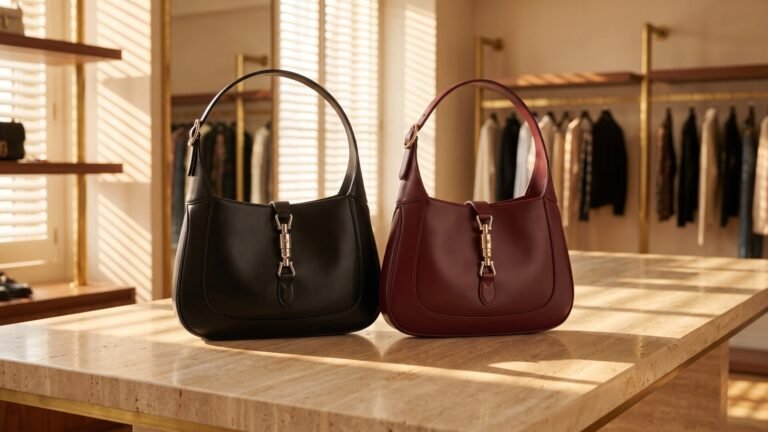
- Jackie Bag: Originally designed in the 1960s, revived for today’s fashion-conscious audience.
Curious how Gucci’s most iconic bags hold up over time? Check out Gucci Dionysus vs Marmont Bag: 5-Year Wear and Tear Review to see how each performs and which might be the better long-term investment.
Materials and Craftsmanship
Gucci uses a wide range of premium materials, including Italian leather, exotic skins, and technical fabrics, often sourced and treated in-house. Each bag undergoes meticulous craftsmanship, ensuring durability, style, and signature luxury.
Future content will expand this section with reviews of limited editions, seasonal collections, and styling guides, making this hub the go-to reference for Gucci handbags.
Gucci Shoes & Footwear
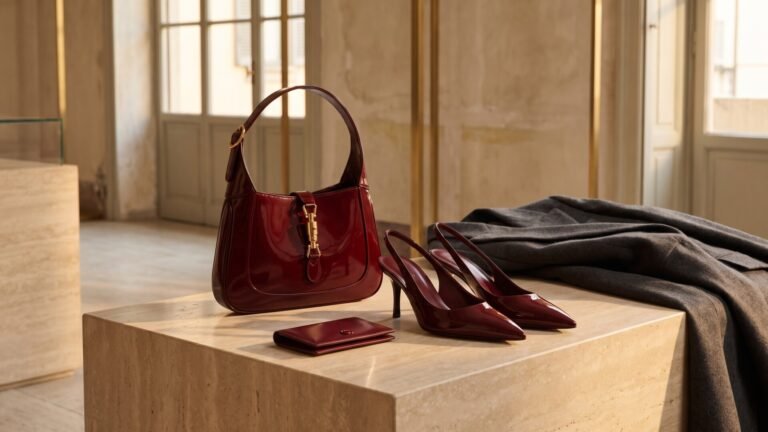
Gucci shoes are a perfect combination of Italian craftsmanship and fashion-forward design. From sneakers to formal shoes, the brand demonstrates attention to detail, high-quality materials, and innovative aesthetics.
Notable Styles
- Ace Sneakers: Minimalist with bold accents like the green-red-green stripe. A versatile luxury sneaker.
- Rhyton Sneakers: Chunky, statement sneakers that blend retro style with contemporary flair.
- Horsebit Loafers: Iconic classic loafers that exemplify timeless Italian craftsmanship.
- Statement Boots and Heels: Seasonal innovations with bold designs and meticulous construction.
These designs balance style, comfort, and investment value, making Gucci shoes both wearable and collectible. Future posts will explore seasonal footwear, collaborations, and limited editions.
Gucci Ready-to-Wear
Gucci’s apparel embodies eclectic luxury. With bold prints, unexpected textures, and gender-fluid silhouettes, Gucci clothing reflects art, history, and pop culture.
Key Features
- Prints and Patterns: Florals, logos, and geometric motifs combine traditional references with modern flair.
- Material Excellence: Silk, cotton, wool, and technical fabrics crafted in Italy.
- Cultural Influence: Collections often reference music, film, and art, creating garments with storytelling power.
Future content will include men’s and women’s seasonal reviews, styling tips, and investment pieces.
Gucci Accessories & Leather Goods
Gucci accessories extend the brand’s identity to everyday life:
- Belts: Signature buckles and leather quality make belts statement pieces.
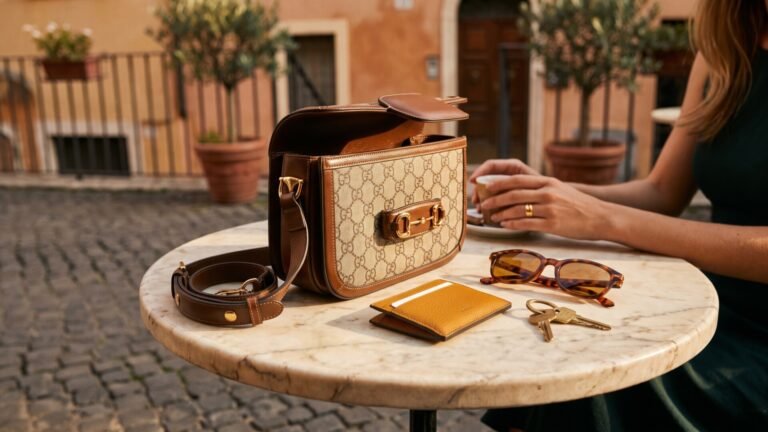
- Wallets & Small Leather Goods: Functional yet luxurious, perfect for collectors.
- Scarves & Shawls: Crafted in silk, cashmere, and wool blends.
- Eyewear & Jewelry: Bold, creative designs reflecting Gucci’s maximalist aesthetic.
Planned posts will cover how to style these accessories, care tips, and limited editions.
Gucci Lifestyle & Home
Gucci has expanded into lifestyle products, including home décor, furniture, and tabletop items. Collaborations with artists and designers extend the brand’s influence beyond fashion, blending luxury with cultural commentary.
Future content will explore:
- Signature homeware collections
- Art-inspired collaborations
- Exclusive lifestyle pieces
Materials & Craftsmanship
Gucci’s commitment to material quality and craftsmanship is at the heart of its luxury identity:
- Leather & Exotic Skins: Sourced ethically and crafted meticulously.
- Textiles & Prints: Silk, wool, jacquard, and modern fabrics.
- Workshop Collaboration: Italian artisans bring decades of skill to each product.
- Attention to Detail: Every stitch, clasp, and finish reflects Gucci’s standards.
Gucci in Pop Culture
Gucci is culturally pervasive, appearing in music, films, TV, and social media:
- Celebrity endorsements and red carpet appearances
- Viral campaigns that mix art, fashion, and humor
- Collaborations with musicians, photographers, and artists
This pop culture presence strengthens Gucci’s status as a trend-setting global brand.
Gucci and Sustainability
Gucci is increasingly focused on ethical sourcing, sustainable production, and eco-conscious luxury:
- Responsible material sourcing for leather, wool, and cotton
- Recycling programs and eco-friendly packaging
- Slow-luxury philosophy that emphasizes durability and timeless design
These efforts position Gucci as a modern luxury brand aligned with ethical and environmental standards.
Collector & Investment Insights
Gucci products, particularly limited-edition handbags, sneakers, and collaborations, often retain or increase in value over time. Collectors should pay attention to:
- Iconic models like the GG Marmont and Dionysus
- Seasonal collaborations and capsule collections
- Authenticity verification and maintenance tips
Future content will guide collectors on how to invest in Gucci pieces wisely.
Future of Gucci
Looking ahead, Gucci will continue to evolve:
- New creative directions blending heritage with digital innovation
- Luxury collaborations with artists, designers, and digital creators
- Expansion of lifestyle offerings, including home and tech accessories
Gucci balances Italian tradition with modern, global relevance, ensuring longevity and continued cultural influence.
Final Thoughts
Gucci exemplifies Italian luxury, creativity, and cultural relevance. From its artisan origins in Florence to its current position as a global fashion leader, Gucci continues to innovate while honoring its heritage. This hub serves as your guide to exploring the brand’s products, philosophy, and enduring influence, with room to expand as new content is published.
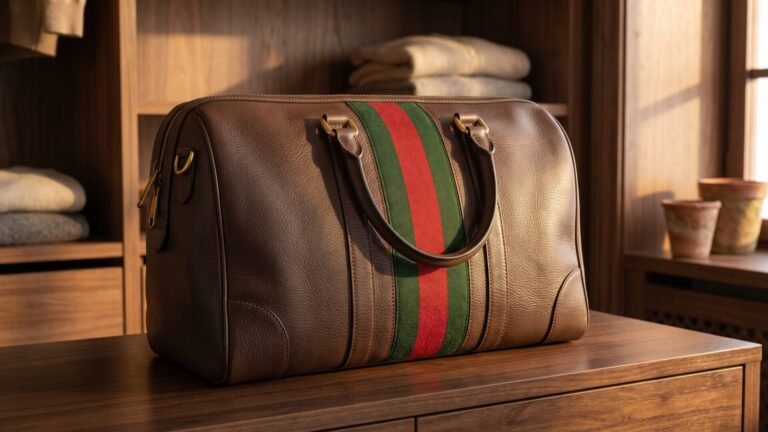
Curious about the story behind Gucci’s iconic green and red stripe? Check out The Significance of Gucci’s Green and Red Stripe to explore how this signature detail became a symbol of Italian luxury and timeless style.