A Short History of Italian Luxury Fashion Houses — How Passion, Craft, and Chaos Built an Empire
Let’s talk about Italian fashion. You know, that mix of luxury, emotion, and swagger that somehow makes even a plain white shirt look cinematic. Italy doesn’t just make clothes — it makes art you can wear. From power suits to dreamy gowns, from tailored jackets to wild prints, Italian fashion’s story is basically a love letter to beauty, rebellion, and perfection — all wrapped in fine silk.
This ain’t your average timeline; this is the story of how Italy built the soul of global fashion.
Chapter 1: Before the Runway — Where It All Began
Let’s rewind a bit — way before Milan became a fashion capital. Italy’s obsession with beauty goes way back. We’re talking Renaissance times. Florence, Venice, and Rome weren’t just producing art — they were creating the blueprint for luxury itself.
Back then, style was about status and skill. The nobles flexed with custom fabrics, rich colors, and handmade everything. Italian artisans were already legendary — weavers, tailors, leather workers, you name it.
Florence, especially, became known for textiles and craftsmanship — the same spirit that would later define houses like Gucci and Salvatore Ferragamo.
So even before “fashion” was a global industry, Italy was already training generations of perfectionists.
Chapter 2: Post-War Italy — The Birth of Modern Style
Fast forward to the 1940s and 50s — Italy is rebuilding after WWII. Money’s tight, but creativity? Overflowing. Cities like Florence and Rome start buzzing with young designers and old-school artisans.
And then, boom: Italian fashion goes global.
In 1951, a dude named Giovanni Battista Giorgini threw the first Italian fashion show in Florence. He invited American buyers, and they went nuts for the elegance and craftsmanship of Italian clothes. Suddenly, Italy wasn’t just competing — it was redefining style.

This era birthed some of the first true luxury houses:
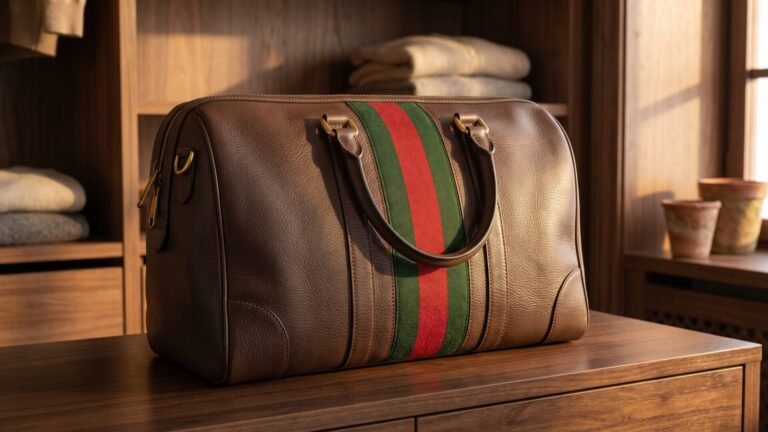
- Gucci, with its leather goods and refined cool.
- Salvatore Ferragamo, turning shoes into sculpture.
- Emilio Pucci, who made psychedelic prints high fashion.
Rome became the “Hollywood on the Tiber,” with stars like Audrey Hepburn and Elizabeth Taylor rocking Italian designs on and off screen. Fashion and film collided — and Italy’s global glow-up began.
Chapter 3: The 60s & 70s — Glamour, Power, and the Rise of Icons
By the 1960s, Italian fashion was unstoppable. The country was booming economically — and so was its creative energy.
Here’s where things get real iconic:
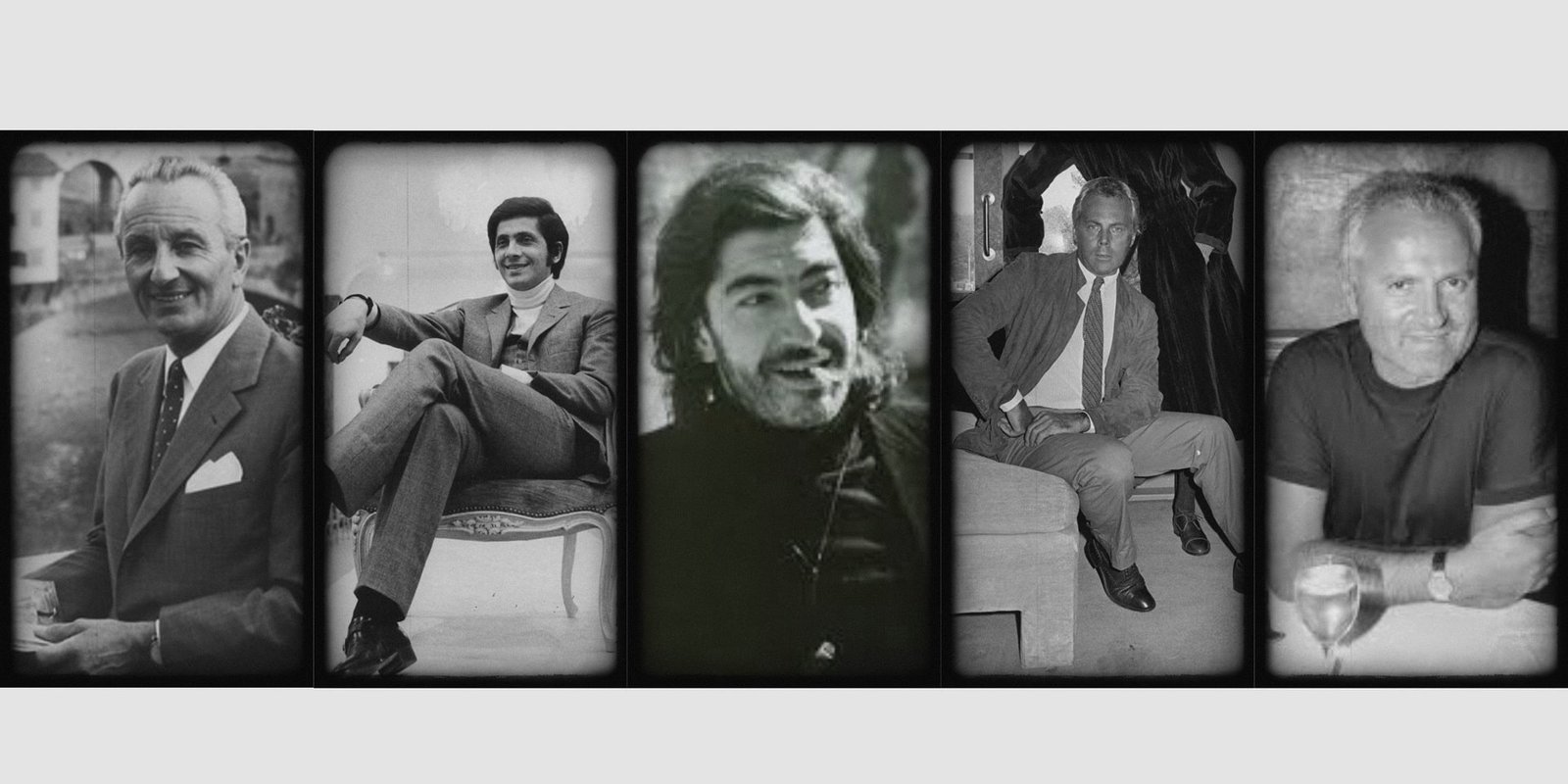
- Giorgio Armani started redefining tailoring. His soft, unstructured jackets made suits feel human, not stiff.
- Missoni turned knitwear into an art form — bright zigzags, wild colors, and cozy luxury.
- Valentino Garavani stepped in with pure elegance — Valentino red became an instant classic.
- Roberto Cavalli showed up with animal prints, leather, and attitude.

Italy found its formula: sex appeal + craftsmanship + flair.
Meanwhile, Milan started rising as the center of it all. Why? Because Milan understood business. While Rome was all about movie stars and glam, Milan was the city of industry and innovation. Designers there figured out how to make luxury scalable, and that’s when the fashion industry as we know it really took off.

Chapter 4: The 80s — Power, Drama, and the Golden Age
Ah, the 1980s — the golden era. Big hair, bold prints, sharper suits. Italian fashion basically ruled the world.
This is when the big names became legends:
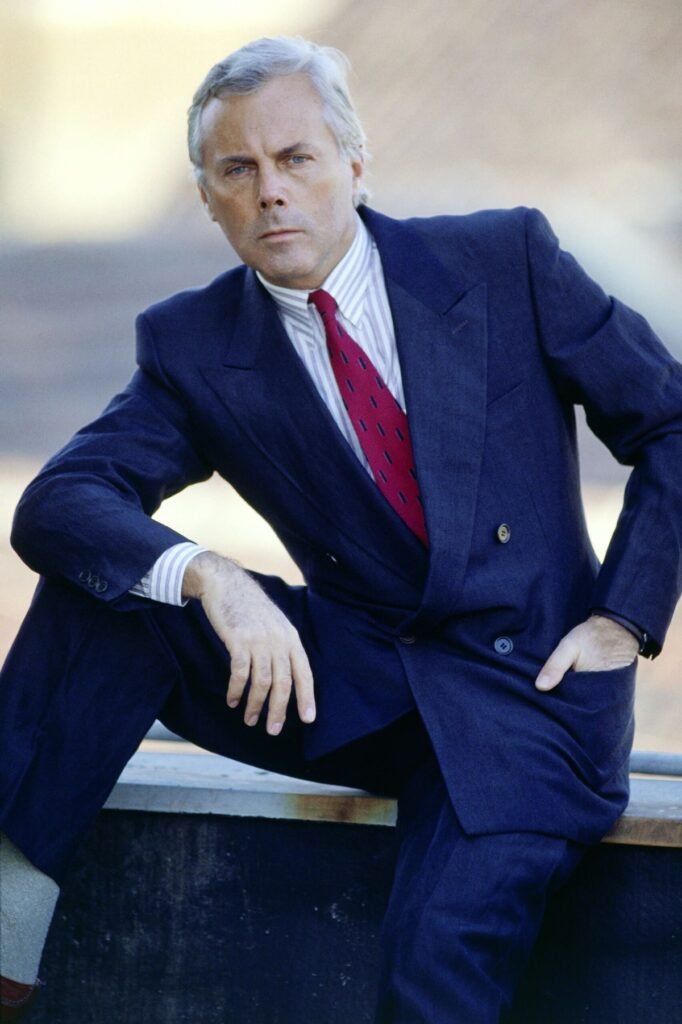
- Giorgio Armani became the king of minimalist cool. His suits in American Gigolo made every man want to dress like Richard Gere. Armani built an empire on clean lines and quiet confidence.
- Gianni Versace brought pure fire. His designs were loud, sexy, and fearless — think gold medusas, silk shirts, and supermodels dripping in attitude.
- Dolce & Gabbana (Domenico and Stefano) came in with Sicilian romance and baroque drama — corsets, lace, and all the Catholic guilt turned into couture.
- Moschino, founded by Franco Moschino, flipped the script with irony and humor — mocking the fashion world while ruling it.

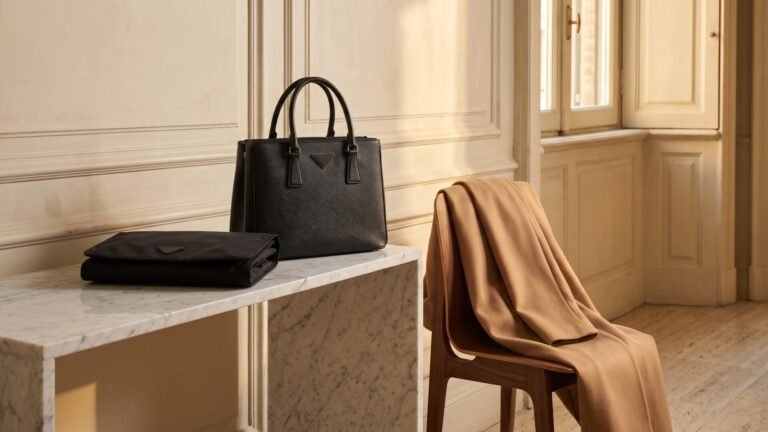
And let’s not forget Prada — Miuccia Prada was quietly changing everything. In 1985, she launched those minimalist nylon bags that turned luxury upside down. Her take on fashion? Intelligent rebellion. She made ugly chic.
This was the decade Italy owned confidence — style that wasn’t afraid of excess, but somehow always stayed classy.
Chapter 5: The 90s — Supermodels, Streetwear, and Power Plays
Now, let’s talk 90s — the decade that gave Italian fashion its pop culture crown.
Runways became global TV events. The “Big Five” — Naomi, Linda, Cindy, Christy, and Claudia — strutted in Versace and made it clear: Italy was the heartbeat of fashion.
Gianni Versace’s shows were rock concerts, blending art, music, and theater. Armani was dressing Hollywood’s elite. Prada was changing minds with her brainy, subversive collections. Dolce & Gabbana were turning femininity into strength.
But this era wasn’t just glitz — it also saw Italian brands go corporate. Family-run houses became international fashion empires. Global expansion, licensing deals, and luxury conglomerates entered the picture.
Still, even with all the money and fame, Italy’s magic stayed in its human touch — that blend of artisan tradition and innovation.
Chapter 6: The 2000s — Reinvention and Renaissance
The early 2000s brought change. Gianni Versace was gone, global markets were shifting, and fashion was becoming digital.
But Italian brands? They adapted.
- Donatella Versace carried her brother’s torch, keeping the glam alive while pushing Versace into new eras of inclusivity and modernity.
- Miuccia Prada went from “minimalist chic” to “cultural prophet,” using fashion to question gender, politics, and aesthetics.
- Domenico Dolce & Stefano Gabbana kept celebrating Italian heritage — sometimes controversial, but always passionate.
- Gucci, under Tom Ford, became the sexiest brand on earth — velvet suits, slick silhouettes, and unapologetic boldness.
By the mid-2000s, Italy was redefining itself again — merging heritage with modern storytelling. The old guard was evolving, and the new wave was rising.
Chapter 7: The 2010s — The Age of Reinvention
Enter the 2010s, and suddenly, Milan Fashion Week is the place to be again. Why? Because Italian brands learned to mix tradition with disruption.
- Gucci, under Alessandro Michele, flipped the script entirely. Vintage, gender-fluid, and maximalist — suddenly Gucci was weird in the best way. Michele made fashion fun again.
- Valentino, led by Pierpaolo Piccioli, brought emotion and inclusivity to couture — celebrating individuality with modern grace.
- Prada doubled down on intellect meets irony, balancing timeless design with cultural dialogue.
- Bottega Veneta, under Daniel Lee, modernized quiet luxury — minimalist, sleek, and tactile.
Meanwhile, younger Italian designers like Marco Rambaldi and Matty Bovan (working with Italian artisans) carried the torch forward — proof that Italy’s soul still beats in every stitch.
Chapter 8: What Makes Italian Luxury Different
Now, let’s break it down. What really separates Italian fashion from the rest?
1. The Craft
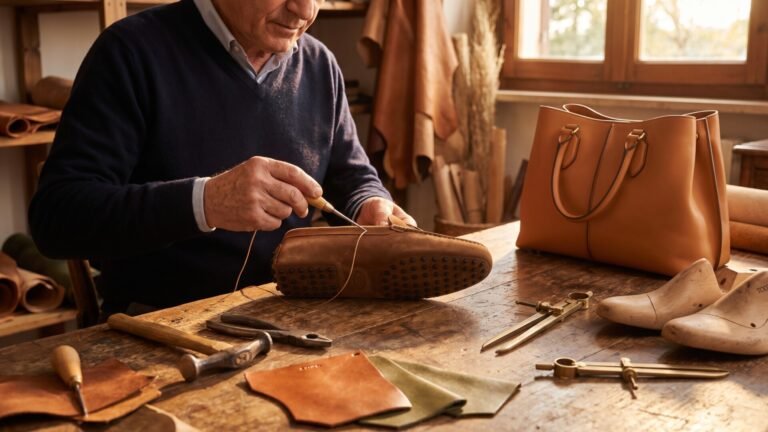
Every piece has a story. Italy’s artisans — the shoemakers, leather workers, tailors — are the backbone of the industry. Their skill is generational, their standards almost sacred.
2. The Passion
Italian fashion is emotional. It’s not afraid to be sensual, dramatic, or loud. It celebrates individuality, not conformity.
3. The Family Spirit
So many Italian houses started as family-run businesses — that legacy gives them a sense of soul. Even when they become corporate, the DNA remains personal.
4. The Blend of Tradition and Rebellion
From Armani’s quiet revolution to Versace’s flamboyant chaos, Italian designers thrive in that sweet spot between respect and risk.
Chapter 9: The Legacy Lives On
Today, Italian fashion is more global than ever — but its heart is still local.
Cities like Milan, Florence, and Rome still host craftsmanship schools, family ateliers, and independent designers who keep the legacy alive.
Italian luxury isn’t just about clothes — it’s about a way of living. The food, the art, the architecture — everything is connected by the same obsession with beauty and quality.
Even in an era of digital fashion, Italy keeps reminding the world:
“Luxury isn’t about showing off — it’s about showing care.”
That’s why you can feel the difference in an Italian-made bag or suit. It’s not just design — it’s devotion in material form.
Chapter 10: The Future — Old Souls, New Dreams
The next generation of Italian fashion houses is already here, blending sustainability, technology, and culture.
You’ve got brands like:
- Sunnei, mixing Milanese minimalism with youth culture.
- The Attico, bringing glam to the digital age.
- GCDS, playing with irony and pop references.
They’re proving that Italian fashion’s evolution never stops — it just reinvents itself every decade.
But even as trends shift, the essence stays the same: emotion, craft, and confidence. Italian fashion will always be that perfect espresso shot — intense, complex, unforgettable.
Final Thoughts: Italy, the Heartbeat of Luxury
From Florentine workshops to Milanese catwalks, from handcrafted leather to runway couture, Italy has given the world more than clothes — it’s given us attitude.
Italian fashion is what happens when art meets life, when craft meets chaos, when elegance meets fire.
Every stitch, every seam, every dramatic pose on a Milan runway tells the same story:
“We make beauty, because beauty is how we breathe.”
And honestly? That’s what makes Italian luxury eternal.
So next time you slip into an Armani jacket, lace up some Ferragamo shoes, or sling a Gucci bag — remember: you’re not just wearing a brand.
You’re wearing centuries of passion, pride, and poetry.