Why Bottega Veneta Intrecciato is a better investment than Gucci Marmont
For years, I chased the loudest logos in luxury fashion. I bought the bags that screamed from across the street, the ones that announced their price tag before I ever opened my wallet. And for a while, I thought I was making smart choices. Then I tried to sell one of those bags, and the resale quote nearly made me choke on my espresso.
That moment changed everything. I started looking at luxury purchases differently. Not as impulse buys, but as investments. And the more I researched, the more I kept coming back to a quiet, unassuming weave that has been hiding in plain sight for over five decades.
Let me tell you why Bottega Veneta’s Intrecciato weave might be the smartest money move in luxury fashion right now. And why the Gucci Marmont, for all its Instagram fame, might not be the investment you think it is.
The Tale of Two Icons
Before we dive into the numbers, let me introduce you to both contenders properly.
The Quiet Power of Bottega Veneta Intrecciato
Bottega Veneta was founded in 1966 in Vicenza, Italy, by Michele Taddei and Renzo Zengiaro. The brand’s name translates to “Venetian workshop,” and from the beginning, it stood for something different. While other luxury houses were plastering their logos across every surface, Bottega Veneta went the opposite direction.
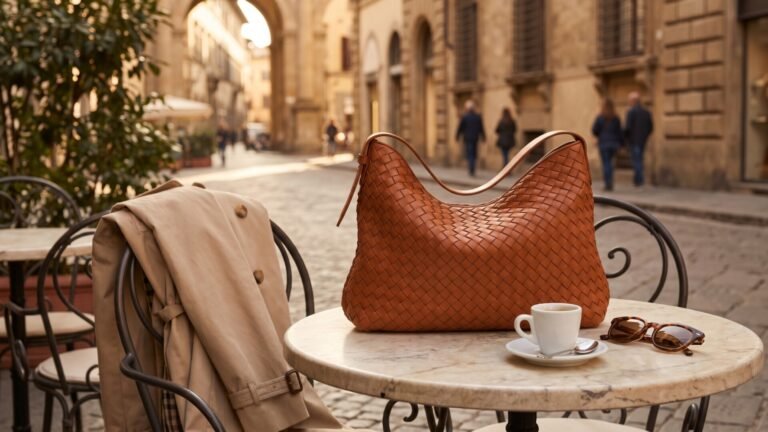
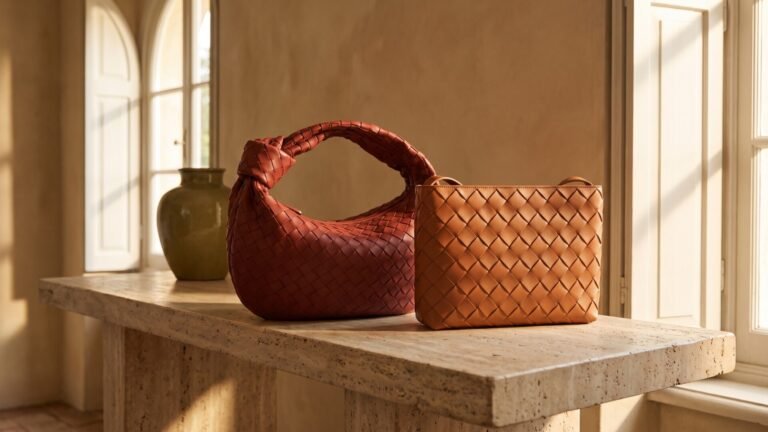
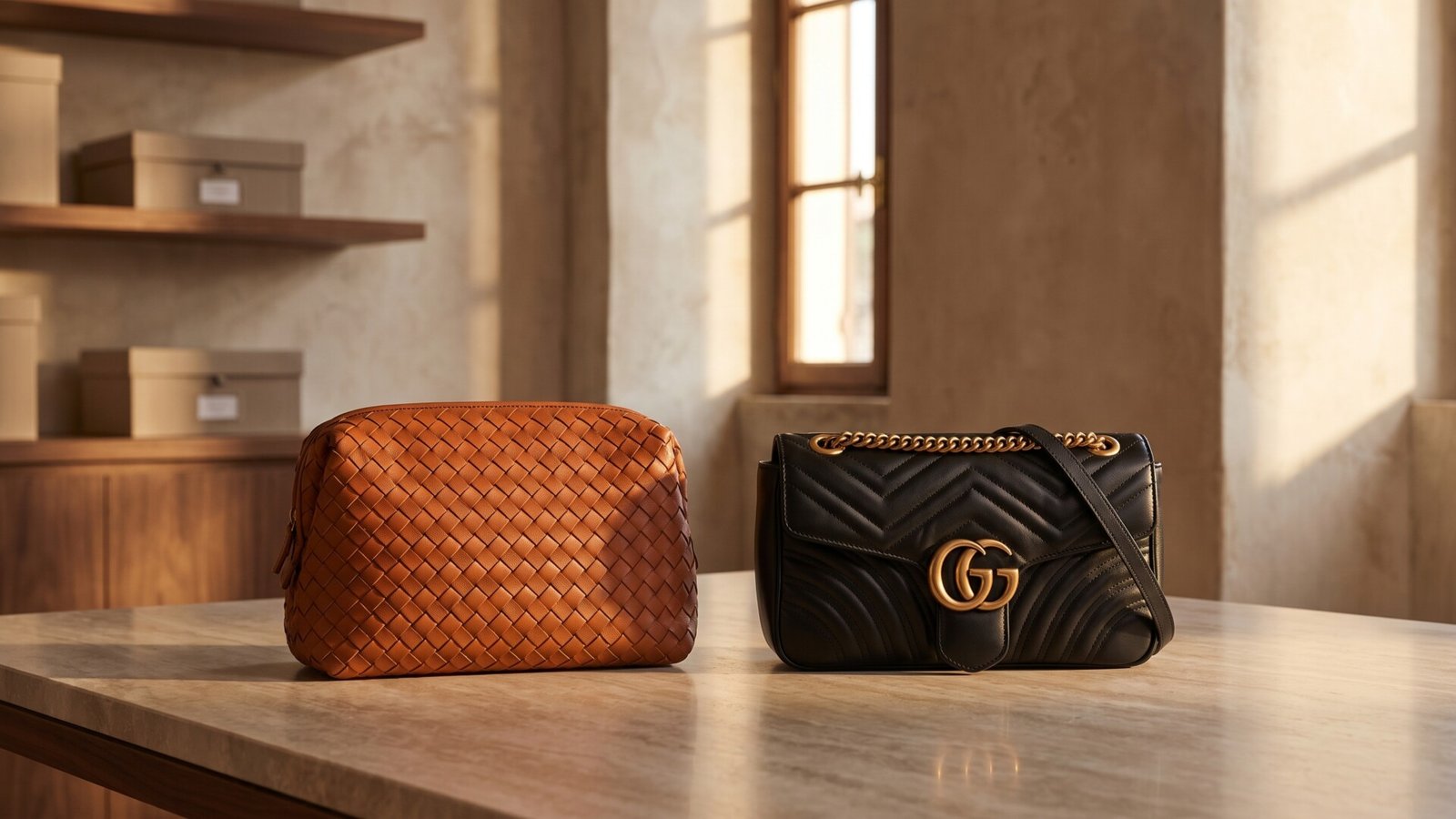
The Intrecciato weave emerged in the 1970s. It’s a technique where strips of leather are woven together in a distinctive pattern, creating a surface that is both flexible and incredibly durable. The genius of the design is that it makes the brand instantly recognizable without a single logo. As the house’s famous motto goes: “When your own initials are enough.”
I remember the first time I held an Intrecciato tote. The leather felt like it was already broken in, soft yet structured. There was no hardware to tarnish, no logo to scratch. Just pure, unadulterated craftsmanship.
Key pieces in the collection include the [Internal: Bottega Veneta Intrecciato Tote](), which has become a staple for professionals who want understated elegance, and the [Internal: Intrecciato Wallet](), a compact piece that manages to feel both luxurious and practical.
The Rise of Gucci Marmont
Gucci needs no introduction. Founded in Florence in 1921 by Guccio Gucci, the house has cycled through eras of maximalism and minimalism. The Marmont line, introduced in 2016 under creative director Alessandro Michele, was a defining moment for the brand’s modern identity.
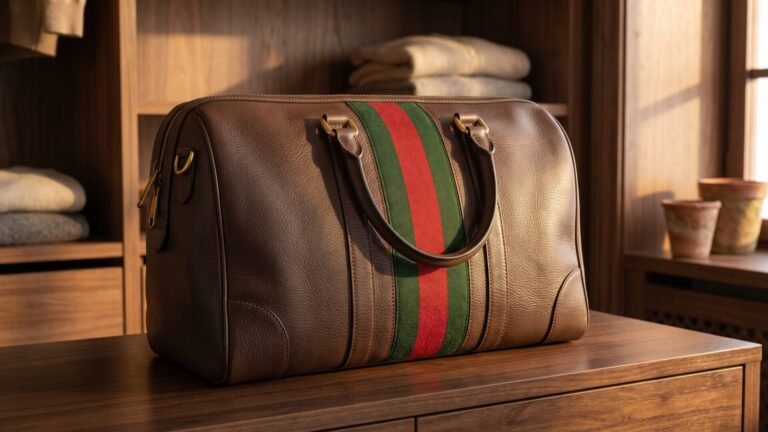
The Marmont collection features the now-iconic GG logo in a matelassé (quilted) pattern, often accented with a gold or silver chain. It was designed to be photogenic, and it succeeded spectacularly. The [Internal: Gucci Marmont GG Matelassé Shoulder Bag]() became one of the most photographed bags of the late 2010s. The [Internal: Marmont Belt]() with its double G buckle became a status symbol worn by celebrities and influencers alike.
Here’s the thing about the Marmont: it was designed for the age of social media. It’s bold, it’s recognizable, and it photographs beautifully. But as I learned the hard way, what photographs well doesn’t always hold value well.
Design Analysis: Timeless vs. Trendy
Let me be clear about something upfront. Both designs are beautiful. But they serve different purposes, and that difference matters enormously when you’re thinking about investment.
The Case for Intrecciato
The Intrecciato weave is one of the few designs in luxury fashion that is genuinely timeless. It doesn’t reference a specific era. It doesn’t depend on a particular trend cycle. It simply exists as a masterclass in leather craftsmanship.
What makes the design so clever is its restraint. The weave creates texture and visual interest without shouting. It works equally well with a power suit, a cashmere sweater, or a simple white t-shirt and jeans. The Intrecciato pattern is also incredibly consistent across the product line. Whether you’re looking at a tote, a wallet, or a pair of shoes, the design language remains coherent.
According to design historians, the Intrecciato weave was inspired by traditional basket-weaving techniques from the Veneto region. It’s a design that carries centuries of Italian craft tradition in every strand. That heritage gives the design a depth that fashion trends simply can’t replicate.
The Marmont’s Moment
The Marmont design, on the other hand, is quintessentially of its moment. The matelassé pattern, the visible GG logo, the gold chain—everything about it screams 2016-2019 maximalism. And there’s nothing wrong with that. Alessandro Michele’s vision for Gucci was bold, romantic, and unapologetically decorative.
But here’s what I’ve learned about trend-dependent designs: they age faster than you expect. The Marmont is already starting to feel dated. The oversized logos that were everywhere just a few years ago are falling out of favor as the fashion world shifts toward quieter luxury. The rise of brands like The Row, Loro Piana, and the continued success of Bottega Veneta under Matthieu Blazy signals a clear preference for subtlety.
The design analysis comes down to this: the Intrecciato speaks a language that has been relevant for fifty years and will likely remain relevant for another fifty. The Marmont speaks the language of a specific moment in fashion history, and that moment is passing.
Craftsmanship: The Hidden Difference
This is where the two brands diverge most dramatically, and where I believe most buyers make their biggest mistake.
The Art of Intrecciato
The Intrecciato weave is not a simple process. Each bag requires strips of leather to be cut to precise widths, then woven by hand in a specific pattern that ensures structural integrity. The leather used is typically a soft, full-grain calfskin that has been tanned to achieve the perfect balance of flexibility and durability.
According to craftspeople who have worked in Bottega Veneta’s workshops in Montebello Vicentino, a single Intrecciato bag can take several days to complete. The weaving process requires not just skill but an almost meditative patience. Every strip must be tensioned correctly. Every intersection must align perfectly. One mistake means starting over.
This level of craftsmanship means that each piece is genuinely unique. The slight variations in the weave, the natural characteristics of the leather—these are not flaws but signatures of human hands at work.
Marmont’s Manufacturing Reality
I need to be careful here, because I don’t want to suggest that Gucci makes bad products. They don’t. But the Marmont line is a different proposition entirely.
The matelassé pattern is achieved through a quilting process that can be largely automated. The leather used is typically lambskin, which is soft and luxurious but also more delicate than the calfskin used in Intrecciato pieces. The GG logo hardware is stamped, not hand-engraved.
None of this makes the Marmont a bad bag. It makes it a different kind of product—one that prioritizes visual impact over technical craftsmanship. The problem is that when you’re thinking about investment, craftsmanship matters. Pieces that require extensive handwork tend to hold value better because they’re harder to replicate and more expensive to produce.
Materials: What You’re Actually Buying
Let me take you through the material differences, because this is where the long-term value story really unfolds.
Bottega Veneta’s Leather Selection
Bottega Veneta uses a range of premium leathers in their Intrecciato line, but the most common is a specially treated calfskin. This leather is vegetable-tanned, which means it ages beautifully. Rather than looking worn, it develops a patina that adds character over time.
The vegetable-tanning process is slower and more expensive than chrome tanning, but it produces a leather that is more stable and more resistant to environmental damage. It also means that the leather will develop a rich, warm glow with use—something collectors actively seek.
Some Intrecciato pieces also feature suede or exotic leathers like ostrich or crocodile. These pieces are rarer and command even higher prices on the secondary market.
Gucci Marmont’s Material Reality
The Marmont line primarily uses lambskin and calfskin. Lambskin is undeniably luxurious—it’s soft, supple, and feels incredible to touch. But it’s also fragile. It scratches easily, and the matelassé quilting can lose its puffiness over time.
The hardware is another consideration. The gold-toned chain and GG logo are typically plated, and that plating can wear off with regular use. I’ve seen Marmont bags where the hardware looks tired after just a couple of years, and that significantly impacts resale value.
Here’s the material truth: the Intrecciato’s leather is designed to last for decades. The Marmont’s materials are designed to look beautiful for a few seasons.
Resale Value: The Numbers Don’t Lie
I’ve been tracking resale values in the luxury market for years, and the data tells a clear story.
Bottega Veneta’s Resale Performance
Bottega Veneta Intrecciato pieces have historically held their value remarkably well. According to data from major resale platforms like The RealReal and Vestiaire Collective, Intrecciato bags retain between 60% and 80% of their retail value after three to five years of use.
The reasons are clear. The timeless design means there’s consistent demand. The craftsmanship means the pieces are still in good condition after years of use. And the brand’s positioning as a “quiet luxury” staple means that demand has actually increased as the fashion world moves away from logos.
I recently saw a vintage Intrecciato tote from the 1990s sell for more than its original retail price. That’s not a fluke—it’s a pattern.
Gucci Marmont’s Resale Reality
The Marmont tells a different story. Resale values for Marmont pieces have been declining steadily since their peak in 2018-2019. Current data suggests that Marmont bags retain between 30% and 50% of their retail value, depending on the specific model and condition.
The decline is driven by several factors. First, the sheer volume of Marmont pieces in circulation—Gucci produced them in massive quantities. Second, the trend-dependent design means that demand is falling as the fashion cycle moves on. Third, the delicate materials mean that many Marmont pieces show significant wear after just a few years.
I’ve seen Marmont bags listed on resale platforms for months without selling. The market is saturated, and buyers are increasingly discerning.
Market Demand and Brand Positioning
The luxury market is currently undergoing a significant shift, and this shift favors Bottega Veneta.
The Quiet Luxury Revolution
We’re in the middle of what industry analysts call the “quiet luxury” movement. Consumers are increasingly rejecting overt branding in favor of understated quality. This trend has been driven by several factors: the economic uncertainty that makes flashy displays less appealing, the rise of “stealth wealth” aesthetics, and a growing appreciation for craftsmanship over logos.
Bottega Veneta is perfectly positioned for this moment. The brand’s entire identity is built on the idea that quality speaks for itself. Under creative director Matthieu Blazy, the brand has doubled down on this philosophy, producing collections that celebrate material and technique over branding.
Gucci’s Positioning Challenge
Gucci, by contrast, is struggling with its identity. The departure of Alessandro Michele in 2022 left the brand in a transitional phase. The new creative direction under Sabato De Sarno has moved toward a more minimalist aesthetic, but the brand is still strongly associated with the maximalist era that produced the Marmont.
This positioning challenge affects resale value. When a brand is in transition, its previous “it” products can feel outdated quickly. The Marmont is caught in this transition, neither fully classic nor fully current.
Ownership Experience: What It’s Actually Like
I’ve owned both. Let me tell you what the day-to-day experience is really like.
Living with Intrecciato
The first thing you notice about an Intrecciato piece is how it feels. The woven leather is surprisingly supple, and it conforms to your body and your habits. A tote becomes an extension of your arm. A wallet slips into your pocket like it was made for you.
Durability is the second thing you notice. I’ve been using an Intrecciato tote as my daily work bag for three years. It’s been through rain, subway commutes, airport security, and the occasional spilled coffee. It looks better now than when I bought it. The leather has developed a subtle patina that adds depth and character.
The lack of hardware is a blessing I didn’t anticipate. No chains to tangle, no logos to polish, no metal to scratch. The Intrecciato is the most low-maintenance luxury product I’ve ever owned.
Living with Marmont
The Marmont is beautiful in the store. I remember the excitement of unboxing mine, the soft lambskin, the gleaming gold chain. But the reality of daily use was different.
Within six months, I noticed scratches on the leather. The chain, while beautiful, added significant weight. The GG logo required occasional polishing to maintain its shine. And I found myself being more careful than I wanted to be—avoiding certain situations, checking the bag constantly, worrying about damage.
The Marmont is a bag that requires attention. That’s not necessarily a bad thing—some people enjoy the ritual of caring for luxury items. But it’s a different ownership experience than the Intrecciato’s “use it and enjoy it” philosophy.
Styling Advice: Getting the Most from Your Investment
Here’s how I actually wear both, and how you can maximize the value of either purchase.
Styling Intrecciato
The genius of Intrecciato is its versatility. I wear my tote with everything from tailored suits to weekend casual. The texture adds interest to monochromatic outfits, and the lack of branding means it never clashes with other accessories.
For a professional setting, pair an Intrecciato tote with a structured blazer and tailored trousers. For weekend wear, it works beautifully with a cashmere sweater, jeans, and simple leather sneakers. The weave pattern transitions seamlessly from day to evening.
The [Internal: Intrecciato Wallet]() is my go-to for evenings out. It’s compact enough to slip into a clutch but substantial enough to serve as a standalone piece. The woven texture adds visual interest to even the simplest outfit.
Styling Marmont
The Marmont is a statement piece. It works best when it’s the focal point of your outfit. I wore mine with simple, monochromatic ensembles that allowed the GG logo to shine. A black turtleneck, tailored trousers, and the Marmont shoulder bag was my go-to formula.
The Marmont belt is perhaps the most versatile piece in the collection. It can elevate a simple dress or add interest to high-waisted trousers. Just be aware that wearing it signals a specific aesthetic—one that may not be appropriate for all professional or formal settings.
Use Cases: When Each Makes Sense
Let me be fair here. There are situations where the Marmont is the right choice.
When Intrecciato Wins
The Intrecciato is the clear winner for:
- Professional settings where subtlety is valued
- Daily use where durability matters
- Travel where low-maintenance is essential
- Anyone who wants a bag that will last for decades
- Collectors who care about resale value
When Marmont Makes Sense
The Marmont might be the better choice for:
- Trend-focused buyers who enjoy updating their collection regularly
- Anyone who wants a bag that makes a bold statement
- Special occasions where maximalist style is appropriate
- Collectors of Gucci’s design history
- Anyone who prioritizes Instagram-worthiness over longevity
Cost-per-Wear Analysis: The Number That Matters Most
Let me show you the math that changed my perspective.
The Intrecciato Calculation
Say you buy an Intrecciato tote for $3,000. You use it as your primary bag for five years, which means roughly 1,500 days of use. That’s a cost-per-wear of $2 per day. After five years, the bag still has a resale value of around $2,100. Your actual cost is $900 over five years, or about $0.60 per day.
The Marmont Calculation
Now consider a Marmont shoulder bag at $2,500. You use it for three years before it starts showing significant wear and the trend fades. That’s roughly 900 days of use, or $2.78 per day. The resale value after three years is around $875. Your actual cost is $1,625 over three years, or about $1.81 per day.
The Intrecciato costs less per day of use, lasts longer, and retains more value. The math is clear.
Longevity and Durability: The Hidden Investment Factor
I want to talk about something that rarely appears in fashion reviews: the long-term physical integrity of these pieces.
The Intrecciato’s Aging Gracefully
The Intrecciato weave is structurally sound. The interlocking strips create a flexible but robust surface that resists deformation. The vegetable-tanned leather develops character rather than damage. Even the edges, which are typically the first place to show wear, hold up remarkably well.
I’ve seen Intrecciato pieces from the 1980s that are still in excellent condition. The weave pattern doesn’t stretch out of shape, and the leather doesn’t crack or peel. These are pieces that can be passed down to the next generation.
The Marmont’s Finite Life
The Marmont, by contrast, has a finite lifespan. The lambskin, while beautiful, is fragile. The matelassé pattern can flatten with use. The hardware will eventually show wear. These are not pieces designed for decades of use.
This isn’t a criticism—it’s a reality of the materials and design choices. But when you’re thinking about investment, this difference matters enormously. A piece that can last 30 years and still look good has fundamentally different investment potential than a piece designed for a few seasons of use.
Collectibility and Long-Term Relevance
The luxury market has a hierarchy of collectibility, and Bottega Veneta is ascending while Gucci’s Marmont is plateauing.
Intrecciato’s Collector Appeal
Vintage Intrecciato pieces are increasingly sought after by collectors. The earlier pieces, particularly those from the 1970s and 1980s, are considered examples of peak Italian craftsmanship. They’re featured in museum exhibitions and fashion retrospectives.
The current creative direction under Matthieu Blazy has also generated renewed interest in the brand’s heritage. Collectors are seeking out both vintage pieces and contemporary interpretations, driving demand across the market.
Marmont’s Collectibility Questions
The Marmont’s collectibility is less certain. While it represents an important moment in Gucci’s history, it’s not clear that future collectors will value it as highly. The massive production numbers work against its collectibility—scarcity is a key driver of collector value, and the Marmont is anything but scarce.
I’m not saying the Marmont will become worthless. But its value as a collectible is uncertain, which makes it a riskier investment.
Detailed Comparison: Bottega Veneta Intrecciato vs. Gucci Marmont
Let me break down the key factors side by side.
| Feature | Bottega Veneta Intrecciato | Gucci Marmont |
|---|---|---|
| Design | Elegant, timeless | Trendy, iconic |
| Craftsmanship | Superior weaving technique | High-quality leather |
| Materials | Premium leather and suede | Lambskin, leather |
| Resale Value | High, stable | Moderate |
| Investment Potential | Strong demand | Fluctuating |
| Versatility | Highly versatile | Fashion-forward |
| Durability | Excellent, ages gracefully | Moderate, shows wear |
| Cost-per-Wear | Low over time | Higher over time |
| Collectibility | Increasing | Uncertain |
| Maintenance | Low | High |
The Investment Verdict
Here’s what I’ve learned from years of buying, wearing, and selling luxury fashion: the best investment is the piece that you’ll still love in ten years.
The Intrecciato is that piece. Its design transcends trends. Its craftsmanship ensures longevity. Its materials age beautifully. Its resale value remains stable. And its position in the luxury market is strengthening as the fashion world embraces quiet quality.
The Marmont is a beautiful piece that serves a different purpose. It’s a statement, a moment, a celebration of maximalist style. But it’s not an investment in the same way the Intrecciato is.
If you’re buying for the joy of ownership, both are valid choices. But if you’re thinking about value retention, cost-per-wear, and long-term relevance, the Intrecciato is the smarter investment.
I learned this lesson too late for my first Marmont. I hope you learn it in time for your first Intrecciato.
The Final Word
The luxury market rewards patience and discernment. The pieces that hold value are the ones that transcend trends, that represent the pinnacle of craftsmanship, that speak a language that doesn’t need translation.
The Intrecciato weave is one of those rare designs. It has survived fifty years of fashion cycles because it’s built on something more fundamental than trend. It’s built on the idea that quality, when done right, is its own statement.
The Marmont taught me something valuable. It taught me that the thrill of a trendy purchase fades faster than the price tag. It taught me to look beyond the surface, to consider the long arc of ownership, to think about what I’ll feel when I look at a piece in ten years.
I still own my Marmont. It’s a beautiful reminder of a specific moment in fashion history. But when I’m asked which one I’d buy again, which one I’d recommend to a friend, which one represents the smartest use of money in luxury fashion, there’s no hesitation.
The Intrecciato. Every time.
[Shop Bottega Veneta Intrecciato Collection] | [Shop Gucci Marmont Collection]
Frequently Asked Questions About Bottega Veneta Intrecciato And Gucci Marmont
Is Bottega Veneta Intrecciato worth the investment?
Yes, for most buyers. The Intrecciato offers excellent value retention, exceptional durability, and timeless design. The cost-per-wear is lower than most luxury alternatives, and the pieces can last for decades with proper care.
How does Gucci Marmont hold its value compared to Bottega Veneta?
The Marmont holds value less well than the Intrecciato. Current resale data shows Marmont pieces retaining 30-50% of retail value, while Intrecciato pieces retain 60-80%. The gap is widening as the fashion cycle moves away from logo-centric designs.
Which style is more versatile for everyday use?
The Intrecciato is significantly more versatile. Its understated design works across professional, casual, and formal settings. The Marmont’s bold aesthetic makes it more appropriate for specific occasions and styles.
What are the care requirements for Bottega Veneta Intrecciato items?
Intrecciato pieces require minimal care. Store them in the provided dust bag, avoid prolonged exposure to direct sunlight, and occasionally apply a leather conditioner. The vegetable-tanned leather develops a beautiful patina with use.
How does the resale market treat Gucci Marmont bags?
The resale market is currently saturated with Marmont bags, and prices have been declining. The trend-dependent design and high production volumes have created an oversupply. Sellers often wait months to find buyers.
Are Bottega Veneta Intrecciato products more durable than Gucci Marmont?
Yes, significantly. The woven construction and vegetable-tanned calfskin are more durable than the lambskin and quilting used in the Marmont. Intrecciato pieces are designed to withstand decades of use. —