Italian Designer Handbags
Italian designer handbags represent one of the strongest intersections of craftsmanship, heritage, and modern luxury. From Florence’s leather workshops to Milan’s fashion houses, Italy has shaped how the world understands quality handbags — not just as accessories, but as long-term investments, cultural symbols, and functional works of art.
This hub page is your central guide to Italian designer handbags. It explains what defines them, why they command global respect, how to choose the right type, and how to explore each major handbag category through our dedicated sub-hubs.
Why Italy Dominates the Luxury Handbag World
Italy’s leadership in handbag design is not accidental. It is the result of centuries of material knowledge, artisan training, and a manufacturing culture that values precision over speed.
Several factors place Italian handbags in a category of their own:
- Heritage craftsmanship rooted in Florence, Milan, and Veneto
- Family-run ateliers that pass down techniques across generations
- Access to premium leathers, especially full-grain calfskin, nappa, and vegetable-tanned hides
- Design philosophy that balances beauty with real-world usability
Unlike trend-driven fast fashion, Italian handbag design prioritizes longevity. Stitching, edge painting, lining construction, and hardware placement are all engineered for years — sometimes decades — of use.
This is why many iconic handbags are still produced in Italy today, even when brands manufacture other product lines elsewhere.
What Defines an Italian Designer Handbag?
Not every bag made in Italy qualifies as an Italian designer handbag. The distinction lies in a combination of origin, materials, and design intent.
1. Design Authority
Italian designer handbags are conceived by Italian fashion houses or heritage leather specialists. Whether minimalist or expressive, the design language is intentional — never accidental.
2. Material Excellence
Italian tanneries are among the world’s best. Common features include:
- Supple but durable leather
- Rich, natural color absorption
- Aging that improves appearance over time (patina)
3. Construction Standards
Key construction markers include:
- Tight, even stitching
- Reinforced stress points
- Structured silhouettes that hold shape
- Carefully finished interiors
4. Balanced Aesthetics
Italian bags rarely rely on excessive logos. Instead, they emphasize proportion, texture, and subtle branding — making them versatile across seasons and outfits.
A Brief History of Italian Handbags
Italy’s handbag legacy began in leather workshops long before fashion branding existed. In cities like Florence, artisans originally produced saddlery, gloves, and travel trunks for European elites.
By the early 20th century, these skills transitioned into fashion accessories. Post-war Italy saw the rise of luxury houses that combined traditional craftsmanship with modern style — laying the foundation for today’s global handbag industry.
Over time, Italian designers became known for:
- Innovating with new silhouettes
- Perfecting leather finishing techniques
- Setting international quality benchmarks
Many contemporary brands still rely on the same regions and workshops that shaped the industry decades ago.
How to Choose the Right Italian Designer Handbag
Selecting the right handbag is less about trends and more about lifestyle alignment. Italian design excels precisely because it offers specialized solutions for different needs.
When choosing, consider:
- Purpose (daily use, work, travel, evening)
- Structure (soft vs structured)
- Leather type (smooth, pebbled, suede)
- Weight and capacity
- Long-term versatility
Below, you’ll find the main handbag categories, each with its own dedicated sub-hub.
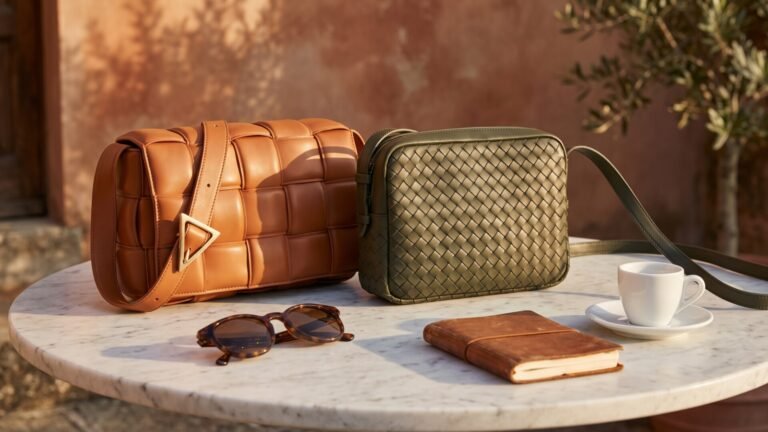
Italian Leather Handbags
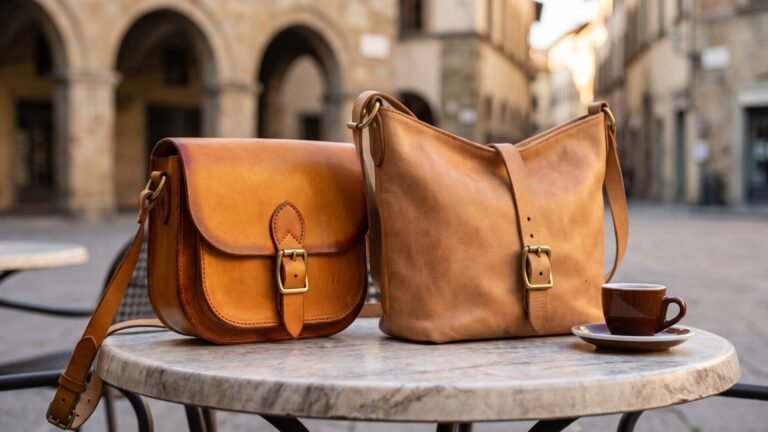
Leather is the soul of Italian handbag craftsmanship. This category focuses on bags where material quality is the primary feature.
Italian leather handbags are known for:
- Vegetable-tanned and aniline-dyed leathers
- Natural grain visibility
- Exceptional durability
- Elegant aging over time
These bags often suit everyday use, collectors, and anyone who values craftsmanship over trends.
Explore the full guide: Italian Leather Handbags
Italian Travel Bags
Italy’s tradition of travel goods dates back to luxury trunks and railway-era luggage. Modern Italian travel bags blend that heritage with contemporary functionality.
Common characteristics include:
- Reinforced handles and corners
- Lightweight but resilient construction
- High-capacity interiors
- Timeless silhouettes suitable for long-term use
From leather weekender bags to refined carry-ons, this category is ideal for frequent travelers who want durability without sacrificing style.
Discover more: Italian Travel Bags
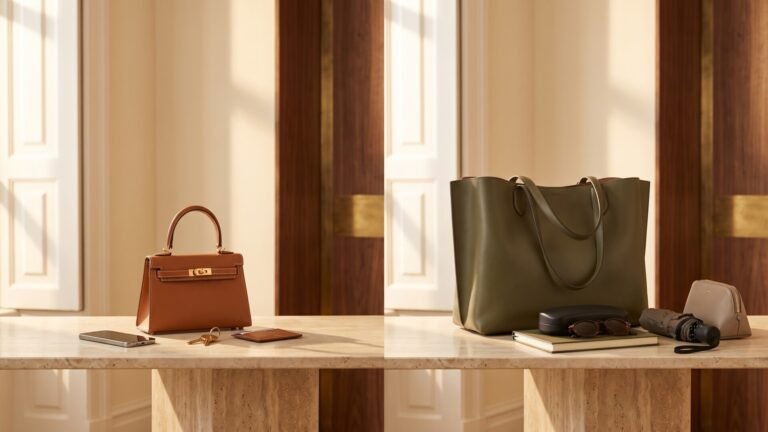
Italian Tote Bags
Italian tote bags are designed to balance capacity with elegance. Unlike purely functional totes, Italian versions emphasize proportion, structure, and refined materials.
Typical features:
- Strong shoulder straps
- Spacious interiors without bulk
- Minimal branding
- Versatility for work, shopping, or travel
These bags are especially popular for daily wear and professional settings.
Learn more: Italian Tote Bags
Italian Evening & Bridal Bags
Evening and bridal handbags showcase Italy’s more artistic side. These pieces often prioritize form, detailing, and statement appeal.
Design highlights include:
- Compact silhouettes
- Fine leather, satin, or embellished finishes
- Precision hardware
- Coordinated color palettes
Often used for special occasions, these bags are crafted with the same attention to detail as full-sized handbags.
Explore styles: Italian Evening & Bridal Bags
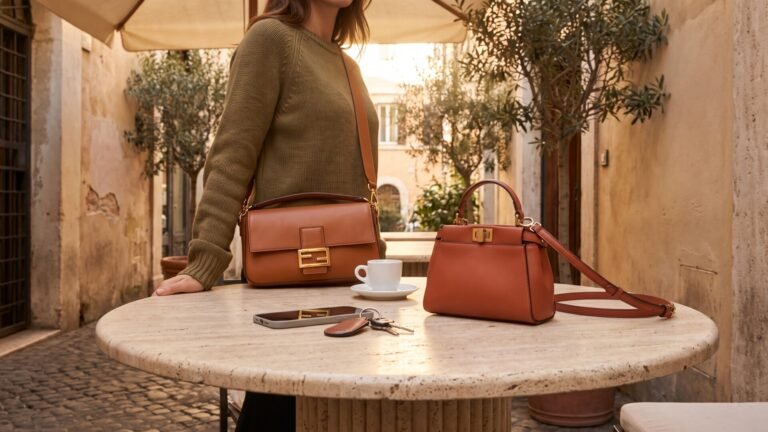
Italian Crossbody Bags
Crossbody bags reflect Italy’s mastery of ergonomic design. They are built for comfort, balance, and hands-free practicality.
Italian crossbody bags typically feature:
- Adjustable leather straps
- Secure closures
- Compact yet functional interiors
- Clean, timeless aesthetics
This category is ideal for city wear, travel, and daily errands.
Read the full guide: Italian Crossbody Bags
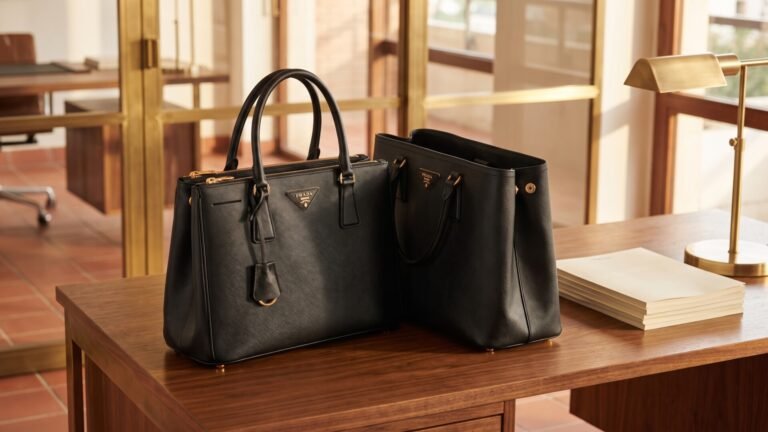
Italian Work Bags
Work bags demand structure, durability, and organization — areas where Italian designers excel.
Italian work handbags often include:
- Reinforced bases
- Laptop and document compartments
- Structured silhouettes
- Professional, understated design
These bags are designed to elevate professional outfits while withstanding daily use.
Go deeper: Italian Work Bags
Italian Designer Handbags as Investment Pieces
While handbags are not financial investments in the traditional sense, Italian designer bags often retain value better than mass-market alternatives.
Reasons include:
- Superior material longevity
- Timeless design language
- Strong brand heritage
- Continued demand in resale markets
Proper care — such as storage, conditioning, and rotation — significantly extends lifespan and resale potential.
Care and Maintenance Essentials
To preserve an Italian designer handbag:
- Store in a dust bag away from direct light
- Avoid overloading to maintain shape
- Clean gently with appropriate leather products
- Condition leather periodically
Well-maintained Italian handbags often look better after years of use than when new.
Why This Hub Matters
This hub is designed to help you navigate the world of Italian designer handbags logically — not emotionally. Each sub-hub dives deeper into a specific category, allowing you to compare styles, materials, and use cases with clarity.
Whether you are researching your first Italian handbag or expanding a curated collection, this structure ensures informed decisions at every step.
Explore the Italian Designer Handbags Collection
Use this hub as your starting point, then continue into each sub-hub to explore the full spectrum of Italian handbag craftsmanship:
- Italian Leather Handbags
- Italian Travel Bags
- Italian Tote Bags
- Italian Evening & Bridal Bags
- Italian Crossbody Bags
- Italian Work Bags
Each category reflects a different expression of Italian design — unified by quality, heritage, and enduring style.
If you want a quick peek at some brands that just close enough to the top tier designers, check out our Underrated Italian handbag brands worth investing in article.