Why Quiet Luxury Became a Global Trend
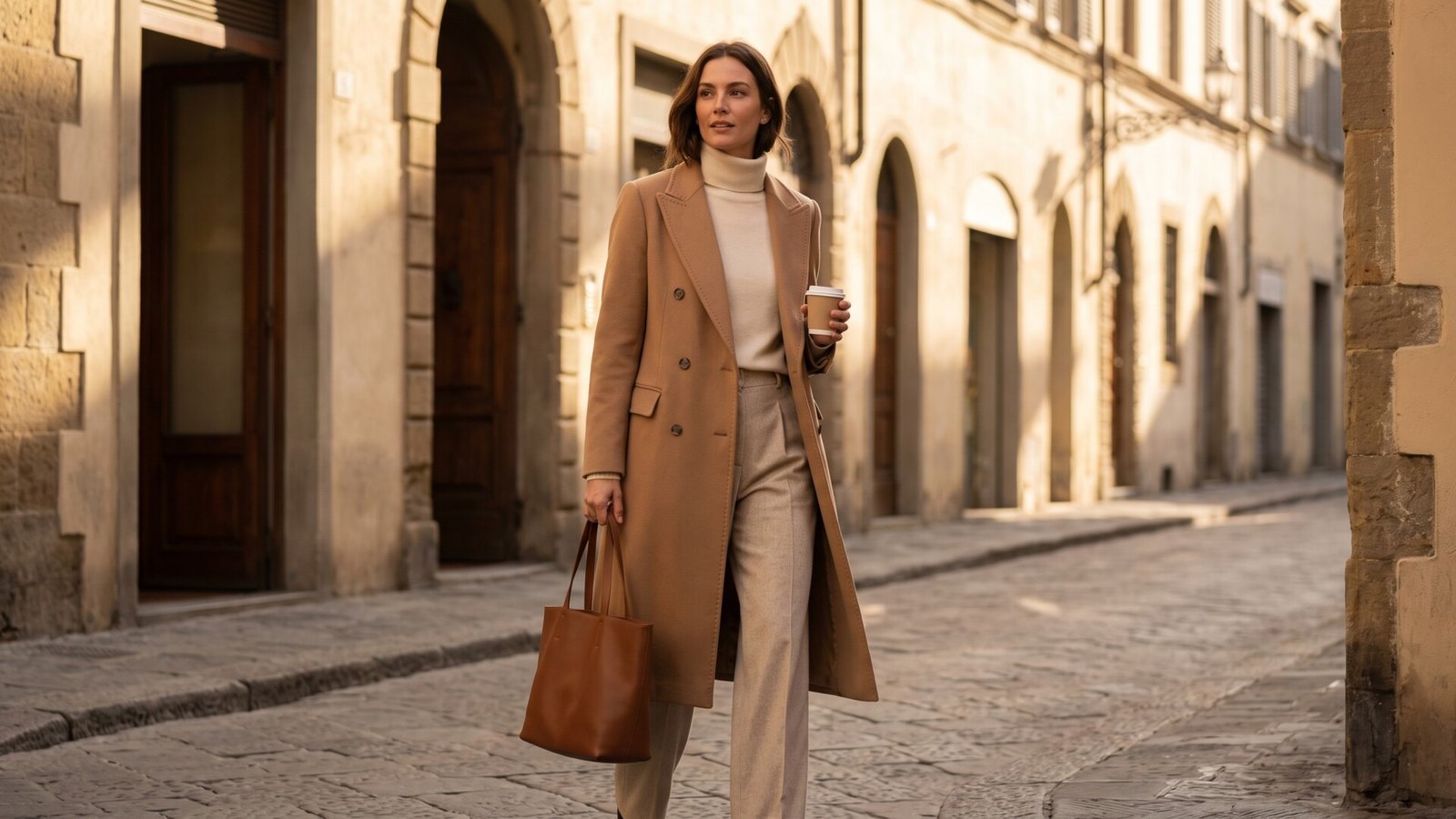
I have a confession. For years, I thought luxury was about the logo. The bigger, the louder, the better. I remember saving for months for a bag that screamed the designer’s name from across the street. I wore it like armor. And then, one rainy Tuesday, I saw a woman in a perfectly tailored, unlabeled camel coat. She had a leather bag so soft it looked like it might melt, and she exuded more wealth and confidence than anyone I’d ever seen. She wasn’t wearing a single visible brand. And she was the most stylish person in the room.
That was my first lesson in what the world now calls Quiet Luxury. I spent the next decade learning the rest, often the hard way, through purchases I regret and a few I will treasure forever. This isn’t just a trend to me; it’s a fundamental shift in how we think about value, status, and self-expression. Let me save you the years of trial and error and break down why this movement isn’t just a passing fad, but a smarter, more sustainable way to approach your wardrobe and your investments.
We’re going to explore the philosophy behind the aesthetic, the artisans who make it possible, and—most importantly—how you can apply these principles to your own life without falling for the hype. This is about building a wardrobe that speaks volumes without saying a word. Let me tell you why this matters.
The Philosophy of Understated Elegance
Quiet Luxury, at its core, is an aesthetic defined by what it leaves out. It strips away the logos, the flashy hardware, and the trend-driven silhouettes, leaving behind a pure focus on exceptional materials, impeccable tailoring, and timeless design. It’s the difference between announcing your wealth and simply possessing it. It’s the confidence of knowing the quality is in the stitching, the weight of the fabric, the cut of the shoulder—not in a monogram print.
This isn’t a new idea. In fact, it’s a return to the very roots of couture. Before the era of logomania in the 1990s and 2000s, luxury was inherently quiet. It was about the bespoke suit from Savile Row, the custom gown from a Parisian atelier, and the craftsmanship that took hundreds of hours to perfect. The status was implied, not printed. The cultural shift we are seeing now is a reaction against the excesses of the last few decades, a collective exhale that prioritizes authenticity and longevity over fleeting attention.
The modern consumer is more educated and discerning than ever. We are acutely aware of the environmental and ethical costs of fast fashion. We see through the illusion of a $1,000 logo t-shirt that’s made in the same factory as a $20 one. This awareness has driven a desire for pieces that are made to last, both physically and stylistically. It’s a shift from a culture of “more” to a culture of “better.” This is where sustainability and luxury finally intersect, not as a marketing ploy, but as a core business principle.
Decoding the Aesthetic: Design Analysis
So, what exactly does Quiet Luxury look like? It’s a masterclass in restraint. The color palettes are muted and natural—think oat, cream, charcoal, olive, and espresso. These are not colors that shout; they are colors that blend, creating a seamless, sophisticated backdrop. The silhouettes are architectural yet fluid, favoring clean lines and perfect proportions over exaggerated cuts. A coat from Loro Piana isn’t just a coat; it’s a study in drape and movement, engineered to fall perfectly from the shoulders.
The materials are the true stars. We are talking about double-faced cashmere, vicuña, and the finest silks. The tactile experience is paramount. You can feel the difference between a standard wool and a super 150s merino. It’s a sensory luxury that no logo can replicate. This is where the investment lies—not in a name, but in the raw, uncompromising quality of the fiber.
Let’s look at a few archetypes of this design philosophy:
- The Row’s classic cashmere sweaters: These are the epitome of minimalism. There is no embellishment, no pattern, just a perfect, luxurious knit in a beautiful shade. The focus is entirely on the cashmere’s softness and the impeccable construction.
- Loro Piana’s understated outerwear: Their jackets and coats are legendary for their technical fabrics and timeless silhouettes. A Loro Piana Storm System coat is the ultimate shield against the elements, a piece of functional armor that looks effortlessly elegant.
- Brunello Cucinelli’s tailored trousers: Known as the “King of Cashmere,” Cucinelli creates clothing with a philosophical, humanistic approach. His trousers are cut for comfort and style, using fabrics that move with you, creating an aura of relaxed, confident luxury.
These pieces share a common thread: they are quiet. They don’t demand attention; they command respect through their sheer quality and presence.
The Art of Craftsmanship and Materials
The soul of Quiet Luxury lies in its craftsmanship. This is not about mass production; it’s about the human hand. It’s about the artisan who spends a week perfecting a single bag, or the weaver who has spent a lifetime mastering a technique. This dedication is what separates a true investment piece from a disposable fashion item.
Consider the materials. We’re talking about the finest baby cashmere, which is sourced from the underbelly of young goats and is incredibly rare and soft. We’re talking about silk twill that has a specific, luxurious hand-feel. And increasingly, we’re talking about sustainable fabrics—organic cottons, recycled fibers, and innovative materials that reduce environmental impact without compromising on quality. The best Quiet Luxury brands are leading the charge in sustainable sourcing, understanding that true luxury cannot come at the expense of the planet.
Here’s where the true artistry comes in:
- Hermès: The gold standard for leather goods. Their Birkin and Kelly bags are still hand-stitched by a single artisan, a process that takes dozens of hours. The quality is so legendary that these bags often appreciate in value over time.
- Bottega Veneta: Their signature intrecciato weaving technique is a testament to artisanal skill. It creates a leather that is supple, durable, and instantly recognizable—not by a logo, but by its unique texture and construction.
- Prada: While known for their more commercial pieces, Prada’s core leather goods, particularly their classic Galleria bag, are constructed with exceptional rigor. The Saffiano leather they use is a testament to durability and quality, a material that resists scratches and maintains its structure for decades.
These brands understand that the value is in the process. They are not selling a bag; they are selling the hundreds of hours of human skill, the legacy of a craft, and the promise of a product that will outlive trends.
The Visionaries Behind the Movement
Every movement has its prophets, and Quiet Luxury is no different. These are the designers who have championed this aesthetic, shaping the way we view modern luxury.
- Phoebe Philo: Her tenure at Celine from 2008 to 2018 was a masterclass in Quiet Luxury. She created a wardrobe of intellectual, minimalist pieces that were endlessly desirable. Her designs were not about sex appeal or flash; they were about confidence, comfort, and an understated power that resonated deeply with a generation of women. Her highly anticipated return to fashion is a testament to her enduring influence.
- Nili Lotan: A designer who understands the power of a great pair of trousers or a perfectly cut shirt. Her designs are utilitarian yet chic, drawing on her experience in the Israeli military and her time at Ralph Lauren. She creates clothes that are meant to be lived in, pieces that form the backbone of a functional, stylish wardrobe.
- Joseph Altuzarra: While his designs can be more overtly sensual, his focus on impeccable tailoring and luxurious fabrics aligns with the Quiet Luxury ethos. He creates clothes that celebrate the female form with sophistication and precision, proving that you can be bold without being loud.
These designers, and others like them, have proven that there is a massive appetite for fashion that prioritizes intelligence and longevity over fleeting trends. They have given consumers permission to be subtle, to find power in restraint.
A Comparison of Quiet Luxury Brands
| Brand | Signature Piece | Key Material | Price Range (USD) | Aesthetic Vibe |
|---|---|---|---|---|
| The Row | Oversized Cashmere Sweater | Double-faced cashmere | $1,500 – $4,000+ | Architectural, Minimalist |
| Loro Piana | Storm System Jacket | Technical wool/cashmere | $3,000 – $8,000+ | Functional, Refined |
| Brunello Cucinelli | Tailored Chino/Trouser | Garment-dyed cotton | $800 – $2,000+ | Humanistic, Relaxed |
| Hermès | Birkin or Kelly Bag | Hand-stitched leather | $10,000 – $50,000+ | Iconic, Investment-Grade |
| Bottega Veneta | Andiamo Bag | Intrecciato leather | $3,000 – $6,000+ | Artisanal, Modern |
| Max Mara | 101801 Icon Coat | Camel hair/wool blend | $3,000 – $5,000+ | Timeless, Classic |
Understanding the Quiet Luxury Consumer
Who is buying this? It’s not the newly wealthy looking for a status symbol. It’s the established, the discerning, and the self-assured. These are people who value their money and their time, and they see clothing as an investment in their personal brand, not a costume. They are often in positions of power—executives, creatives, entrepreneurs—who don’t need to prove anything to anyone.
The psychological appeal is profound. Wearing Quiet Luxury is an inside signal. It says, “I know quality, and I don’t need to explain it to you.” It creates a sense of belonging to a tribe of people who share similar values. It’s about dressing for yourself and your own standards, not for the approval of the masses. This is a powerful form of self-expression that is deeply personal and authentic.
This shift in consumer priorities is a direct response to the burnout of the digital age. We are constantly bombarded with content, advertising, and the highlight reels of others’ lives. Quiet Luxury offers a reprieve—a way to disconnect from the noise and reconnect with the tangible, the tactile, and the real. The priority has shifted from quantity to quality, from the ephemeral to the enduring.
The Investment Value of Quiet Luxury
This is where my own journey took a turn. I used to buy several “affordable” trendy pieces a year, which added up to a significant sum. I’ve since learned that the cost-per-wear of a single, high-quality investment piece is often far lower than that of a cheaper, disposable item. Let’s break this down.
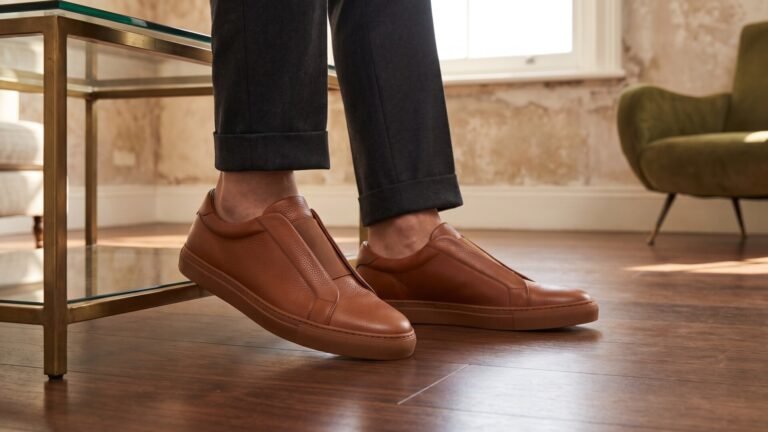
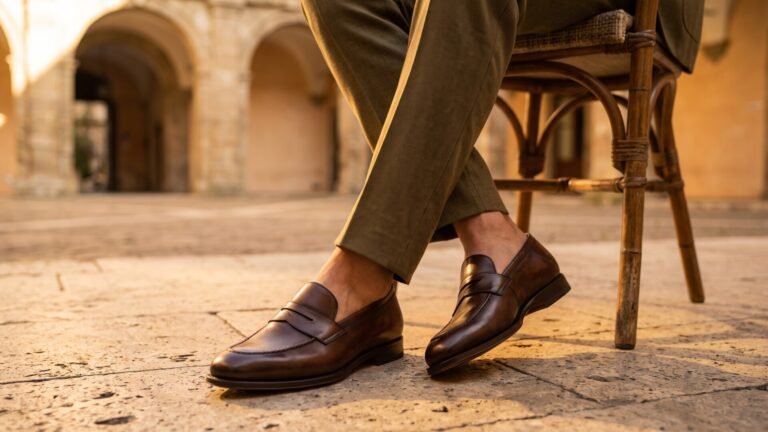
Consider a $200 pair of trendy boots that you wear 20 times before they fall apart. That’s $10 per wear. Now consider a $1,200 pair of timeless leather boots from a brand like Loro Piana or a classic style from Church’s. If you wear them 200 times over several years, that’s $6 per wear—and they will still look good and hold their value. The math is simple.
But it’s not just about cost-per-wear. It’s about resale value. The resale market for luxury goods is booming, and Quiet Luxury pieces are the stars. A classic Chanel handbag, a Hermès Birkin, or a well-maintained Bottega Veneta bag can retain, and sometimes even increase, their value over time. They are tangible assets that you can wear. This is a stark contrast to fast fashion, which has virtually no resale value.
Here are a few pieces that I consider true investment-grade:
- A classic Chanel handbag: The Flap Bag is a cultural icon. Its value has consistently appreciated, making it one of the smartest fashion purchases you can make.
- An investment piece from Jil Sander: While the brand has evolved, its minimalist aesthetic and focus on impeccable tailoring make pieces like their iconic coat a timeless addition to any wardrobe.
- A timeless trench coat from Burberry: The heritage trench is a piece of fashion history. It’s durable, stylish, and a piece that will never look dated.
The key is to buy the best you can afford, focus on timeless styles, and choose neutral colors that will never go out of fashion. This is not about spending more; it’s about spending smarter.
The Ripple Effect on the Fashion Industry
The rise of Quiet Luxury has sent shockwaves through the entire fashion industry. It has forced brands to re-evaluate their strategies. The era of plastering logos on everything is waning. We are seeing a return to craftsmanship and a focus on the product itself rather than the marketing. Brands are now investing in storytelling, highlighting their ateliers, their materials, and the heritage behind their designs.
This shift is also impacting how brands engage with consumers. The hard sell is being replaced by a more subtle, educational approach. Brands are building communities around shared values of quality and longevity, rather than just pushing seasonal must-haves. This creates a deeper, more loyal relationship with their customer base.
Even emerging brands are adopting these principles. They are launching with a focus on a few, perfectly crafted pieces rather than a large, diffuse collection. They understand that in a saturated market, authenticity and quality are the ultimate differentiators. They are building their brands on the foundation of trust and longevity, which resonates deeply with the modern consumer.
How to Build Your Own Quiet Luxury Wardrobe
You don’t need to spend a fortune to adopt this philosophy. It’s about a mindset shift. It’s about buying less, but buying better. Here’s how to start building your own capsule wardrobe based on Quiet Luxury principles.
First, audit your closet. What do you actually wear? What pieces make you feel confident and comfortable? Identify the gaps. Then, commit to filling those gaps with only the best quality you can afford.
Start with the essentials:
- Neutral-toned essentials: This is your foundation. Think high-quality t-shirts, silk blouses, and perfectly fitted trousers in shades of white, black, beige, and grey.
- Quality layering pieces: Invest in a great cashmere sweater, a classic blazer, and a well-structured coat. These are the pieces that will carry your wardrobe through the seasons.
- Timeless accessories: A simple, well-made leather belt, a classic watch, and a structured handbag in a neutral color. These are the details that elevate an outfit.
When you shop, ask questions. What is the material? Where was it made? How is it constructed? Look for signs of quality like reinforced seams, natural fibers, and sturdy hardware. It’s better to have a wardrobe of ten perfect pieces than a closet full of clothes you never wear.
I learned this lesson the hard way, after years of accumulating “fast fashion” that fell apart after a few washes. My journey to a more thoughtful, curated wardrobe has not only saved me money in the long run but has also brought me a sense of peace and confidence that I never had before. It’s a truly liberating way to approach fashion.
The Real Cost of Getting It Wrong
Before you rush out and buy the most expensive item you can find, let’s talk about the hidden trade-offs. The biggest mistake I see buyers make is confusing “expensive” with “Quiet Luxury.” A designer logo bag is expensive, but it is the opposite of quiet. The goal is not to spend money for the sake of it; it’s to buy pieces that offer enduring value.
Another common mistake is buying a poor-quality imitation of the aesthetic. You can buy a cheap, beige cashmere-blend sweater, but it will pill, lose its shape, and look exactly like what it is: cheap. The “fast fashion” version of Quiet Luxury is an oxymoron. The entire point is the quality of the materials and construction, which you cannot fake.
The true cost of getting it wrong is the cost of your time, money, and ultimately, your confidence. Buying a piece that falls apart is a waste of money. Buying a piece that doesn’t make you feel amazing is a waste of your wardrobe. The goal is to buy less, but buy better. It’s about making deliberate, informed choices that you will be happy with for years to come.
The Enduring Value of Subtlety
I look back at that woman in the camel coat with a new understanding. She wasn’t just well-dressed; she was secure. She had nothing to prove. She had invested in herself, in the quality of her life, and it showed. That is the secret at the heart of Quiet Luxury. It’s not about the price tag; it’s about the value you place on yourself and your time.
This trend is more than a reaction to fashion’s excesses; it is a return to fundamental principles of quality, integrity, and personal style. It’s a more sustainable, thoughtful, and ultimately more rewarding way to engage with the world of fashion. It’s about building a collection of pieces that you will love for a lifetime, not a season.
I hope this guide has given you the confidence to curate your own wardrobe with intention. The quietest pieces are often the ones that speak the loudest about who you are. I learned this too late for my first decade of shopping. I hope you learn it in time for yours.
If you’re ready to start building your own collection of investment pieces, explore our curated selections of [Affiliate: quiet luxury essentials] to find the perfect foundations for your wardrobe. And for more insights on building a wardrobe that lasts, be sure to check out our [Internal: guide to luxury investment pieces] and our [Internal: capsule wardrobe hub].
Frequently Asked Questions About Quiet Luxury
What is Quiet Luxury?
Quiet Luxury refers to a sophisticated aesthetic that emphasizes understated elegance and high-quality craftsmanship, rather than overt branding or flashy designs. It is the art of dressing well without shouting about it.
Why has Quiet Luxury gained popularity?
The trend has gained traction due to a cultural shift towards minimalism, sustainability, and a desire for authenticity in fashion choices. It is a reaction against the excesses of logomania and fast fashion, reflecting a deeper desire for quality and longevity.
Which brands are considered Quiet Luxury?
Brands such as The Row, Loro Piana, Brunello Cucinelli, Hermés, and Bottega Veneta are typically associated with Quiet Luxury due to their focus on craftsmanship, timeless design, and exceptional materials.
Is Quiet Luxury worth the investment?
Yes, Quiet Luxury pieces are often more durable, timeless, and hold their value better than trend-driven items. When you calculate the cost-per-wear, a high-quality investment piece is often the more economical choice in the long run.
How can I incorporate Quiet Luxury into my wardrobe?
Start by investing in neutral, high-quality essentials that can be layered and styled in various ways, focusing on versatility and durability. Prioritize natural materials like cashmere, silk, and wool, and choose timeless silhouettes over fleeting trends.