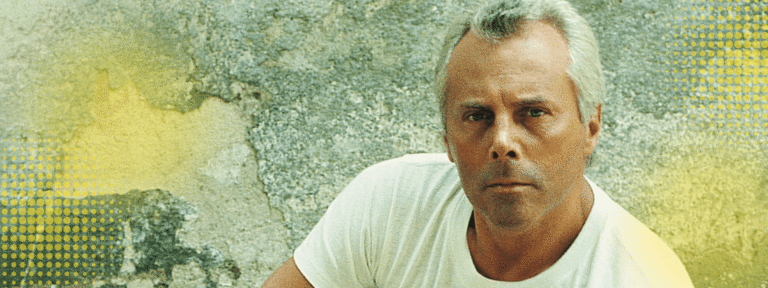
Valentino Garavani: The Maestro Who Painted Fashion Red
Valentino Clemente Ludovico Garavani — better known simply as Valentino — is one of fashion’s most enduring figures. He wasn’t just a designer; he was a visionary architect of glamour, who turned his atelier in Rome into a global symbol of refined elegance. Over his long career, Valentino built a house that became synonymous with ultra-feminine silhouettes, rich craftsmanship, and, perhaps most famously, Valentino Red — a shade so iconic it became its own trademark.
This is the story of how Valentino Garavani made his mark — and why his legacy still pulses through the maison he founded.
Early Life & Education: From Voghera to Paris
Valentino Garavani was born on May 11, 1932, in Voghera, a small town in northern Italy. Even as a child, he was drawn to beauty, drawing sketches inspired by cinema and fashion. A formative influence was his aunt Rosa and the local designer Ernestina Salvadeo, who exposed him early to sewing, silhouettes, and pattern making.
At 17, Valentino made a pivotal move: he left Italy for Paris to study. He enrolled in the École des Beaux-Arts and, critically, the Chambre Syndicale de la Couture Parisienne. In Paris, he gained experience working under high-level couture names — first at Jean Dessès, then with Guy Laroche. These early years grounded him in the rigor of French couture, but Valentino also carried with him an Italian sense of theatricality and refined taste.
Founding the Maison Valentino
Rome, 1959–1962: The First Steps
In 1959, with financial support from his father, Valentino returned to Italy and opened his first atelier on Via Condotti, one of Rome’s most prestigious streets. Just a year later, he met Giancarlo Giammetti, an architecture student who would become his lifelong partner — both professionally and personally. Their synergy was crucial: Valentino brought design talent; Giammetti managed business strategy and client development.
Valentino’s first haute couture collection debuted in 1962 at the Palazzo Pitti in Florence — then the beating heart of Italian high fashion. The show was a success, introducing clients to Valentino’s refined aesthetic — silhouettes that were elegant, shapes that were sculptural, and fabrics that exuded richness.
The Rise: Elegance, Jet-Set Appeal & Celebrity Clients
The house gained international prestige quickly. By the mid-60s, Valentino was dressing the elite — European royalties, Hollywood icons, and socialites. Among his most famous patrons: Jacqueline Kennedy, Elizabeth Taylor, Princess Margaret, and Audrey Hepburn.
A critical moment in Valentino’s rise came in 1967, with his so-called “no colour” collection: garments in white, ivory, and beige. This collection was a bold move against the psychadelic and colorful trends of the time, but it resonated: it introduced the V-logo and cemented his reputation for understated, everlasting elegance.
Signature Aesthetic & Design DNA
To understand Valentino, you need to look at the pillars of his design philosophy: timeless femininity, dramatic yet controlled elegance, and the deep-rooted belief that dressing is an act of storytelling.
Valentino Red (“Rosso Valentino”)
Perhaps the most emblematic element of Valentino’s work is Valentino Red — a vivid, warm shade of red that became his trademark. According to brand lore, the inspiration came from a woman Valentino glimpsed at the opera in Barcelona, wearing a fiery red dress. Over the decades, red dresses (especially evening gowns) became a staple in his collections: bold, elegant, and powerfully feminine.
The “V” Logo
The stylized V-logo Valentino introduced during his 1967 “no colour” collection is more than just branding: it signals identity. It’s a mark of heritage, continuity, and the maison’s commitment to its founding values.
Couture Craftsmanship
Valentino’s couture work has always stood for top-tier craftsmanship. He favored luxurious fabrics — silks, lace, tulle — and handwork: intricate embroidery, beading, delicate tailoring. His dresses often evoke sculptural forms or soft romantic drapes. Under his watch, haute couture wasn’t just fashion — it was art.
Theatrical Simplicity
Despite the glamor of his gowns, Valentino wasn’t about over-the-top excess. His silhouettes often balanced volume and restraint. Jackets with strong shoulders, gowns with cascading skirts, but always a refined hand. He believed in the emotional power of beautiful clothes but never lost sight of elegance.
Milestones & Key Moments in Valentino’s Career
Valentino’s path was shaped by many breakthrough moments — here are some of the most important:
- 1962 Florence Debut — His first couture show at Palazzo Pitti.
- 1967 “No Colour” Collection — Introduced white/ivory/neutral dresses and the V logo.
- International Boutiques — Valentino expanded with a store in Milan, then New York, Rome, and Tokyo, building his global client base.
- Ready-to-Wear Launch — In the ‘70s, Valentino introduced prêt-à-porter lines for men and women.
- Fragrance Launch — In 1978, Valentino released his first perfume, expanding the maison into lifestyle.
- Olympic Uniforms — In 1984, Valentino designed uniforms for the Italian Olympic team — a sign of national prestige.
- Sale of Company & Leadership Changes — In 1998, Valentino and Giammetti sold the company. Valentino remained involved until his retirement in 2008.
- Legacy Recognition — In 2006, he received the Légion d’Honneur from France. And in 2008, his final couture show in Paris was a momentous farewell.
Iconic Designs & Signature Products
Valentino’s legacy isn’t just in his name — it’s in the pieces he made. Some of his most significant design contributions:
The Valentino Red Gown / Evening Dress
There are few garments more instantly recognizable than a Valentino red gown. These dresses, often strapless or softly structured, have been show-stoppers on red carpets and in royal courts. This isn’t just fashion; it’s symbolism — the red dress has become part of the maison’s identity.
Wedding Dresses for Royalty and Celebs
Valentino dressed some of the most iconic women in history: Jacqueline Kennedy wore his designs during some of her most public moments. He also created an exquisite lace wedding gown for Jackie Kennedy’s second marriage to Aristotle Onassis. Beyond Kennedy, Valentino’s couture line has created gowns for many brides in haute-society and celebrity circles — reinforcing his reputation for grace, romance, and impeccable tailoring.
Luxury Accessories & Fragrance
- Valentino Perfume: First launched in 1978, the Valentino fragrance line added a new dimension to the brand.
- Accessories: Over time, Valentino expanded into bags, shoes, and small leather goods — always maintaining a luxurious, powerful, and refined aesthetic.
- Rockstud (Legacy after Garavani): While the Rockstud collection came later (under creative directors after Garavani), it traces its spirit to Valentino’s appreciation for refined structure and classical references.
Valentino’s Impact on Fashion & Culture
Valentino Garavani’s influence is huge — in ways that go far beyond pretty dresses. Here’s how he shaped fashion:
1. Elevating Italian Couture Globally
When Valentino founded his house, haute couture was still heavily dominated by Paris. By establishing a couture house in Rome and achieving international prestige, he helped establish Italian couture as a major force. His atelier became a symbol of “Made in Italy” elegance — refined, handcrafted, and luxurious.
2. Redefining Feminine Power
Valentino championed a kind of femininity that was both soft and powerful. His silhouettes, rich fabrics, and refined tailoring offered women garments that didn’t hide strength — they highlighted it. In that sense, Valentino’s dresses weren’t just pretty: they were statements.
3. Celebrity & Royal Connection
By designing for icons like Jackie Kennedy, Elizabeth Taylor, and European royalty, Valentino aligned his brand with the idea of aspirational glamour. He understood that dressing the powerful adds to a designer’s mythology.
4. Legacy of Craftsmanship
Valentino never cut corners on craft. His couture house emphasized skilled labor, luxury fabrics, and hand-working techniques. That commitment to detail has become part of his legacy and continues to inform the maison today. Many modern Valentino collections (even under newer creative directors) still pay homage to his standards of craftsmanship.
5. Enduring Brand Codes
- Valentino Red remains one of the most iconic brand signatures in fashion.
- The V-logo continues to be used and reinvented in modern Valentino pieces.
- The ethos of romance, couture excellence, and theatrical elegance still defines the maison’s identity, long after Garavani’s retirement.
Retirement, Legacy, and the Foundation
Valentino officially retired in 2008, after his final haute couture show in Paris. By then, his legacy was fully cemented — his name was synonymous with glamour, elegance, and timeless design.
But retirement didn’t mean disappearance. Soon after stepping back, Pierpaolo Piccioli and Maria Grazia Chiuri took over creative direction, ushering in a modern chapter for Valentino. The maison evolved under Piccioli, but always with respect for Garavani’s heritage — holding onto couture techniques, Valentino Red, and emotional beauty.
In addition, Valentino and Giammetti founded the Valentino Garavani & Giancarlo Giammetti Foundation (Fondazione Valentino Garavani e Giancarlo Giammetti), which promotes art, fashion, and design and preserves Valentino’s legacy. In Rome, they established PM23, a cultural space and gallery near their old headquarters, celebrating intersections between design and art.
Criticism & Challenges
Valentino’s career was not without its critiques or challenges:
- Changing Tastes: Some have argued that his classic, romantic style risked feeling out of step with more radical, minimal, or deconstructed trends.
- Commercial Pressures: As the brand grew, balancing couture’s expensive craftsmanship with profitability became increasingly complicated — especially as Valentino sold the company.
- Legacy vs Reinvention: After Garavani stepped down, there was tension between preserving his elegant, structured legacy and pushing Valentino into more contemporary directions under new creatives like Piccioli.
Yet, Valentino’s brand has managed to stay relevant — in part because his aesthetic codes are strong, emotionally resonant, and adaptable.
Why Valentino Garavani Still Matters Today
Here’s why Valentino’s work continues to be significant — especially for a readership that cares about Italian design and heritage:
- Timelessness Over Trendiness
Valentino’s designs were rarely about the ephemeral. His dresses, coats, and eveningwear were built to last — not just in quality, but in style. That kind of longevity is a rare asset in fashion. - Cultural Symbol
“Valentino Red” is more than a color — it’s a symbol of power, passion, and beauty. When a designer creates a shade so emblematic that it becomes part of his identity, that’s lasting influence. - Mastery of Craft
Valentino’s commitment to couture craftsmanship set a bar that many look up to. Even in a world of ready-to-wear and digital fashion, the importance of handwork, embroidery, and tailoring still resonates. - Legacy Architecture
Through his foundation, Valentino Garavani continues to shape artistic conversations. PM23, the gallery space, is a testament to his belief in beauty, creativity, and the power of fashion to connect with art. - Brand Continuity
The Valentino maison has transitioned across generations of creatives yet remains rooted in the values Garavani built. That continuity is rare — many houses lose their identity when the founder departs. Valentino has kept his core alive.
Notable Valentino Products & Lines (Post-Garavani Era, With His Signature)
While many of Valentino’s most legendary pieces date to his active design years, his influence lives on in several modern lines and iconic products:
- Rockstud Collection: Launched under Piccioli/Chiuri, the Rockstud line (bags, shoes, accessories) evokes Valentino’s fine balance of structure and ornamentation.
- Haute Couture: The couture house continues creating gowns, often referencing Valentino’s silhouette proportions, craftsmanship, and romantic aesthetic.
- Ready-to-Wear: Valentino’s ready-to-wear collections still reflect the classic couture sensibility and rich materials.
- Fragrances: The perfume line started under Garavani remains a staple, bridging fashion with lifestyle.
- Bridal: Valentino couture remains a top pick for brides seeking elegance, structure, and timeless glamour, continuing a legacy begun by Garavani themselves.
Personality & Vision: What Made Valentino Himself Tick
- Perfectionist but Romantic: Valentino was known for obsessing over minute details — from the cut of a gown to the exact embroidery of a flower. Yet, his designs were never clinical: they always had soul, romance, and sensuality.
- Diplomatic & Discreet: Valentino wasn’t a loud fashion tyrant. He held court quietly, built personal relationships (especially with Giammetti), and treated his studio more like a creative sanctuary than a factory.
- Loyal to Tradition, Open to Innovation: Though rooted in couture tradition, Valentino adapted. He launched ready-to-wear, perfumes, and international boutiques — he understood business wasn’t the enemy of craftsmanship.
- Beauty as Philosophy: For Valentino, beauty wasn’t superficial. It was emotional — a way to uplift, to celebrate life, to make people feel confident and powerful. His creations reflected that belief.
Legacy Lessons for Today’s Designers (and Design Lovers)
- Build Around a Signature: Valentino Red and the V-logo weren’t just pretty motifs — they became brand-defining symbols. Designers today can learn from how a singular idea can anchor a brand.
- Balance Art & Commerce: Valentino created couture art while also building a business that reached ready-to-wear, fragrance, and accessories. That middle path — of creativity + strategy — is powerful.
- Commit to Craft: Whether or not your business is couture, emphasizing quality and detail builds trust and brand heritage.
- Create a Cultural Footprint: The Valentino Foundation and PM23 show how a fashion brand can invest in culture long-term. Design isn’t just commerce — it can be legacy.
- Evolve Without Erasing: Valentino’s maison has changed creative directors, ownership, and markets — but its identity remains. That’s a model for how brands can grow without losing their soul.
Final Thoughts
Valentino Garavani isn’t just a name printed in fashion history — he’s an architect of an aesthetic universe that still breathes. His dresses weren’t just garments; they were emotional statements. His atelier wasn’t just a business; it was a temple of beauty.
Valentino built more than a fashion house. He built a legacy — one defined by red silk, handcrafted embroidery, graceful lines, and an idea that fashion, at its best, is a work of art. And that legacy continues to shape not just Valentino (the maison), but the very notion of what luxury, romance, and style can be.