Italian vs French Fashion: The Subtle Difference in Style & Heritage
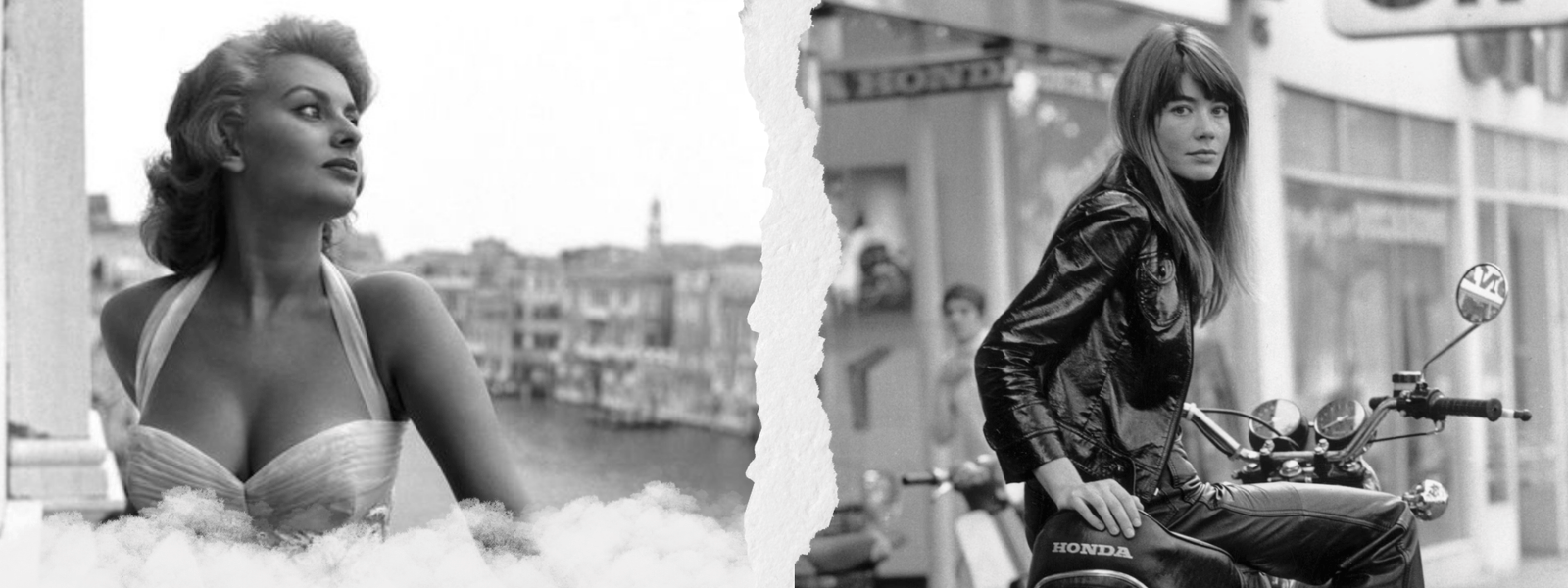
Alright, let’s settle something real quick — when it comes to fashion, there’s always that unspoken rivalry: Italy vs France. Two powerhouses, two cultures dripping with style, and two completely different vibes that somehow define what “luxury” even means.
If fashion were a language, France would be romantic poetry, and Italy would be passionate music. Both beautiful, both deep — just different dialects of the same obsession: style that speaks without words.
So, grab an espresso or a glass of Bordeaux, ‘cause we’re diving into the subtle (and not-so-subtle) differences between Italian and French fashion — from heritage to attitude, from design philosophy to how each makes you feel when you wear it.
The Roots: Heritage Runs Deep
Italian Fashion — Craft, Passion, and Family
Italian fashion is all about craftsmanship, sensuality, and confidence. The roots go deep — back to family ateliers, local artisans, and small workshops that turned into global empires. Italy doesn’t just design clothes; it builds them, stitches them with generations of tradition.
Think of houses like Giorgio Armani, Gucci, Prada, Versace, and Dolce & Gabbana — each one telling a story of heritage meets modern rebellion.
In Italy, fashion isn’t just about how you look — it’s about how you live. Style here is personal, emotional, and expressive. Italians want their clothes to move with them, breathe with them, and speak for them.
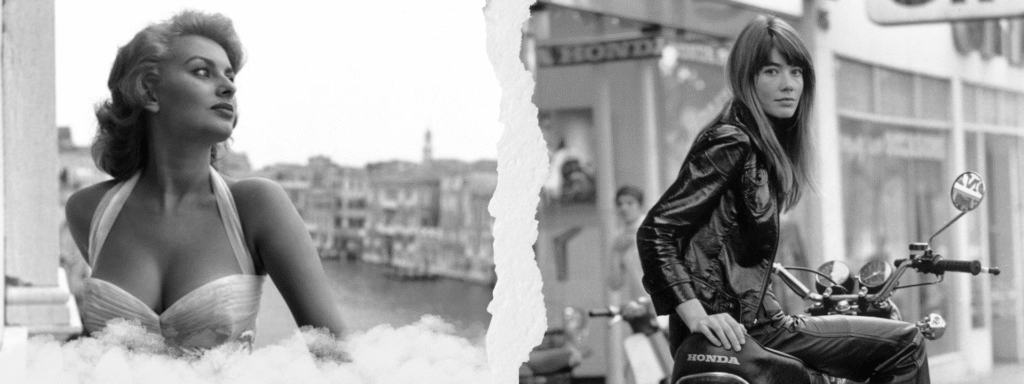
They’re not afraid of color, tailoring, or a little flash. Whether it’s Milan’s sleek tailoring, Florence’s leather mastery, or Rome’s opulent aesthetic, every Italian designer taps into one thing: emotion.
French Fashion — Elegance, Restraint, and Intellect
Meanwhile, French fashion? Oh, that’s a whole different kind of poetry. It’s all about understated sophistication and that effortless thing they call je ne sais quoi — that “I don’t know what” that somehow makes everything look cooler.
Paris built its empire on couture and refinement, where detail, discipline, and philosophy guide the hand of every designer.
We’re talking Chanel’s timeless elegance, Dior’s New Look, Saint Laurent’s rebellion, Givenchy’s grace, and Louis Vuitton’s precision. French fashion lives in structure and control, in silhouettes that tell a story of taste and intellect.
In short: Italian fashion wants you to feel sexy, French fashion wants you to look composed.
Attitude: Confidence vs Cool
Let’s talk attitude, ‘cause fashion isn’t just clothes — it’s how you carry them.
The Italian Way — Loud Confidence
Italian fashion is about owning the moment. Italians don’t shy away from attention — they invite it. The goal? To stand out without looking like you’re trying too hard (even though you probably are, and that’s okay).
A Milanese businessman might wear a three-piece suit in the middle of July and still look unbothered. A Neapolitan tailor will cut a jacket that fits so perfectly, it feels like it’s flirting with you.
Italian style says:
“Yeah, I look good — what of it?”
It’s charisma, charm, and craftsmanship rolled into one.
The French Way — Subtle Cool
French fashion, on the other hand, is all about effortless cool. They never look like they’re trying — and that’s the trick.
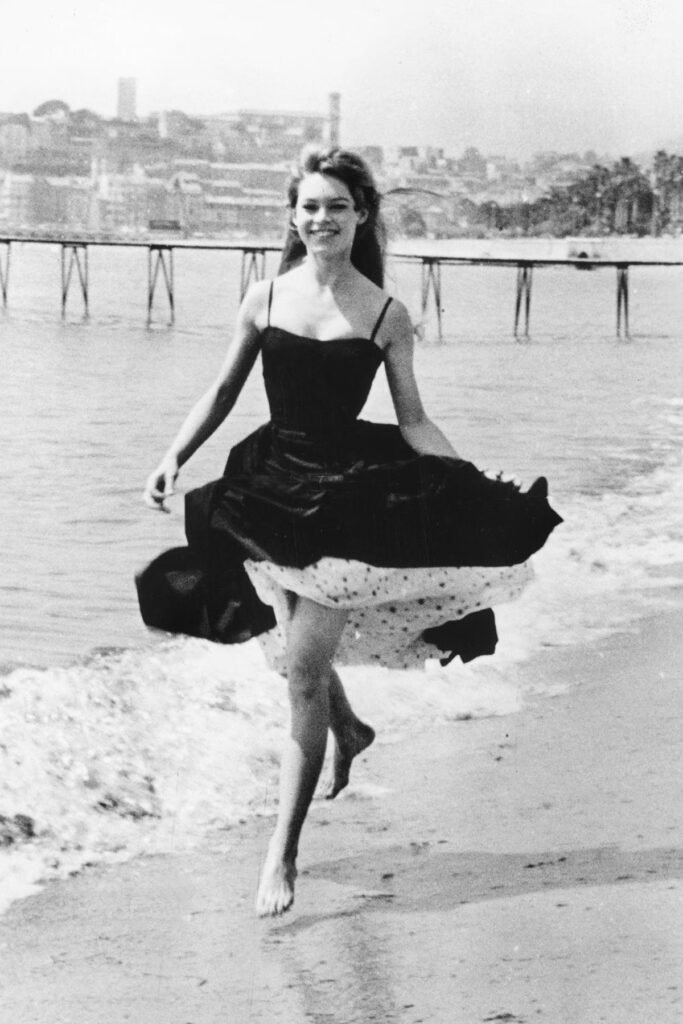
A Parisian woman might wear a white button-up, straight-leg jeans, and loafers — and still look like she just stepped out of a Vogue cover. French men? They’ll rock a trench coat, scarf, and minimal sneakers — calm, composed, timeless.
French style says:
“I didn’t try — I just have taste.”
Design Philosophy: The Drama vs The Dialogue
Fashion tells stories — and these two cultures tell them differently.
Italian Design — The Drama
Italian design is dramatic, emotional, and bold. It’s about flair, not just form. Designers like Versace built empires on glamor, Dolce & Gabbana on sensual storytelling, Prada on intellectual irony.
Italian fashion often feels like cinema — vibrant, expressive, full of life. It celebrates movement, curves, and personality.
You’ll see:
- Rich fabrics — silk, leather, velvet, wool
- Tailored silhouettes — sharp yet sensual
- Colors that pop — reds, golds, deep blues
- Confidence in detail — even the stitching feels intentional
Italian fashion doesn’t whisper — it sings.
French Design — The Dialogue
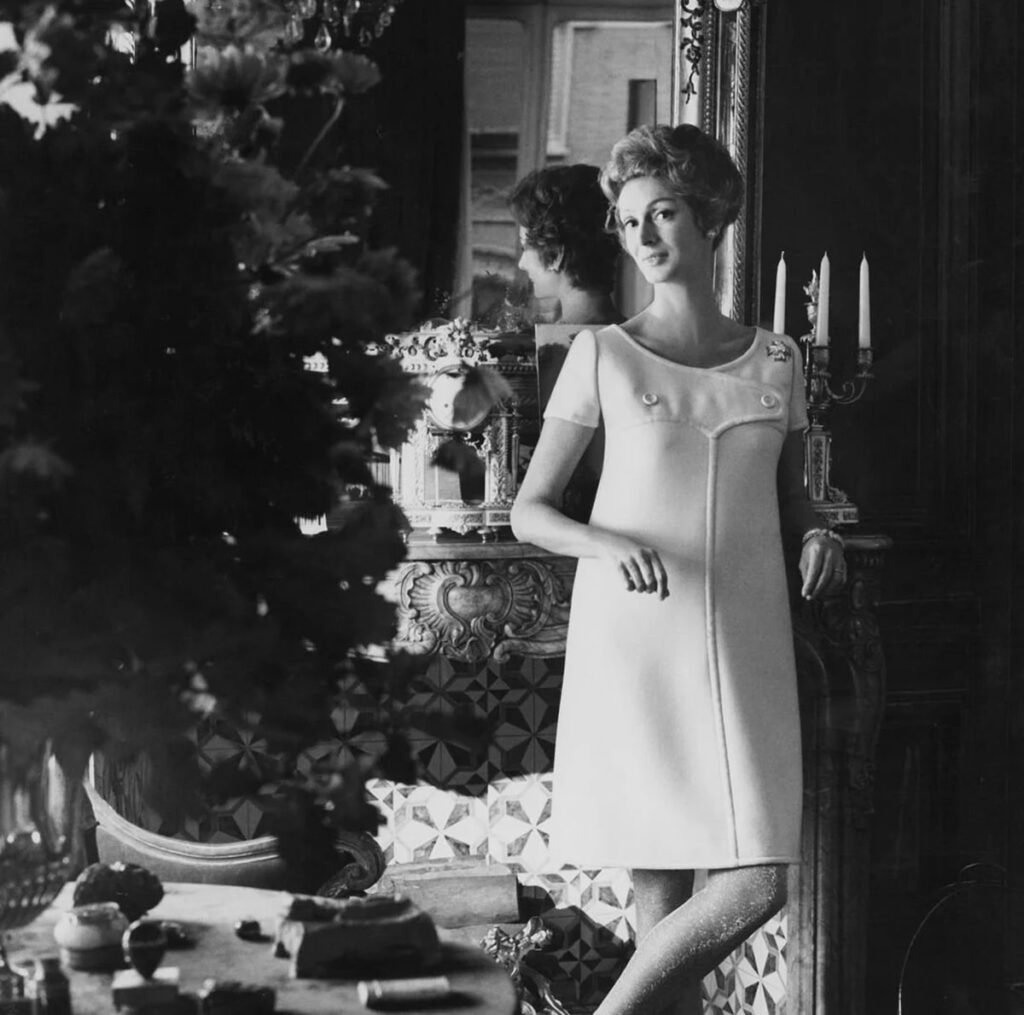
French design, though, is about conversation and restraint. It’s elegance in whispers. You notice the details later — the drape, the texture, the line of a shoulder. It’s minimalism with soul.
Coco Chanel once said, “Fashion fades, style remains.” That’s the French way. They care less about flash, more about form, proportion, and identity.
French fashion is built on:
- Monochrome palettes — blacks, whites, creams, navy
- Precision tailoring — clean lines, perfect structure
- Effortless layering — trench over silk, denim with pearls
- Quiet luxury — the kind that doesn’t need a logo
It’s the art of saying more with less.
Luxury Approach: Craft vs Concept
Italy — The Craft
Italian luxury thrives on hands-on artistry. Many houses still use family-owned workshops, with generations of artisans who treat each stitch like a signature.
It’s all about texture, material, and feel. Whether it’s Gucci’s leather, Bottega Veneta’s woven bags, or Brunello Cucinelli’s cashmere, Italy’s luxury is tactile — made to be touched, worn, lived in.
Italian luxury doesn’t just sell clothes — it sells the feeling of la dolce vita, that sweet life where every day deserves good shoes, a tailored jacket, and a little swagger.
France — The Concept
French luxury, meanwhile, is intellectual. It’s about vision and idea, not just material. Think Dior’s structure, Chanel’s codes, Saint Laurent’s androgyny, or Balenciaga’s architecture.
The craftsmanship is there — always — but the focus is on artistic statement. French designers treat fashion like a language: each collection says something, sometimes subtle, sometimes loud, but always meaningful.
Where Italy celebrates the hand, France celebrates the mind.
Everyday Style: Street vs Studio
You can see the cultural difference in how people actually dress.
Italy — Polished and Passionate
Walk through Milan or Florence, and you’ll notice Italians dress like every day is a runway. Tailored blazers, loafers, gold accessories — even casual outfits have structure and style.
They mix traditional pieces with modern flair — a crisp linen shirt with sneakers, or a tailored coat with distressed denim. Italians know how to balance formality with personality.
France — Effortless and Refined
In Paris, the energy is laid-back sophistication. Neutral tones, classic silhouettes, and timeless staples define the look.
It’s all about fit, proportion, and subtle textures. You won’t see flashy logos; you’ll see confidence in simplicity.
The French dress like they’re born stylish — and maybe they are.
The Icons: Who Defines the Energy
Italian Icons
- Giorgio Armani — reinvented modern tailoring, clean and sensual.
- Gianni Versace — pure passion, color, and boldness.
- Miuccia Prada — irony, intellect, and innovation in one.
- Domenico Dolce & Stefano Gabbana — romance and Sicilian flair.
- Gucci (Tom Ford era to Michele) — risk, rebellion, and sensuality.
These designers remind the world that Italian style is alive, emotional, and fearless.
French Icons
- Coco Chanel — simplicity and independence.
- Christian Dior — elegance reborn after war.
- Yves Saint Laurent — gender-fluid power and freedom.
- Jean Paul Gaultier — eccentricity with wit.
- Louis Vuitton — classic craftsmanship meets modern artistry.
French fashion is about ideas that endure, pieces that feel timeless no matter the decade.
Modern Fusion: The Lines Are Blurring
Today, the difference between Italian and French fashion is more subtle — but still there.
Luxury has gone global. Designers mix influences, brands collaborate, and streetwear blends with couture. But heritage doesn’t disappear — it evolves.
You’ll find Italian houses adopting French minimalism, and French labels experimenting with Italian sensuality. Yet somehow, the spirit remains distinct:
- Italy gives emotion to precision.
- France gives structure to passion.
That’s why both stay powerful — they complete each other.
Final Thoughts: Style as Identity
At the end of the day, it’s not about who’s “better.” Italian and French fashion are two sides of the same luxury coin — each shaping how the world defines beauty and self-expression.
- Italian fashion is heart, heat, and hands.
- French fashion is mind, mood, and movement.
When you wear Italian, you feel like you’re starring in your own movie. When you wear French, you feel like you’ve already won the award.
Both are legacies. Both are lifestyles. Both remind us that fashion isn’t just what you wear — it’s how you live.
So whether you’re rocking a tailored Milanese suit or a Parisian trench coat, remember: style isn’t about choosing sides — it’s about finding your rhythm between passion and poise.
Live bold. Walk soft. Look timeless.