Fendi: The Legacy and Luxury of Italian Fashion Innovation
When it comes to Italian fashion, few names evoke prestige, craftsmanship, and innovation like Fendi. Founded in Rome in 1925, Fendi began as a humble fur and leather boutique and has since evolved into a global luxury powerhouse, spanning ready-to-wear, handbags, shoes, accessories, eyewear, and fragrances. The brand’s enduring appeal lies not only in its products but in its ability to balance heritage and modernity, craftsmanship and creativity, and luxury and playfulness.
This Fendi sub-hub serves as a comprehensive guide to the brand, providing historical context, insights into its product categories, and a foundation for exploring future detailed articles. While we’ll expand to all product categories soon, you can already explore our in-depth coverage of Fendi Handbags to start discovering the house’s most iconic and coveted accessories.
The Origins of Fendi: From Furriers to Fashion House
Fendi was founded by Adele and Edoardo Fendi in 1925 on Via del Plebiscito in Rome. Originally a small shop specializing in leather goods and fur, the brand quickly earned a reputation for quality craftsmanship and innovative design. In the early decades, Fendi’s fur creations became so distinctive that they attracted a sophisticated Italian clientele seeking something elegant, luxurious, and uniquely Roman.
The brand’s commitment to quality from the very beginning helped it stand out in a competitive marketplace. While many houses were producing traditional fur garments, Fendi innovated in cuts, textures, and silhouettes, treating fur as a material to experiment with rather than a commodity to simply adorn.
This dedication to craftsmanship and experimentation laid the foundation for what Fendi would become — a house capable of blending timeless elegance with avant-garde creativity.
Karl Lagerfeld’s Transformative Influence
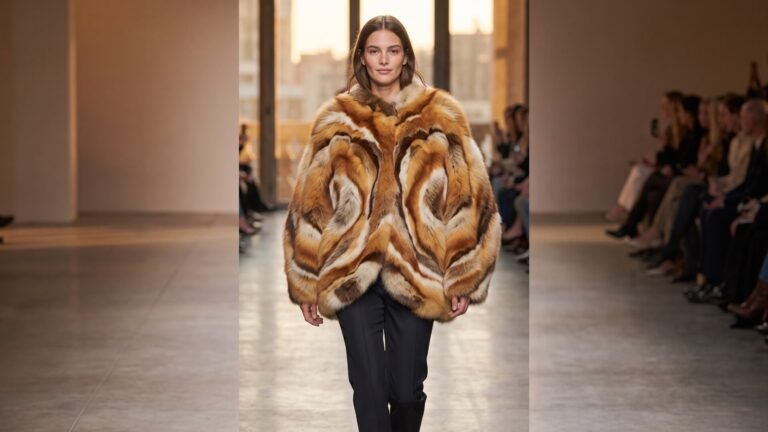
A turning point for Fendi came in 1965 when Karl Lagerfeld joined the house as creative director for fur. Lagerfeld’s vision revolutionized Fendi, turning fur from a classical material into a modern, playful, and fashion-forward medium. Under his guidance, Fendi’s fur collections became symbols of luxury that were also daring and inventive, incorporating bold colors, new textures, and unconventional silhouettes.
Lagerfeld’s influence extended far beyond fur. He introduced a design philosophy that valued innovation and craftsmanship equally, encouraging experimentation with leather, fabrics, and accessory forms. He also helped Fendi become a global fashion destination, merging Italian tradition with an international outlook.
Today, Lagerfeld’s legacy continues to shape Fendi’s identity — a fusion of Roman heritage, luxury, and inventive creativity that keeps the brand relevant across decades.
Fendi’s Brand Identity: Craft, Creativity, and Roman Roots
Fendi’s DNA is firmly rooted in craftsmanship, creativity, and Roman heritage. Every product reflects an attention to detail, from the meticulous stitching of a handbag to the luxurious finishes of fur garments and ready-to-wear collections. While innovation is central, Fendi never loses sight of its Roman origins, often infusing classical references and architectural inspiration into designs.
Some key elements of Fendi’s identity include:
- Iconic logos and branding: The double “F” logo, designed by Lagerfeld, remains one of the most recognizable symbols in luxury fashion. It conveys heritage and modernity simultaneously.
- Mastery of materials: Fendi treats leather, fur, and fabric as canvases for creativity, continuously experimenting with textures, finishes, and combinations.
- Playful luxury: Unlike some luxury houses that lean exclusively on tradition, Fendi balances sophistication with humor, whimsy, and bold visual statements.
This combination of traits has allowed Fendi to consistently capture the attention of fashion lovers worldwide, from classic luxury enthusiasts to trend-conscious younger audiences.
Fendi Handbags: A Legacy of Iconic Style
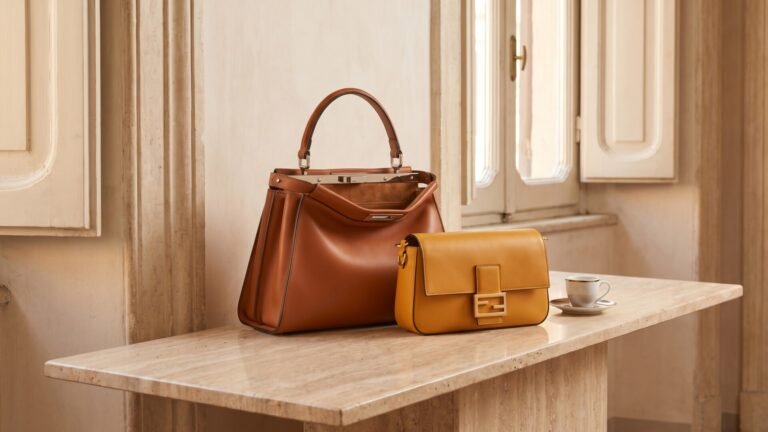
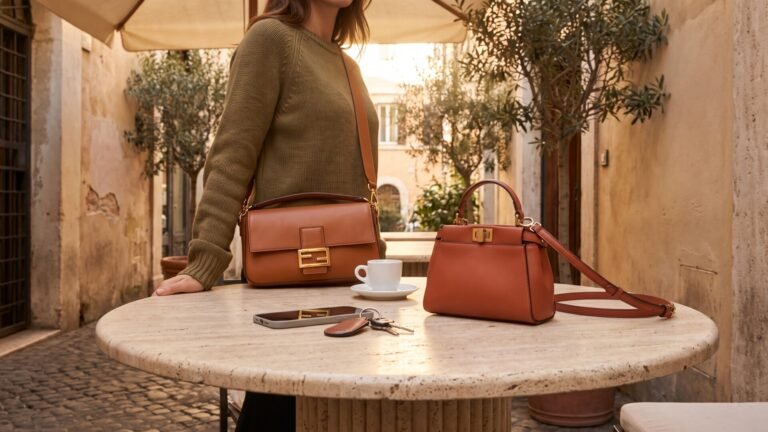
Among Fendi’s most globally recognized products are its handbags. The house has a rich history of creating statement accessories that are simultaneously luxurious, functional, and instantly recognizable.
Iconic lines include:
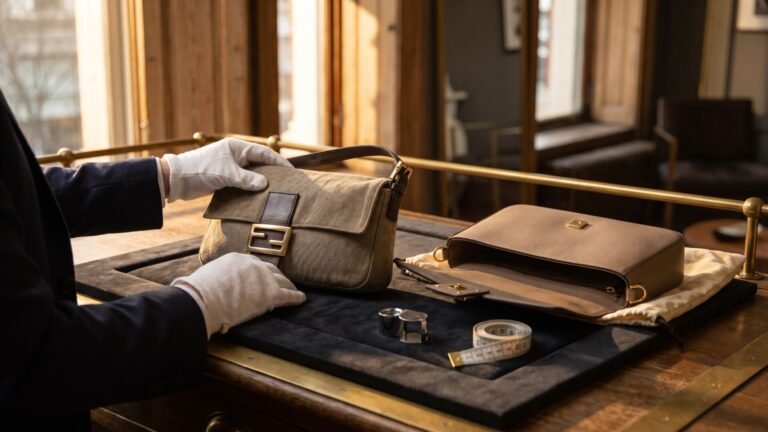
- Baguette: Perhaps the most famous Fendi bag, the Baguette became a cultural phenomenon in the late 1990s and early 2000s. Its compact, rectangular shape, versatile styling, and statement branding made it a must-have accessory, featured in countless fashion editorials and pop culture references.
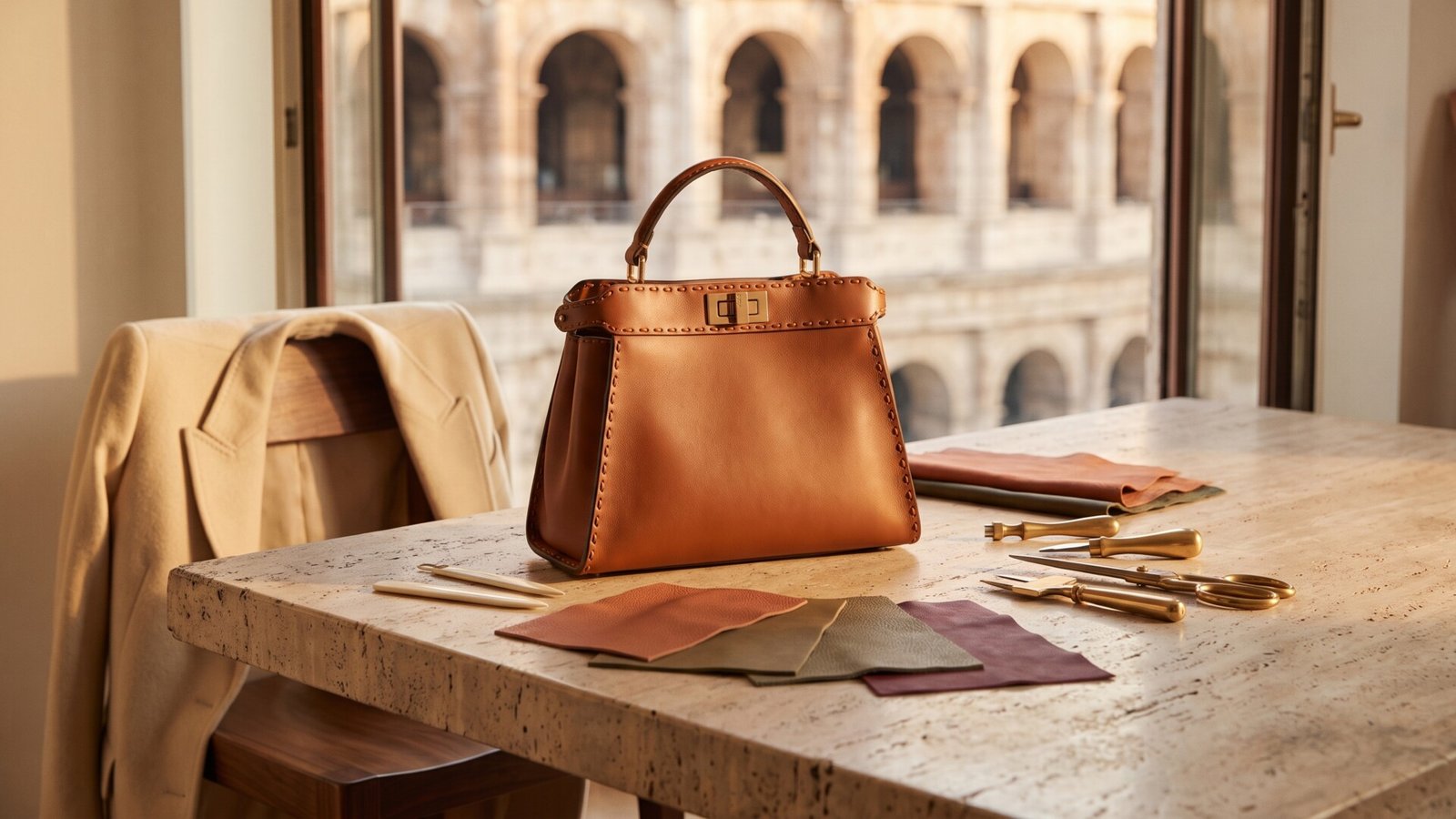
- Peekaboo: Introduced in 2009, the Peekaboo quickly became a symbol of modern elegance. Its structured design and hidden closure combine playful secrecy with classic sophistication.
- Kan I: A newer addition to Fendi’s lineup, the Kan I emphasizes architectural structure and bold branding, demonstrating the house’s ongoing ability to innovate while remaining rooted in heritage.
Every Fendi handbag combines masterful craftsmanship with forward-thinking design, making each piece an investment in both style and quality. You can explore our detailed coverage of these bags in the dedicated Fendi Handbags article, which dives into design history, material choices, and collector favorites.
Fendi Ready-to-Wear: From Runway to Real Life
Fendi’s ready-to-wear collections reflect the house’s balance of innovation and wearability. Both menswear and womenswear demonstrate meticulous tailoring, inventive silhouettes, and luxurious fabrics. From sleek suits to statement coats, Fendi’s ready-to-wear pieces showcase how Roman craftsmanship meets contemporary lifestyle demands.
Some defining aspects of Fendi’s ready-to-wear offerings include:
- Structural innovation: Many collections experiment with layering, volume, and architectural cuts, creating garments that feel modern and sculptural.
- Material experimentation: Fendi often combines unexpected materials — such as fur with technical fabrics or leather with knitwear — to produce garments that surprise while remaining wearable.
- Prints and branding: Bold patterns, logo play, and color-blocking are common, allowing wearers to make a statement without sacrificing elegance.
These collections not only reflect Roman sophistication but also appeal to international audiences seeking high-quality, creative, and distinctive wardrobe staples.
Fendi Shoes and Footwear
While handbags and ready-to-wear are central to Fendi’s identity, its footwear collections demonstrate a similar commitment to craftsmanship and design experimentation. From elegant heels to sneakers and boots, Fendi shoes combine comfort with bold aesthetic choices.
Key highlights include:
- Sneakers with logo accents: Modern sneakers feature Fendi’s signature logos or patterning, blending casual style with luxury flair.
- Statement heels: Innovative heel shapes, mixed materials, and architectural elements make Fendi’s women’s shoes immediately recognizable.
- Boots and seasonal innovation: Seasonal collections explore unusual materials, textures, and finishes, maintaining relevance across fashion cycles.
Fendi footwear is designed to extend the house’s playful sophistication to every step, making each pair a wearable piece of luxury art.
Fendi Accessories: Belts, Sunglasses, and Beyond
Fendi’s accessory lines are another arena where branding meets craftsmanship. Belts, scarves, sunglasses, and small leather goods often feature the iconic double “F” logo, signature patterns, or inventive textures.
Highlights include:
- Belts and small leather goods: Perfect examples of Fendi’s attention to detail, these items combine practicality with visual impact.
- Eyewear: Sunglasses and optical frames balance fashion-forward silhouettes with durable construction.
- Scarves and textiles: Often made from luxurious materials like silk and cashmere, Fendi scarves showcase both classic patterns and seasonal experimentation.
These accessories are designed to complement handbags and ready-to-wear, creating a cohesive, head-to-toe fashion experience.
Fendi Fragrances
No luxury house is complete without a signature fragrance, and Fendi’s perfumes continue to reflect the house’s bold, sophisticated, and playful personality. Fragrances often blend classic notes with modern twists, creating scents that feel both luxurious and contemporary.
- Signature lines: From Fendi’s first fragrances to recent launches, each scent tells a story that reflects the Roman elegance and modern sensibility of the brand.
- Collaborative projects: Partnerships with renowned perfumers ensure that Fendi fragrances are artistic and distinctive, echoing the same attention to detail found in fashion collections.
Fendi’s Creative Leadership: A Legacy of Innovation
After Karl Lagerfeld’s passing in 2019, Fendi’s creative direction continued under Silvia Venturini Fendi, who had long been integral to the house. As part of the Fendi family herself, Silvia ensures the brand maintains its heritage while embracing contemporary creativity.
Her influence can be seen in:
- Reviving iconic lines like the Baguette and Peekaboo while introducing fresh updates.
- Expanding into contemporary fashion, including streetwear influences and modern fabric experiments.
- Balancing tradition and playfulness, ensuring the brand remains relevant in a competitive luxury market.
Fendi’s creative leadership reflects a careful blend of legacy stewardship and forward-looking vision, a balance that has allowed the house to thrive for nearly a century.
Fendi in Pop Culture
Fendi has always had a close relationship with pop culture, collaborating with celebrities, appearing in films, and inspiring social media trends. Iconic moments include:
- The Baguette bag craze, popularized by celebrities and “Sex and the City.”
- Red carpet appearances by A-list stars in Fendi couture or ready-to-wear.
- Collaborations with artists and photographers, blending fashion with contemporary art.
This cultural relevance reinforces Fendi’s status as both a luxury brand and a trend influencer, ensuring it resonates with new generations of fashion enthusiasts.
Regional Craftsmanship and Materials
Fendi remains deeply tied to Italian craftsmanship, sourcing materials and producing items with meticulous attention to detail. Fur, leather, and fabric production often occur in traditional workshops, allowing the brand to maintain exceptional quality control and heritage authenticity.
Some defining features include:
- Fur innovation: Originally the brand’s core product, Fendi continues to experiment with texture, dyeing, and cutting techniques.
- Leather expertise: Hand-selected leathers undergo extensive treatment and finishing to ensure durability and luxury.
- Collaborative artisanal processes: Fendi often partners with skilled artisans, blending centuries-old techniques with modern design concepts.
This commitment ensures every Fendi product reflects Italian luxury, precision, and creativity.
Sustainability and Modern Initiatives
Like many modern luxury brands, Fendi is increasingly focused on sustainable practices and ethical production. Initiatives include:
- Material innovation, incorporating responsibly sourced fibers and recycled elements.
- Waste reduction, particularly in leather and fur production.
- Supporting artisanal communities, preserving traditional techniques and providing fair employment.
While luxury and sustainability can sometimes feel at odds, Fendi demonstrates that heritage, creativity, and ethical responsibility can coexist in modern fashion.
Why Fendi Remains Iconic
Fendi’s longevity is tied to its ability to balance heritage with modernity. From its early days as a furrier to its current status as a global luxury house, Fendi has remained:
- Innovative: Continuously experimenting with materials, textures, and forms.
- Recognizable: Maintaining consistent branding and iconic designs like the double “F” logo.
- Culturally relevant: Appealing to both traditional luxury consumers and modern trendsetters.
- Craft-focused: Upholding Italian craftsmanship in every product category.
This combination of factors ensures Fendi’s continued relevance and influence in the global fashion market.
Looking Ahead: Fendi’s Future in Luxury
The next chapter for Fendi will likely involve further expansion into new categories, collaboration with contemporary artists, and digital innovation, while maintaining the brand’s identity as a symbol of Italian luxury, creativity, and craftsmanship. Upcoming product categories such as footwear, apparel, eyewear, and fragrances will continue to blend heritage with modern design thinking.
For now, as ItalianDesignerVault.com continues to grow, detailed articles on each product category will link back here, creating a comprehensive Fendi knowledge hub.
Start Exploring Fendi Products
Currently, you can dive into Fendi’s world through our coverage of Fendi Handbags, which breaks down the most iconic bags, designs, and must-have pieces. In the future, look forward to dedicated pages covering shoes, ready-to-wear, eyewear, scarves, and fragrances — each designed to help you understand Fendi’s innovation, craftsmanship, and enduring influence.