Pierpaolo Piccioli: The Poet of Modern Couture
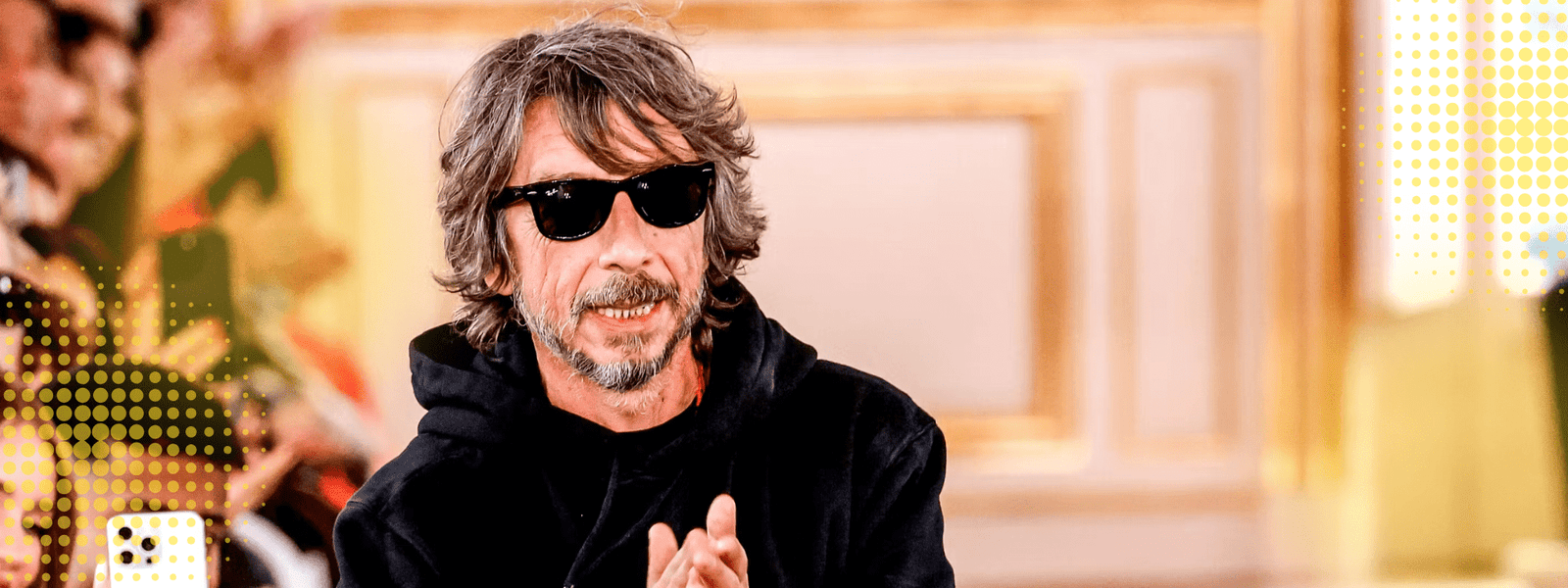
Let’s talk about Pierpaolo Piccioli — a designer who doesn’t just make clothes, he makes feelings. The man’s got that rare energy where everything he touches turns poetic. He took Valentino, one of the most classic houses in the game, and gave it a heartbeat again.
Pierpaolo Piccioli isn’t just a designer — he’s a vibe. The kind of guy who can make a dress feel like a poem, a runway feel like a love letter, and a brand feel like a heartbeat.
He’s the dude who turned Valentino — a house built on Roman glamour — into something soulful, human, and emotional.
Before Alessandro Michele came in, it was Pierpaolo who gave the brand its voice for the modern era.

This man doesn’t shout with his designs. He whispers — but it hits deep.
Let’s unpack his story: how a kid from a small Italian town became one of the most respected creative minds in fashion, how he changed what “couture” means today, and why his legacy still echoes through Valentino’s red silk halls.
Small Town Dreams
Pierpaolo Piccioli was born in 1967, in Nettuno, a seaside town just outside Rome.
And that detail — the sea — it matters. You can feel it in his work: the calm, the movement, the light.
He didn’t grow up surrounded by couture gowns or glamorous runways. He was a kid with big dreams and a love for beauty in everyday life — color, texture, the way fabric moves in the wind.

In interviews, Piccioli’s always been humble about it. He wasn’t trying to be a star; he just wanted to make things that meant something.
He studied at the Istituto Europeo di Design in Rome, where he learned the craft. Not the hype, not the marketing — the making. He got into fashion because he saw it as a kind of storytelling, a way to express feelings without words.
The Early Days at Valentino
Piccioli joined Valentino in 1999, alongside Maria Grazia Chiuri (who now runs Dior).
Back then, they weren’t the faces of the house — they were the quiet talents working behind the scenes.
Their job? Revive Valentino’s accessories line. You know — bags, shoes, small leather goods.
Not the most glamorous assignment at first, but Pierpaolo and Maria turned it into something major.
Their designs gave Valentino’s accessories a new pulse: sleek, romantic, and modern.
It was around this time that they started building a real creative rhythm together — a balance of her structure and his softness.
They were like the Lennon and McCartney of couture — different energies, same vision.
Taking Over the House
When Valentino Garavani, the brand’s legendary founder, retired in 2008, the fashion world was holding its breath.
Who could possibly carry the torch?
The house announced not one, but two creative directors: Maria Grazia Chiuri and Pierpaolo Piccioli.
Together, they inherited one of the most iconic legacies in Italian fashion — the red, the romance, the perfection.
And honestly? They nailed it.
They brought Valentino back to relevance. The collections started feeling fresh again — softer, younger, but still deeply elegant.
The duo balanced each other beautifully: her precision met his poetry.
Their shows were like visual sonnets — full of tulle, lace, embroidery, and quiet power.
Flying Solo

Then came 2016.
Maria Grazia Chiuri got the call from Dior, becoming the first woman to ever head that house.
Pierpaolo stayed at Valentino — alone for the first time.
And that’s when his true voice came through.
He didn’t panic or pivot hard. He didn’t try to shock. He just leaned deeper into what made him him: emotion, humanity, and grace.
His solo debut collection for Valentino was pure poetry. Soft silhouettes, ethereal fabrics, faces bare of makeup — everything stripped down to emotion.
It was less about clothes as status symbols, more about clothes as feelings.
From that moment on, Pierpaolo wasn’t just running Valentino.
He was Valentino.
Taking over Balenciaga
From the refined era of Italian couture led by Pierpaolo Piccioli at Valentino—defined by emotion, romantic tailoring, and a modern revival of classical elegance—the story of contemporary luxury fashion gradually shifts toward a more disruptive language. Each chapter moves further away from tradition, reinterpreting what luxury means for a new generation.
The latest evolution in this timeline is Balenciaga, where structure is deconstructed, silhouettes are exaggerated, and fashion becomes a cultural statement rather than just craftsmanship. If Piccioli represents the peak of poetic modern couture, Balenciaga marks the next phase: experimental, ironic, and boundary-pushing, where the rules of elegance are intentionally rewritten.
Check out our Balenciaga brand breakdown on of sister site FrenchDesignerVault.com
The Piccioli Aesthetic: Emotion Over Excess
Let’s break down his vibe, because it’s what made him stand out in an industry full of noise.
Piccioli’s signature isn’t about hype — it’s about heart.
His designs live in that space where couture meets soul. You’ll see:
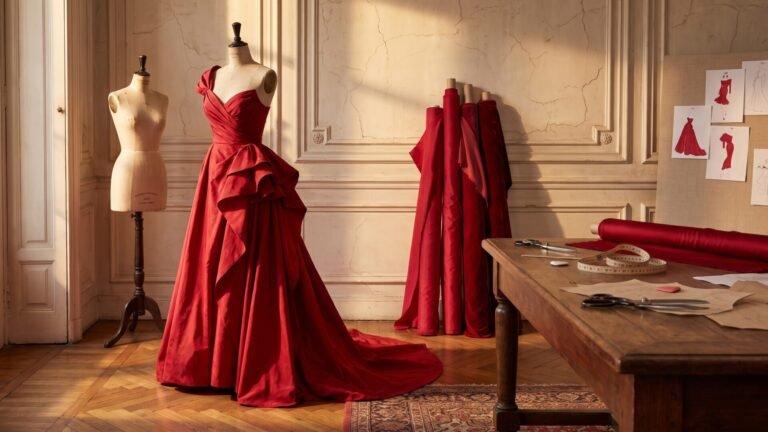
- Flowing gowns in bold, saturated colors — the kind that feel alive.
- Layers of fabric that move like breath.
- Faces clean and natural — no heavy glam, just authenticity.
- A balance of softness and strength — romantic, but never fragile.
He once said, “I want to show the beauty of imperfection, the humanity in couture.”
That’s what separates him. He wasn’t designing for fantasy — he was designing for people.
And that’s rare in luxury fashion.
Color as Emotion
If you’ve ever seen one of his shows, you know color is his language.
Under Piccioli, Valentino’s color palette exploded. We’re talking that hot pink moment in 2022 — officially called Valentino Pink PP — which became a whole cultural moment.
He collaborated with Pantone to make it official.
And then the world went wild.
That color wasn’t just a marketing move — it was a statement about joy, boldness, and self-expression.
It was everywhere: the runway, the red carpet, the streets.
Pierpaolo said he wanted to use color like emotion — to make people feel something the moment they looked at a dress.
And he did.
The Models, The Message
Here’s what makes Piccioli special beyond the clothes: representation.
He’s one of the few major designers who genuinely pushed for inclusivity in high fashion — not just as a trend, but as a philosophy.
He cast models of all backgrounds, ages, and identities — not to tick boxes, but because he believed beauty comes in every form.
He once said: “Couture is for everyone — because beauty is for everyone.”
That’s not a slogan. That’s his worldview.
His 2020 and 2021 shows in particular hit hard — a lineup of powerful Black models, fuller figures, and nontraditional faces, all wearing exquisite couture.
It sent a message that fashion could finally reflect the real world.
That’s Pierpaolo’s quiet activism — through beauty, not noise.
The Craft and the Dream
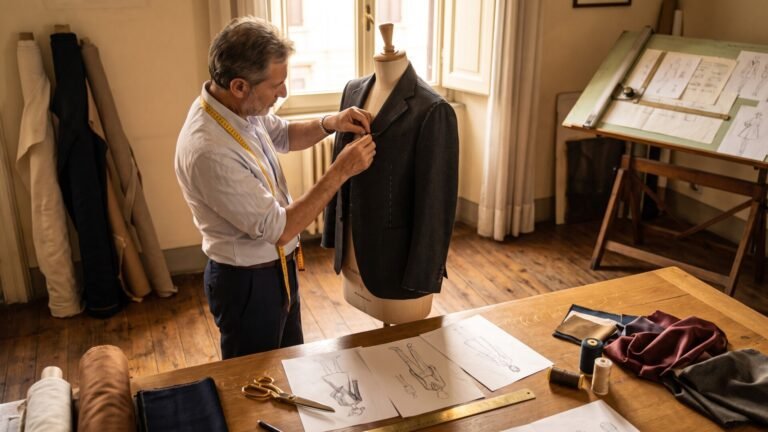
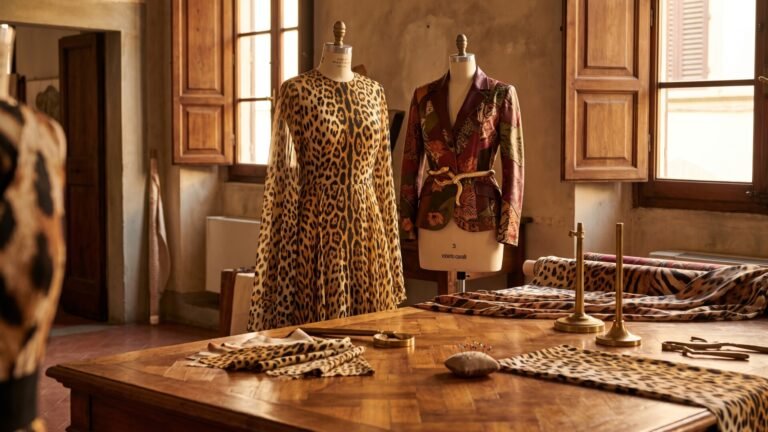
At the heart of Valentino under Piccioli was one thing: craftsmanship.
He didn’t chase fast fashion trends or digital gimmicks.
Every piece in his collections felt made by hand — because it was.
You could see the thousands of hours that went into embroidery, beading, and cutting.
Each dress felt like a piece of art, made to last, not just to post.
But even with all that couture precision, his clothes always felt alive — never stiff or overly polished.
That’s his genius: to make the impossible look effortless.
Key Collections: When Fashion Became Feeling
There are a few moments that truly define Piccioli’s legacy at Valentino — and they’re all about emotion.
1. Fall/Winter 2018 Couture – One of his most poetic shows ever. Voluminous gowns, bare faces, raw vulnerability. You could literally hear people gasp.
2. Spring 2019 Couture – A celebration of diversity and color, with supermodel Naomi Campbell closing the show in a stunning black gown. Iconic.
3. The Pink PP Collection (2022) – Maybe his most famous. A full collection in one single color. Bold, graphic, unforgettable.
4. Fall 2023 Couture in Venice – Romantic, stripped-back, all about craft and soul. You could feel the sea breeze in the fabric.
These weren’t just fashion shows — they were emotional experiences.
People cried. Editors stood up. Celebrities wore the gowns not just because they were beautiful, but because they meant something.
Awards, Recognition, and Respect
Pierpaolo Piccioli didn’t just win hearts — he won awards too.
He snagged the Designer of the Year at the Fashion Awards in London in both 2018 and 2022, and got universal critical acclaim for his leadership at Valentino.
But if you ask him, he’d probably shrug it off. He’s not a trophy guy.
What matters to him is connection — with his team, his audience, and the people wearing his designs.
That humility is part of why everyone in the industry respects him. He treats fashion like a community, not a competition.
The Exit: Saying Goodbye to Valentino
In March 2024, after almost 25 years at Valentino, Pierpaolo Piccioli announced he was leaving.
No drama. No scandal. Just a heartfelt goodbye.
His statement was pure poetry — he thanked the team, the house, the legacy, and said it was time to “close a chapter written with love.”
You could feel that it wasn’t burnout or bitterness — it was just time.
He’d given everything he had to Valentino.
And honestly, what a run.
After he left, Alessandro Michele (the former Gucci visionary) took over the brand, marking the start of a new era.
But make no mistake: Valentino will always carry Piccioli’s fingerprints — the softness, the color, the compassion.
The Legacy: When Fashion Learned to Feel
Pierpaolo Piccioli changed the way people see couture.
He made it emotional again.
He showed that luxury doesn’t have to be about distance or status — it can be about connection.
That the woman in a gown isn’t a fantasy; she’s a real person, with stories, dreams, and power.
He brought humanity into an industry obsessed with perfection.
Every designer that came after him — including Michele — walks in that space he created, where emotion and artistry meet.

He also changed what it means to lead a brand. He wasn’t about ego or dominance. He was about kindness, empathy, and team spirit.
He’s proof that you can be soft and strong at the same time.
Signature Looks: The Piccioli Touch
If you ever want to spot a Pierpaolo piece in the wild, here’s the checklist:
- Sculptural gowns that float instead of hug
- Dramatic use of color — especially red, pink, gold, and white
- Minimal makeup, natural hair, focus on presence
- Intricate embroidery and handwork
- Effortless beauty with a whisper of rebellion
His clothes don’t scream “look at me.” They say, “see me.”
Big difference.
Where He Might Go Next
As of now, Piccioli hasn’t announced his next move.
He’s taking his time — and honestly, he’s earned it.
There’s talk he might start his own label, or take on a creative role outside the typical fashion structure — maybe art direction, maybe cultural projects.
Whatever he does, you know it’ll be beautiful.
He’s not the type to chase clout or hype.
He’s the type to show up one day with something that makes the world stop and feel.

Final Thoughts: The Designer Who Made Fashion Human Again
Pierpaolo Piccioli didn’t need to scream to be heard.
He just needed fabric, light, and love.
He turned Valentino from a symbol of status into a symbol of soul.
He made couture emotional again — not about who can afford it, but about who can connect to it.
He showed that beauty isn’t perfect. It’s personal. It’s lived-in. It’s human.
So yeah — when people look back on this era of fashion, they’ll talk about the big brands, the loud trends, the viral moments.
But they’ll also remember the quiet poet from Nettuno, who made us all believe in softness again.
Pierpaolo Piccioli didn’t just design clothes.
He designed feelings.
And that’s forever.