How to Care for Italian Leather Goods (The Right Way)
Let’s circle back.
If you caught our last deep dive on Why Italian Leather Is the Best: Craftsmanship Explained, you already know what’s up — Italian leather isn’t just material, it’s art. It’s tradition. It’s the definition of “made different.”
But let’s be honest — owning something that premium comes with responsibility. You can’t just toss your Gucci bag on the floor or leave your Ferragamo loafers baking in the backseat and expect them to stay fresh. Nah. Italian leather demands a little love, a little respect, and the right care.
So here’s the deal: this guide is all about how to treat your Italian leather the right way — from cleaning and conditioning to storing and protecting it from time, weather, and bad habits. Whether it’s your favorite tote, your go-to sneakers, or that bomber jacket that makes you feel untouchable — we’ve got you covered.
Let’s keep it real, keep it simple, and keep it luxe.
1. Understanding the Soul of Italian Leather
Before we even get into products and routines, let’s revisit what makes Italian leather special — because once you understand why it behaves the way it does, you’ll know how to care for it.
Italian leather, especially the good stuff (think full-grain or top-grain, vegetable-tanned hides), is a living material. It’s porous. It breathes. It reacts to light, heat, moisture, and touch.
That’s what gives it personality — that patina that slowly forms, those subtle changes in tone and texture over time. The more you use it, the more it becomes yours.
But because it’s alive, it also needs maintenance. Like skin.
You wouldn’t skip moisturizer for months and then complain about dry skin, right? Same logic applies here.
So, yeah — you don’t have to baby it, but you do have to respect it.
2. The Basics: What You’ll Need in Your Leather Care Arsenal
Here’s your starter pack for proper Italian leather maintenance — nothing crazy, just the essentials that’ll keep your gear looking top-tier:
- Soft microfiber cloths: For dusting and polishing.
- Leather cleaner: Gentle, pH-balanced, made specifically for high-quality leather.
- Leather conditioner or cream: To hydrate and protect against drying or cracking.
- Horsehair brush: Optional, but perfect for buffing shoes and removing surface dirt.
- Storage bags or boxes: Preferably breathable cotton, not plastic.
- Waterproofing spray (optional): For shoes or bags that face the elements often.
And most importantly: patience.
Italian leather care is not about scrubbing or over-treating. It’s about consistency and touch.
3. Cleaning: Keep It Fresh Without Stripping It
Let’s start with the most basic — cleaning.
You’d be surprised how many people ruin premium leather just by cleaning it wrong.
Here’s the right way to do it, step by step:
Step 1: Dust Off
Before using any cleaner, wipe the surface with a soft, dry microfiber cloth. You’re just removing dust, light dirt, or surface grime. Don’t use paper towels or rough fabrics — they can scratch the finish.
Step 2: Spot Test
Always — and I mean always — test your cleaner on a hidden area first. Some leathers (especially lighter tones or untreated ones) can react differently.
Step 3: Apply Cleaner
Dampen a soft cloth with the cleaner, never apply it directly to the leather. Use small circular motions, light pressure, and go section by section.
Step 4: Wipe and Dry
Use another clean, dry cloth to wipe off any residue. Let it air dry naturally — never use heat, hair dryers, or direct sunlight.
If it’s a jacket or bag, hang it somewhere with good airflow. If it’s shoes, use shoe trees or stuff them with paper to keep shape.
Pro tip:
If you wear leather sneakers, give them a light wipe-down after every few wears. That daily maintenance keeps them from ever getting really dirty.
4. Conditioning: Feed the Leather, Don’t Drown It
Here’s where a lot of folks mess up — either they never condition their leather, or they do it too often.
Leather needs hydration to stay soft and flexible. Without it, it’ll dry out, crack, and lose that luxurious feel. But you also don’t want it greasy or darkened by over-conditioning.
Here’s how to do it right:
- Clean first. Always condition on clean leather.
- Apply small amounts. Think “thin coat,” not “slathering barbecue sauce.”
- Use circular motions. Massage the conditioner in gently with a cloth.
- Let it rest. Give it 15–30 minutes to absorb fully.
- Buff it out. Use a clean, dry cloth or a horsehair brush to give it a light shine.
Do this every 3–6 months depending on use and climate.
If you live in a dry or hot place, maybe every 3 months.
If it’s humid or you don’t wear the item often, twice a year is enough.
What Kind of Conditioner?
Go for ones that are natural and non-silicone based. Beeswax, lanolin, and natural oils are ideal.
Brands like Saphir, Chamberlain’s, Collonil, and Bickmore all make solid options — perfect for Italian leather goods.
5. Protecting from the Elements
Let’s be real — Italian leather and water are not friends.
And direct sunlight? That’s like leather’s version of sunburn.
Rain and Moisture
If your leather gets wet, don’t panic. Just:
- Wipe it off gently with a dry cloth.
- Let it air dry away from heat.
- Once dry, apply a bit of conditioner to restore moisture.
You can use a waterproofing spray, but go easy — too much can clog pores and affect texture. Opt for ones labeled as “breathable protection.”
Sunlight and Heat
Long exposure will fade color and dry out the hide.
So don’t leave your leather bag sitting on the dashboard, and don’t store your jacket near radiators.
If you wear light-colored leather, especially whites or creams, be extra cautious — UV rays can discolor them faster.
6. Storing It Right
How you store your leather when you’re not using it is just as important as how you wear it.
Here’s the golden rule: Let it breathe.
Never wrap leather in plastic. It traps moisture and can cause mold or cracking. Instead, use breathable dust bags or cotton pillowcases.
For jackets:
- Hang them on wide, padded hangers (no wire ones).
- Keep them in a cool, dry spot.
- Zip or button them up so they hold shape.
For bags:
- Stuff them with acid-free paper or bubble wrap to maintain structure.
- Keep handles upright so they don’t warp.
For shoes:
- Use cedar shoe trees to absorb moisture and keep form.
- Rotate them — don’t wear the same pair every day.
Leather needs downtime, too.
7. Dealing with Scratches, Scuffs, and Stains
Let’s face it — life happens. Bags hit walls, shoes get scuffed, jackets brush against rough surfaces.
The good news? Italian leather ages gracefully. Minor marks often just blend into the patina. But for the more noticeable ones:
Scuffs:
Use a little conditioner or color-matched cream and buff in gentle circles. It usually evens out.
Scratches:
Rub lightly with clean fingers or a soft cloth — the natural oils in your skin can sometimes blend them out. For deeper ones, use a repair balm (brands like Saphir Renovateur are clutch).
Stains:
Act fast. Blot (don’t rub) with a dry cloth. If it’s grease or oil, sprinkle a bit of cornstarch, let it sit overnight, and brush off.
For ink or dye transfer — that’s trickier. You might need a pro cleaner.
8. Knowing When to Call a Professional
Look, sometimes DIY just won’t cut it.
If your bag got drenched in a storm or your jacket picked up mold during storage, don’t risk making it worse.
Italy’s leather heritage means there are specialist cleaners and restorers who can bring almost anything back to life. Many luxury brands (like Gucci, Prada, and Bottega Veneta) even offer restoration services directly — worth the cost if you’ve got a high-end piece.
9. Italian Leather & Patina: The Beauty of Aging Well
One thing people often misunderstand: patina isn’t damage — it’s evolution.
Over time, real Italian leather develops a richer tone, a soft sheen, subtle darkening in certain spots. That’s what collectors live for. It’s proof of authenticity and life.
Unlike synthetic materials that fade or peel, Italian leather tells a story — of the trips, the daily routines, the touch of your hands. That’s what makes it irreplaceable.
So don’t fight the aging — embrace it. Just keep it clean and conditioned so it grows old beautifully.
10. Caring for Specific Types of Italian Leather
Not all Italian leather is the same — here’s how to tailor care for each type:
Full-Grain Leather
This is the most durable, most natural kind. Needs light conditioning and gentle cleaning. Don’t overdo it.
Nappa Leather
Soft and smooth, often used in jackets or bags. Avoid heavy cleaners or wax-based conditioners. Stick to lightweight creams.
Saffiano Leather
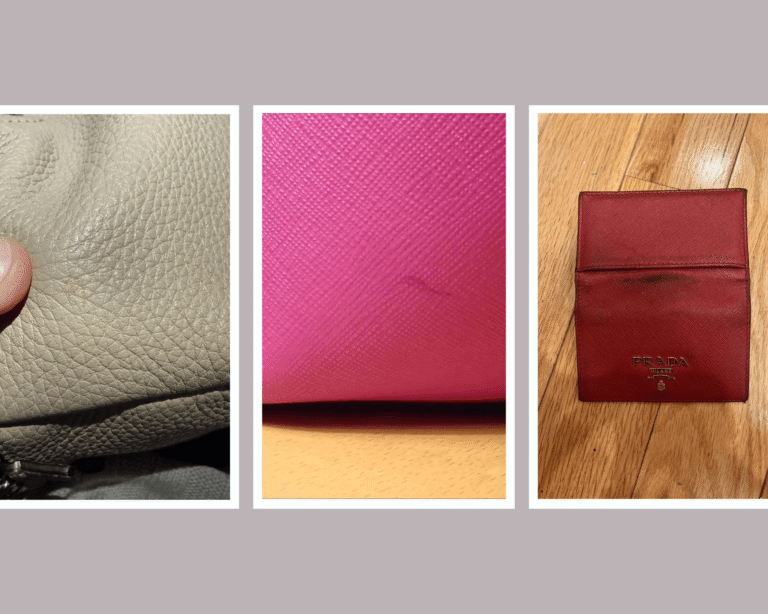
That signature cross-hatch texture from Prada — scratch-resistant and semi-coated. Just wipe with a damp cloth and condition lightly once or twice a year.
Suede & Nubuck
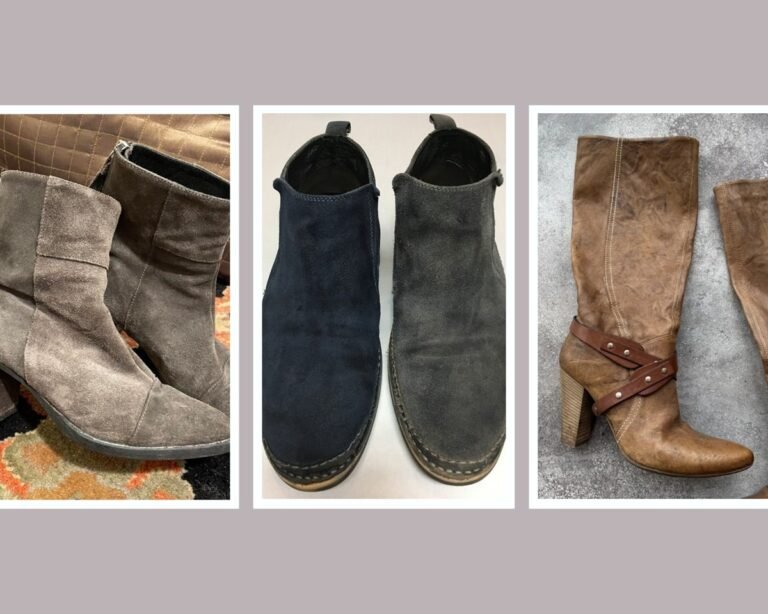
A whole different beast. Use a soft brush and suede eraser. Keep them far from water. Apply a suede protector spray for extra safety.
11. Myths About Leather Care (Let’s Set the Record Straight)
Alright, let’s clear up some nonsense floating around:
- ❌ “Use olive oil to condition leather.” Nope. That’ll darken it and attract dust. Use real leather cream.
- ❌ “You can clean leather with baby wipes.” Only if you hate your leather. Those contain alcohol and chemicals that dry it out.
- ❌ “Plastic bags keep moisture out.” They trap it in — total mold magnet.
- ✅ “Less is more.” True. Gentle and consistent care beats aggressive deep-cleaning every time.
12. Long-Term Tips for Leather Lovers
If you’re building a collection of Italian leather goods — or just investing in one timeless piece — here are some golden habits to adopt:
- Rotate your items — give each time to breathe and recover.
- Wipe down after use — especially in humid or dirty environments.
- Avoid perfume or lotion contact — those oils can stain.
- Keep desiccant packs (like silica gel) in your storage area to control humidity.
- Schedule a deep clean once a year.
That’s how you keep that leather glow-up going for decades.
13. The Philosophy Behind the Care
Here’s the poetic part — taking care of Italian leather isn’t just about keeping it shiny. It’s about respecting the craft.
Think back to those Tuscan tanneries we talked about — the generations of artisans hand-tanning hides using techniques passed down since the Renaissance. Every bag, every belt, every shoe carries that lineage.
So when you take a few minutes to condition your leather, to wipe it down, to store it properly — you’re continuing that same tradition. You’re becoming part of the chain of craftsmanship that makes Italian leather the best in the world.
That’s not just maintenance — that’s appreciation.
14. Wrapping It Up: The Real Way to Treat Italian Leather
At the end of the day, Italian leather care isn’t about perfection — it’s about preservation.
You don’t need fancy kits or complicated rituals. Just consistency, respect, and understanding that what you’ve got isn’t disposable.
Here’s your cheat sheet recap:
- Clean gently, never harshly.
- Condition every few months.
- Protect from sun, water, and heat.
- Store it right — let it breathe.
- Embrace the patina — it’s part of the story.
Do that, and your leather goods will outlive trends, seasons, and probably even you.
Italian leather is built to last — but it’s up to you to help it thrive.
Stay classy, stay consistent, and keep that Italian energy alive.
And if you missed our earlier piece, Why Italian Leather Is the Best: Craftsmanship Explained — go peep it next. That one’s the foundation; this one’s your playbook.
Together? You’ve basically got the full manual on mastering Italian leather style — the right way.