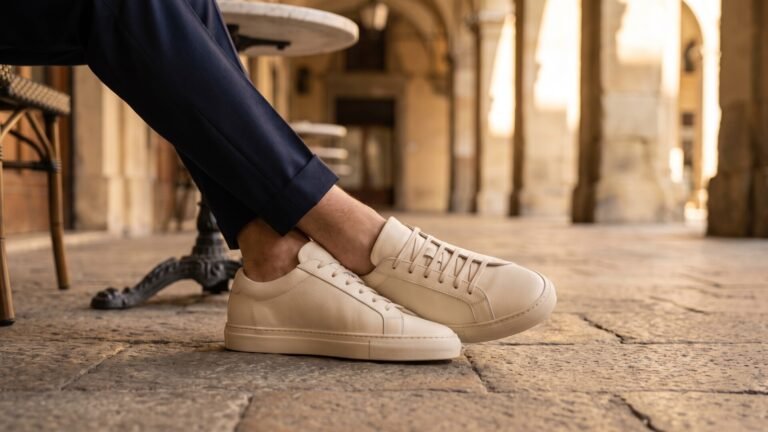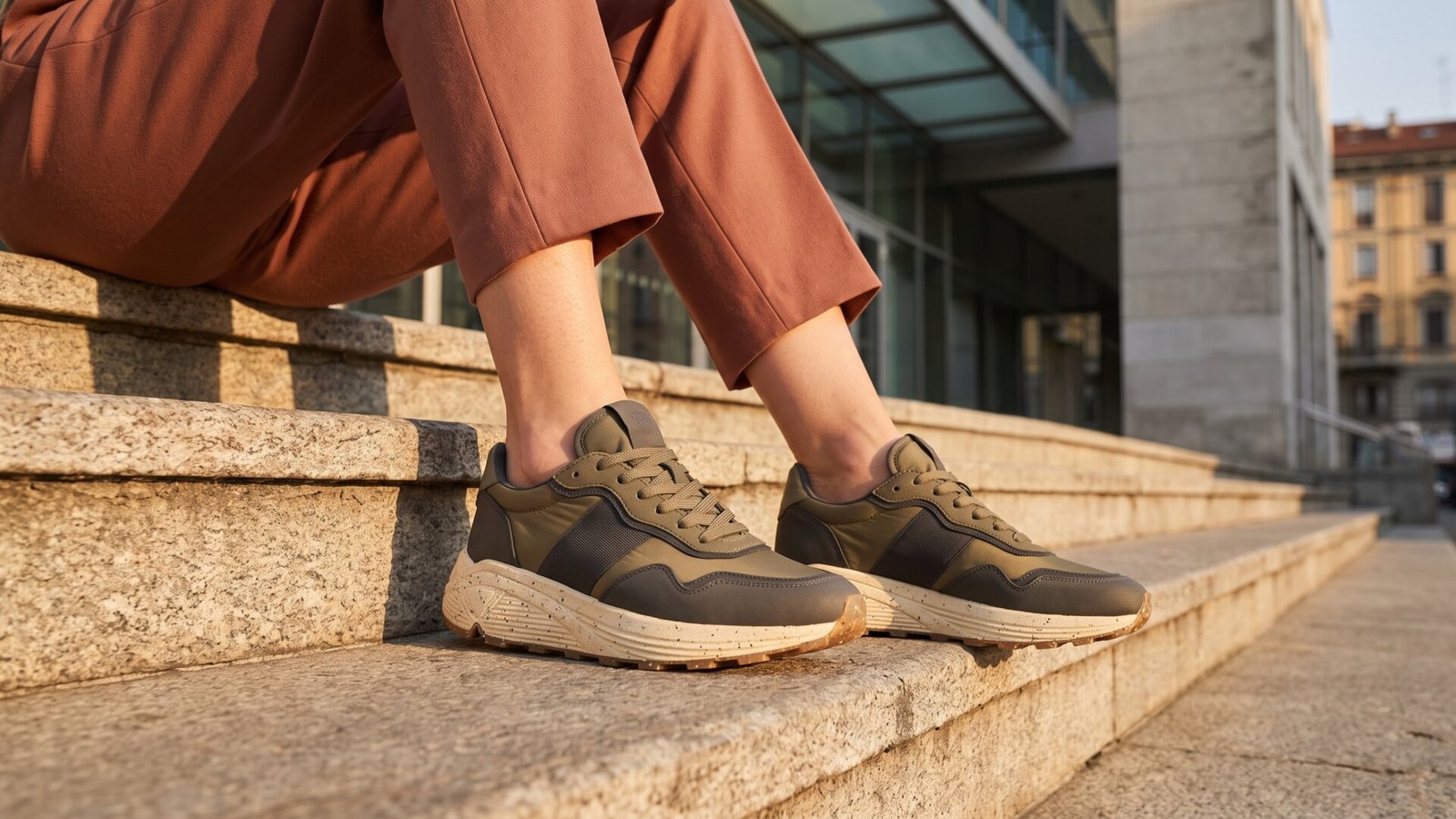
Best Italian designer sneakers made with recycled materials
I have a confession. For years, I bought luxury sneakers with my eyes and my ego, never once thinking about what they were made of. It was all about the logo, the silhouette, the way the leather creased just so. Then I read a report about the fashion industry’s carbon footprint, looked down at my pristine white leather trainers, and felt a knot in my stomach. I wanted the beauty and the craftsmanship, but I didn’t want the environmental cost that came with it.
I used to think sustainability in luxury meant compromising on style—that you had to choose between looking good and feeling good about your choices. But then I started digging into what Italian houses were actually doing behind the scenes. I learned that the country’s legendary leather ateliers are also becoming pioneers in material science, transforming discarded plastic bottles, fishing nets, and textile scraps into sneakers that are just as beautiful as anything they’ve made before.
This article is about those sneakers. We’re going to explore the best Italian designer options made with recycled materials, looking at how they perform, how they look, and whether they’re worth the investment. I’ll share what I’ve learned about the materials, the brands leading the charge, and the realities of owning them. Let’s find you a pair that lets you walk lighter on the planet without sacrificing an ounce of style.
The Evolution of Luxury Sneakers and the Rise of Eco-Consciousness
Sneakers weren’t always luxury items. For most of the 20th century, they were functional sportswear, designed for the track or the court. The shift began in the late 1970s and 1980s, when designers started looking at the lowly sneaker as a canvas for high fashion. The moment was a cultural earthquake, and suddenly, the sneaker was no longer just for athletes. It was a status symbol, a piece of pop art you could wear.
Italian fashion houses were late to this particular party, preferring the elegance of a leather loafer or a stiletto. But when they arrived, they arrived in force. The Italian approach to the sneaker was different. It wasn’t about technical performance; it was about craftsmanship. They took the same premium leathers, the same meticulous hand-stitching, and the same obsessive attention to detail that defined their dress shoes and applied them to a casual silhouette. The result was a new category: the designer sneaker.
Now, we’re in the middle of another shift. The conversation has moved from “what does it look like?” to “what is it made of, and where does it come from?” Consumers are more educated and more demanding. They want transparency. They want accountability. And they want their luxury purchases to align with their values.
This is where the story gets interesting. Italian designers, who have always prided themselves on heritage and tradition, are now being forced to innovate. They’re discovering that sustainability isn’t a constraint; it’s a new avenue for creativity. The challenge is to maintain the integrity of the product—the feel, the durability, the aesthetic—while using materials that have a second life.
The materials themselves are fascinating. Recycled plastic, often sourced from ocean-bound waste, is being spun into yarns for uppers. Organic cotton, grown without harmful pesticides, is replacing conventional textiles. And eco-friendly rubber, derived from sustainable sources, is being used for soles. These aren’t just buzzwords. They represent a fundamental change in how a product is conceived, from the ground up.
Understanding Italian Designer Sneakers
Let’s define what we’re actually talking about. An Italian designer sneaker isn’t just a shoe made in Italy. It’s a product of a specific design philosophy. It’s about clean lines, balanced proportions, and the use of exceptional materials. It’s a sneaker that can be worn with a suit as easily as with jeans, a sneaker that doesn’t scream for attention but earns it through quality.
The craftsmanship tradition here is key. For centuries, Italian artisans have been perfecting techniques for cutting, stitching, and finishing leather. These skills are passed down through generations. When a house like Gucci or Prada decides to make a sneaker, they apply these same principles. The result is a shoe that feels substantial, that molds to your foot over time, and that, with proper care, can last for years.
The designer sneaker is a hybrid. It’s the comfort and casualness of sportswear combined with the luxury and status of high fashion. It’s a symbol of a modern lifestyle that values both comfort and elegance. And now, it’s also becoming a symbol of something else: a commitment to a more sustainable future.
Notable Brands Leading the Charge
Several Italian brands are doing remarkable work in this space. They’re not just slapping a “green” label on an existing product; they’re rethinking their entire supply chain.
Gucci has been a major player, introducing its “Off The Grid” collection, which uses Econyl, a regenerated nylon made from recycled fishing nets and other nylon waste. The Gucci Rhyton sneaker is a chunky, ’90s-inspired silhouette that has been produced in versions using this material. It’s a bold statement, both in its design and its ethos.
Prada is another giant making significant strides. Their Re-Nylon line is a cornerstone of their sustainability efforts. They’ve committed to using this regenerated material across their collections, including their sneakers. The Prada Re-Nylon sneaker is a sleek, minimalist design that showcases the potential of recycled materials to look just as premium as virgin resources.
Superga might not be a high-fashion house, but it’s an iconic Italian brand with a heritage dating back to 1911. They’ve been producing their classic 2750 sneaker for decades, and they’ve introduced versions made with organic cotton and recycled rubber. They prove that sustainability isn’t just for the ultra-wealthy; it can be accessible and democratic.
Dolce & Gabbana have also entered the conversation. While they’re known for their opulent, baroque aesthetic, they’ve experimented with recycled materials in some of their sneaker lines. Their approach is often about upcycling and using innovative fabrics that mimic the look of leather without the environmental cost.
Materials & Craftsmanship
Let’s get into the details of what these sneakers are actually made of. This is where the information gain happens, because understanding the materials helps you understand the value.
Recycled Polyester (rPET): This is made by melting down existing plastic, often from bottles or textile waste, and re-spinning it into new fibers. It’s incredibly versatile and can be used for the upper mesh or lining. The benefit is that it reduces the need for virgin petroleum-based polyester.
Econyl: This is a specific type of regenerated nylon. Prada uses it extensively. The process involves recovering nylon waste, like fishing nets from the ocean and fabric scraps from mills, and transforming it back to its original purity. It’s a closed-loop system, meaning the material can be recycled again and again without losing quality.
Organic Cotton: This is cotton grown without synthetic pesticides or fertilizers. It’s better for the soil, the farmers, and the surrounding ecosystem. In sneakers, it’s often used for the canvas upper or the laces.
Recycled Rubber: The soles of these sneakers often use recycled rubber, either from post-industrial waste or from used tires. It provides the same grip and durability as virgin rubber but with a lower environmental impact.
The durability question is a big one. I was skeptical at first. I thought recycled materials might feel cheaper or wear out faster. But the reality is that these materials are engineered to meet the same, if not higher, standards as their conventional counterparts. A well-made recycled sneaker should last just as long as a traditional one. The key is the construction. If the upper is stitched to the sole with the same care as a traditional leather sneaker, it will hold up.
Design & Style
The aesthetic range is broader than you might think. There’s no single “sustainable look.” You can find minimalist designs in clean, neutral colors, like the Prada Re-Nylon. Or you can go bold with a chunky silhouette and loud branding, like the Gucci Rhyton. Superga offers the timeless, simple charm of a classic canvas sneaker.
The current trend leans towards “ugly” or “dad” sneakers, with their thick soles and exaggerated proportions. But there’s also a strong market for sleek, low-profile sneakers that are essentially leather shoes with a rubber sole. The beauty of the Italian approach is that they manage to make even a chunky sneaker look elegant.
What I’ve noticed is that recycled materials often have a slightly different texture. Recycled nylon can have a subtle sheen. Recycled canvas might be a bit more textured. This isn’t a flaw; it’s a characteristic. It gives the sneaker a unique, almost artisanal feel that mass-produced synthetic shoes lack.
Buying Considerations
Before you hand over your credit card, there are a few things you should think about. Buying a designer sneaker is an investment, and you want to make sure you’re making the right choice.
Sizing and Fit: This is crucial. Sizing can vary significantly between brands and even between different models from the same brand. My advice is to read reviews and, if possible, try them on in a store. If you’re buying online, check the retailer’s return policy. A sneaker that’s half a size too small will be miserable to wear, no matter how sustainable it is.
Sustainability Certifications: Not all “recycled” claims are created equal. Look for certifications that verify the claims. For example, the Global Recycled Standard (GRS) certifies the recycled content and tracks it through the supply chain. While not all brands use this certification, it’s a good sign when they do. Also, look for transparency in their reporting. Do they publish details about their supply chain and environmental impact? This is a good indicator of genuine commitment.
Care and Maintenance: Recycled materials require care, just like leather. For canvas or nylon uppers, you’ll want to use a gentle cleaner and a soft brush. For leather accents, use a dedicated leather conditioner. The key is to avoid harsh chemicals and excessive water, which can damage the materials over time. I’ve learned to treat my sneakers like the investment they are, cleaning them after each wear and storing them properly.
Price Points and Value: This is where things get real. Italian designer sneakers are not cheap. You’re paying for the brand, the design, and the craftsmanship. The price range is significant. A Superga will be a fraction of the cost of a Gucci or Prada. You need to decide what matters more to you: the brand cachet or the sustainability credentials. Ideally, you’ll find a balance.
Comparison: The Contenders
Now, let’s put some of the top contenders head-to-head. I’ve spent time with these sneakers, and I have strong opinions. This is where we move from theory to practice.
Comparison Table
| Feature | Gucci Rhyton (Econyl) | Prada Re-Nylon | Superga 2750 (Eco) | Dolce & Gabbana (Recycled) |
|---|---|---|---|---|
| Design | Bold, Chunky | Sleek, Minimal | Classic, Timeless | Varies by Model |
| Comfort | Good, Cushioned | Excellent, Light | Good, Firm | Good, Supportive |
| Durability | High | High | Medium | High |
| Price | $$$$ | $$$$ | $$ | $$$$ |
| Sustainability | ✔ High | ✔ High | ✔ Good | ✔ Good |
| Style Versatility | Medium | High | Very High | Medium |
Design: The Gucci Rhyton is a statement piece. It’s large, it’s bold, and it demands attention. The Prada Re-Nylon is the opposite—it’s understated, almost architectural in its simplicity. The Superga is a timeless classic, a blank canvas. Dolce & Gabbana’s options vary, but they tend to be more ornate and decorative.
Comfort: For me, the Prada Re-Nylon wins on comfort. The recycled nylon is incredibly light, and the sole provides excellent cushioning. The Gucci Rhyton is also comfortable, but its chunky design makes it a bit heavier. Superga offers a firmer, more traditional feel that some people love and others find lacking in support. Dolce & Gabbana are generally comfortable, but they can be a bit stiff initially.
Durability: All of these are well-made, but the Gucci and Prada options feel the most substantial. The stitching is impeccable, and the materials are high-quality. Superga is durable for what it is, but the canvas will wear out faster than the engineered materials. Dolce & Gabbana are built to last.
Price: This is a huge differentiator. Superga is accessible, often under $100. The Gucci, Prada, and Dolce & Gabbana options are all in the $700 to $1,000 range. The price difference reflects the brand positioning and the materials used.
Sustainability: Gucci and Prada have the most robust sustainability programs. They’re investing heavily in research and development, and their use of Econyl is a significant step. Superga is making good progress, but their overall scale and impact are smaller. Dolce & Gabbana are newer to this space, and their efforts are less comprehensive.
Styling Your Sustainable Sneakers
One of the best things about designer sneakers is their versatility. Here’s how I’ve learned to style mine.
Casual Looks: This is the easiest one. Pair them with jeans—straight-leg, skinny, or wide—and a simple t-shirt or a crisp white shirt. The sneakers elevate the look, making it feel intentional rather than sloppy. For a more casual outfit, the Superga is perfect. It has a relaxed, effortless vibe.
Smart-Casual Styles: This is where the Prada Re-Nylon shines. I’ve worn them with tailored trousers and a blazer, and they look perfect. The sleek design doesn’t clash with formalwear; it complements it. The Gucci Rhyton can also work here, but you need to be careful. The chunky silhouette can look a bit too casual if the rest of your outfit is too formal. Try them with dark, slim-cut denim and a cashmere sweater.
Travel Considerations: When I travel, I need comfortable shoes that can handle a lot of walking. The Prada Re-Nylon is my go-to. They’re light, they’re comfortable, and they look good with almost anything. The Gucci Rhyton is also a good option, but they take up more space in your luggage. The Superga is a great backup pair—they’re flat, so they pack easily.
The Value and Investment Perspective
Let’s talk about money. Is it worth spending $900 on a pair of sneakers, even if they’re sustainable? This is the question I ask myself every time I look at my credit card statement.
The concept of cost-per-wear is crucial here. If you buy a $100 pair of sneakers that fall apart after six months, and you wear them three times a week, your cost-per-wear is roughly $1.28. If you buy a $900 pair of sneakers that last for five years, and you wear them twice a week, your cost-per-wear is roughly $1.73. The difference is negligible.
But the value goes beyond the math. A well-made designer sneaker is a pleasure to wear. It feels better, it looks better, and it lasts longer. It’s a product that you can appreciate for years. This is the argument for investing in quality.
The resale market for luxury sneakers is strong, though it’s more volatile than the market for handbags. Limited edition releases and iconic models can appreciate in value. However, sustainable sneakers are a newer category, and their resale value is less established. I wouldn’t buy them as an investment, but I would buy them knowing that they’ll hold some value if you decide to sell them later.
The trend of sustainable fashion is not a passing fad. Consumers are increasingly demanding that brands take responsibility for their environmental impact. This is a structural shift in the market. As more people become aware of the issues, the demand for sustainable products will only grow. This means that the brands investing in sustainability now are positioning themselves for long-term success.
The Ownership Reality After 12 Months
I’ve had my Prada Re-Nylon sneakers for over a year now. Here’s what I’ve learned about long-term ownership.
The recycled nylon has held up remarkably well. It doesn’t stain easily, and it’s easy to clean. The sole shows minimal wear, even after heavy use. The stitching is still intact, and the overall structure of the shoe hasn’t sagged or lost its shape.
The biggest challenge is keeping the white color clean. I’ve learned to be proactive. I wipe them down after every wear, and I use a protective spray to repel dirt and water. This has made a huge difference.
Compared to a traditional leather sneaker, I’ve found the recycled materials to be more forgiving. Leather can crack and scuff, but the nylon and canvas materials are more resilient. They might not develop the same beautiful patina that leather does, but they also don’t show the same signs of wear and tear.
The Trend and Its Future
The luxury sneaker market is booming, and sustainability is the new frontier. Italian designers are at the forefront of this trend, not just because they’re responding to consumer demand, but because it aligns with their heritage of craftsmanship and quality.
The trend is moving beyond just using recycled materials. We’re seeing a shift towards circularity, where products are designed to be disassembled and recycled at the end of their life. We’re also seeing a focus on reducing carbon emissions throughout the supply chain, from raw material extraction to manufacturing to shipping.
Consumer behavior is changing. People are more willing to pay a premium for products that are both high-quality and sustainable. They’re also more skeptical of greenwashing, so brands need to be transparent and authentic in their claims.
The future of Italian designer sneakers is bright. I believe we’ll see even more innovation in materials and design. We’ll see more brands adopting circular business models. And we’ll see a growing appreciation for products that are beautiful, functional, and responsible.
The Buying Verdict
So, who should buy these sneakers? Let me break it down.
Buy them if: You value quality and craftsmanship. You’re conscious of your environmental impact and want your purchases to reflect that. You’re looking for a versatile sneaker that you can wear for years. You appreciate the design and brand heritage.
Skip them if: You’re on a tight budget and can’t justify the expense. You prefer the look and feel of traditional leather. You’re looking for a technical performance sneaker for athletic use. You’re not willing to put in the effort to care for them properly.
For the budget-conscious, the Superga is an excellent entry point. It gives you the Italian heritage and the sustainable materials without the designer price tag. For those who want the full luxury experience, the Prada Re-Nylon is my top recommendation. It’s the perfect balance of style, comfort, and sustainability.
If you want to make a bold statement, the Gucci Rhyton is for you. It’s a conversation starter, and it shows that you care about the planet without sacrificing style. Dolce & Gabbana are worth exploring if you prefer a more ornate aesthetic, but their sustainability credentials are less established.
Where to Find Them
You can find these sneakers at a variety of retailers, both online and in-store. For the designer options, I recommend checking the brand’s official website, as well as luxury retailers like Net-a-Porter, Mytheresa, and Farfetch. These sites often have exclusive deals or a wider selection of sizes.
For Superga, you can find them at their own website, as well as at department stores and online marketplaces like Zappos or Amazon. They’re widely available and often on sale.
Here are some direct links to get you started:
- [Affiliate: Shop the Gucci Rhyton collection at Mytheresa]
- [Affiliate: Shop the Prada Re-Nylon sneakers at Net-a-Porter]
- [Affiliate: Shop the Superga eco-friendly collection on Amazon]
- [Affiliate: Explore Dolce & Gabbana sneakers at Farfetch]
Conclusion
The world of luxury is changing, and it’s changing for the better. The sneakers we’ve explored today are proof that you don’t have to choose between style and sustainability. They represent a new kind of luxury, one that values craftsmanship, innovation, and responsibility.
I remember the guilt I felt looking at my old leather sneakers. It’s a feeling I don’t have anymore. When I lace up my Prada Re-Nylons, I feel good about how they look, and I feel good about what they represent. They’re a small step, but they’re a step in the right direction.
The fashion industry has a long way to go, but these Italian designers are showing us the way. They’re proving that beauty and ethics can coexist, that heritage and innovation are not mutually exclusive. The sneaker you choose is a reflection of your values. Choose one that tells the story you want to tell.
The best time to make a sustainable choice was yesterday. The second best time is now. I hope you find the perfect pair.
[Internal: Explore our guide to the best Italian luxury sneakers]
[Internal: Learn more about sustainable Italian fashion brands]
If you want to dig in deeper into the world of sneakers, check out our sister site Street Sneakers Vault where you can get in depth analyses on all major designers.
Frequently Asked Questions About Italian Designer Sneakers
What are recycled materials in sneakers?
Recycled materials in sneakers include plastics, textiles, and rubber that have been repurposed from waste. For example, recycled plastic bottles can be transformed into polyester yarn for the upper, and old tires can be ground down and used in the sole. This reduces the demand for virgin resources and helps divert waste from landfills and oceans.
Are Italian designer sneakers worth the investment?
Yes, they often are. They combine high-quality craftsmanship with premium materials, which means they last longer and feel better than cheaper alternatives. When you factor in the cost-per-wear, they can be as economical as a less expensive pair that needs to be replaced more often. Plus, the sustainability aspect adds value that goes beyond the price tag.
How do I care for my recycled designer sneakers?
Care instructions vary by material, but general advice includes using gentle, eco-friendly cleaning products and avoiding harsh chemicals. For canvas or nylon uppers, a soft brush and mild soap work well. For leather accents, use a dedicated leather conditioner. Always let them air dry, and store them in a cool, dry place.
Which brand offers the best sustainability credentials?
Brands like Gucci and Prada have established comprehensive sustainability policies and practices. They publish detailed reports on their environmental impact and have committed to using recycled materials across their collections. Superga is also making good progress, though on a smaller scale.
Do recycled sneakers have the same durability as traditional materials?
Yes. Many recycled materials are engineered to meet the same, or higher, standards of durability and comfort as their virgin counterparts. The key is the quality of the construction. A well-made sneaker with recycled materials will last just as long as a traditional one.
Are these sneakers still fashionable?
Absolutely. In fact, many Italian designers are leading the trend of combining style with sustainability. The sneakers are designed to be fashionable, and the use of recycled materials is an additional selling point, not a compromise. They’re a statement of values as much as a fashion choice.