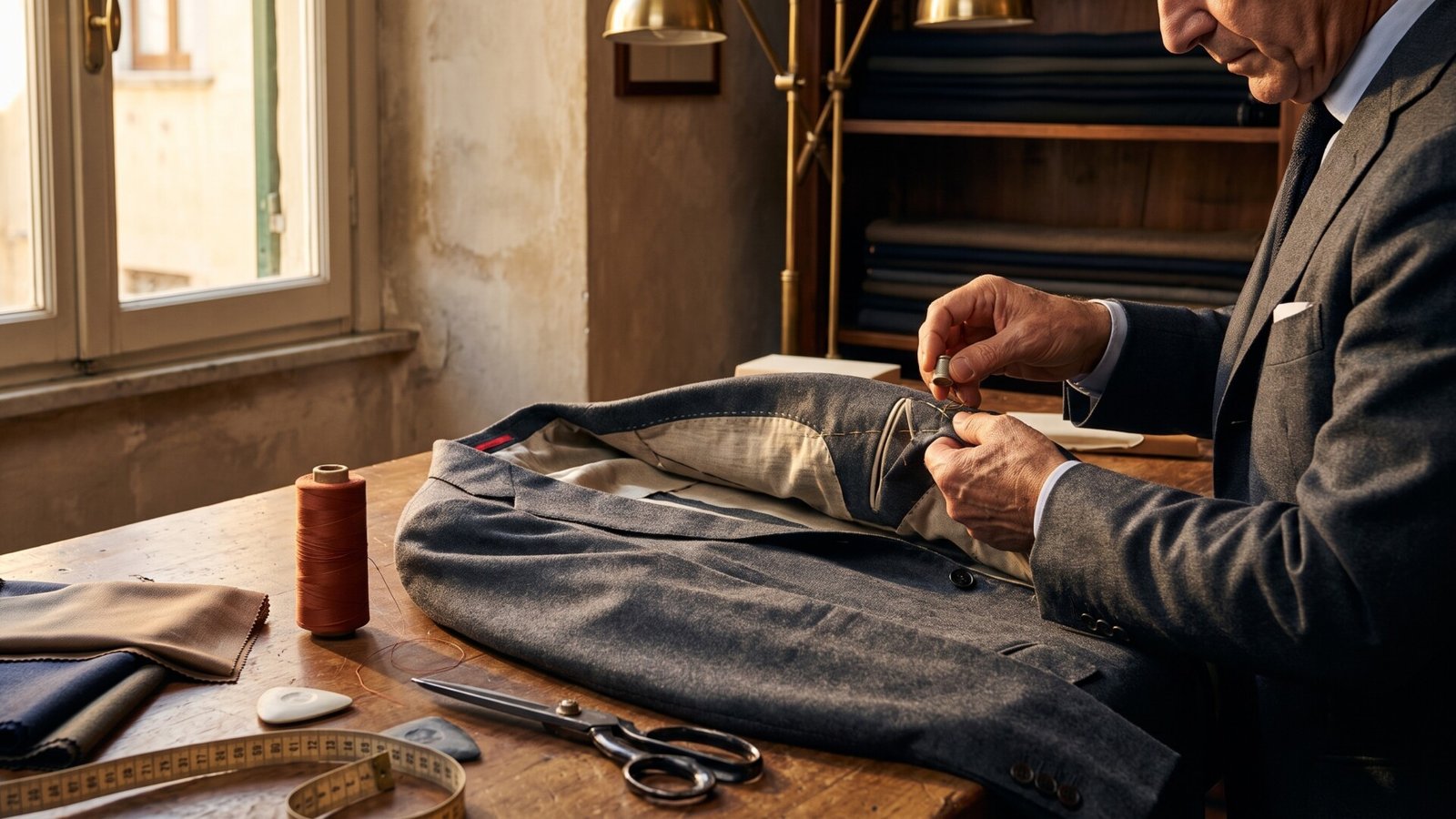
Kiton: The Pinnacle of Neapolitan Tailoring and Handcrafted Italian Luxury
For years, I believed that a suit was a suit. I thought the difference between a $2,000 suit and a $10,000 suit was marketing, not materials. I assumed that the laws of diminishing returns kicked in early and that beyond a certain point, you were paying for the name on the label. Then I held a Kiton jacket.
The fabric was unlike anything I had ever touched – dense but weightless, soft but structured. I turned it inside out and saw the seams: hand‑stitched, invisible, perfect. I asked the salesman how many hours went into this single jacket.
Twenty‑five, he said. Twenty‑five hours of handwork. And that is a conservative estimate.
That was the moment I understood that Kiton is not a suit. It is a sculpture. It is the result of dozens of artisans, each spending hours on a single seam, a single buttonhole, a single lapel. It is a rejection of industrial efficiency in favor of artisanal perfection. And it is one of the purest expressions of Italian tailoring in existence.
This guide is your complete resource for Kiton. I will walk you through the brand‘s Neapolitan roots, its obsessive construction methods, its core product categories, how it compares to other Italian houses, and whether – despite the eye‑watering prices – it is worth the investment.
Kiton Brand Heritage and Neapolitan Roots
Founding in Naples
Kiton was founded in 1956 by Ciro Paone in Arzano, a small town near Naples. Paone came from a family with a centuries‑old tradition in textile trading. His vision was audacious: to create a men‘s clothing company that would produce the highest quality tailored garments in the world, using only the finest materials and traditional Neapolitan craftsmanship.
The name “Kiton” is derived from the ancient Greek word “chiton,” a tunic worn in classical antiquity. The choice reflects Paone‘s reverence for classical ideals of beauty, proportion, and harmony. From the beginning, Kiton was not about fashion; it was about permanence.
The Philosophy of “The Best of the Best +1”
Kiton‘s internal standard is famously demanding. The company motto, “The best of the best plus one,” means that no matter how good a garment is, it can always be improved. This philosophy drives every aspect of production. A jacket that meets the standards of any other luxury house might be rejected by Kiton for a slightly imperfect buttonhole or a seam that is a fraction of a millimeter off.
Paone once said, “Quality is remembered long after price is forgotten.” This belief is woven into every Kiton garment.
Growth into Global Ultra‑Luxury
Despite its obsessive attention to detail, Kiton has grown from a small Neapolitan workshop into a global ultra‑luxury brand. The company now produces a full range of menswear and womenswear, including suits, shirts, knitwear, outerwear, and accessories. It has boutiques in Milan, London, New York, Tokyo, and other major cities. Yet the brand remains fiercely committed to its artisanal roots. Production is still centered in Naples, and the company has never outsourced its core tailoring.
What Defines Kiton Tailoring?
Fully Handcrafted Construction
Kiton is one of the few remaining houses that still produce a truly handcrafted suit. The process begins with hand‑cutting the fabric, a skill that requires years of training. Each piece is cut individually, not stacked, ensuring perfect alignment with the fabric’s grain.
The majority of the jacket is then hand‑sewn. The lapels are hand‑rolled, creating a soft, natural curve. The collar is hand‑attached, allowing it to lay flat against the neck. The sleeves are hand‑set, providing full range of motion without pulling. Even the buttonholes are hand‑stitched – a detail that is invisible from a distance but unmistakable up close.
Kiton uses a floating canvas chest piece that is hand‑basted into the jacket. This canvas molds to the wearer‘s body over time, creating a personalized fit that cannot be replicated by fused or machine‑stitched construction.
The Neapolitan Soft Shoulder
The most recognizable feature of a Kiton jacket is the “spalla camicia,” or shirt shoulder. Unlike structured British or Roman shoulders, which use padding and wadding to create a crisp line, the Neapolitan shoulder is virtually unpadded. The sleeve is attached with a technique that creates a natural, rolled effect, allowing the jacket to drape softly over the arm.
This shoulder construction is lighter, more comfortable, and more flexible than structured alternatives. It also requires immense skill to execute – a poorly made soft shoulder collapses; a Kiton soft shoulder is a masterpiece of engineering.
Fabric Selection Philosophy
Kiton sources fabrics from the world‘s finest mills, including Loro Piana, Carlo Barbera, and Solbiati. The brand uses ultra‑premium wools, cashmere, silk, linen, and blends thereof. A Kiton suit might be made from a Super 200s wool that is as soft as silk yet resilient enough to hold its shape.
The brand also produces its own fabrics under the Kiton label, working directly with mills to develop exclusive weaves and finishes. This vertical integration ensures quality control and uniqueness.
Fit and Drape
A Kiton suit is designed to move with the body. The silhouette is soft, the lines are fluid, and the garment never feels restrictive. The jacket length is typically shorter than British styles, the trousers are cut with a gentle taper, and the overall effect is one of relaxed elegance.
Kiton also offers a made‑to‑measure program, Su Misura, which allows clients to customize every aspect of the garment – from the fabric to the lapel width to the number of buttonholes. For the ultimate experience, Kiton‘s bespoke service involves multiple fittings and a finished garment that is entirely unique.
The Kiton Manufacturing Process
Artisan Production Model
Kiton employs approximately 400 artisans in its Naples workshops. Each garment is made by a single tailor, known as a “sarto,” who oversees the entire process. The production scale is intentionally small – Kiton produces only about 200 suits per week, a fraction of what larger luxury houses produce.
This artisan model is expensive and inefficient, but it is the only way to achieve Kiton‘s standards. The company has resisted pressure to industrialize, recognizing that the value of a Kiton suit lies in its handcraft.
Time-Intensive Construction
A single Kiton jacket requires 25 to 30 hours of handwork. A full suit takes even longer. This time investment is reflected in the price. Kiton suits start at approximately $7,000 and can exceed $20,000 for rare fabrics or bespoke commissions.
The time is not wasted. Every stitch is placed with intention. Every seam is reinforced. Every detail is inspected. The result is a garment that will outlast its owner – and still look beautiful.
Quality Control Philosophy
Kiton‘s quality control is legendary. Each garment is inspected multiple times throughout the production process. Jackets that pass the inspection of any other luxury house might be rejected by Kiton for minor imperfections. The company‘s “+1” philosophy means that nothing leaves the workshop unless it is the best that has ever been made.
Core Product Categories
Suits (Core Identity)
Neapolitan soft suits are the heart of Kiton. The brand offers business suits, formal suiting, and lightweight summer suits. The most popular models include the classic two‑button single‑breasted, the double‑breasted, and the unstructured “deconstructed” suit. Prices range from $7,000 to $15,000.
Blazers and Sport Coats
Casual luxury tailoring for the modern gentleman. Kiton blazers are often made from cashmere, silk, or cotton, with soft shoulders and lightweight construction. Prices range from $5,000 to $10,000.
Shirts
High‑end cotton shirting, made in Italy. Kiton shirts feature hand‑stitched buttonholes, mother‑of‑pearl buttons, and precise collar construction. Prices start at approximately $600 and exceed $1,500 for special fabrics.
Knitwear
Cashmere sweaters, fine‑gauge merino knits, and cashmere blends. Kiton‘s knitwear is exceptionally soft and durable. Prices range from $1,000 to $3,000.
Outerwear
Tailored coats, lightweight jackets, and luxury outerwear in cashmere, wool, and technical fabrics. Prices range from $4,000 to $12,000.
Accessories
Ties, pocket squares, belts, and small leather goods. A Kiton tie, hand‑rolled and made from seven folds of silk, is an heirloom. Prices range from $200 to $500.
Kiton vs Other Italian Tailoring Houses
Kiton vs Brioni
Brioni represents Roman tailoring – structured, powerful, and formal. A Brioni suit has strong shoulders, a fitted chest, and a commanding silhouette. Kiton is softer, more relaxed, and more comfortable. Both are ultra‑luxury; the choice is between power (Brioni) and ease (Kiton).
Kiton vs Canali
Canali is a modern, accessible luxury brand. Its suits are well‑made, consistent, and wearable, but they are largely machine‑constructed. Kiton is in a different tier entirely – handcrafted, exclusive, and much more expensive. Canali is for daily wear; Kiton is for special occasions and connoisseurs.
Kiton vs Zegna
Zegna is a fabric‑first brand known for technical innovation. Its suits are often lighter, wrinkle‑resistant, and travel‑friendly. Kiton is craftsmanship‑first. Zegna suits are excellent, but they do not approach the handwork of Kiton.
Kiton vs Giorgio Armani
Armani pioneered soft, unstructured tailoring for the fashion market. Armani suits are fluid, fashionable, and design‑driven. Kiton suits are traditional, artisanal, and construction‑driven. Armani is for the man who wants to look stylish; Kiton is for the man who wants to feel the quality.
Position in Luxury Hierarchy
Kiton sits at the very top of the Italian tailoring pyramid, alongside Brioni and perhaps Cesare Attolini. These are the brands for collectors, for men who view their suits as wearable art. Below them are Zegna and Canali, which offer excellent quality at more accessible price points.
Italian Tailoring Houses
| Brand | Craft Level | Structure | Price Tier | Identity |
|---|---|---|---|---|
| Kiton | Extremely high | Very soft | Ultra‑high | Handcrafted Neapolitan luxury |
| Brioni | Very high | Structured | Ultra‑high | Roman elegance |
| Canali | High | Medium‑soft | High | Modern wearable tailoring |
| Zegna | High | Variable | High | Fabric innovation |
| Armani | High | Very soft | High | Fashion tailoring |
Original Perspective: Why Kiton Is the Purest Form of Tailoring
Handcraft Over Scale
In an era of mass production and automation, Kiton has chosen the harder path. Every suit is still made by hand, in Naples, by artisans who have spent decades perfecting their craft. This resistance to industrialization is not nostalgia; it is a commitment to a level of quality that machines cannot replicate.
The Invisible Luxury Standard
Kiton‘s quality is not visible in logos or flashy details. It is visible in the way the jacket moves with you, in the way the collar sits against your neck, in the way the lapel rolls without creasing. This is luxury for those who understand that the best things do not need to announce themselves.
Why Fit Is Secondary to Construction at This Level
Most men worry about fit first. With Kiton, construction comes first because the construction determines the fit. A hand‑stitched floating canvas will mold to your body over time. A hand‑set sleeve will allow full range of motion. A hand‑rolled lapel will lay flat without puckering. The garment engineers itself to you.
The True Cost of Perfection
A $10,000 Kiton suit is not expensive because of the fabric (though the fabric is exceptional). It is expensive because 30 hours of an artisan‘s time are woven into every seam. It is expensive because the company rejects near‑perfect garments. It is expensive because perfection takes time.
How to Wear Kiton in a Modern Wardrobe
Formal Business Wear
A charcoal or navy Kiton suit, paired with a white dress shirt, a silk tie, and black Oxfords. The soft shoulder and fluid drape will stand out even in the most conservative boardroom.
Smart Luxury Casual
A Kiton blazer over a cashmere turtleneck, grey flannel trousers, and brown suede loafers. The unstructured jacket and relaxed silhouette are perfect for client dinners and gallery openings.
High‑End Leisurewear
Kiton‘s knit sets – cashmere hoodies, merino joggers – can be worn as loungewear or as travel attire. The quality elevates even the most casual outfit.
Travel and Lifestyle Dressing
A lightweight Kiton suit in a wool‑silk blend, paired with a polo knit and white leather sneakers. The fabric resists wrinkles, and the soft construction packs beautifully.
Investment Value: Is Kiton Worth It?
Cost‑Per‑Wear Reality
A $10,000 Kiton suit worn 50 times a year for 15 years costs $13.33 per wear. A $2,000 suit worn 50 times a year for five years costs $8 per wear – but the Kiton will still be in excellent condition, and the cheaper suit will be worn out. Over a lifetime, Kiton can be surprisingly economical.
Resale and Collector Value
Kiton has a strong niche collector market. A pristine Kiton suit can sell for 40‑60% of retail on The RealReal or in specialist auctions. Limited editions and rare fabrics can exceed retail.
Wearability vs Exclusivity
Kiton‘s value is not in logos or trends. It is in the feeling of wearing a garment that fits perfectly, moves with you, and will last for decades. That feeling is difficult to quantify but impossible to forget.
Wardrobe Role
Kiton is not for daily wear – it is too precious for that. It is for the moments that matter: weddings, galas, milestone birthdays, and the days when you need to feel your best. A Kiton suit is a statement investment tailoring.
Care and Maintenance Guide
Suit Rotation Strategy
Do not wear a Kiton suit two days in a row. Rotate it with other suits to allow the wool to recover.
Dry Cleaning Sensitivity
Dry clean only when absolutely necessary – once or twice a year at most. Frequent dry cleaning degrades the natural oils in the wool and can damage hand‑stitched components.
Storage Best Practices
Hang Kiton suits on wide, wooden hangers. Use breathable cotton garment bags; never plastic. Store in a cool, dry closet away from direct sunlight.
Tailoring Repairs
If a seam loosens or a button falls off, take the suit to a tailor who specializes in high‑end menswear. Do not trust a standard dry cleaner with a hand‑stitched Kiton jacket.
The Future of Kiton and Ultra‑Luxury Tailoring
Preservation of Handcrafting Traditions
As technology advances, Kiton remains committed to handcraft. The brand has established a tailoring school in Naples to train the next generation of artisans. This commitment ensures that the skills will not be lost.
Rising Demand for Authentic Craftsmanship
The slow luxury movement has accelerated demand for genuinely artisanal products. Consumers are rejecting mass‑produced luxury in favor of pieces with provenance and story. Kiton is perfectly positioned for this shift.
Sustainability Through Longevity
The most sustainable garment is the one you never replace. Kiton suits are built to last decades, reducing the environmental impact of frequent replacements. This is luxury that aligns with responsible consumption.
Frequently Asked Questions About Kiton
What makes Kiton different from other Italian suit brands?
Kiton‘s defining advantage is the extreme level of handcrafting. A Kiton suit involves 25 to 30 hours of handwork, far more than even other ultra‑luxury brands. The Neapolitan soft shoulder, hand‑rolled lapels, and floating canvas construction are signatures.
Is Kiton the most expensive Italian suit brand?
Kiton is among the most expensive, alongside Brioni and Cesare Attolini. Prices start around $7,000 and can exceed $20,000 for bespoke commissions.
Are Kiton suits fully handmade?
The majority of the construction is hand‑sewn. Some internal components may be machine‑stitched for durability, but the visible and structural seams are hand‑finished.
How long does a Kiton suit last?
With proper care, 20 to 30 years. The canvas will mold to your body, the wool will soften, and the jacket will become more comfortable over time.
Is Kiton better than Brioni or Canali?
“Better” depends on your priorities. Kiton offers softer, more artisanal tailoring. Brioni offers structured, powerful elegance. Canali offers excellent quality at a lower price point. Kiton is for connoisseurs who value handcraft above all.
Why is Kiton so expensive?
The price reflects the time – 25 to 30 hours of artisan handwork per jacket – the exclusive fabrics, and the obsessive quality control. You are paying for the skill of the tailor, not the marketing budget.
Can Kiton suits be worn casually?
Yes. A deconstructed Kiton blazer in a casual fabric (cotton, linen, cashmere) can be worn with jeans or chinos. The soft shoulder and lightweight construction make it more versatile than structured suits.
What fabric does Kiton use?
Kiton uses ultra‑premium wools (Super 150s to Super 200s), cashmere, silk, linen, and exclusive blends. Many fabrics are sourced from mills such as Loro Piana, Carlo Barbera, and Solbiati, or are developed exclusively for Kiton.
Conclusion
Kiton is not just clothing. It is artisanal engineering at the highest level. Every jacket represents a rejection of industrial efficiency in favor of handcrafted perfection. The soft shoulder, the hand‑rolled lapel, the floating canvas – these are not details; they are the essence of the brand.
Kiton is for the man who understands that a suit should not be a costume. It should be a companion. It should move with you, warm you, and grow more beautiful with every year. And if you are willing to invest in that philosophy, Kiton will reward you with a garment that outlasts trends, outlasts fashion cycles, and perhaps outlasts you.
Explore more Italian luxury: Italian Suits | Italian Designer Clothing | Brioni | Canali | Zegna