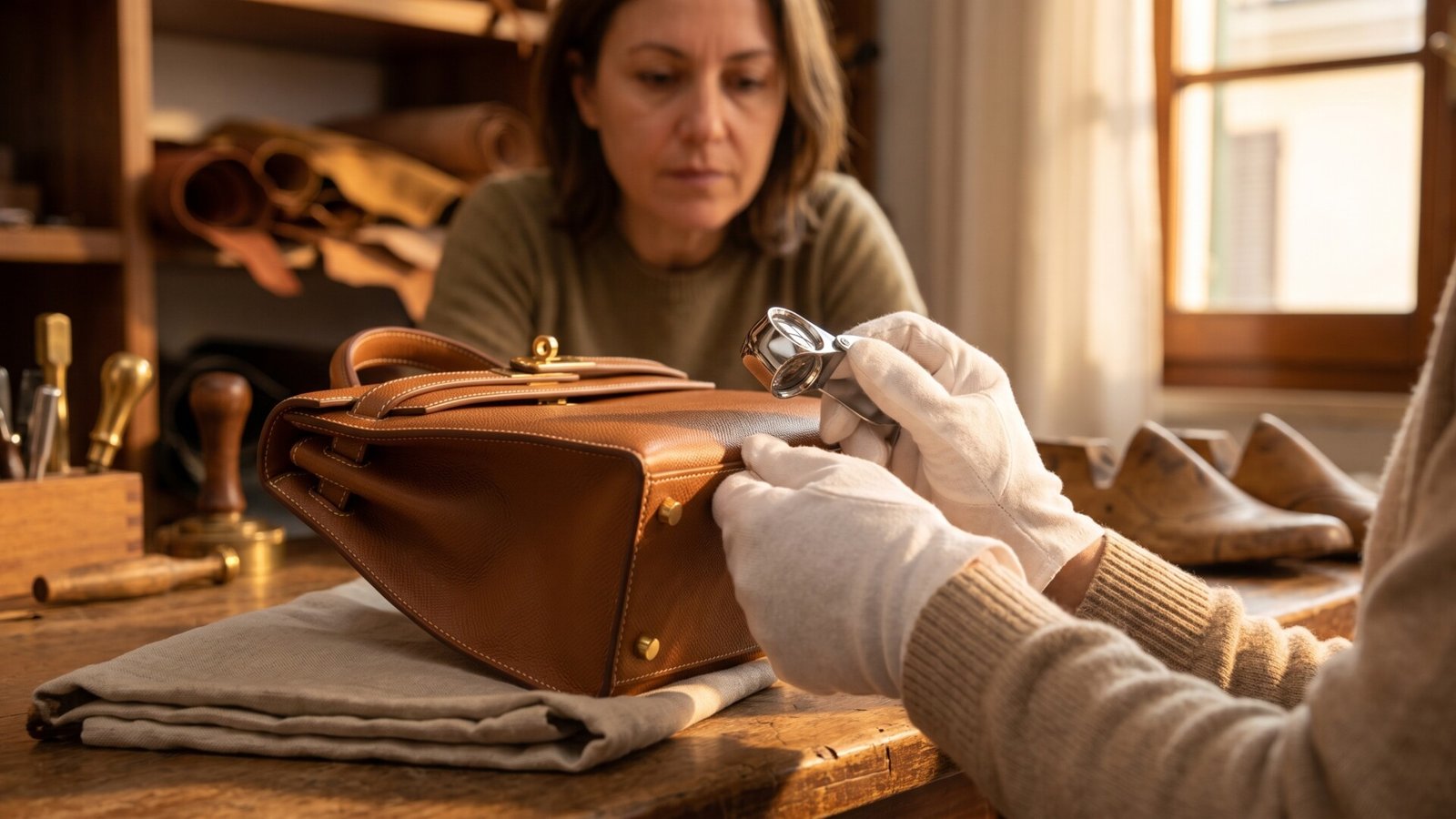
How to Spot Authentic Italian Designer Pieces
Italian fashion is the pinnacle of luxury, craftsmanship, and timeless style. From Milanese runways to boutique shops in Florence, the allure of Italian designer pieces is undeniable. But with popularity comes imitation, and the market for counterfeit goods is larger than ever. Knowing how to distinguish genuine Italian designer items from fakes is crucial for anyone investing in high-end fashion.
This guide explores practical strategies for Italian designer authentication, offering insights into materials, craftsmanship, branding, and purchase strategies. Whether you’re shopping for a designer handbag, luxury shoes, or a statement coat, mastering these techniques ensures your investment is authentic and your style stays impeccable.
Understanding the Stakes
Before diving into specifics, it’s important to understand why authentic Italian pieces matter:
- Quality and Durability – Genuine items are crafted with superior materials and techniques, ensuring longevity.
- Resale Value – Authentic pieces retain value and can even appreciate if maintained well.
- Brand Integrity – Wearing genuine Italian designer items reflects respect for artistry and craftsmanship.
- Consumer Protection – Avoiding counterfeit goods ensures compliance with laws and supports ethical practices.
Counterfeit pieces often cut corners: substandard materials, sloppy stitching, incorrect labels, or weak hardware. Investing in Italian designer authentication knowledge protects both your wallet and your style.
Key Signs of Authenticity
When examining Italian designer pieces, there are several hallmarks to watch for. Paying attention to these details separates genuine articles from knockoffs.
1. Materials
Italian designers are obsessive about materials. Leather, silk, cashmere, and fine metals are carefully sourced. When checking authenticity:
- Leather – Should feel soft but substantial, with natural grain and no chemical odor.
- Fabric – High-end textiles like silk, wool, and cotton should be smooth, durable, and luxuriously textured.
- Hardware – Zippers, clasps, and buttons are heavy, polished, and branded in many cases.
For example, a Prada Saffiano leather bag has a distinctive crosshatch texture and firm structure, while fake versions may feel plasticky or flimsy.
2. Stitching and Craftsmanship
Italian designers pride themselves on craftsmanship. Even stitching, clean seams, and reinforced edges are hallmarks of authenticity.
- Inspect the interior and exterior seams. They should be consistent and symmetrical.
- Check edges of leather or fabric; they should be neatly finished.
- Look at details like embroidery or logos—they should be crisp and well-aligned.
Luxury fashion tips: uneven stitching, frayed edges, or sloppy finishes are major red flags.
3. Labels and Logos
Labels are a major giveaway in Italian designer authentication. Genuine pieces have consistent font, spacing, and placement.
- Metal tags – Often engraved on bags, belts, and shoes.
- Stitched labels – Should be perfectly aligned and free from glue residue.
- Brand stamps – Check logo accuracy, font, and spelling.
For instance, Gucci handbags feature a leather tag stamped with “Gucci Made in Italy” and a serial number. Fakes often misalign fonts or use cheap embossing techniques.
4. Serial Numbers and Authentication Cards
Many Italian luxury brands include serial numbers, holograms, or authentication cards:
- Bags – Louis Vuitton, Prada, and Gucci bags feature unique serial codes.
- Shoes – Designer sneakers or heels may include a hidden code inside the lining.
- Accessories – Watches, belts, and wallets often come with certificates.
Always verify codes with the brand or trusted sellers. Some apps and services specialize in Italian designer authentication for online buyers.
5. Packaging and Extras
Italian designers take packaging seriously. Authentic pieces often come with:
- Dust bags with logo or branding
- Branded boxes and tissue paper
- Authenticity cards, booklets, or care instructions
Fake products may skimp on packaging or use generic materials. This is especially true for designer handbags and shoes, where packaging enhances perceived value and protects the item.
Brand-Specific Tips
Certain Italian brands have unique markers that help buyers authenticate pieces. Here’s a quick guide:
Prada
- Leather bags – Look for Saffiano texture, structured shape, and internal Prada logo plaque.
- Shoes – Check stitching and branded soles; authentic Prada shoes are firm and perfectly finished.
- Accessories – Zippers often carry the brand name and are smooth, not stiff or cheaply made.
Gucci
- Serial numbers – Found on interior leather tags; should be even and clearly embossed.
- Monogram – GG pattern should align seamlessly at seams and edges.
- Hardware – Gold or silver hardware should feel substantial and polished.
Valentino
- Studs and embellishments – Rockstud bags and shoes have consistent, symmetrical studs with branded embossing.
- Fabric quality – Silk, suede, and leather must feel premium.
- Serial numbers – Typically located inside the bag or shoe lining.
Dolce & Gabbana
- Prints – Check that patterns align across seams.
- Labels – Must read “Dolce & Gabbana Made in Italy” with consistent font.
- Embellishments – Crystals, sequins, and appliqués should be firmly attached and evenly spaced.
Common Mistakes Buyers Make
Even seasoned shoppers sometimes fall for counterfeit items. Here’s what to avoid:
- Too-good-to-be-true prices – Authentic Italian pieces rarely sell for 50-70% off retail unless it’s a verified outlet or sale.
- Ignoring serial numbers – Always cross-reference numbers with the brand.
- Overlooking stitching or materials – Small imperfections can indicate fakes.
- Buying from unverified sellers – Only shop at authorized boutiques, trusted online retailers, or verified secondhand platforms.
- Relying solely on photos – Scammers can manipulate images; inspect items physically when possible.
Online Shopping and Italian Designer Authentication
The digital era has made high-end fashion more accessible, but it also opens doors for counterfeiters. Here’s how to shop safely online:
- Use trusted sellers – Many Italian brands have official online stores or partner platforms with verified listings.
- Check reviews and ratings – Verified buyers provide insight into product authenticity.
- Ask for serial number verification – Reputable sellers provide proof of authenticity.
- Request detailed images – Look at stitching, logos, hardware, and packaging.
- Avoid peer-to-peer marketplaces unless authenticated – Platforms like Vestiaire Collective offer professional verification services.
Luxury fashion tips: When buying Italian designer pieces online, the combination of verified sellers and authentication services is your safest bet.
Physical Store Authentication
If possible, buying in-store ensures authenticity and allows hands-on inspection:
- Inspect materials, stitching, and hardware personally.
- Ask for a receipt and authenticity card.
- Discuss care instructions with sales associates—they can offer valuable insights into Italian designer authentication.
- Boutique staff often provide guidance on sizing, fit, and current collections, reducing the risk of purchasing knockoffs.
Shopping in authorized stores also guarantees customer support and after-sales service, which is crucial for high-end fashion investments.
Accessories and Italian Designer Authentication
It’s not just bags and clothing; accessories require scrutiny too.
Watches
Italian designer watches combine elegance with precision engineering. Key points for authentication:
- Serial numbers engraved on the case back or inside the clasp
- High-quality materials (sapphire crystal, stainless steel, gold accents)
- Smooth movement and precise timekeeping
- Proper branding on dials, crowns, and straps
Shoes
Italian shoes often feature leather soles, hand-stitched seams, and branded insoles:
- Check the weight and feel—luxury shoes are substantial yet comfortable
- Examine stitching and finish; sloppy glue or uneven stitches indicate fakes
- Inspect logos on soles, lining, or buckles
Belts and Small Leather Goods
- Belts should feature engraved buckles, smooth leather, and clean edges
- Wallets, cardholders, and small accessories often carry serial numbers or brand stamps
- Stitching must be consistent and symmetrical
These items often have subtle markers of authenticity that distinguish them from replicas.
Italian Designer Authentication Services
For peace of mind, several professional services specialize in verifying luxury fashion:
- Entrupy – Uses AI and machine learning to authenticate handbags and leather goods
- Real Authentication – Offers third-party verification for clothing, shoes, and accessories
- Vestiaire Collective Authentication – Verified inspection for pre-owned luxury items
Using these services ensures that your Italian designer purchase is legitimate, properly documented, and ready for resale if desired.
Red Flags for Counterfeit Italian Fashion
Spotting fake items requires a mix of knowledge, intuition, and attention to detail. Common red flags include:
- Cheap or synthetic materials claiming to be leather or silk
- Misaligned or sloppy logos, prints, or patterns
- Inconsistent stitching, glue marks, or rough edges
- Hardware that feels light, tarnished, or cheaply finished
- Missing serial numbers, authenticity cards, or branded packaging
When in doubt, don’t buy—trust your instincts. Authenticity is worth the investment.
Building a Collection of Authentic Italian Pieces
For anyone serious about fashion, curating a collection of genuine Italian designer items is both a style statement and an investment. Tips include:
- Start with classics – Bags, shoes, and accessories with timeless designs
- Document purchases – Keep receipts, authentication certificates, and care guides
- Rotate usage – Avoid over-wearing pieces to preserve quality
- Invest in storage – Dust bags, proper shelving, and climate control extend item lifespan
A well-curated collection combines style, functionality, and financial prudence, reflecting sophistication and respect for Italian craftsmanship.
Luxury Fashion Tips for 2026
As trends evolve, some constants remain in Italian designer authentication:
- Buy from verified channels – Always prioritize authorized sellers or trusted online platforms.
- Understand materials – Familiarize yourself with textures, finishes, and signs of genuine Italian craftsmanship.
- Check serial numbers and branding – Small details are often the key to authenticity.
- Invest in professional authentication – Particularly for high-ticket items or pre-owned pieces.
- Educate yourself on collections – Knowing current styles, shapes, and patterns helps spot fakes.
Following these luxury fashion tips ensures confidence in every purchase.
Conclusion
Spotting authentic Italian designer pieces requires a blend of knowledge, observation, and patience. From handbags and shoes to accessories and clothing, attention to materials, craftsmanship, labels, and packaging is essential. Leveraging Italian designer authentication techniques protects your investments and preserves your style integrity.
By shopping through verified sellers, using professional authentication services, and following luxury fashion tips, you can confidently build a wardrobe of genuine Italian designer items. Authentic pieces not only enhance personal style—they are investments in artistry, heritage, and timeless elegance.
With these strategies, spotting authentic Italian designer items becomes second nature. Your wardrobe will reflect sophistication, taste, and a respect for one of the world’s most celebrated fashion traditions.