The Art of Italian Shoe Making
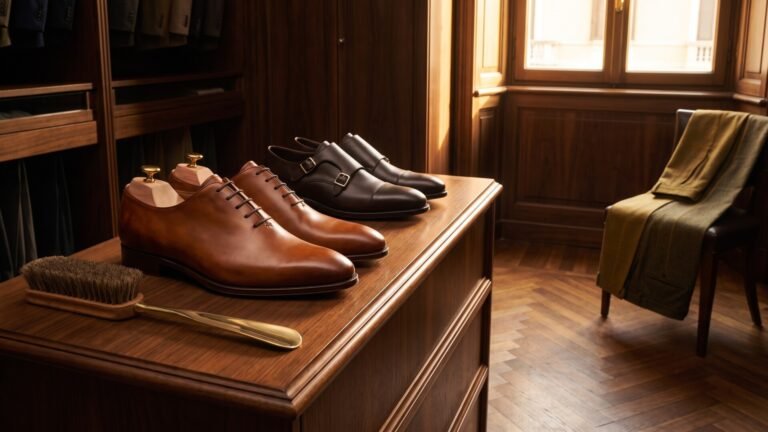
Italian shoes are legendary for a reason. They don’t just cover your feet—they carry centuries of craftsmanship, design, and an almost obsessive attention to detail. Owning a pair of handmade Italian shoes isn’t about bragging rights; it’s about understanding that footwear can be both functional and artful, a combination that elevates every outfit.
When it comes to designer footwear, Italy has been a global benchmark for decades. From the refined streets of Milan to the historic workshops in Naples and Florence, shoemaking is a revered craft. The difference between a mass-produced pair and a handmade Italian shoe is striking: one can last decades and feel like it was made for your body, the other may look good but won’t carry the same soul.
This article is your guide to understanding the art of Italian shoe making, the value of handmade Italian shoes, and the designer footwear that deserves a place in your wardrobe. Along the way, we’ll touch on materials, techniques, iconic brands, and styles that define Italian excellence.
Why Handmade Italian Shoes Are Special
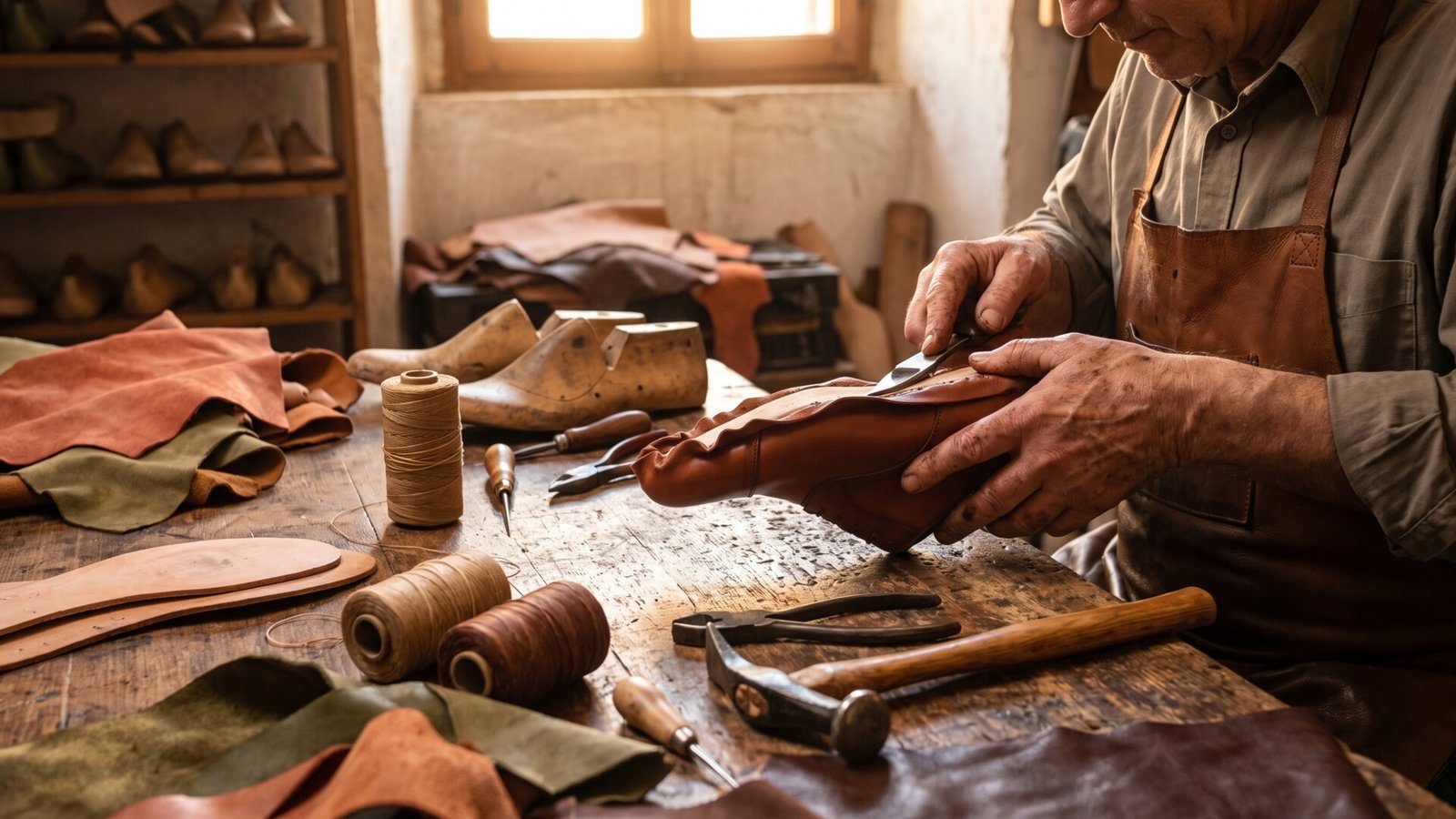
The first thing to understand is that handmade Italian shoes are a marriage of form, function, and art. Every stitch, sole, and cut is deliberate. In Naples, for example, traditional shoemakers spend hours creating a hand-last for every pair of shoes, ensuring the leather molds perfectly to the foot. In Florence, artisans obsess over the grain and patina of every hide.
Unlike mass-produced footwear, which prioritizes efficiency and uniformity, handmade Italian shoes are built to adapt to the wearer over time. Leather stretches naturally, soles conform to your walking pattern, and the shoe develops character unique to its owner. That’s why luxury Italian shoes don’t just look better—they feel better.
This dedication also extends to designer footwear. Iconic Italian brands produce shoes that are fashion-forward yet timeless, blending trend awareness with traditional craft. The result is shoes that complement both a tailored suit and casual attire seamlessly.
The History of Italian Shoe Making
Italian shoemaking isn’t new. Its roots trace back centuries, with regional variations shaping unique approaches:
- Naples: Known for soft, flexible shoes that prioritize comfort and motion. Classic loafers and elegant dress shoes come from here.
- Florence: Famous for leather quality and hand-stitching techniques, especially for boots and moccasins.
- Milan: A center of fashion innovation, combining tradition with cutting-edge design. Trend-forward designer footwear often originates here.
- Venice: Historically focused on ornate and decorative shoes, often associated with luxury and ceremonial wear.
This geographic diversity means Italian shoes carry regional identity, allowing designers and artisans to innovate while staying true to centuries of tradition.
Materials: The Foundation of Italian Excellence
Nothing sets Italian shoes apart like the materials. Artisans select hides, leathers, and fabrics for quality, durability, and aesthetic appeal.
- Full-grain leather: Offers longevity and develops a beautiful patina over time. Used in high-end dress shoes and boots.
- Calfskin: Smooth, supple, and perfect for elegant designer footwear. Often found in classic oxfords or brogues.
- Exotic leathers: Crocodile, alligator, and ostrich are reserved for statement shoes and high-luxury collections.
- Suede and nubuck: Adds texture and character, frequently seen in casual yet refined Italian shoes.
Even small details—lining, thread, and insole material—are chosen meticulously. In handmade Italian shoes, every component is part of a larger design philosophy: create a shoe that’s comfortable, durable, and visually striking.
Craftsmanship Techniques
Italian shoemaking relies on techniques that often take years to master. Key methods include:
- Hand-lasting: The process of shaping leather over a wooden form to fit the foot precisely. Machines can replicate the shape but lack the subtlety of hand pressure and human judgment.
- Blake and Goodyear welt: Two methods for attaching soles that balance durability and flexibility. Handmade shoes frequently employ these for longevity.
- Hand-stitching: Critical for seams, decorative patterns, and reinforcing stress points. Machines provide consistency, but nothing replaces the attention of skilled hands.
- Edge finishing and burnishing: Artisans polish and treat edges to enhance durability and aesthetic appeal.
Each of these techniques contributes to the longevity, comfort, and style of handmade Italian shoes. They’re what separates them from designer footwear produced on a larger scale.
Iconic Italian Shoe Styles
Italian shoe styles are diverse, but some stand out as staples in every wardrobe:
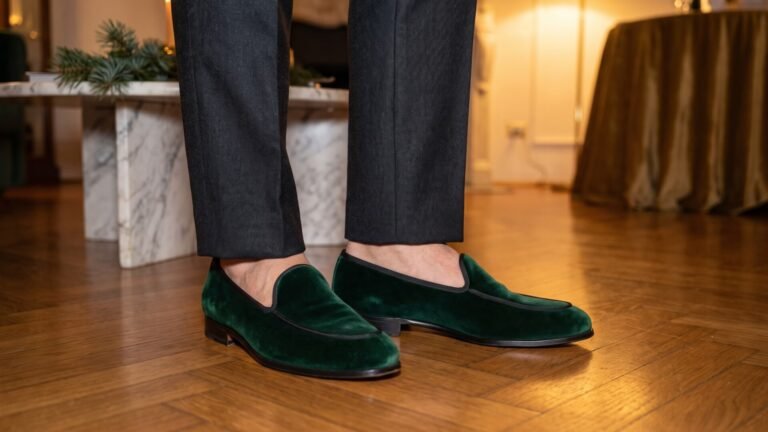
1. Loafers
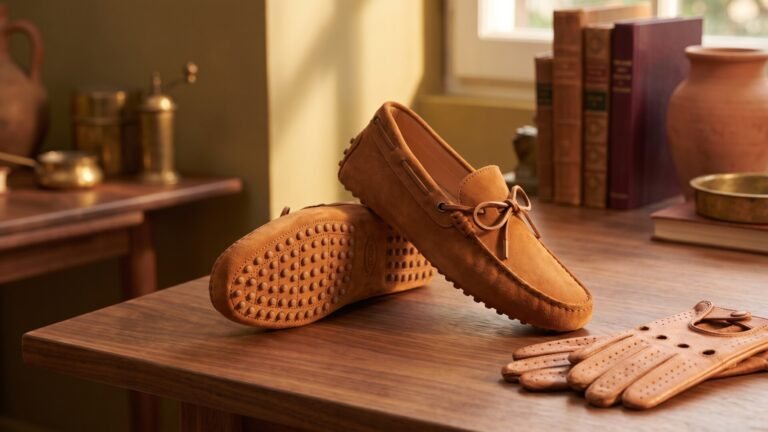
The Neapolitan loafer is legendary. Soft, flexible leather, minimal stitching, and effortless elegance make them suitable for both casual and formal settings.
Brands to know:
- Tod’s Gommino Driving Loafer – supple leather, instantly recognizable pebble sole, ideal for weekend and office wear.
- Santoni Venetian Loafer – refined hand-stitching and understated luxury.
Loafers exemplify handmade Italian shoes, marrying comfort with timeless design.
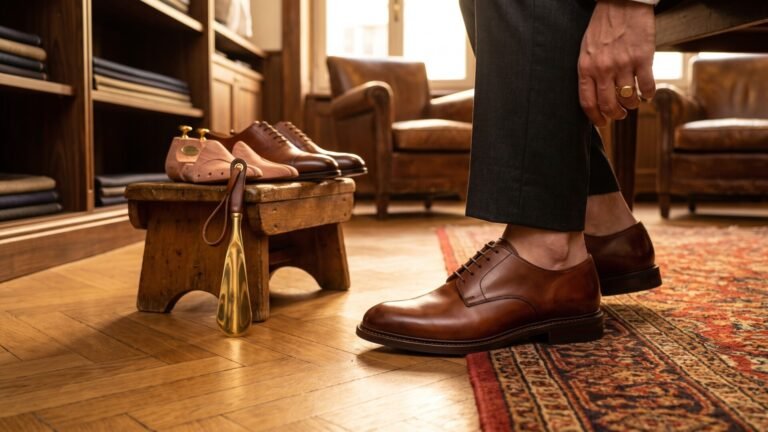
2. Oxfords and Brogues
Classic Italian dress shoes combine precision and style. The handcrafted Oxford features sleek lines, a close-fitting silhouette, and subtle detailing. Brogues introduce decorative perforations while retaining elegance.
Brands to consider:
- Fratelli Rossetti Oxfords – traditional craftsmanship with modern styling.
- Church’s Italian collections – often designed with Italian last shaping.
These shoes are investment pieces, perfect for boardrooms or formal events.
3. Boots
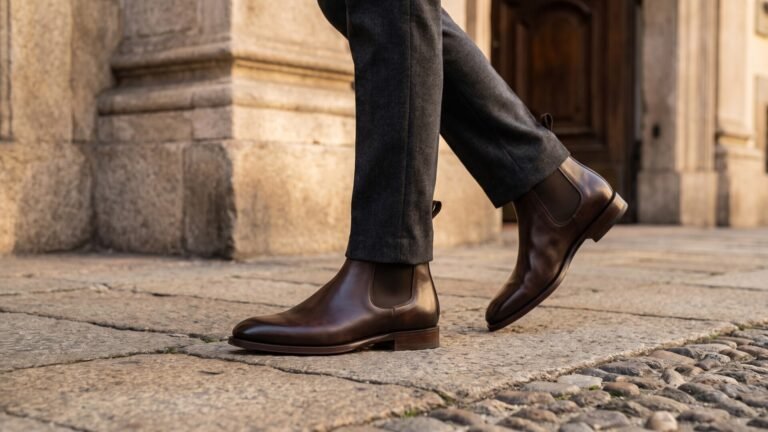
Italian boots blend style with function. From soft leather Chelsea boots to rugged hand-finished boots, Italy has a solution for almost every occasion.
Top picks:
- Santoni Chelsea Boots – sleek silhouette, soft leather, versatile design.
- Brunello Cucinelli Suede Boots – luxury casual wear, handmade detailing, unmatched comfort.
- Fratelli Rossetti Riding Boots – classic equestrian inspiration with modern appeal.
Boots exemplify the durability and artistry that Italian shoemaking emphasizes.
4. Sneakers
Yes, handmade Italian shoes include sneakers. While casual, Italian designers elevate them with materials, hand-finished soles, and detailing that mass-produced options can’t match.
Brands to watch:
- Diadora Heritage – classic retro styling with premium leather and hand-finished soles.
- Santoni Sneakers – clean design, premium craftsmanship.
- Brunello Cucinelli Sneakers – understated elegance for everyday wear.
Italian sneakers bridge fashion and comfort, proving that handmade quality isn’t limited to formal footwear.
Designer Footwear Trends in 2026
For designer footwear, Italian brands are blending tradition with modern needs. Key trends include:
- Softer soles and flexible construction – comfort without sacrificing elegance.
- Neutral color palettes – easy to integrate into any wardrobe.
- Hybrid styles – loafers with sneaker-like comfort, boots with lighter weight, sneakers with leather accents.
- Sustainable materials – vegetable-tanned leather, responsibly sourced fabrics, and eco-friendly production methods.
These trends show that Italian shoemaking respects heritage while staying relevant, keeping both handmade and designer lines desirable.
Mass-Produced vs Handmade: How to Tell the Difference
Not all Italian shoes labeled “designer” are handmade. Here’s what to look for:
- Price point: Handmade Italian shoes command higher prices due to labor and materials.
- Stitching and edges: Perfectly uniform seams and plastic-coated edges suggest mass production. Subtle imperfections and hand-burnished edges indicate artisan work.
- Sole construction: Goodyear welt and Blake stitching by hand last longer and are more flexible than machine-attached soles.
- Leather quality: Natural patina, soft texture, and slight variations are signs of real craftsmanship.
Understanding these differences ensures your investment in handmade Italian shoes is authentic and long-lasting.
Caring for Italian Shoes
Handmade Italian shoes deserve care:
- Polish regularly – maintain leather luster.
- Use shoe trees – preserve shape and absorb moisture.
- Rotate pairs – avoid wearing the same shoes daily.
- Protect from water – even treated leather benefits from occasional waterproofing.
- Professional repairs – resoling and restoration extend life for decades.
Proper care lets designer footwear age gracefully, a hallmark of true Italian shoemaking.
Where to Buy Handmade Italian Shoes
For authentic artisan experience, consider:
- Fratelli Rossetti – handcrafted Oxfords, loafers, and boots.
- Santoni – versatile luxury footwear, renowned for finishing and comfort.
- Brunello Cucinelli – understated elegance across casual and formal shoes.
- Tod’s – iconic loafers with hand-finished details.
- Diadora Heritage – high-quality, artisan-influenced sneakers.
These are perfect spots to integrate affiliate links to high-end Italian shoes.
Combining Handmade and Designer Footwear
A strong wardrobe blends both worlds:
- Handmade Italian shoes for staples: loafers, boots, Oxfords. These anchor your style and last for years.
- Designer footwear for trend or seasonal pieces: fashion-forward sneakers, statement boots, or limited-edition collaborations.
This approach maximizes style, longevity, and versatility, letting you enjoy Italian craftsmanship daily without sacrificing variety.
The Emotional Value of Handmade Shoes
Owning handmade Italian shoes is more than owning a product—it’s owning history, care, and human skill. You feel the difference when walking, notice the subtle curves, and enjoy a personal connection that mass-produced shoes rarely offer.
Designer footwear may offer brand recognition, but artisan shoes deliver tactile satisfaction and lasting pride. Each step becomes a reminder that your style is intentional and rooted in tradition.
Building a Collection in 2026
If you’re curating a wardrobe today, focus on:
- One pair of handmade loafers – casual yet polished.
- One pair of dress Oxfords – investment piece for formal occasions.
- One pair of versatile boots – Chelsea or riding boots.
- One pair of handcrafted sneakers – casual, stylish, and comfortable.
- Seasonal designer footwear – statement pieces or limited-edition collaborations.
This mix ensures you experience the best of Italian shoemaking while keeping your wardrobe functional, stylish, and adaptable.
Final Thoughts
The art of Italian shoemaking combines tradition, material excellence, and design sophistication. Handmade Italian shoes represent centuries of refinement, while mass-produced designer footwear offers accessibility and modern trends. Both are valid, but knowing the difference lets you build a wardrobe that’s intentional, stylish, and enduring.
For 2026, the key is balance: invest in artisan-crafted staples for everyday and formal wear, and supplement with seasonal designer footwear to stay current. When done right, Italian shoes become more than accessories—they become personal statements, tools of style, and tangible connections to centuries of craft.
Owning a pair of handmade Italian shoes isn’t just luxury—it’s a lifestyle, a nod to craft, and a commitment to quality you can literally feel with every step.