Handmade vs Mass-Produced: Italian Fashion Explained
When it comes to Italian fashion, people often oversimplify things. They see sleek boutiques, shiny storefronts, or glossy magazine spreads and assume it’s all luxury, all handmade, all exceptional. In reality, Italian fashion is a spectrum. On one end, you have handmade Italian fashion—pieces painstakingly crafted by artisans with decades of experience. On the other, there’s mass-produced designer clothing, still Italian, still stylish, but built for volume rather than intimacy.
Understanding the difference is essential, especially if you’re investing in high-end clothing. A $3,000 blazer from a Milanese atelier isn’t just about a label; it’s a story of leather, stitching, fabric sourcing, and human attention. Meanwhile, a $500 designer jacket from a larger brand might carry the prestige of designer clothing from Italy, but it was designed to be replicated, shipped globally, and produced efficiently. Neither approach is inherently wrong—they serve different purposes—but knowing the difference helps you build a wardrobe that actually works.
This article explores the distinctions, benefits, and philosophy behind handmade Italian fashion versus mass-produced Italian designer clothing. We’ll touch on materials, craftsmanship, brand strategy, and how to make informed decisions when buying Italian clothing in 2026.
Why Handmade Italian Fashion Still Matters
The allure of handmade Italian fashion is real, and it’s not just hype. Italy has centuries of artisan traditions, from tailoring in Naples to leatherworking in Florence. Each piece represents hours of human effort, attention to detail, and often generations of family knowledge.
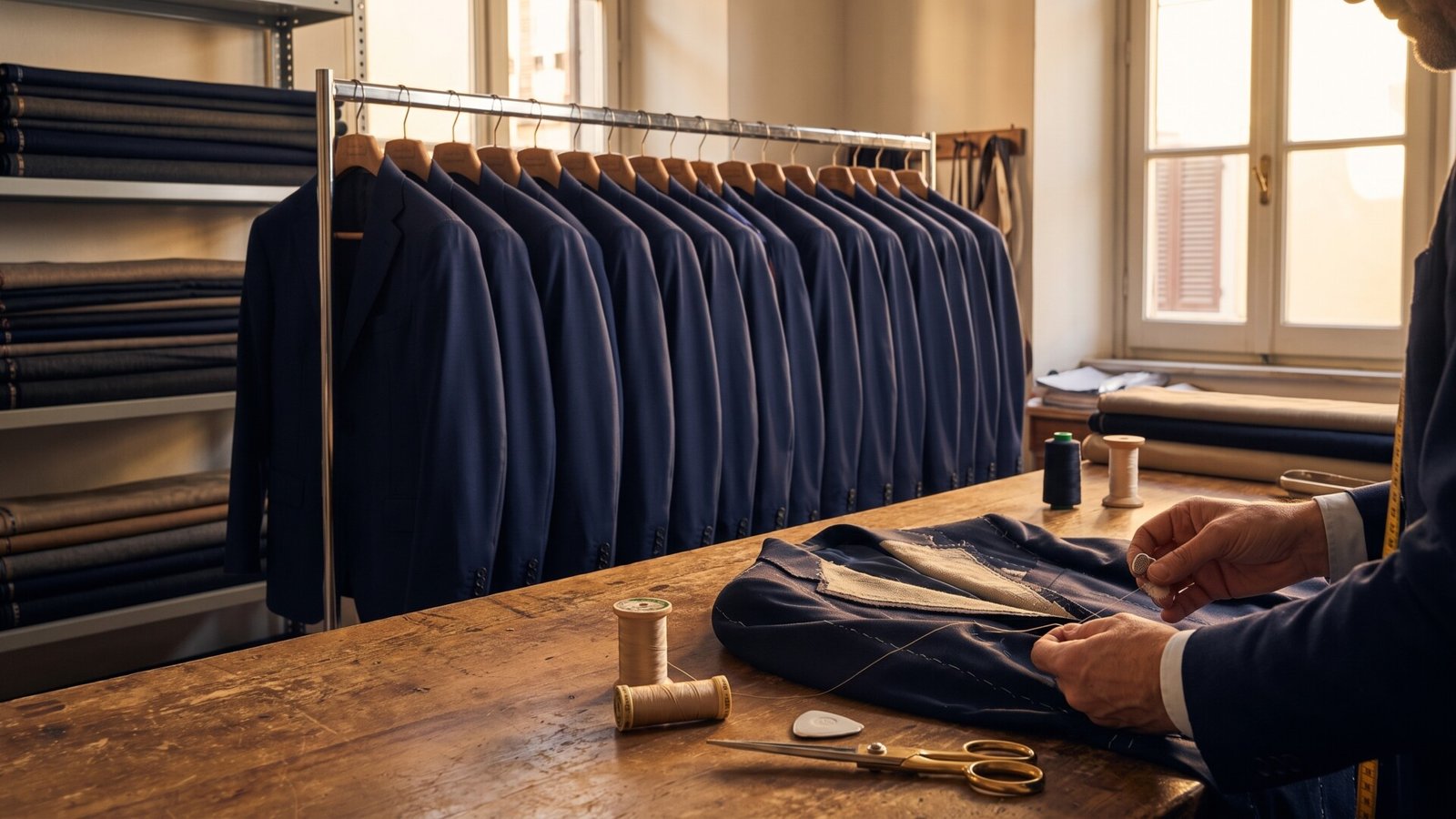
A handmade Italian suit, for instance, is designed to fit your body, not just your measurements on paper. Tailors cut, sew, and assemble pieces to ensure movement, drape, and proportion. The canvas inside a jacket, the stitching on lapels, the finishing on buttons—all of these small details are the difference between something that looks good and something that feels alive on the body.
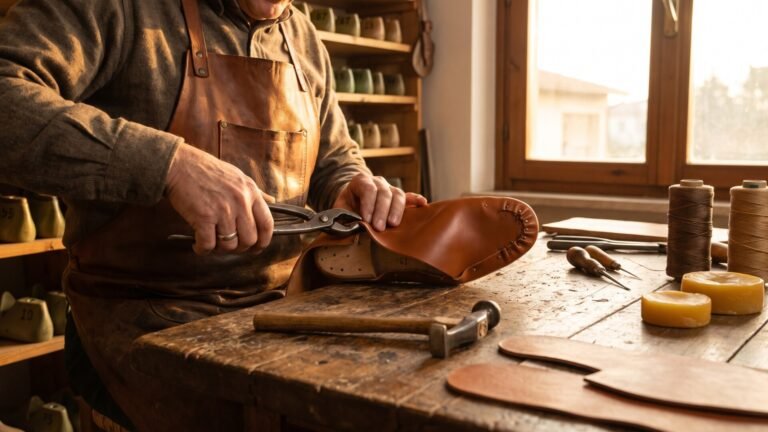
In bags and shoes, handmade Italian fashion emphasizes material quality. Vegetable-tanned leather ages beautifully, softening over time and developing a patina unique to the wearer. Each stitch is intentional, each edge polished, each lining considered. Even the placement of a pocket or the curve of a heel reflects decades of refinement.
The other benefit is uniqueness. Handmade Italian clothing isn’t produced in thousands of identical units. Small workshops often produce limited runs, and many luxury brands take custom orders. That exclusivity doesn’t just feel good—it often maintains value over time, something mass-produced fashion rarely achieves.
Mass-Produced Designer Clothing Italy: Efficiency Meets Style
Mass production isn’t inherently bad. Brands that produce designer clothing Italy in larger quantities focus on consistent quality, accessibility, and modern design trends. These pieces are meant to reach more customers, and in many cases, they still maintain remarkable quality.
Take Italian ready-to-wear lines from houses like Prada, Gucci, or Dolce & Gabbana. While they’re technically mass-produced, the design remains rooted in Italian aesthetic sensibilities. Fabrics are sourced thoughtfully, patterns are refined, and the final product still conveys style and prestige.
Mass production allows these brands to innovate seasonally. Unlike small ateliers that release a handful of pieces per collection, larger brands can explore new shapes, colors, and collaborations quickly. That’s part of what keeps fashion media buzzing and makes designer clothing Italy culturally influential worldwide.
The tradeoff is intimacy and longevity. Mass-produced pieces often rely on standard sizing, less hand-finishing, and uniformity. You get style and branding, but you lose the personalized touch that comes with handmade Italian fashion.
Materials: The First Indicator of Quality
One of the clearest distinctions between handmade and mass-produced Italian fashion lies in materials.
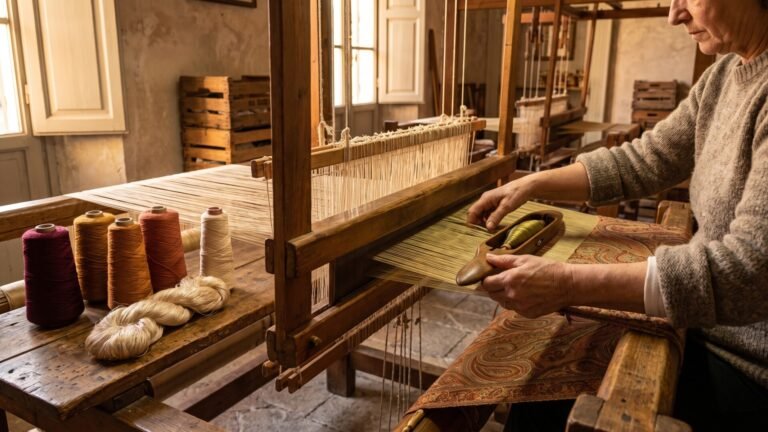
Handmade pieces use top-tier fabrics and leathers. Tailors and artisans select textiles with the feel, drape, and longevity in mind. Cashmere is soft but resilient. Suede and full-grain leather are chosen to age beautifully rather than merely look new on day one. Linings, threads, and hardware are scrutinized because every detail contributes to the overall performance of the garment or accessory.
Mass-produced designer clothing Italy also uses quality materials, but production scale introduces constraints. Fabric is often chosen for cost-effectiveness, ease of handling, and consistency across hundreds or thousands of units. This doesn’t make the clothing cheap—it’s still designer—but it’s less likely to exhibit the unique character or subtle variations of a handmade piece.
One simple example: the leather on a handmade Italian handbag might have slight color variations and natural markings that tell a story. Mass-produced leather is corrected and dyed uniformly, giving a perfect but less personal appearance.
Craftsmanship: Hand vs Machine
Craftsmanship is where the magic happens in Italian fashion.
In handmade pieces, nearly every step involves a human hand. Pattern-making, cutting, stitching, pressing, and finishing are done by artisans with years—even decades—of experience. Machines may assist, but humans guide every critical decision.
This is especially obvious in suits, shoes, and leather goods. In tailoring, hand-stitched canvas and hand-set buttons allow the jacket to move with the body naturally. In shoes, hand-last construction ensures perfect foot alignment and comfort. In bags, hand-stitched seams can bear weight without deforming and develop character over time.
Mass-produced designer clothing Italy relies heavily on machines for consistency and speed. Stitching is uniform, cutting is precise, and assembly is standardized. The advantage is reliability and scalability; the disadvantage is less personality and adaptability. These pieces look perfect off the rack, but they may lack the subtle nuances that make handmade fashion feel alive.
Design Philosophy: Timelessness vs Trend
Handmade Italian fashion often leans toward timeless design. Artisans understand that quality materials and construction deserve longevity, so shapes, colors, and proportions are considered carefully. A handmade Italian coat from Florence today will still feel elegant in ten years.
Mass-produced designer clothing Italy balances timelessness with seasonal trends. Brands produce collections that respond to market demand, influencer culture, and fashion media. This is where trends flourish: silhouettes evolve quickly, color palettes rotate, and collaborations push boundaries.
The takeaway: if your goal is a long-lasting wardrobe anchored by quality and subtlety, handmade pieces dominate. If your goal is style currency and seasonal impact, mass-produced designer clothing offers flexibility.
Price and Value: Understanding the Investment
Handmade Italian fashion is naturally more expensive because of labor, material quality, and scarcity. That said, the value often extends beyond initial purchase. Handmade garments and accessories age gracefully, develop character, and can even appreciate in resale value, especially limited-run or custom pieces.
Mass-produced Italian designer clothing is often priced lower relative to luxury craftsmanship, though still premium. The tradeoff is that the perceived value is tied more to brand recognition and trend relevance than enduring quality. Some mass-produced pieces retain value, particularly from iconic brands, but many depreciate faster than their handmade counterparts.
Knowing this helps you make informed purchases. Are you buying style currency for now, or a long-term wardrobe investment? The answer should guide whether you choose handmade or mass-produced.
Sustainability and Ethical Considerations
Another factor increasingly influencing Italian fashion is sustainability. Handmade pieces often have a smaller environmental footprint. They rely less on industrial-scale production, avoid excessive waste, and are built to last decades. The ethical considerations are clearer: fewer workers, closer oversight, and personal responsibility.
Mass-produced designer clothing Italy has improved in sustainability but still faces challenges. Large-scale manufacturing uses more energy, requires more shipping, and sometimes involves complex labor chains. That doesn’t make these brands unethical—they’re actively working on solutions—but it’s a factor worth noting when weighing handmade vs mass-produced.
Where to Buy Handmade Italian Fashion
For those who want true artisanal experiences, consider:
- Florentine leather workshops: Think Il Bisonte or The Bridge for bags and small leather goods.
- Neapolitan tailoring houses: Bespoke suits and jackets from artisans who have been in business for generations.
- Milanese ateliers: Small-run dresses, coats, and knitwear from emerging designers who handcraft their lines.
Buying directly from ateliers or trusted boutique retailers ensures authenticity, craftsmanship, and direct support for artisans. Affiliate links can naturally fit here when pointing to high-end products, highlighting limited editions or signature pieces.
Where to Buy Mass-Produced Designer Clothing Italy
Mass-produced Italian designer clothing is widely available through:
- Farfetch – luxury ready-to-wear, broad selection, affiliate-friendly
- Yoox – mid-to-high range Italian brands
- Net-a-Porter – premium seasonal collections
- Official brand stores – Prada, Gucci, Dolce & Gabbana
These platforms offer global shipping, authenticity guarantees, and access to seasonal lines that blend design, craftsmanship, and trend relevance.
Making the Choice: Handmade or Mass-Produced
The decision isn’t binary. Many wardrobes benefit from a mix of both.
- Handmade Italian fashion for investment pieces: coats, leather goods, tailored garments. These anchor your wardrobe and age beautifully.
- Mass-produced designer clothing in Italy for seasonal experimentation: trend pieces, versatile daily wear, or bold statement items.
When you combine the two, you get the best of Italian fashion: the personality, care, and longevity of artisan craftsmanship, paired with the accessibility, trend awareness, and variety of designer collections.
The Emotional Value of Handmade Pieces
Beyond measurable factors, handmade Italian fashion carries emotional value. There’s satisfaction in knowing someone spent hours perfecting the garment you wear. There’s pride in owning something that isn’t mass-distributed, something unique.
Mass-produced designer clothing Italy offers different satisfaction: belonging to a brand community, wearing recognizable design cues, and participating in a global style conversation. Both forms have merit, but the intimacy of handmade pieces often leaves a stronger personal impression.
Tips for Investing in Italian Fashion in 2026
- Identify core pieces for your wardrobe – Jackets, bags, shoes, and tailored trousers are best in handmade Italian fashion.
- Experiment with seasonal trends through mass-produced lines – Sweaters, casual tops, or statement outerwear can be mass-produced but still Italian.
- Check construction details – For leather goods, look for hand-stitching, soft edges, and lining quality. For clothing, examine seams, buttons, and fabric feel.
- Mix and match wisely – Pair handmade staples with designer seasonal pieces to maximize both style and longevity.
- Consider resale value – Handmade Italian fashion often retains value better, making it a smart long-term investment.
Conclusion
Understanding the difference between handmade Italian fashion and mass-produced designer clothing Italy is key to building a wardrobe that lasts, works, and feels personal. Both have their place, but the advantages of artisan pieces—craftsmanship, material quality, uniqueness, and longevity—cannot be overstated. Mass-produced designer pieces complement these staples by offering seasonal flexibility, broader accessibility, and modern style influence.
For 2025 and beyond, Italian fashion is about balance. Invest in handmade pieces that define your wardrobe, and selectively integrate mass-produced designer items that reflect current trends. This approach ensures you benefit from the best of Italian style, every day, for years to come.
With the right mix, you’ll not only look the part but understand why Italian fashion remains a global benchmark, marrying tradition, craftsmanship, and contemporary sensibilities.