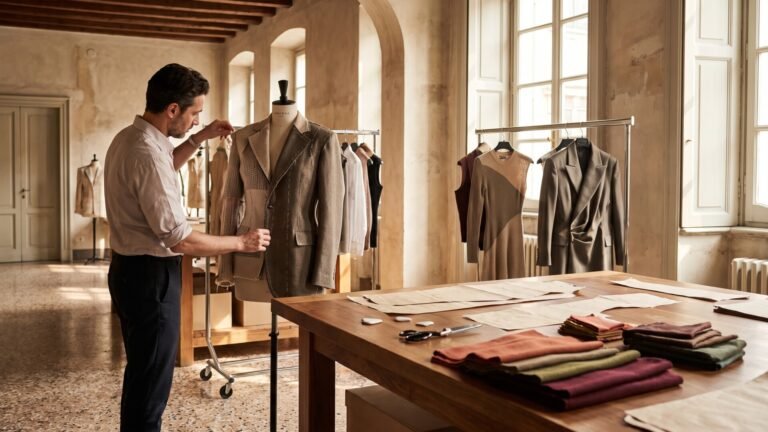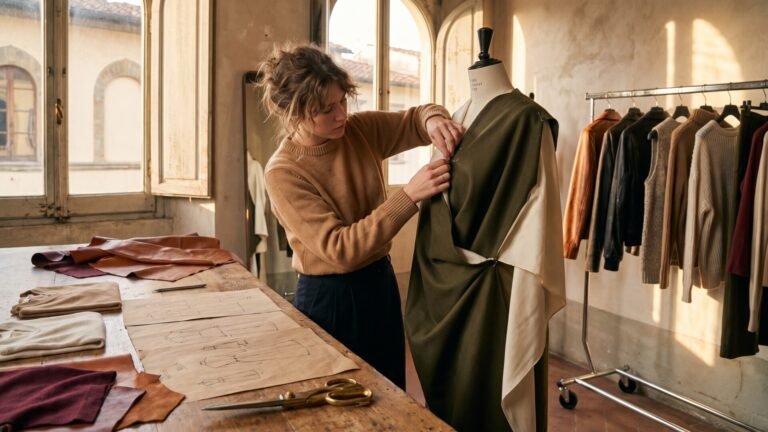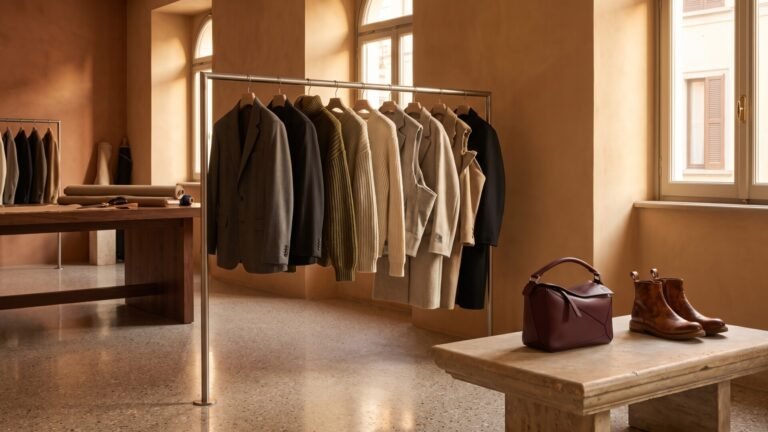
Spotlight: Emerging Milan Designers
Let’s talk about Milan — not the glossy runway-only version, but the real ecosystem behind it. The city where fashion is treated like a serious industry, where designers learn early that ideas matter, but execution matters more. Milan doesn’t just create designers. It creates systems, brands, and long games.
This is a spotlight on emerging Milan designers who are shaping what Italian fashion is becoming next. Some are already gaining international attention, others are still moving quietly — but all of them reflect Milan’s very specific energy: sharp, disciplined, and forward-looking.
No hype chasing. No trend lists. Just talent with direction.
Milan’s emerging designers are part of a much broader creative ecosystem that defines Italian fashion today. To explore how these new talents fit alongside established icons and influential creatives, visit our Italian Fashion Designers hub, where we cover legendary names, regional movements, and the evolving landscape of design across Italy.
Spotlight: Emerging Milan Designers
Milan has always been different from Florence or Rome. It’s less romantic, more pragmatic. Less about nostalgia, more about momentum. That mentality shapes the designers who come out of the city.
Emerging Milan designers tend to:
- Think in collections, not single pieces
- Understand production early
- Balance creativity with wearability
- Build brands, not just aesthetics
They’re designers who want to last.
Let’s break down who they are and why Milan keeps producing fashion that actually moves the industry forward.
Why Milan Is Still the Engine of Italian Fashion
Milan isn’t just a fashion city — it’s the operational center of Italian luxury.
This is where you’ll find:
- Major fashion houses headquarters
- Strong manufacturing networks
- Top fashion schools like Istituto Marangoni and Polimoda
- Buyers, showrooms, and global press all in one place
For young designers, this means pressure — but also opportunity. Milan forces you to be clear about what you’re doing and why.
That’s why emerging designers here often feel more polished early on. They’ve been tested.
Marco Rambaldi (Milan-based impact)
Marco Rambaldi deserves mention again, but from a Milan angle this time. While his roots and sensibility feel broader, Milan has played a big role in amplifying his voice.
Rambaldi’s work fits perfectly into Milan’s evolving fashion scene:
- Emotionally driven but commercially aware
- Strong knitwear identity
- Inclusive, narrative-led collections
Milan gave Rambaldi a platform where personal storytelling could still scale. His success shows how the city is opening up to designers who bring softness and vulnerability into a traditionally sharp environment.
Cormio
Cormio is one of the most exciting Milan-based brands right now, especially if you’re interested in fashion that blends youth culture, femininity, and subversion.
Cormio’s aesthetic pulls from:
- Vintage lingerie
- 90s pop culture
- Playful but slightly rebellious femininity
But underneath the cute surface, the construction is serious. This is classic Milan: even the fun stuff has structure.
Cormio resonates with a younger audience without feeling gimmicky. It’s confident, ironic, and very aware of fashion history — but not trapped by it.
Susan Fang (Milan-educated influence)
While not Italian by origin, Susan Fang’s Milan education has deeply shaped her design language, and she’s part of the broader Milan emerging designer ecosystem.
Her work focuses on:
- Emotional storytelling
- Experimental textures
- Sculptural silhouettes
Milan’s influence shows in how her collections are presented — controlled, intentional, and well-produced, even when the designs themselves are expressive.
This reflects a bigger Milan trend: embracing emotional design, but grounding it in professionalism.
ACT N°1 (Milan-based evolution)
ACT N°1 operates right at the intersection of romance and rigor — and Milan is the perfect city for that.
The brand is known for:
- Sheer fabrics
- Soft tailoring
- East-meets-West influences
What makes ACT N°1 feel very Milan is the discipline behind the softness. The clothes are delicate, but the business approach is solid. Collections are cohesive, branding is consistent, and the brand identity is clear.
That’s Milan fashion in a nutshell.
Avavav
If Milan has a chaotic side, Avavav lives there — but in a very controlled way.
Avavav is known for:
- Satirical takes on fashion
- Exaggerated silhouettes
- Internet-aware design language
At first glance, it feels anti-Milan. But look closer, and you’ll see precision. The cuts are intentional. The chaos is designed.
Avavav represents a newer Milan attitude: self-aware, ironic, and unafraid to poke fun at the industry while still participating in it.
Emerging Milan Menswear Designers
Milan has always been strong in menswear, and the next generation is no exception.
Emerging designers here are rethinking:
- Tailoring proportions
- Formal vs casual boundaries
- What modern masculinity looks like
You’ll see suits paired with sneakers, soft jackets instead of rigid blazers, and fabrics that prioritize comfort without losing elegance.
This isn’t streetwear pretending to be tailoring. It’s tailoring adapting to real life.
Milan’s Relationship With Streetwear
Unlike other cities, Milan never fully separated luxury and streetwear. The two have been blending here for decades.
Emerging designers reflect that by:
- Using technical fabrics alongside classic cuts
- Designing pieces that work both on runway and street
- Treating sneakers and tailoring as equals
This hybrid approach is why Milan designers often transition well into collaborations and global markets.
They understand both worlds.
Sustainability, Milan Style
Milan-based emerging designers talk about sustainability differently.
Instead of slogans, you’ll see:
- Limited production
- Local manufacturing
- Long-term brand thinking
Sustainability here is often about durability — making clothes people actually want to keep.
That mindset comes from Milan’s industrial roots. Waste isn’t cool. Efficiency is.
Fashion Schools and Their Influence
Milan’s fashion schools don’t just teach design — they teach systems.
Students learn:
- How collections are priced
- How production works
- How to talk to buyers
This creates designers who are creative but realistic. Many emerging Milan designers launch with fewer pieces, tighter concepts, and clearer goals.
They’re not guessing. They’re planning.
Why Milan Designers Age Well
One thing Milan designers consistently get right is longevity.
Their work:
- Doesn’t rely heavily on trends
- Is built on strong foundations
- Evolves naturally season after season
That’s why many Milan-based emerging designers don’t explode overnight — but they also don’t disappear.
They grow.
Milan vs Florence: Two Futures, One Country
If Florence is about craft memory, Milan is about fashion momentum.
Florence designers often:
- Start with technique
- Build slowly
- Emphasize intimacy
Milan designers tend to:
- Start with vision
- Scale faster
- Think globally
Both matter. But if you’re looking at where Italian fashion is headed commercially, Milan is the clearest indicator.
How to Discover Emerging Milan Designers Early
If you want to stay ahead:
- Follow Milan Fashion Week side schedules
- Watch showroom presentations, not just runways
- Pay attention to buyers’ picks, not influencers
- Look at who established brands collaborate with
Milan telegraphs its future quietly.
The Milan Designer Mindset in 2026
The new generation of Milan designers is:
- Less obsessed with perfection
- More open to experimentation
- Still deeply professional
They don’t reject luxury — they redefine it.
Luxury becomes about:
- Thoughtful design
- Quality materials
- Emotional relevance
Not just status.
Final Thoughts
Emerging Milan designers are shaping the next chapter of Italian fashion with clarity, discipline, and confidence.
They respect the industry, but they’re not intimidated by it.
They understand tradition, but they’re not nostalgic.
They’re building brands meant to last, not just collections meant to trend.
If Florence is the soul of Italian fashion, Milan is its brain — and right now, that brain is thinking clearly, creatively, and long-term.
These are the designers worth watching.
Milan’s rising talents are part of a broader national movement redefining Italian fashion city by city. For a wider perspective, explore The Next Wave of Italian Fashion: Designers to Watch by City, where we examine how different regions are shaping the industry’s future. You can also discover parallel movements in Emerging Florence Designers and see a broader curated roundup in 10 Up-and-Coming Italian Designers to Watch in 2026.
Explore the full Emerging / Niche Italian Designers hub for more profiles on Marco Rambaldi, GCDS, The Attico, Giuseppe di Morabito, and Sunnei.