Why Italian Leather Is the Best: Craftsmanship Explained
Let’s get real for a sec — when you hear “Italian leather,” what comes to mind?
That smooth texture, that clean smell, that “you-know-this-costs-money” kind of vibe, right?
Italian leather isn’t just a material. It’s a whole tradition, a statement, a flex, and lowkey, a legacy. From your favorite designer bags to classic driving shoes to that perfect bomber jacket — chances are, if it’s Italian leather, it’s built different. But why exactly is it the best? Why do fashion houses and sneaker brands from Tokyo to New York still chase that “Made in Italy” stamp?
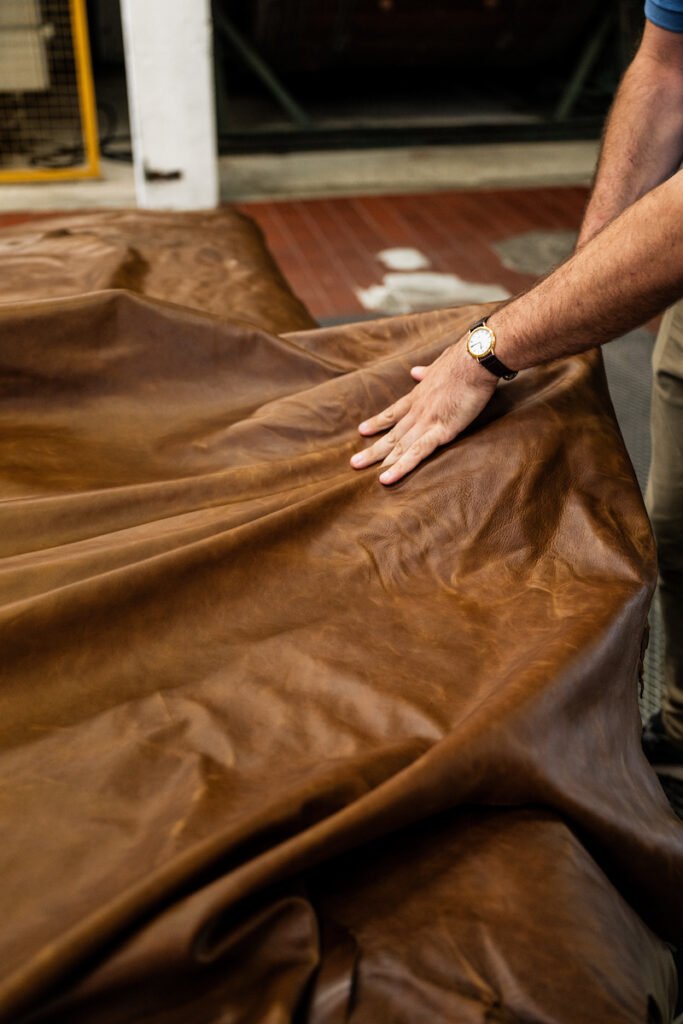
Let’s break it down — from the roots in Tuscan tanneries to today’s modern icons, and show why Italian leather still runs the show.
1. The Roots: Centuries of Craft and Culture
Here’s the thing — Italy’s been about craftsmanship forever. Like, way before luxury branding was even a thing.
The story of Italian leather starts in Tuscany, especially around Florence and Santa Croce sull’Arno. Back in the Middle Ages, local artisans started perfecting tanning methods using natural materials — mostly vegetable tanning, meaning they used plant-based extracts (like tree bark) instead of chemicals.
That might sound niche, but it’s what gave Italian leather its signature richness — that deep, earthy scent, that buttery texture, and the way it ages instead of just wearing out. Each piece gets better with time.
Over the centuries, those same tanneries passed techniques down like family secrets. No joke — there are still small family workshops in Tuscany that trace their craft back five or six generations. So when we talk “Italian leather,” we’re talking about centuries of refinement, consistency, and pride.
This isn’t fast fashion. It’s slow mastery.
2. What Makes It Different (and Better)
Now, you might think leather is leather — but nah, there are levels to this.
Here’s what separates Italian leather from the rest:
a) The Tanning Process
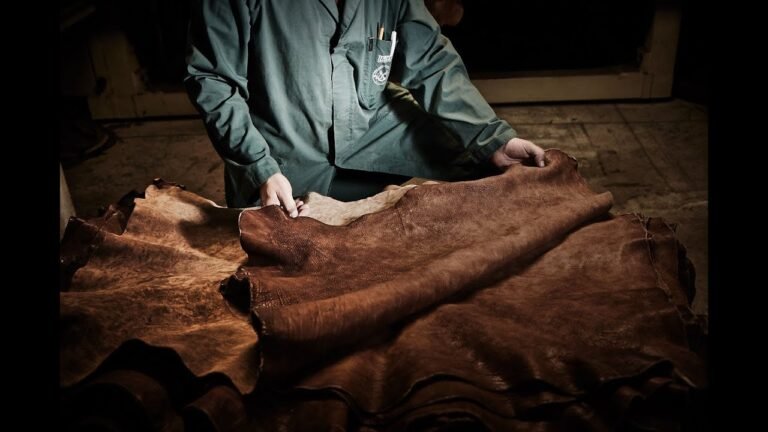
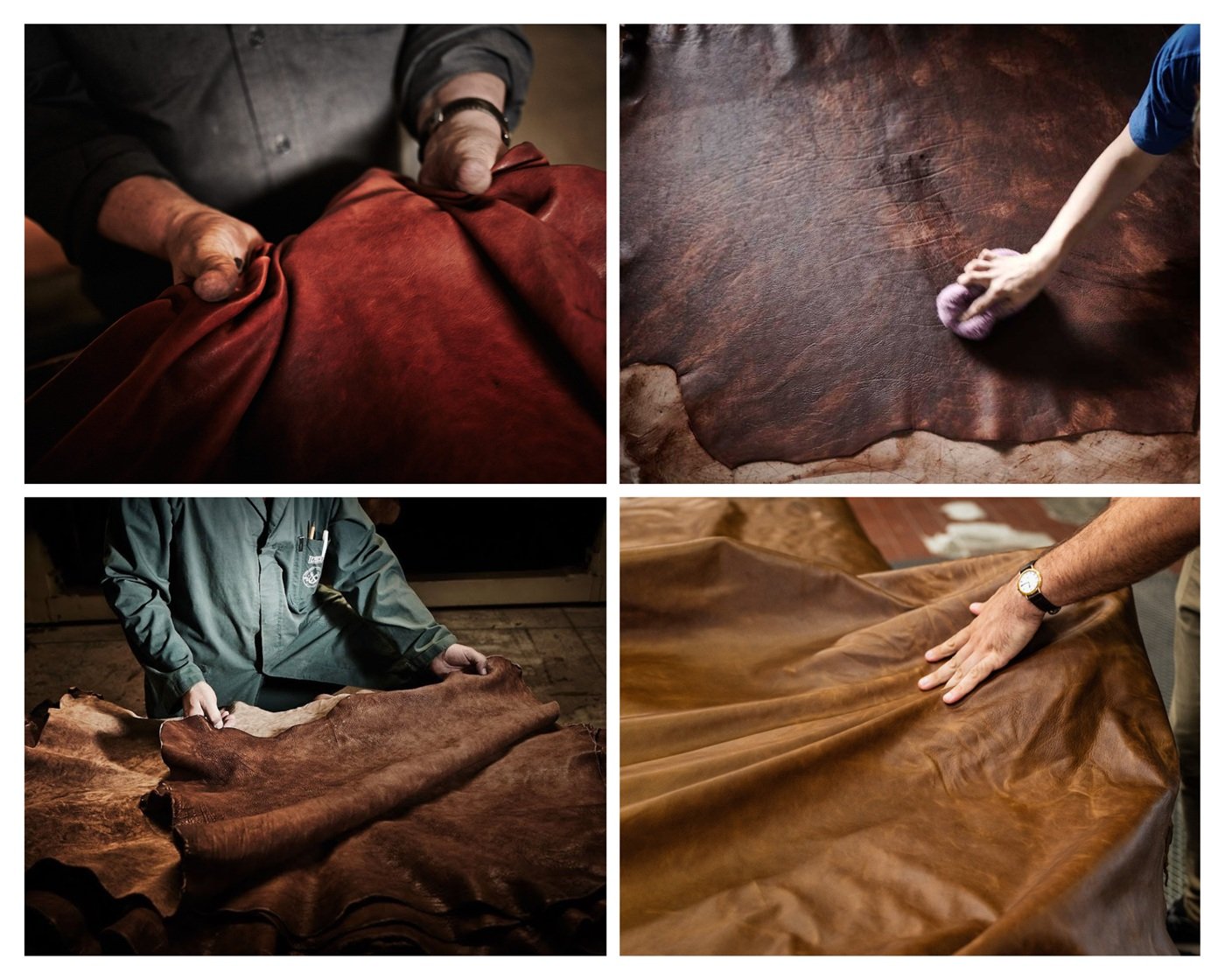
Like I mentioned, vegetable tanning is the soul of Italian leather. Unlike cheaper chrome-tanning used in mass production, vegetable tanning uses natural tannins that take weeks — even months — to soak into the hides.
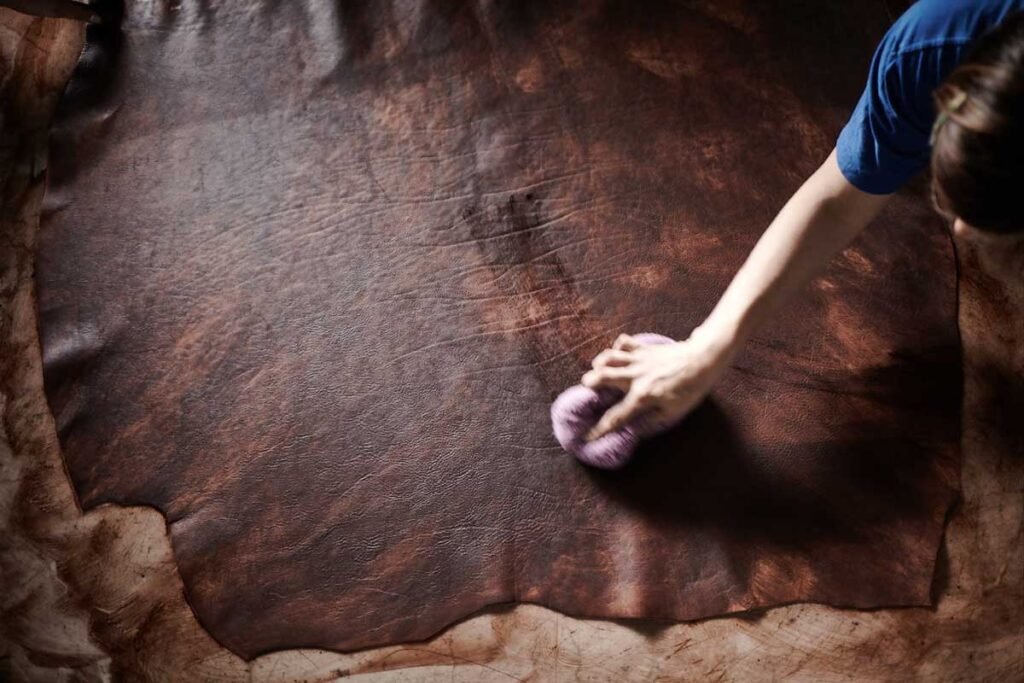
Result:
- Richer color that develops character with age
- Durability — it doesn’t crack or peel
- Eco-friendlier (no harsh chemicals or pollution)
- Texture that’s unique to every piece
You can actually smell the difference. It’s earthy, warm, real — not plasticky.
b) The Raw Material
Italian tanneries source some of the finest full-grain hides — often from local farms where animals are raised for food, so nothing’s wasted. Full-grain means it’s the top layer of the hide, the strongest and most natural part.
That’s why Italian leather keeps that authentic, imperfect look — those tiny variations, those marks of life? That’s what gives each item soul.
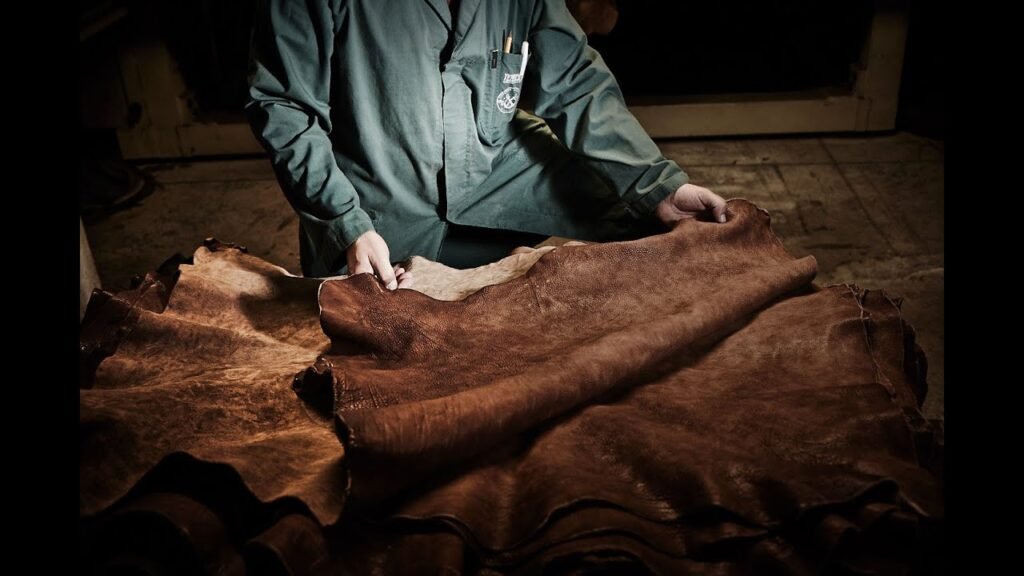
c) The Finish and Feel
Italian artisans don’t overprocess their leather. They let it breathe. They buff it, treat it, sometimes hand-dye it — all to keep that raw yet refined balance.
When you touch real Italian leather, it’s not stiff or shiny — it’s alive. Soft but structured, luxurious but tough.
3. The Epicenters: Where the Magic Happens
Let’s talk geography real quick.
Italy’s got specific regions known for certain leather styles or techniques:
- Tuscany (Santa Croce, Ponte a Egola, Florence): Vegetable-tanned leather heaven. Think wallets, belts, bags.
- Veneto (Vicenza, Arzignano): Specializes in high-end upholstery and footwear leathers.
- Marche: Big on artisan shoemaking — home to some of the finest Italian footwear.
- Milan: The fashion hub — where leather turns into luxury.
These regions don’t just make leather — they live it. You’ll find entire communities built around tanneries, artisans, and family businesses that have been doing it for generations.
4. The Big Names Who Keep the Tradition Alive
When you think Italian leather, you gotta pay homage to the masters. The designers who took that centuries-old craft and built empires out of it.
Giorgio Armani
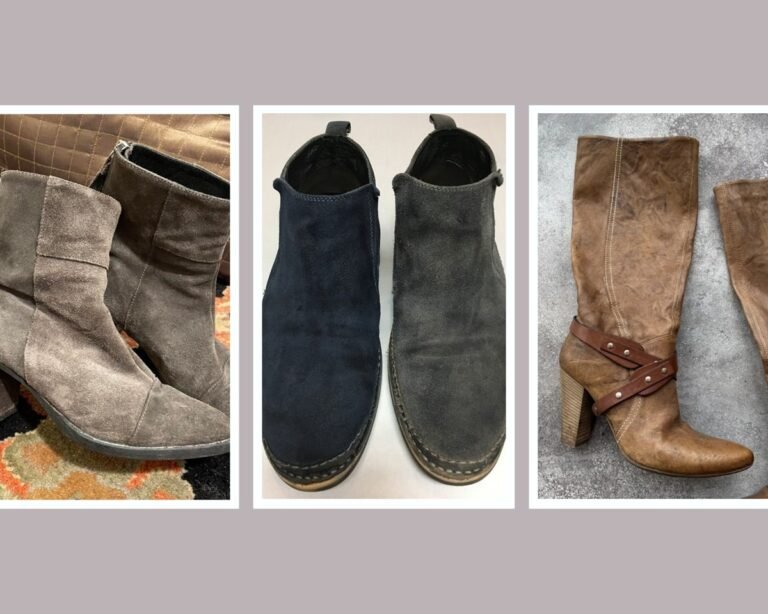
Armani knows how to make leather look effortless. His jackets, shoes, and accessories are sleek, minimalist, and perfectly cut — refined, never loud. You’ll often see soft lambskin and nubuck in his collections — smooth as butter, classy as it gets.
Gucci
Founded in Florence — aka leather central. Guccio Gucci started out making high-end leather goods for travelers back in the 1920s. Their horsebit loafers, GG belts, and handbags? All rooted in Italian leather heritage.
Even now, under new creative direction, Gucci’s leather craftsmanship stays top-tier — handmade bags, precise stitching, and those subtle embossed finishes that scream quality.
Salvatore Ferragamo
Born from pure shoemaking genius. Ferragamo’s known for experimenting with textures — suede, nappa, crocodile, calfskin — always crafted for comfort and perfection. Their leather ballet flats and loafers are literal icons.
Tod’s
The ultimate “quiet luxury” label. Tod’s Gommino driving shoes? Every pair has 133 rubber pebbles on the sole, hand-stitched leather uppers, and that soft, flexible feel you can only get from Italian tanning.
They don’t scream status. They whisper it.
Bottega Veneta
You know them for the woven leather — intrecciato. That weaving technique became their entire identity. They took craftsmanship and turned it into high art. Today, Bottega’s leather bags and clutches are considered the gold standard in understated luxury.
Prada
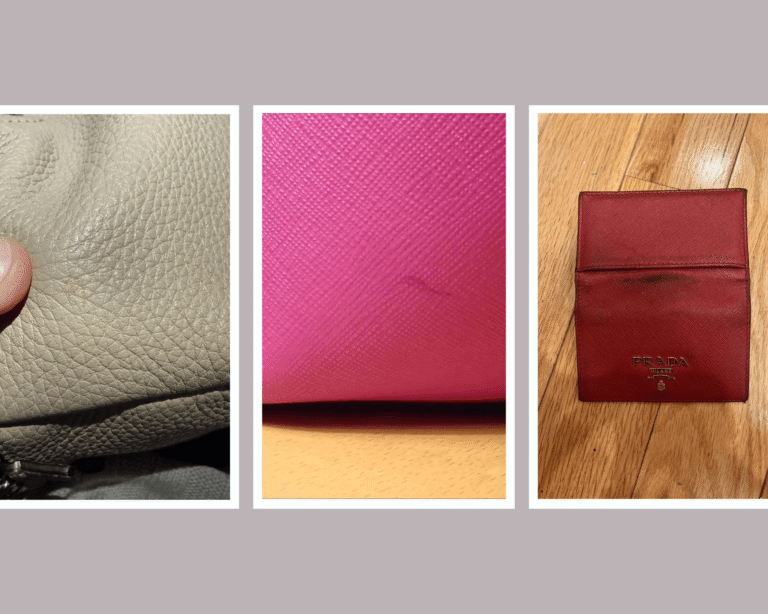
Don’t sleep on Prada’s leather game. Their Saffiano leather, created by Mario Prada himself, is scratch-resistant, water-resistant, and nearly indestructible — it’s why those triangle-logo bags last forever.
Brunello Cucinelli
This guy’s all about ethical luxury — handcrafted leather jackets, weekend bags, belts. Every detail screams human touch and refined simplicity.
5. Signature Products That Defined Italian Leather
Let’s talk icons — the products that made Italian leather what it is today.
1. The Gucci Horsebit Loafer
Born in 1953, inspired by British equestrian culture, elevated by Italian artisans. Still made the same way today — hand-stitched, full-grain leather, brass hardware. A true symbol of Italian elegance.
2. The Tod’s Gommino Driving Shoe
If comfort and luxury had a baby, this would be it. Soft leather that molds to your feet, rubber pebble sole for grip — originally made for driving, now a fashion staple.
3. The Bottega Veneta Intrecciato Bag
That woven leather is instantly recognizable, but never flashy. Each piece is handwoven — no logos, no labels. Just pure craftsmanship.
4. The Prada Saffiano Bag
Durable, practical, stylish — Saffiano leather’s cross-hatch pattern makes it scratch-resistant and glossy. Perfect for travel and daily use.
5. The Ferragamo Vara Pump
Simple, elegant, leather perfection. Those signature grosgrain bows and polished finish are the essence of Italian femininity.
6. Beyond Luxury: The Small Artisans Keeping It Real
Here’s what’s wild — even though Italy has all these luxury giants, small workshops still thrive.
In Florence, Siena, and Perugia, you’ll find family-run studios producing belts, journals, wallets, and shoes by hand — using the same vegetable-tanning and hand-stitching techniques as 100 years ago.
Some don’t even sell online. They rely on locals, travelers, and word-of-mouth. But their stuff? Unreal. You can smell the quality before you even touch it.
A few names to know:
- Il Bisonte (Florence): Handmade leather goods that age beautifully.
- Officine Creative (Marche): Artisan shoes with that perfect worn-in look.
- Scuola del Cuoio (Florence): Where apprentices still learn traditional techniques.
This side of the industry is what keeps the soul of Italian leather alive.
7. The Sustainable Shift: Craft Meets Consciousness
Old doesn’t mean outdated. Modern Italian leatherhouses have actually become leaders in sustainability.
In Tuscany’s Leather District, tanneries use closed-loop water systems, recycle waste, and even repurpose byproducts into new materials.
Groups like the Consorzio Vera Pelle Italiana Conciata al Vegetale (try saying that five times fast) certify that leather is vegetable-tanned, eco-friendly, and responsibly sourced.
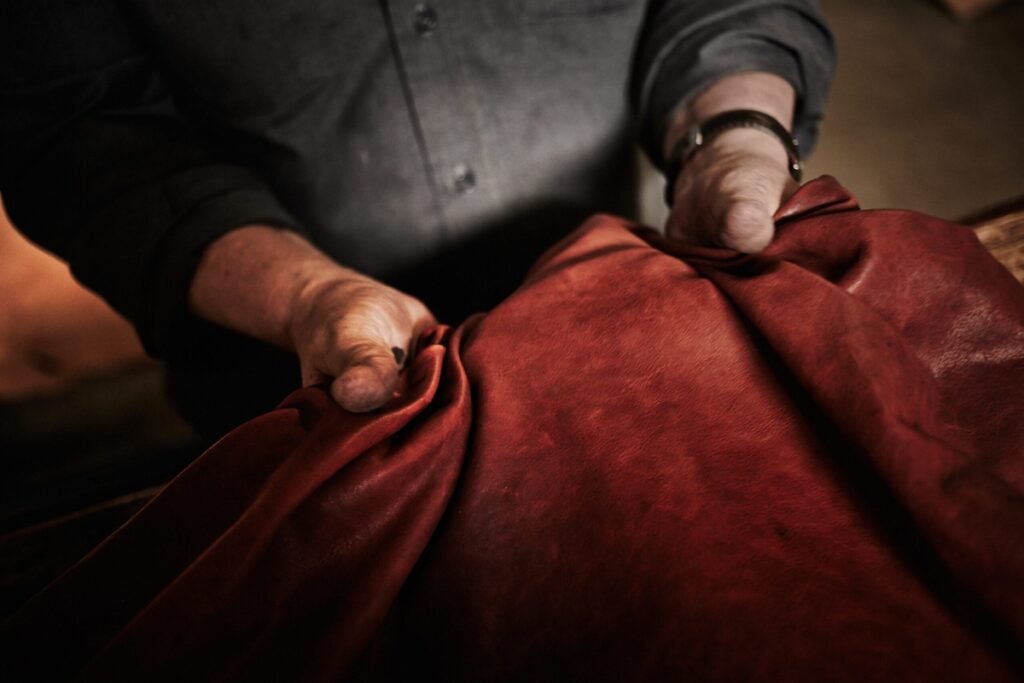
Luxury houses like Gucci and Ferragamo are also turning their leather supply chains transparent — ensuring that craft doesn’t come at the planet’s expense.
So yeah, Italian leather’s not just “old world luxury” anymore. It’s also modern sustainability done right.
8. The Feel-Good Factor
Let’s be honest — Italian leather just feels special.
Slide into a pair of handmade loafers, or throw on a perfectly aged leather jacket, and you immediately stand taller. There’s something about it — the smell, the weight, the softness — that makes you appreciate craftsmanship again.
We live in a world where everything’s fast and disposable. But Italian leather reminds you:
- Patience matters.
- Craft matters.
- Quality lasts.
When something’s made by hand, by someone who’s been doing it their whole life, you can feel that energy in the product.
9. How to Spot the Real Deal
Alright — let’s keep it practical for a second. With all the hype, fakes, and “Italian-inspired” goods out there, how do you know what’s authentic?
Here’s the checklist:
- Label: Look for Made in Italy — and check if it’s from a recognized artisan or brand.
- Smell: Real Italian leather smells earthy and warm, not plasticky or chemical.
- Feel: It should feel soft, flexible, and rich, not stiff or overly glossy.
- Aging: Italian leather develops patina — it gets deeper in color and softer over time.
- Price: If it’s “Italian leather” for $40 — sorry, chief — that’s not it.
10. Italian Leather in Modern Fashion
In 2025 and beyond, leather’s still evolving. Designers are experimenting with color, texture, and hybrid materials — but Italian leather’s role is still dominant.
Some of the coolest projects right now:
- Valentino’s leather microbags and boots — combining old-world craft with futuristic silhouettes.
- Fendi’s Selleria leather — handcrafted with visible saddle stitches.
- Santoni and Golden Goose sneakers — mixing premium Italian leather with streetwear aesthetics.
- Marni’s distressed finishes — turning imperfections into art.
Even brands outside Italy, like Aime Leon Dore, source Italian hides for their sneakers. That tells you everything you need to know about the respect the craft commands.
11. The Legacy Lives On
At the end of the day, Italian leather isn’t just about fashion. It’s about heritage, human touch, and timeless quality.
Whether it’s a luxury handbag or a pair of skate-inspired sneakers, you’re not just buying a product — you’re carrying centuries of skill, patience, and pride.
In a world chasing trends, Italian leather stays timeless.
In an age of mass production, it remains personal.
And in an industry obsessed with fast everything — it’s still slow, thoughtful, and real.
Final Thoughts
So yeah — that’s why Italian leather is the best. It’s not hype, it’s history. Not marketing, but mastery.
From the tanneries of Tuscany to the runways of Milan, Italian artisans have perfected an art that can’t be rushed or replicated. Every bag, every shoe, every jacket — it’s a love letter to tradition, reinterpreted for the modern world.
So next time you slip on a pair of Italian leather boots or sling that handmade tote over your shoulder, take a sec to appreciate what you’re wearing. You’re holding a piece of Italy’s soul — stitched, tanned, and polished to perfection.
Stay real, stay stylish, and always respect the craft.
Because good leather — like good style — only gets better with time.