The Italian Tannery Regions: Where the World’s Best Leather Comes From
Where Leather Legends Are Born
You ever wonder where all that dreamy Italian leather actually comes from?
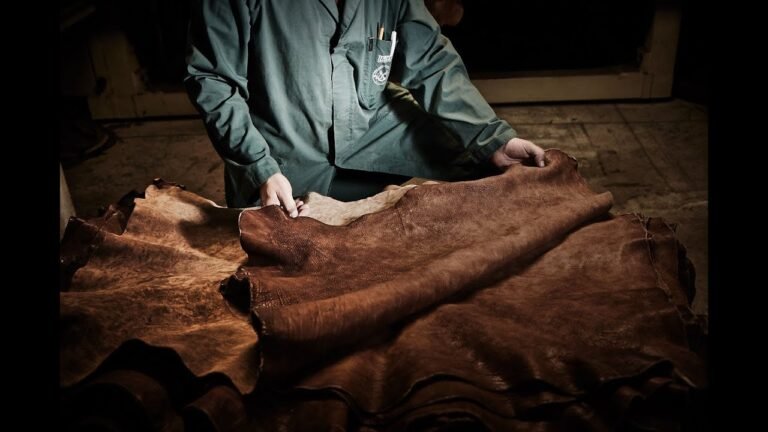
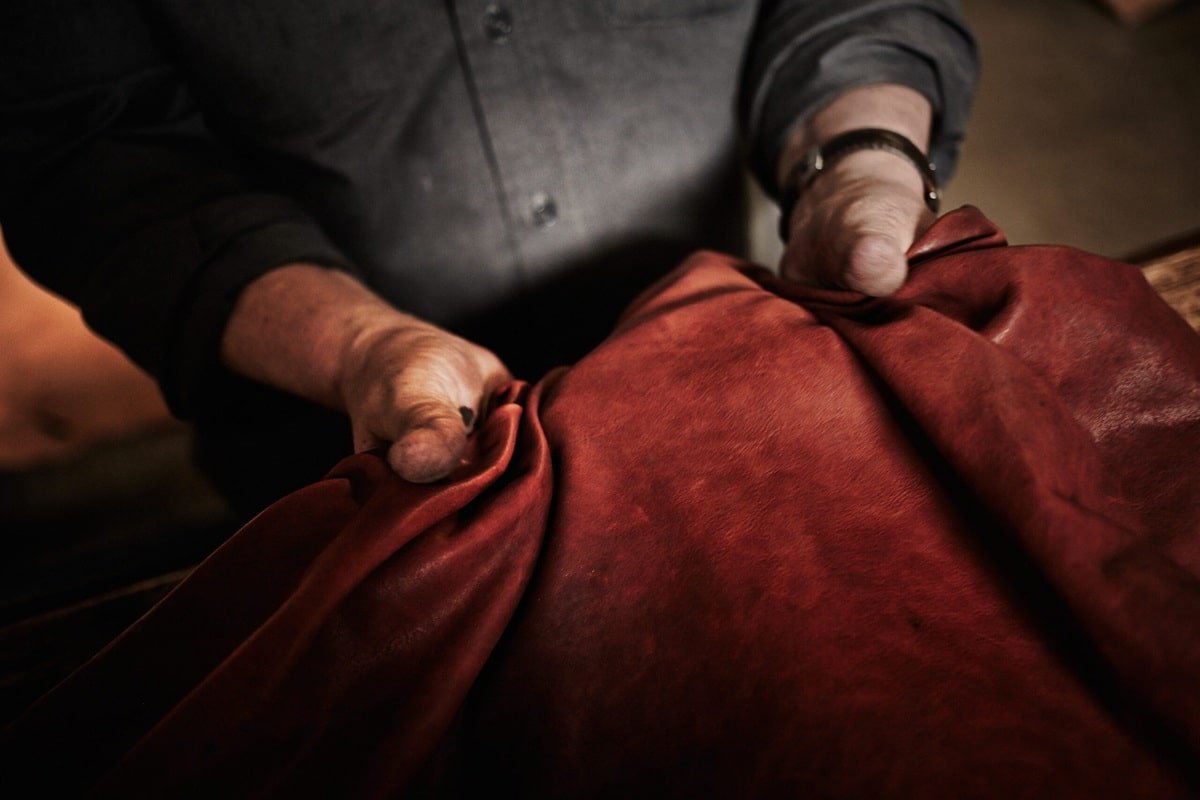
Not the storefronts in Milan or the catwalks in Paris — nah, I’m talking about the real places. The quiet little towns where the smell of tanned hides hangs in the air, where artisans pass down their craft like a family secret.
Italy’s leather game isn’t about one factory or one designer — it’s about a network of regions that have been perfecting this thing for centuries. Each one has its own flavor, its own attitude, its own way of turning raw hide into luxury.
So yeah, we’re going behind the scenes — past the Gucci boutiques and runway lights — and into the heart of Italy’s leather belt.
Let’s take a road trip from Tuscany to Veneto, with stops in Marche, Lombardy, and a few hidden gems along the way.
Welcome to the real Italy — the one that smells like oak bark, espresso, and fresh leather.
1. Tuscany — The Soul of Italian Leather
If Italian leather had a hometown, it’d be Tuscany.
Specifically, the area between Florence and Pisa, where a cluster of small towns — Santa Croce sull’Arno, Ponte a Egola, and San Miniato — form what’s basically the epicenter of global leathercraft.
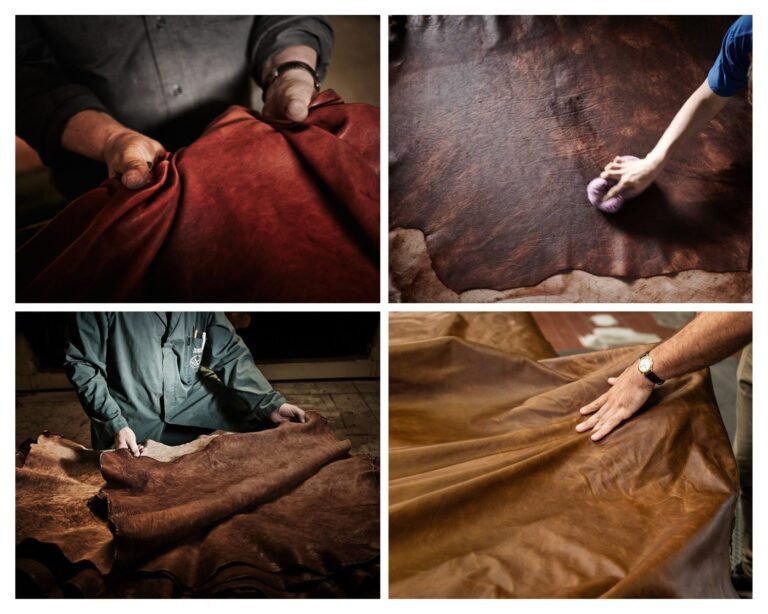
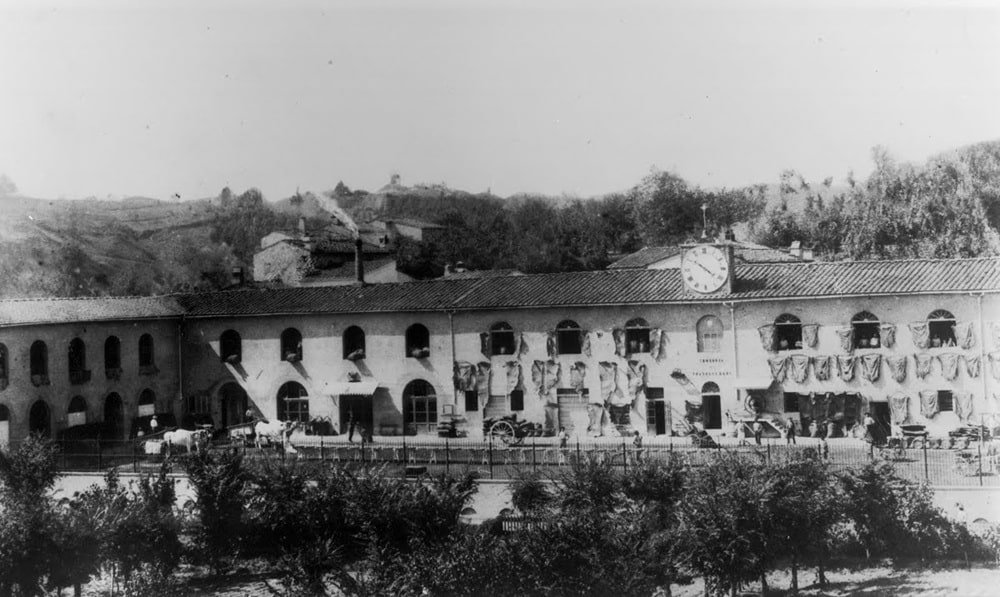
You’ve probably heard the name Santa Croce sull’Arno before — it’s legendary. This is where the Italian Vegetable Tanned Leather Consortium (Consorzio Vera Pelle Italiana Conciata al Vegetale) was born. And if that sounds fancy, that’s because it is. These are the guardians of the old way — tanning hides with tree bark, water, and patience, not chemicals and shortcuts.
What Makes Tuscan Leather Different
It’s all about vegetable tanning — the slow, natural process that gives leather its warm tones, deep aroma, and long life. The tanneries here are obsessed with doing things right, even if it takes months instead of days.
You’ve got names like:
- Conceria Walpier — known for Buttero leather (used by high-end brands worldwide).
- Badalassi Carlo — famous for Pueblo and Minerva leathers, loved for that matte texture and rustic vibe.
- Tempesti — masters of soft, richly colored hides that develop stunning patina.
The leather from here doesn’t just look good — it feels alive. It darkens, softens, and adapts to you over time.
That’s why so many artisan brands like Il Bisonte, Campomaggi, and The Bridge proudly source from Tuscany.
The Culture
In Tuscany, tanning isn’t just an industry — it’s a way of life.
Every family knows someone who works in a tannery. The local schools even offer leather courses. You’ll see tanners having lunch together in piazzas, comparing hides the way sommeliers talk about wine.
And that’s the best way to describe it — Tuscan leather is like fine wine. It takes time, love, and a touch of madness.
2. Veneto — The North’s Leather Powerhouse
Next stop: Veneto, in the northeast — home to Venice, Verona, and some of the most technologically advanced tanneries in the world.
While Tuscany is all about tradition, Veneto brings the innovation.
The region’s tanning hub is Arzignano, near Vicenza — responsible for nearly half of Italy’s total leather production. Yeah, you read that right. Half.
The Vibe
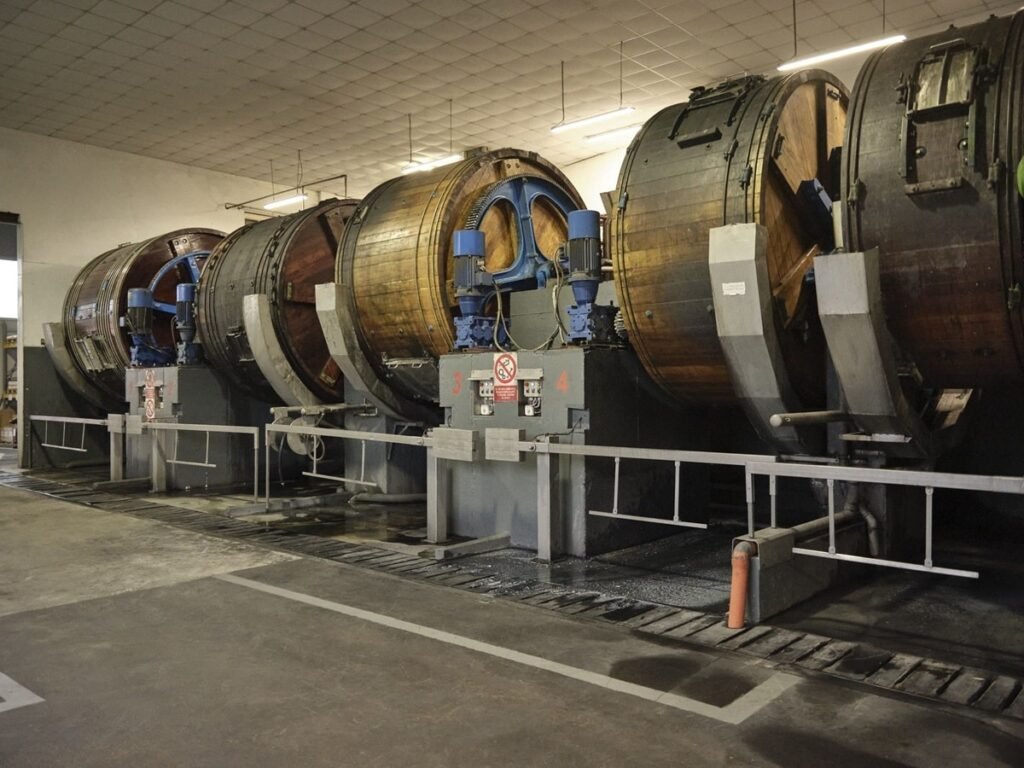
If Tuscany’s tanneries feel like Renaissance workshops, Veneto’s feel like science labs.
State-of-the-art facilities, strict sustainability standards, modern automation — this is where old-world knowledge meets high-tech precision.
What They Specialize In
Veneto tanneries focus on chrome tanning, which gives leather a softer, more uniform finish — perfect for high-end footwear, automotive interiors, and luxury fashion that needs flexibility and color consistency.
You’ll find names like:
- Gruppo Mastrotto — one of Italy’s largest leather producers, known for working with global brands.
- Rino Mastrotto Group — supplying both fashion and automotive industries with sustainable, top-tier hides.
- Conceria Montebello — famous for innovative finishes and luxury fashion leathers.
These guys work with brands like Prada, Valentino, Tod’s, and even some Ferrari interior suppliers. So yeah, Veneto leather’s got range.
The Tech Side
Veneto’s big strength is sustainability. Many tanneries here run closed-loop water systems, solar energy grids, and zero-waste production. They’ve turned tanning — a process that used to be heavy on the environment — into a clean, controlled art form.
The region even has its own Leather Research Center that helps small tanneries innovate with eco-friendly dyes and new materials.
Veneto might not have the romantic storytelling of Tuscany, but it’s the reason Italy can stay competitive with global luxury giants — quality meets efficiency.
3. Marche — The Hidden Gem for Footwear Leather
Drive southeast toward the Adriatic coast, and you’ll hit Marche — an underdog region that quietly powers Italy’s luxury footwear and accessory industry.
Marche doesn’t get as much hype as Tuscany or Veneto, but trust me, it’s got serious game. The towns of Tolentino, Montegranaro, and Sant’Elpidio a Mare are where Italian shoes are born.
This is where Tod’s, Santoni, Prada, and Hogan produce many of their leather masterpieces.
The Specialty
Marche is all about shoe leather — fine calfskin, nappa, and suede. The tanneries here know how to make leather that bends, breathes, and molds perfectly to your feet.
You’ve got family-run tanneries like:
- Conceria del Chienti — known for buttery-soft nappa used in luxury footwear.
- Conceria Stefania — specialists in natural, hand-finished shoe leather.
- Conceria Nuova Overlord — supplying high-fashion houses with dyed-to-order hides.
The Region’s Attitude
Marche’s leather scene is all about craftsmanship meets function.
It’s not as romantic as Tuscany or as polished as Veneto — but that’s what gives it grit. The people here have this “work hard, stay humble” vibe.
They might not brag, but they’re the reason your Ferragamos fit like a dream.
And it’s not just shoes — Marche also produces the leather linings, soles, and trims that luxury brands rely on. Basically, if it’s Italian and it fits perfectly, there’s a good chance Marche had a hand in it.
4. Lombardy — Where Luxury Gets Polished
Head up north toward Milan — fashion capital, business center, espresso heaven — and you hit Lombardy.
Now, Lombardy isn’t known for massive tanning districts like Tuscany or Veneto, but it’s crucial for refinement and finishing.
This region is where raw leather becomes runway-ready — where color correction, polishing, embossing, and testing reach their final stage before heading to the ateliers.
Key Cities
- Milan: Home base for many design studios and sample workshops that finalize collections for brands like Gucci, Versace, and Dolce & Gabbana.
- Varese & Como: Known for precision finishing and specialized coating techniques.
- Brescia: Some high-end shoe tanneries and small-batch artisans thrive here.
What Lombardy Does Best
Think of Lombardy as the stylist who takes the raw material and gives it a makeover — sleek, balanced, glossy, and fashion-forward.
This is also where eco-leather innovation labs have popped up, experimenting with plant-based tannins, recycled hides, and biodegradable coatings.
It’s where the future of Italian leather is being quietly built — blending Milanese design flair with old-school precision.
5. Campania & Beyond — The Southern Revival
Now, you might not think of southern Italy when you think of luxury leather, but places like Campania and Puglia are coming up fast.
Naples, for instance, has a rich history of tailoring and shoemaking, and some small tanneries near Caserta are bringing back traditional Neapolitan methods — hand-tanning hides in open-air pits, using olive oil and natural waxes.
Puglia, meanwhile, is home to a few young eco-tanneries focusing on vegetable tanning with local plants, tapping into the sustainable fashion wave.
It’s raw, small-scale, and full of passion — a nice contrast to the high-tech production up north.
These regions might not dominate the market, but they represent the next chapter — a revival of southern craftsmanship, powered by sustainability and creativity.
6. The Leather Ecosystem — Italy’s Secret Weapon
What makes Italy unbeatable in leather isn’t just the quality of one tannery — it’s the ecosystem.
Picture this:
A designer in Milan sketches a new bag. The sample gets prototyped in Marche. The leather is tanned in Tuscany, finished in Lombardy, and stitched together in Florence or Venice.
All within a few hundred kilometers.
That’s the magic. Italy’s small size and dense network of specialists mean that designers, tanners, and artisans are constantly collaborating.
Ideas move fast. Quality control stays tight.
And the result? Leather goods that no other country can replicate.
It’s like jazz — everyone’s got their own instrument, but together they make something that just hits different.
7. Sustainability: The Modern Italian Promise
Let’s talk green — because Italy’s leather industry has made serious moves in the last decade.
Tanneries in every major region — especially Veneto and Tuscany — have invested millions into:
- Closed-loop water systems (recycling up to 90% of water used in tanning).
- Renewable energy plants (solar, methane, hydro).
- Waste-to-energy initiatives (turning leftover scraps into biofuel).
The Italian Leather Federation (UNIC) also enforces some of the strictest environmental standards in the world, making “Made in Italy” not just a label of luxury, but also of responsibility.
So when you buy that Italian leather bag or jacket, you’re supporting an industry that’s learning to evolve — to balance beauty, durability, and sustainability.
8. From Tannery to Atelier — The Flow of Creation
After the hides are tanned, dyed, and finished in one of these regions, they’re shipped to luxury ateliers all over Italy — especially in Florence, Milan, and Marche.
That’s where fashion houses like Valentino, Bottega Veneta, and Salvatore Ferragamo take over, shaping the material into art.
Each step of that journey — from cowhide to catwalk — keeps Italian craftsmanship alive.
And because most of these artisans know each other (sometimes literally family), there’s this shared pride — a belief that every piece of Italian leather represents not just skill, but identity.
9. Why Regional Diversity Matters
Here’s something people overlook — Italy’s regional differences are its biggest strength.
Tuscany gives depth and heritage.
Veneto brings innovation and scale.
Marche provides comfort and fit.
Lombardy refines and polishes.
And the South? It’s the new frontier — full of heart and experimentation.
Together, they form the ultimate system — tradition + technology + soul.
No other country has that mix. Not France, not Spain, not even Japan.
That’s why when you touch an Italian leather good, you’re not just touching fashion — you’re touching a map of Italy itself.
10. Final Thoughts: Where the World’s Best Leather Still Lives
So yeah — when someone says “Italian leather,” they’re not just throwing buzzwords. They’re talking about places like Santa Croce sull’Arno or Arzignano, Tolentino or Varese — small towns that have built global reputations out of craftsmanship and pride.
These aren’t faceless factories. They’re communities built on calloused hands, quiet excellence, and a love of making things the right way.
The secret isn’t a single technique.
It’s the collective rhythm — north to south, old to new, hand to hand.
A national heartbeat made of bark, water, and leather.
So the next time you pick up that Italian leather bag or slip into those handmade loafers, take a second.
You’re holding a piece of Italy — and a story that began in a tannery, somewhere between the scent of oak and the hum of tradition.