Italian Leather Jackets: The Complete Guide to Italy’s Most Iconic Luxury Outerwear
For years, I bought leather jackets the way some men buy umbrellas – as disposable items, replaced every few seasons when the leather cracked, the lining tore, or the style felt dated. I owned a rack of jackets that looked good for exactly one year and then began their slow decline into unwearability. I assumed that all leather was created equal and that the $500 jacket from a mid‑tier brand was just as good as a $3,000 Italian one.
Then I spent an afternoon in a Tuscan tannery. I watched a master craftsman lower a hide into a vat of vegetable tannin, a process that would take 45 days to complete. He explained that the leather was full‑grain calfskin, sourced from a specific region of France, and that every imperfection – every wrinkle, every mark – was a sign of authenticity, not a defect. He handed me a finished jacket: soft as butter, impossibly light, yet substantial enough to last a lifetime.
This, he said, is not a jacket. It is a companion.
That was the moment I understood that Italian leather jackets are not fashion purchases. They are heirloom investments. This guide will teach you everything you need to know: the materials, the styles, the brands, and how to choose a jacket that will outlast you.
This section is part of our larger Italian Designer Clothing hub. Check it out for an overall picture.
Why Italy Dominates Luxury Leather Jackets
The Legacy of Italian Leather Craftsmanship
Italy’s dominance in leather goods is not accidental. It is the result of centuries of regional specialization. Florence and its surrounding towns have been centers of leather processing since the 13th century. The Arno river provided the water essential for tanning, and the city’s position on trade routes gave artisans access to the finest raw hides.
Today, the Tuscany region is home to the world’s most prestigious tanneries – many still family‑owned, some operating for five generations. These tanneries supply leather not only to Italian luxury houses but also to French and British brands that recognize Italy’s unmatched expertise.
Tuscany: The Heart of Italian Leather Production
The Santa Croce sull’Arno district is the epicenter of Italian leather tanning. Here, artisans use methods that have been refined over centuries. The vegetable‑tanning process – which uses natural tannins extracted from chestnut, mimosa, and quebracho trees – takes 40 to 60 days. Compare that to chrome tanning, which takes one day and produces leather that looks consistent but never develops character. Vegetable‑tanned leather breathes, softens, and develops a rich patina over time. It is the material of heirloom jackets.
The Difference Between Italian and Mass‑Market Leather Jackets
A mass‑market leather jacket uses corrected‑grain leather – the top layer of the hide is sanded away to remove imperfections, then embossed with an artificial grain pattern. The result looks uniform but wears poorly. Italian luxury jackets use full‑grain leather, which preserves the natural surface of the hide. You can see the grain, feel the texture, and watch it improve with age. The stitching is reinforced at stress points. The linings are breathable and durable. The hardware is solid brass or steel. These are not details; they are the difference between a jacket that lasts one year and a jacket that lasts one lifetime.
What Defines a True Italian Leather Jacket?
Premium Leather Selection
Italian leather jackets are crafted from the finest hides:
- Full‑grain calfskin – The highest quality. The natural grain is preserved, and the leather develops a beautiful patina. It is durable yet surprisingly soft.
- Lambskin – Exceptionally soft, light, and supple. Lambskin jackets drape beautifully but require more care. They are ideal for dressier, minimalist styles.
- Suede – The underside of the hide, brushed to create a velvety nap. Suede jackets are elegant and tactile but require protection from moisture.
- Nubuck – Top‑grain leather buffed to a soft, matte finish. More durable than suede but equally luxurious.
Construction and Tailoring
Italian leather jackets are cut and sewn with the same precision as a tailored suit. The pattern pieces are aligned to ensure that the grain flows consistently across the jacket. The seams are reinforced with a second row of stitching or, in the case of premium brands like Santoni, hand‑stitched. The lining is sewn in a way that prevents it from bunching or tearing. The zippers are from quality suppliers like Lampo or Riri – brands that also supply to luxury handbag houses.
Hand‑Finishing Techniques
Many Italian leather jackets receive hand‑finishing touches: edges burnished with wax, hardware attached by hand, and leather treated with natural oils to enhance its depth. These details are invisible from a distance but reveal themselves to the touch. A jacket that has been hand‑finished feels warmer, more alive.
Why Fit Matters More Than Branding
Italian tailoring philosophy emphasizes the relationship between garment and body. A leather jacket should fit snugly across the shoulders, with sleeves that end at the wrist bone and a hem that hits at the hip. The jacket should close without straining at the chest, and the armholes should be high enough to allow full range of motion. Fit is not negotiable; a poorly fitted jacket, regardless of brand or leather quality, will never look right.
The Major Types of Italian Leather Jackets
Biker Jackets
The biker jacket, or double rider, is the most iconic leather jacket silhouette. It features an asymmetrical zip front, snap‑down lapels, and often zippered pockets and sleeves. Italian versions retain the rebellious spirit but refine the proportions – the lapels are slightly smaller, the fit is slimmer, and the leather is softer. Prada and Gucci produce excellent biker jackets, with Prada leaning into minimalist luxury and Gucci embracing heritage detailing.
Best for: Statement dressing, evenings out, adding edge to simple outfits.
Bomber Jackets
The bomber jacket originated as military flight gear – a short, zip‑front jacket with ribbed cuffs and hem. Italian luxury bombers elevate the silhouette with premium suede or calfskin, minimalist hardware, and refined silhouettes. Zegna and Brunello Cucinelli excel here, producing bombers that are as comfortable as a sweater and as elegant as a blazer.
Best for: Casual luxury, travel, smart casual wardrobes.
Racer Jackets
The racer jacket is the minimalist‘s choice. It has a straight zip front, a simple standing collar, and no extraneous hardware. The silhouette is clean, almost architectural. Tod’s and Loro Piana produce exceptional racer jackets in ultra‑soft calfskin and lamb nappa. This is the most versatile style – it works with jeans, chinos, and even tailored trousers.
Best for: Everyday wear, office‑casual, capsule wardrobes.
Suede Jackets
Suede jackets offer a softer, more refined luxury. The shaggy texture adds depth to neutral outfits, and the material is lighter than smooth leather. Suede bomber and field jackets are especially popular. Brunello Cucinelli is the master of suede outerwear, using vegetable‑tanned hides dyed in earthy tones.
Best for: Autumn and spring, refined casual looks, quiet luxury styling.
Field and Utility Jackets
Field jackets combine the durability of leather with the functionality of military outerwear. They feature multiple pockets, a button or zip front, and a relaxed fit. Zegna and Prada have produced excellent field jackets in waxed calfskin and suede.
Best for: Travel, layering over knitwear, weekend wear.
Leather Overshirts and Shirt Jackets
The newest category in Italian leather outerwear is the leather overshirt – a lightweight, unlined jacket that fits like a shirt. It is designed to be worn over a t‑shirt or knitwear, adding a layer of texture without the weight of a full jacket. Tod’s and Zegna lead this category.
Best for: Modern styling, transitional seasons, layering.
The Best Italian Leather Jacket Brands
Tod’s
Tod’s brings the same understated elegance to leather jackets that it brings to its Gommino driving shoes. The brand uses full‑grain calfskin from Tuscan tanneries and constructs jackets with the soft, supple feel that Tod‘s customers expect. Styles are minimalist – racer jackets, bombers, and overshirts in black, brown, and tan. Prices range from $2,500 to $4,500.
Prada
Prada’s leather jackets are architectural, intellectual, and slightly avant‑garde. The brand uses technical leathers, unusual silhouettes, and unexpected details. A Prada biker jacket might have hidden pockets, a detachable collar, or a glossy finish. Prices range from $3,500 to $6,000.
Gucci
Gucci leather jackets are bold, heritage‑inspired, and fashion‑forward. You will find embroidered patches, horsebit hardware, and the Web stripe on some styles. Gucci also produces more understated jackets in smooth calfskin. Prices range from $3,000 to $5,500.
Zegna
Zegna’s leather jackets reflect the brand‘s tailoring heritage. The cuts are precise, the leathers are exceptional, and the details are minimal. Zegna’s suede bomber is a quiet luxury icon. Prices range from $2,800 to $4,800.
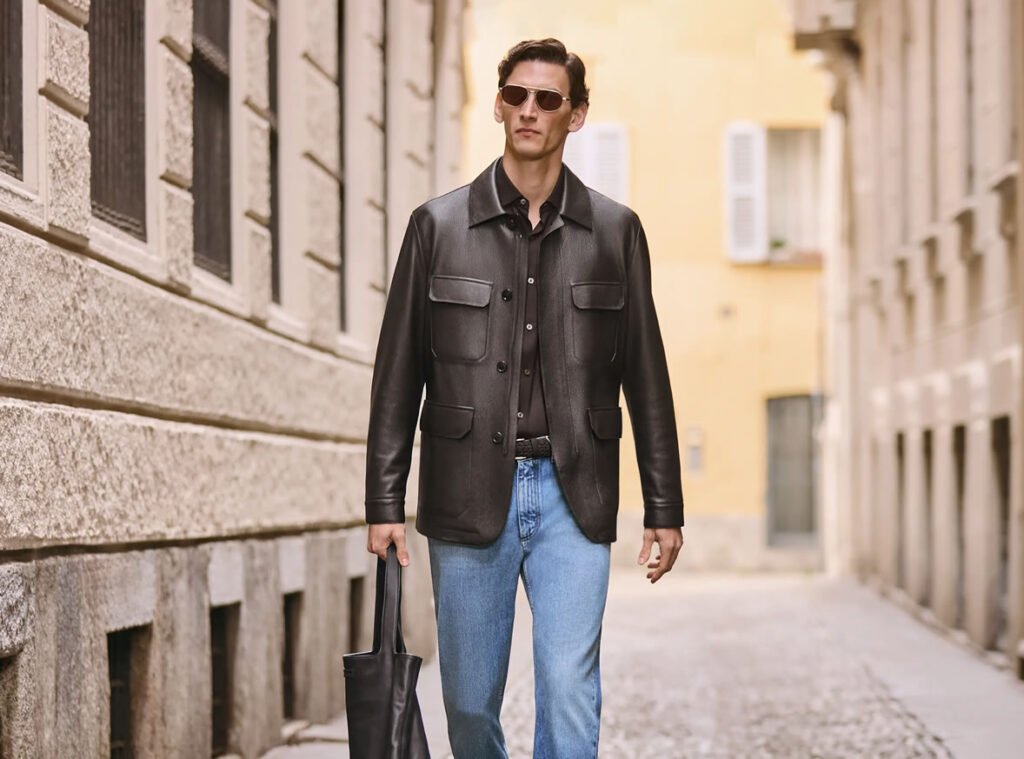
Brunello Cucinelli
Brunello Cucinelli leather jackets are the definition of rustic luxury. The brand uses vegetable‑tanned hides in earthy tones – tobacco, taupe, forest green – and finishes them with hand‑burnished edges. The jackets are unlined or lightly lined, emphasizing the natural feel of the leather. Prices range from $4,000 to $7,000.
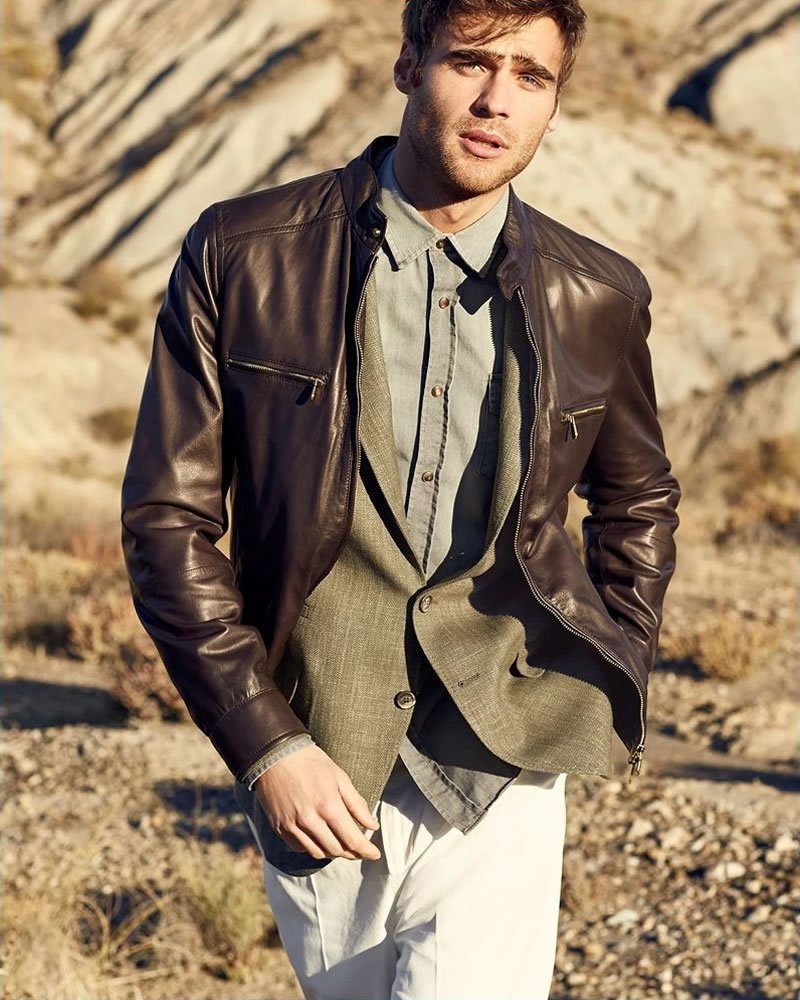
Salvatore Ferragamo
Ferragamo’s leather jackets are refined, timeless, and impeccably constructed. The brand uses full‑grain calfskin and classic silhouettes – racer jackets, bombers, and field jackets. Prices range from $2,800 to $5,000.
Popular Italian Leather Jacket Styles
| Style | Best For | Versatility | Durability | Formality |
|---|---|---|---|---|
| Biker Jacket | Statement dressing | Medium | Very High | Low |
| Bomber Jacket | Casual luxury | High | High | Medium |
| Racer Jacket | Everyday wear | Very High | High | Medium |
| Suede Jacket | Refined casual looks | High | Medium | High |
| Field Jacket | Travel and layering | High | Very High | Medium |
| Leather Overshirt | Modern styling | High | Medium | Medium |
Original Perspective: What Most Buyers Get Wrong About Leather Jackets
The Biggest Myth: Thicker Leather Is Always Better
Many buyers assume that a heavy, thick leather jacket is higher quality. In reality, the best Italian jackets use full‑grain calfskin or lambskin that is strong yet supple. Premium lambskin is actually thinner than lower‑grade cowhide – but it is also more durable because it has not been corrected or sanded. A thick, stiff jacket is often a sign of cheaper leather that has been heavily treated. The most expensive leather jackets feel like a second skin.
Why Brand Names Matter Less Than Leather Quality
A Gucci leather jacket with a $4,000 price tag is beautiful. But a $3,000 jacket from a brand like Valstar or Santoni – houses that specialize in leather – may use better hides and more precise construction. Do not pay for logos; pay for the leather. A full‑grain vegetable‑tanned calfskin jacket will outlast any trend‑driven design.
The Hidden Cost of Poor Fit
A $5,000 jacket that does not fit is worth $0. Italian leather jackets are designed for a tailored fit. If the shoulders are too wide, the sleeves too long, or the chest too tight, the jacket will never look right. Buy from retailers with generous return policies, and be prepared to visit a tailor. A sleeve shortened by one inch can transform a jacket.
Why Most Luxury Buyers Purchase the Wrong First Jacket
Beginners buy the biker jacket. It is iconic, it is cool, and it is the jacket they have seen in movies. But a black biker jacket is also the least versatile – it is aggressive, formal, and difficult to wear with tailored clothing. A first leather jacket should be a racer or a bomber in a neutral colour (black, brown, or tan). These styles work with jeans, chinos, and even suits. Buy the statement piece second.
How to Choose the Right Italian Leather Jacket
For First‑Time Buyers
Start with a racer jacket or a minimalist bomber. Look for full‑grain calfskin or lamb nappa in black or dark brown. Avoid heavy hardware, bright colours, and embellishments. Tod‘s and Zegna offer excellent entry points.
For Quiet Luxury Enthusiasts
Choose suede or smooth calfskin in neutral, earthy tones – tobacco, taupe, olive. Look for jackets from Brunello Cucinelli or Loro Piana. Details should be minimal: no visible zippers, no logos, no extraneous seams.
For Fashion‑Oriented Buyers
Biker jackets from Prada or Gucci. Oversized silhouettes from emerging Italian brands. Embellished or printed leather from runway collections. These are statement pieces; they will not be timeless, but they will be memorable.
For Long‑Term Value
- Neutral colours: Black, dark brown, tan.
- Classic cuts: Racer, bomber, or field jacket.
- Premium materials: Full‑grain calfskin or suede from a reputable tannery.
- Trusted brands: Zegna, Tod‘s, Santoni.
Styling Italian Leather Jackets
Casual Luxury Styling
Pair a racer jacket with dark denim, a cashmere crewneck, and leather sneakers. The jacket adds texture and edge without overwhelming the outfit.
Smart Casual Styling
Layer a suede bomber over a fine‑gauge knit, tailored chinos, and suede loafers. This is the uniform of Italian effortless elegance.
Business Casual Applications
A black calfskin racer jacket can be worn over a dress shirt and tailored trousers. Choose a slim, minimalist design without hardware. The jacket becomes a modern alternative to a blazer.
Travel Wardrobe Integration
A leather field jacket or bomber is the ultimate travel companion. It packs flat, resists wrinkles, and works with everything from jeans to joggers. Choose a neutral colour and wear it on the plane.
Investment Value: Are Italian Leather Jackets Worth the Price?
Cost‑Per‑Year Analysis
A $3,500 Italian leather jacket worn 50 days per year for 20 years costs $3.50 per wear. A $500 mass‑market jacket worn for two years costs $5 per wear – and the Italian jacket will still be beautiful.
Longevity Expectations
A Goodyear‑welded leather jacket? No, leather jackets are not Goodyear‑welded. But a full‑grain calfskin jacket, properly cared for, can last 20 to 30 years. The leather will soften, darken, and develop a patina. The hardware may need replacement, but a good tailor can handle that.
Resale and Collector Interest
Limited‑edition leather jackets from Prada, Gucci, and Zegna hold value on the secondary market. However, the resale market for leather outerwear is less robust than for handbags. Buy a leather jacket to wear, not to flip.
The Wardrobe Investment Perspective
A leather jacket is often a smarter purchase than a trend‑driven handbag or a pair of hype sneakers. It will be worn more frequently, last longer, and cost less per use. For the quiet luxury enthusiast, a single, exceptional leather jacket is worth more than a closet of fast‑fashion imitations.
Care and Maintenance Guide
Storage Best Practices
- Use a wide, padded hanger to maintain shoulder shape.
- Store in a cool, dry closet away from direct sunlight.
- Cover with a breathable garment bag – never plastic.
- Do not fold a leather jacket; folding creates permanent creases.
Cleaning and Conditioning
- Wipe with a soft, damp cloth after each wear.
- For deeper cleaning, use a leather cleaner specific to the finish (smooth, suede, nubuck).
- Condition smooth leather every 6‑12 months to prevent drying and cracking.
- Suede requires a suede brush and protective spray; never use conditioner.
Handling Moisture and Weather
- If caught in rain, blot (do not rub) with a dry cloth.
- Let the jacket dry naturally away from heat sources.
- For salt stains, use a mixture of water and white vinegar (1:3 ratio) on a cloth – test first.
- Apply a waterproofing spray to suede and nubuck before first wear.
Professional Restoration
A skilled leather specialist can replace linings, repair tears, and re‑dye faded areas. For high‑end jackets, contact the brand or a trusted artisan. Do not take a $4,000 jacket to a local dry cleaner.
The Future of Italian Leather Jackets
Sustainable Leather Production
Italian tanneries are leading the shift toward sustainable practices. Vegetable‑tanning is inherently more eco‑friendly than chrome tanning. Traceability programs, such as Zegna‘s Oasi Cashmere for leather, allow buyers to verify the origin of their hides. In 2026, several brands have introduced bio‑based leathers and recycled materials, though full‑grain calfskin remains the gold standard.
Luxury Consumer Trends
The quiet luxury movement has accelerated demand for timeless, logo‑free leather jackets. Buyers are rejecting fast‑fashion trends and investing in pieces that will serve them for decades. This shift benefits Italian brands that have always prioritized quality over hype.
Why Leather Jackets Remain Relevant
Leather jackets have survived every fashion cycle – from 1950s rebels to 1980s punks to 2026 quiet luxury minimalists. The appeal is primal: leather protects, it ages, it tells a story. A well‑worn leather jacket is one of the most beautiful objects a person can own.
Frequently Asked Questions About Italian Leather Jackets
What makes Italian leather jackets better than other luxury jackets?
Italian leather jackets use full‑grain, vegetable‑tanned hides from the world‘s best tanneries. They are cut, sewn, and finished by artisans who have spent decades mastering their craft. The result is a jacket that fits better, lasts longer, and ages more beautifully than any competitor.
Which Italian brand makes the best leather jackets?
Tod’s and Zegna offer the best balance of quality and value. Brunello Cucinelli is the leader in suede and rustic luxury. Prada and Gucci are best for fashion‑forward designs.
Is lambskin better than calfskin?
Lambskin is softer and lighter; calfskin is more durable and holds its shape better. Choose lambskin for a drapey, elegant jacket; choose calfskin for a jacket that will withstand years of daily wear.
How long should a luxury leather jacket last?
With proper care, 20 to 30 years. The leather will soften and develop patina, but the structure should remain intact.
Are Italian leather jackets worth the investment?
Yes, if you buy a classic style in premium leather and take care of it. The cost per year is lower than that of cheap jackets replaced every few seasons.
What is the most versatile leather jacket style?
The racer jacket (straight zip, minimal hardware) or a minimalist bomber. Both work with jeans, chinos, and tailored trousers.
Can leather jackets be repaired or restored?
Yes. A skilled leather specialist can replace linings, fix tears, re‑stitch seams, and re‑dye faded areas. Always use a professional, not a local tailor.
Which color should I buy first?
Black or dark brown. These are the most versatile and age most gracefully. Add tan or olive as a second jacket.
Conclusion
Italian leather jackets are not fashion purchases. They are companions for life. The vegetable‑tanned calfskin will darken with the sun. The seams will loosen just enough to move with you. The hardware will develop a patina that no factory finish can replicate. You are not buying a jacket; you are beginning a relationship.
Start with a classic style – racer or bomber – in a neutral colour. Invest in full‑grain leather from a trusted brand. Care for it properly. Wear it often. And twenty years from now, when you run your hand over the softened leather and feel the warmth of decades of use, you will understand why Italian leather jackets are the gold standard.
You can go deeper by looking into our Italian leather jacket brands known for durability article
Explore more Italian designer clothing: Italian Cashmere | Italian Suits | Italian Outerwear | Italian Knitwear | Italian Luxury Basics