Italian Leather Craftsmanship: From Tannery to Timeless Luxury
Italy has long been synonymous with luxury leather. From buttery-soft handbags to finely crafted gloves and shoes, Italian leather is revered worldwide for its quality, durability, and style. But behind every piece lies centuries of tradition, careful sourcing, and meticulous craftsmanship. This hub is your ultimate guide to Italian leather, its production, regions, and the finest products, linking to in-depth articles and providing context for every enthusiast, collector, or style-conscious shopper.
Whether you’re curious about the tanneries, techniques, or final luxury pieces, this hub will guide you through the journey of Italian leather — from raw hides to iconic fashion items.
The Legacy of Italian Leather
Italian leather isn’t just a material — it’s a tradition. Dating back to the Middle Ages, Italian artisans mastered the art of tanning and finishing leather, combining heritage techniques with cutting-edge innovation. Cities like Florence, Milan, and Vicenza became centers of excellence, producing leather for both domestic use and international markets.
Italian leather stands out because of three key elements:
- Material quality – Italy sources some of the finest raw hides in the world, including cowhide, calfskin, and exotic leathers.
- Artisanal techniques – Hand-stitching, vegetable tanning, and natural finishing ensure durability and a luxurious hand-feel.
- Timeless design – Italian leather goods emphasize aesthetics and practicality, making them classics in wardrobes worldwide.
This combination of material, technique, and design explains why Italian leather is so sought-after and why brands like Gucci, Prada, Loro Piana, and Fendi use Italian hides for their most prestigious pieces.
How Italian Leather Is Made
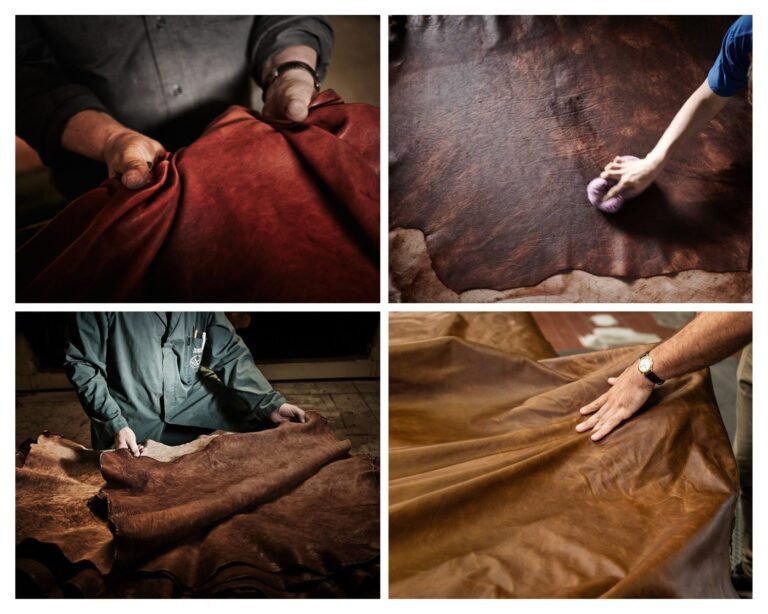
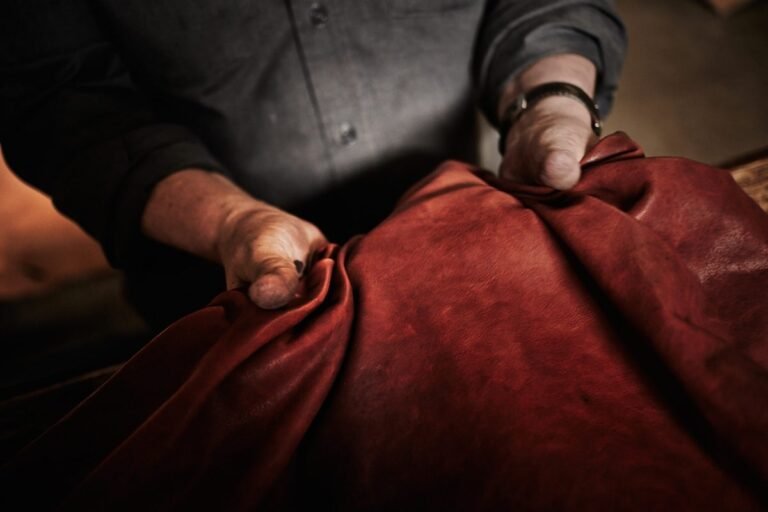
To truly appreciate Italian leather, it’s essential to understand how it’s made. The journey begins with raw hides, which are carefully selected for quality and durability. You can explore the full process in our detailed guide From Tannery to Runway: How Italian Leather Is Made, but here’s an overview:
- Selection of Raw Hides – Italian tanneries source hides from all over the world, favoring young, healthy animals for uniform texture.
- Tanning – Traditionally, vegetable tanning is used, employing natural tannins from tree bark. This method preserves the hide’s integrity, giving it strength, flexibility, and a luxurious finish.
- Dyeing and Finishing – Artisans hand-dye the leather and apply finishing techniques to achieve the desired color, softness, and durability. Some leathers are waxed or polished for additional sheen.
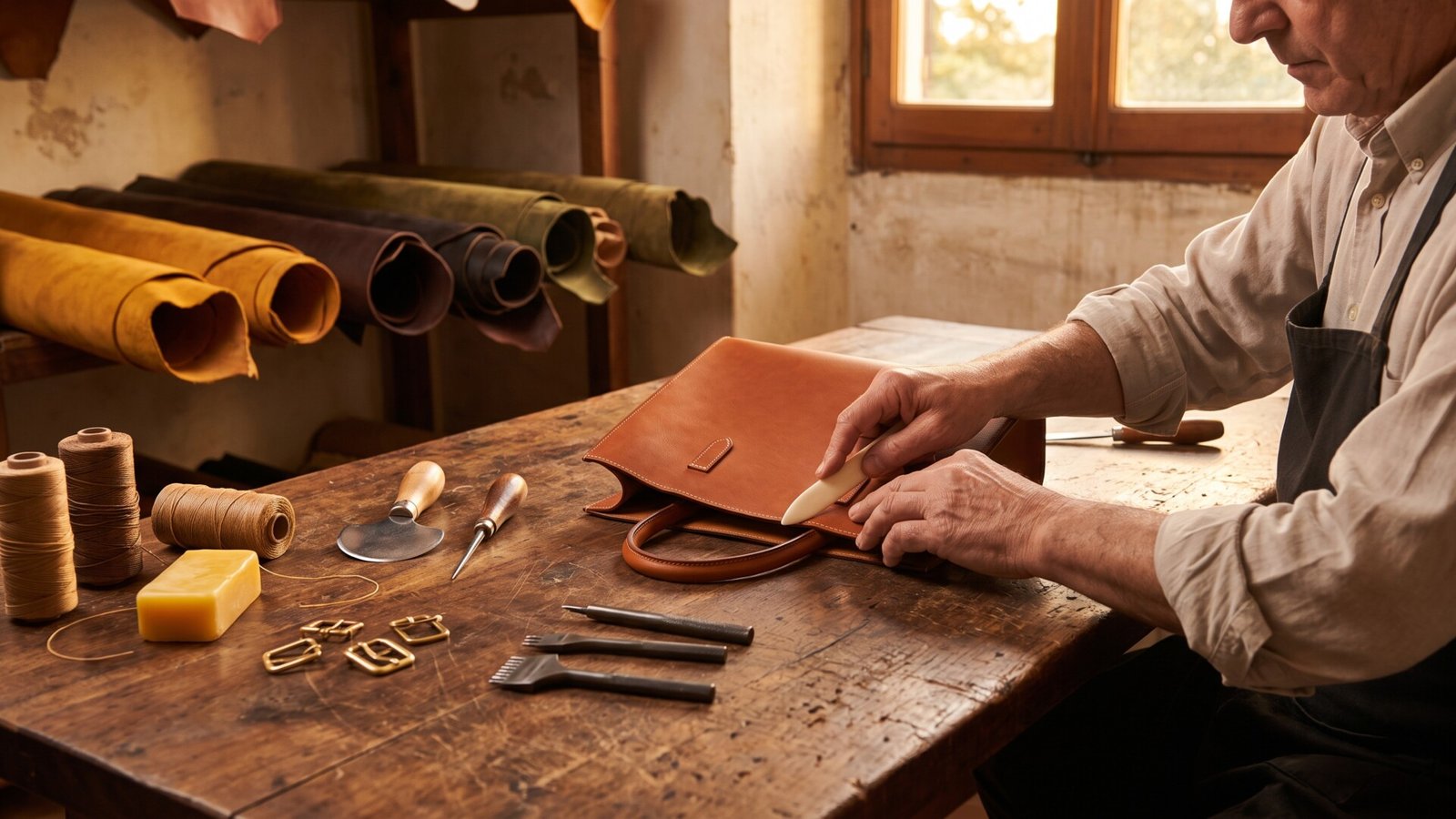
- Cutting and Stitching – Skilled craftsmen cut and stitch each piece, often by hand, ensuring precision and longevity.
This careful production process ensures that every Italian leather product is durable, functional, and beautiful, which is why these goods often last decades when properly maintained.
Italian Tannery Regions
Certain regions in Italy are famous for producing the world’s best leather. These areas combine access to quality raw materials, centuries of craftsmanship, and specialized facilities. Our article The Italian Tannery Regions: Where the World’s Best Leather Comes From dives into this in detail, but here’s a snapshot:
- Tuscany – Known for vegetable-tanned leather and artisan workshops in Florence and surrounding towns. Tuscany leather is prized for softness and longevity, often used in handbags, shoes, and belts.
- Veneto – Specializes in high-quality calfskin and embossed leather, often used in luxury footwear and handbags.
- Emilia-Romagna – Famous for fine glove leather and small leather goods. Cities like Bologna and Modena host workshops producing gloves, wallets, and belts with exceptional precision.
- Campania – Naples and nearby towns are known for traditional leather techniques, often used in footwear and heritage bags.
Knowing the origin of your leather can help you understand quality, value, and durability, and adds another layer of appreciation for Italian craftsmanship.
Caring for Italian Leather
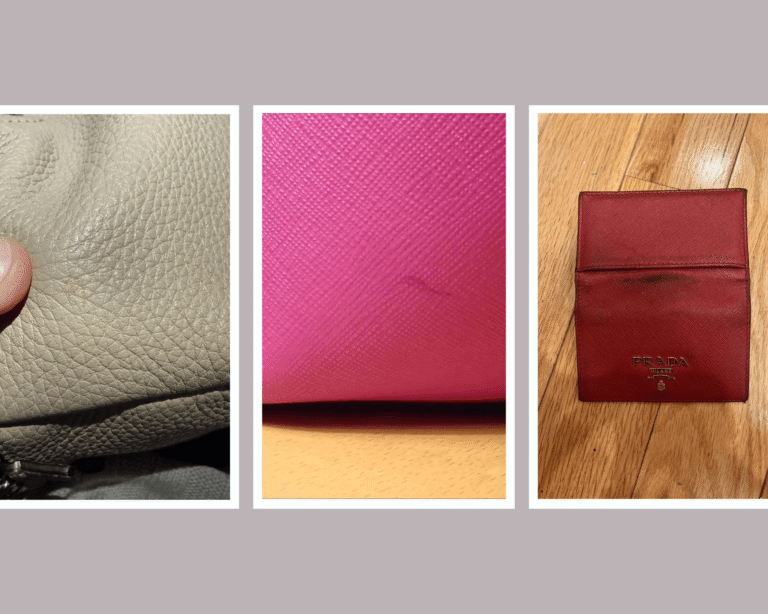
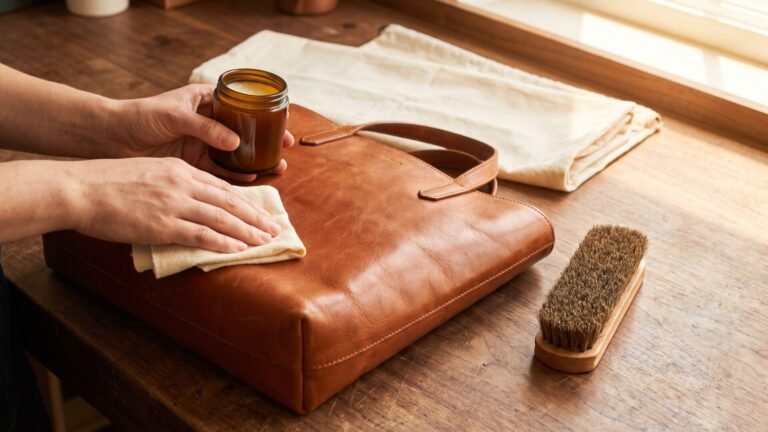
Even the finest Italian leather requires proper care to maintain its beauty and longevity. Regular maintenance preserves softness, color, and structural integrity. For a full guide, see How to Care for Italian Leather Goods (The Right Way). Key tips include:
- Clean Gently – Use a soft cloth and mild leather cleaner. Avoid harsh chemicals that can damage the hide.
- Condition Regularly – Apply a quality leather conditioner to prevent drying and cracking.
- Store Properly – Keep handbags, shoes, and jackets in dust bags or boxes, away from direct sunlight or moisture.
- Protect from Water – Italian leather is sensitive to water; use protective sprays for suede or untreated leathers.
With proper care, Italian leather items age gracefully, often developing a beautiful patina that adds character and uniqueness.
Italian Leather Handbags
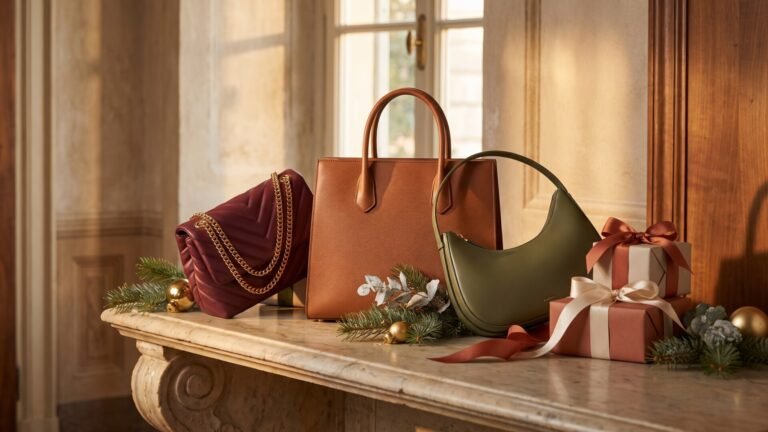
Handbags are often the most visible and collectible Italian leather products. From classic totes to luxury crossbodies, Italian handbags combine functionality with artistry. Our guide Best Italian Handbags for the Holidays highlights standout pieces, but here’s an overview:
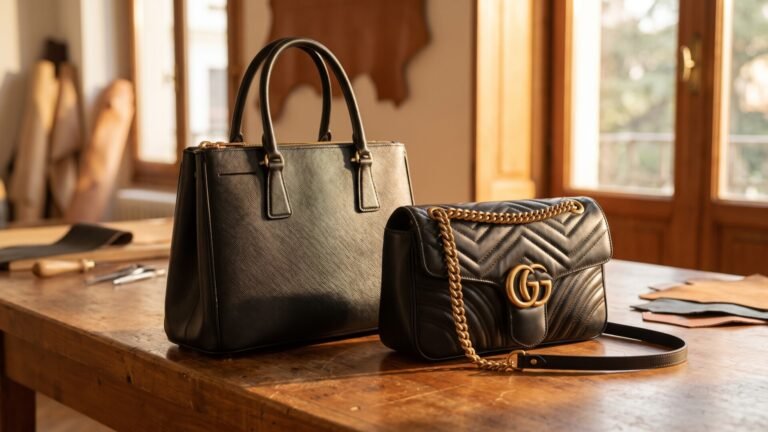
- Luxury Brands – Gucci, Prada, Fendi, and Bottega Veneta produce leather handbags that are both investment pieces and fashion statements.
- Materials – From buttery calfskin to textured Saffiano leather, quality is paramount.
- Styles – Italian handbags range from structured satchels to soft, casual shoulder bags, offering options for every occasion and aesthetic.
Handbags represent the intersection of craftsmanship, fashion, and utility, making them a cornerstone of Italian leather culture.
Italian Leather for Accessories
Beyond handbags, shoes, and gloves, Italian leather appears in countless accessories: belts, wallets, cardholders, watch straps, and more. Each piece reflects the same care and artistry applied to larger items, ensuring consistency in quality across every product category.
- Belts – Smooth or textured leather, often featuring artisan buckles.
- Wallets & Cardholders – Compact, functional, and built to last decades.
- Small Leather Goods – Key holders, coin purses, and tech cases crafted with precision.
Italian leather accessories often serve as entry points into luxury for many buyers, combining everyday utility with timeless style.
Looking for high-quality Italian leather without breaking the bank? Check out Best Affordable Italian Leather Gloves for Men for stylish, durable gloves that combine craftsmanship, comfort, and value.
Italian Leather in Fashion Design
Italian leather is not just about raw materials — it’s also a critical element of fashion design. Designers carefully select hides, finishes, and colors to complement their seasonal collections. Iconic Italian brands like Prada, Gucci, and Loro Piana showcase how leather becomes both a canvas and a statement:
- Structured bags highlight the leather’s firmness and texture.
- Shoes show off its flexibility and finish.
- Jackets, gloves, and belts emphasize craftsmanship and durability.
Through design, Italian leather transforms from raw material to wearable art, reflecting both tradition and modern innovation.
Italian Leather: Investment & Collectibility
High-quality Italian leather pieces are often investment-worthy. Limited editions, iconic designs, and rare materials can increase in value over time. Collectors pay attention to:
- Brand and provenance
- Material quality and finish
- Historical or seasonal significance
Items like luxury handbags or handcrafted shoes are not just fashion items — they are tangible expressions of Italian craftsmanship that retain value and style across decades.
Future of Italian Leather
Italian leather craftsmanship continues to evolve. Trends include:
- Sustainable leather – Ethical sourcing, recycled materials, and environmentally-conscious tanning processes.
- Technological integration – Improved finishing techniques and innovative textures.
- Global influence – Italian leather maintains relevance in both high-fashion and everyday luxury.
These developments ensure that Italian leather remains both timeless and contemporary, blending heritage with innovation.
Final Thoughts
Italian leather craftsmanship is a marriage of tradition, artistry, and modern luxury. From raw hides to iconic handbags, shoes, and accessories, each product tells a story of heritage, skill, and style. Whether you’re a collector, fashion enthusiast, or first-time buyer, this hub provides a complete overview of why Italian leather remains the gold standard in luxury.
Explore our linked articles to learn more about how to care for leather, where it comes from, and which products stand out. Italian leather is not just a material — it’s a way of life, a symbol of refinement, and a testament to centuries of Italian mastery.