Dolce & Gabbana ‘Sicily’ Bag: Is the 2026 Hand-Painted Series Worth $5,000?
For years, I admired the Dolce & Gabbana Sicily bag from a respectful distance. The structured trapezoidal silhouette, the polished brass hardware, the unmistakable Mediterranean soul—it was beautiful, undeniably. But it never made my personal wish list. I told myself it was too formal, too “ladylike,” too much of a statement piece for a wardrobe built on quiet neutrals and soft tailoring.
Then I saw the 2026 hand‑painted series.
Florals in deep crimson and cobalt blue, winding across buttery calfskin like tiles from a Sicilian cathedral. Baroque motifs rendered in gold leaf. Landscapes so detailed they could have been lifted from a Caravaggio. Each bag was different. Each bag was alive.
I stood in the boutique for what felt like an hour, turning one over in my hands, tracing the brushstrokes with my fingertips. The price tag read $4,992 (approximately €4,500–€5,000). I felt the familiar sting of sticker shock. And then I felt something else: the slow, certain realization that I was looking at wearable art, not just another handbag.
This article breaks down everything you need to know about the 2026 hand‑painted Sicily series: its design evolution, the craftsmanship that justifies the price, how it stacks up against other luxury icons, and—most importantly—whether it belongs in your wardrobe or your investment portfolio.
The History of the Dolce & Gabbana Sicily Bag
The Sicily bag is not merely a handbag. It is a love letter to an island.
The silhouette first appeared in the Spring/Summer 2009 collection, originally named the Miss Sicily, later reimagined as the My Sicily. The design was a tribute to Domenico Dolce’s Mediterranean roots and the women who shaped him—the strong, austere, elegant Southern Italian women whose presence is etched into the bag’s sophisticated geometry.
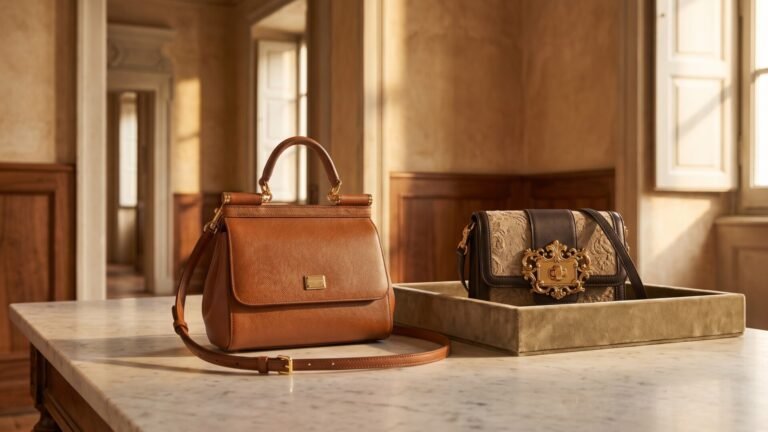
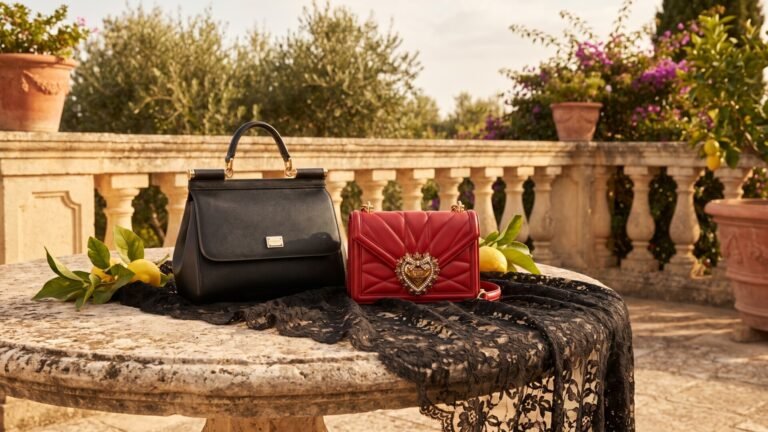
The structure is instantly recognizable: a rigid, trapezoidal shape with a flat bottom and a short top handle, secured by a flap with a concealed magnetic closure. It is compact yet roomy, feminine but never fussy. Over the years, the Sicily has been reinterpreted in countless iterations—seasonal colourways, new materials, embroidered embellishments, crochet versions that nod directly to Sicilian craft traditions.
The crochet version, in particular, is a direct nod to “the Sicilian craft tradition that Domenico Dolce grew up around, lace, embroidery and handwork as heritage, not decoration”.
In 2019, for its 10th anniversary, Dolce & Gabbana introduced the Sicily 58 and Sicily 62—named after the designers’ birth years—featuring an external flap, a back pocket, and a more spacious, shopper‑inspired structure. In 2020, the My Sicily was reimagined in Plongé Luxe leather, known for its softness and rich depth of colour. And in 2026, Dolce & Gabbana took perhaps its most ambitious step yet: the hand‑painted series.
What Is the 2026 Hand-Painted Sicily Series?
The 2026 hand‑painted Sicily series is not a collection in the traditional sense. It is a celebration of the artisan’s hand.
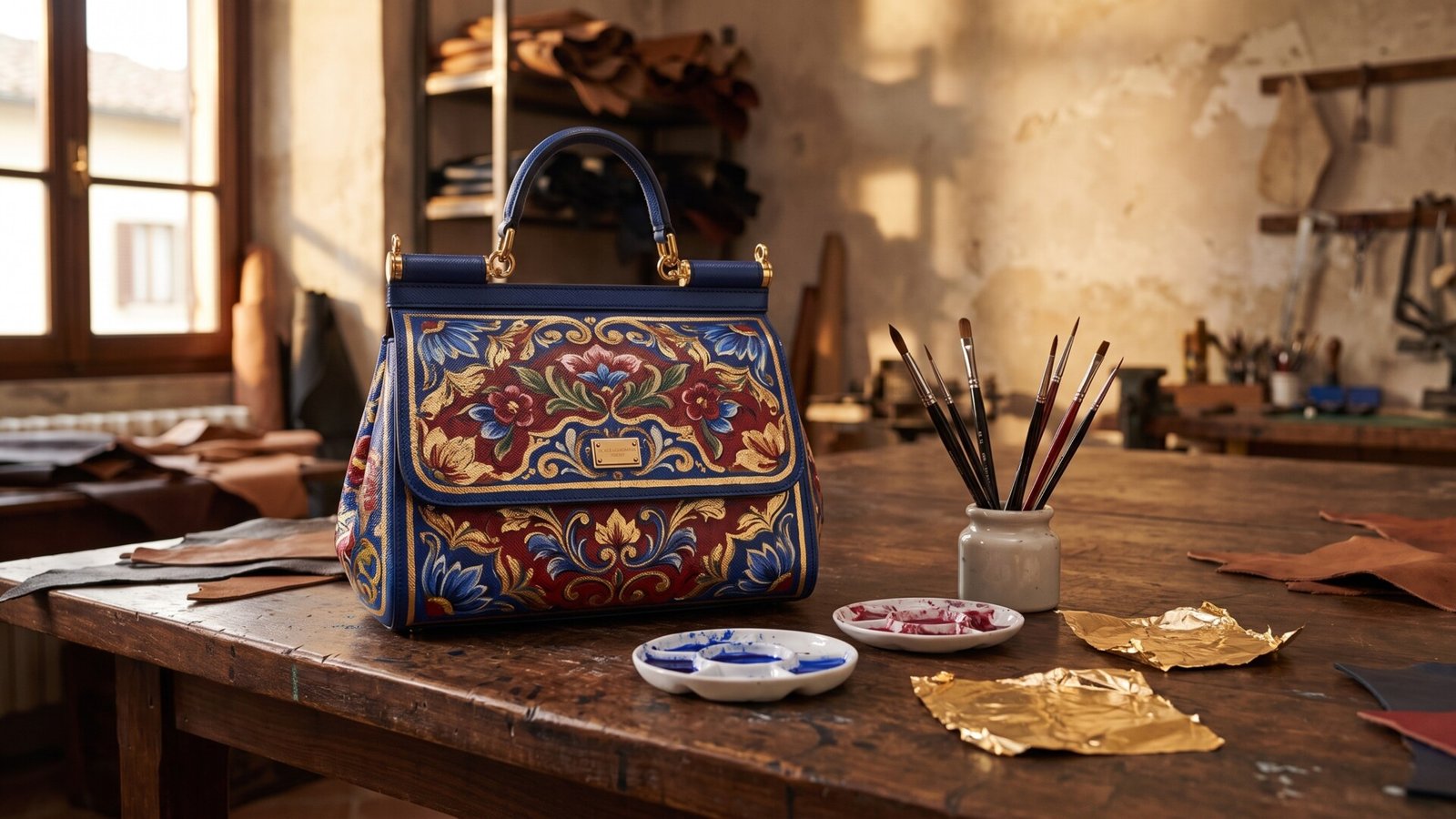
Each bag is painted individually—no two are identical. The motifs draw from the island’s visual vocabulary: lush florals, baroque ornamentation, mythological scenes, landscapes of hills and sea. The pigments are applied layer by layer, building depth and texture in a process that takes skilled artisans days to complete on a single piece.
The base is the classic Sicily structure: premium calfskin leather, including the signature Dauphine finish, polished brass hardware and the signature logo tag. The bag features a detachable shoulder strap, a secure magnetic flap closure, and a spacious interior lined in Dolce & Gabbana’s signature printed fabric. But the exterior is what transforms it from a luxury accessory into a collectible objet.
This is Dolce & Gabbana leaning fully into “art luxury” positioning. In the house’s Fall/Winter 2026/27 “Identity” collection, the My Sicily bag was described as showcasing “the warmth and value of traditional craftsmanship”, positioned alongside soft nappa leather and exotic skins as part of a broader celebration of artisanal heritage.
Why the 2026 Sicily Bag Is So Expensive
At approximately $4,992 (€4,500–€5,000), the hand‑painted Sicily bag sits at the top end of Dolce & Gabbana’s accessory pricing. For context, a standard Sicily medium tote in smooth calfskin retails for approximately £2,900 or about 3,600, while a crochet limited edition has an estimated retail of €1,100. That means the hand‑painted series commands a premium of $1,400 or more over already luxury pricing.
Several factors justify that premium.
Labor‑intensive craftsmanship is the most obvious. Hand‑painting leather is not like painting a canvas. The hide must be prepared, primed, and treated to accept pigment without cracking or bleeding. Each colour layer requires drying time. The artist must work with the natural grain and movement of the leather. Mistakes cannot be erased; they must be incorporated or the piece must be discarded. This is not scalable production. This is artisan time, measured in days, not hours.
Exclusivity follows directly from that. The hand‑painted series is produced in extremely small batches—likely no more than a few dozen pieces per motif. Unlike standard leather Sicilys, which are produced in larger quantities and can be found across multiple retailers, these are boutique exclusives. Scarcity is built into the business model.
Brand positioning also plays a role. Dolce & Gabbana is shifting toward a more overtly artistic, collectible identity. The brand has always been more expressive than Prada or Bottega Veneta—”More expressive than Prada or Bottega, which is exactly the point for summer occasions,” as one 2026 trend report put it. The hand‑painted series is the logical endpoint of that philosophy: luxury as wearable art.
Design Breakdown: What You Actually Get for $5,000
Let me be specific about what is inside that price tag.
The structure is the classic Sicily silhouette—structured, trapezoidal, with a short top handle and a detachable, adjustable shoulder strap. It is feminine but not fragile; the calfskin leather is substantial enough to hold its shape for decades. The interior is lined with Dolce & Gabbana’s signature printed fabric and includes a zippered pocket and a dedicated mobile phone pocket.
But the exterior is where the value lives. The hand‑painted motifs are not decals or screen prints. They are brush‑applied pigment, sealed and treated for durability. The florals are layered, with visible brushstrokes and subtle colour variations that no machine could replicate. The baroque details include metallic leaf accents. The landscapes are miniatures, rich with depth and atmosphere.
The hardware is gold‑toned brass, with the signature logo plaque on the front flap and the brand name stamped discreetly on the metal tag. The attention to detail extends to the magnetic closure, which clicks into place with a satisfying precision.
Functionally, this is not a bag for minimalist dressing. It is not a bag that disappears into an outfit. It is a bag that demands to be seen—and that requires the wearer to edit carefully.
Market Position: Art Bag or Everyday Luxury?
This is the central tension of the hand‑painted Sicily series.
As an everyday bag, it struggles. The hand‑painted surface is more delicate than standard calfskin; it can scratch, it can fade with prolonged sun exposure, and it will require careful storage and handling. The bold patterns limit outfit compatibility—you cannot simply throw this bag over a printed dress without risking visual chaos. For the woman who reaches for one bag every day, regardless of her plans, this is not that bag.
As an art bag, it soars. The hand‑painted Sicily is designed for collectors: women (and men) who have already filled their closets with neutral totes and logo‑free leather goods and now crave something with emotional resonance. This is the bag you carry to gallery openings, to weddings, to the kind of dinner parties where your accessories are part of the conversation.
Celebrity and editorial appeal drives much of the demand. The Sicily has long been a red‑carpet favorite, photographed on everyone from Sofia Loren to Kylie Minogue. The hand‑painted series amplifies that visibility—it photographs spectacularly, which fuels social media exposure, which drives collector interest.
Comparison Table: Sicily Hand-Painted Bag vs Other Luxury Icons
| Bag | Brand | Style Identity | Price Level | Investment Potential | Best For |
|---|---|---|---|---|---|
| Sicily Hand-Painted | Dolce & Gabbana | Artistic statement / wearable art | $$$$ | Medium (niche collector demand) | Art collectors, statement dressers |
| Prada Galleria | Prada | Structured minimalist luxury | $$$ | High | Professional buyers, safe investment seekers |
| Bottega Veneta Andiamo | Bottega Veneta | Soft quiet luxury | $$$$ | High | Everyday luxury users |
| Gucci Jackie 1961 | Gucci | Heritage revival icon | $$$$ | Very High | Collectors, heritage lovers |
| Valentino V-Logo Tote | Valentino | Logo‑modern hybrid | $$$ | Medium–High | Trend buyers |
Analysis
The Prada Galleria is the safe choice: structured, professional, proven resale performance. The Bottega Veneta Andiamo is the 2026 quiet luxury darling, with strong demand and excellent resale value. The Gucci Jackie 1961 combines heritage appeal with serious collector momentum.
The hand‑painted Sicily occupies a different lane entirely. It is less about utility and more about artistry. It will never have the liquidity of a Galleria or the broad market appeal of an Andiamo. But for collectors who value uniqueness and emotional resonance, it is in a category of its own.
The 2026 It-Bag Landscape: Where Does the Sicily Fit?
The 2026 luxury handbag market is defined by two opposing forces: quiet luxury and artistic expression.
On one side are the minimalist icons. Bottega Veneta’s Andiamo—which translates to “let’s go” in Italian—”is defining this year” for its practical structure, intrecciato weave, and understated elegance. Prada’s Re-Nylon Tote is trending for its lightweight practicality and quiet branding. The Gucci Horsebit 1955 carries decades of heritage without feeling like a museum piece.
On the other side sits Dolce & Gabbana. More expressive, more romantic, more willing to risk being “too much” in an era of beige. “More expressive than Prada or Bottega, which is exactly the point for summer occasions,” one 2026 trend report observed.
The Sicily hand‑painted series is Dolce & Gabbana’s most ambitious expression of that identity. It is not trying to compete with the Andiamo on quiet versatility. It is not trying to out‑invest the Galleria. It is offering something those bags cannot: brushstrokes. Pigment. The unmistakable mark of a human hand.
Investment Value: Is It Worth $5,000?
Now we arrive at the uncomfortable question.
From a pure monetary standpoint, the hand‑painted Sicily is a moderate‑risk investment with niche upside. The standard Sicily bag already holds a place in second-hand luxury markets—it “remains a staple in second-hand luxury markets,” according to resale data. But the hand‑painted series is a different animal.
Strengths. The craftsmanship is genuinely rare. No two bags are identical, which appeals to collectors who have grown tired of mass‑produced “limited editions.” The visual identity is strong; these bags photograph exceptionally well, which drives editorial and social media visibility. And the association with Dolce & Gabbana’s 2026 Fall/Winter “Identity” collection—a critical and commercial success—adds cultural significance.
Weaknesses. Resale liquidity is limited. The market for $5,000 hand‑painted bags is smaller than the market for $2,500 standard leather totes. It may take months or years to find the right buyer if you decide to sell. Additionally, the fashion cycle is unforgiving; what feels collectible today may feel dated in five years, unless the specific motif achieves iconic status.
The resale reality. Pure investment returns are “more common with ultra‑exclusive or vintage pieces,” and the hand‑painted Sicily has not yet proven its vintage credentials. Early resale data is scarce, but a 2‑way leather Sicily bag appeared at auction in 2026 with no realized price listed, suggesting that the secondary market for these pieces is still developing.
The best versions to buy. If you are approaching the hand‑painted Sicily as a collector, prioritize classic Sicilian motifs (florals, baroque ornament, mythological scenes) over abstract designs. Neutral‑base colorways (ivory, taupe, cream) will age better than high‑contrast or neon palettes. And any bag that features the “Mysicily” provenance—the full artisan heritage story—carries additional narrative value.
Who Should Buy the Hand-Painted Sicily Bag?
Buyers who value artistry over liquidity. If you purchase this bag because it moves you—because the brushstrokes remind you of a Nonna’s garden, because the colours echo a sunset over the Mediterranean—you will never regret it. Resale value becomes irrelevant.
Collectors of wearable art. The hand‑painted Sicily is not a bag to be tucked away in a dust bag. It is a piece to be displayed, to be carried to exhibitions and openings, to be photographed and shared. For collectors who view fashion as an extension of fine art, this is an essential addition.
Statement dressers. Women and men who dress in monochrome specifically to let their accessories shine will find the Sicily irresistible. A single floral hand‑painted Sicily can transform a simple black dress or a neutral‑colored suit into a red‑carpet moment.
Who should avoid it? Pure resale investors should look elsewhere. The Galleria, the Jackie, the Andiamo—these are the bags with proven, predictable resale performance. The hand‑painted Sicily is a passion purchase first and an investment second.
Frequently Asked Questions About The Dolce & Gabbana 'Sicily' Bag:
What is the Dolce & Gabbana Sicily bag?
Why is the 2026 Sicily bag hand-painted?
Dolce & Gabbana is shifting toward an “art luxury” positioning, celebrating traditional craftsmanship as a counterpoint to mass‑produced quiet luxury. The hand‑painted series places the artisan’s hand at the center of the design.
Is the Sicily bag worth $5,000?
It depends on your priorities. For collectors who value uniqueness and emotional resonance, yes. For buyers seeking a practical everyday bag or a high‑liquidity investment, no.
Does the Sicily bag hold resale value?
How should the hand-painted Sicily bag be styled?
Best paired with neutral, minimal outfits that allow the artwork to take center stage. A monochrome look—black, ivory, beige—is ideal. Avoid prints or patterns that would compete with the bag’s motifs.
Conclusion
The 2026 hand‑painted Sicily bag occupies a strange and wonderful place in the luxury landscape. It is not a safe investment. It is not an everyday workhorse. It is not for the minimalist or the logo‑lover or the quiet‑luxury purist.
It is for the collector who still believes that fashion can be art—not just beige cashmere and logo‑free totes, but pigment on leather, brushstrokes on calfskin, the unmistakable evidence of a human hand.
Is it worth $5,000? That depends entirely on what you value. If you value liquidity and predictability, buy a Prada Galleria. If you value emotion and uniqueness, buy the Sicily.
I bought mine last week. I have not regretted it once.
[Explore the Dolce & Gabbana Sicily collection through the links in our brand hub. Compare hand‑painted editions, standard leather versions, and limited‑release crochet styles.]
[Shop Dolce & Gabbana Sicily Hand-Painted]
[Shop Standard Sicily Leather Bags]
[Shop Dolce & Gabbana Collectors Pieces]