Sustainable Materials in Italian Luxury Fashion
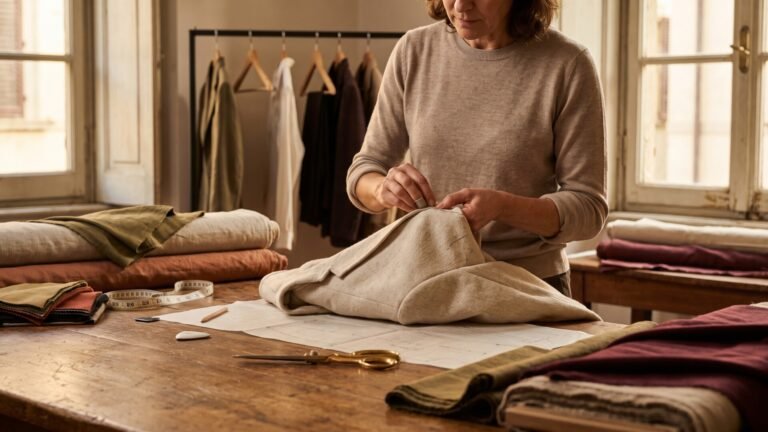
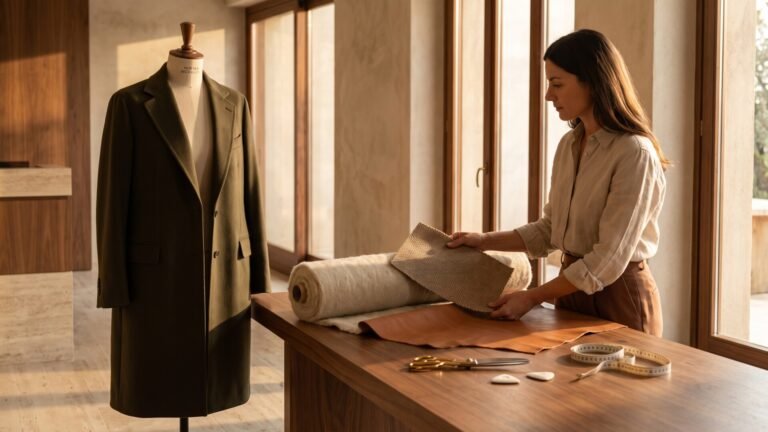
Italian fashion has long been synonymous with elegance, craftsmanship, and luxury, and in recent years, the industry has also embraced sustainability. From eco-friendly fabrics to responsible production practices, Italian luxury brands are leading the way in creating stylish, high-quality fashion with a smaller environmental footprint.
In this guide, we’ll explore sustainable materials used in Italian luxury fashion, highlight eco-conscious Italian brands, and examine how sustainability has become an integral part of Italy’s fashion heritage.
What Is Sustainable Fashion?
Sustainable fashion is about designing, producing, and consuming clothing in a way that reduces harm to the environment, supports ethical labor practices, and values longevity over fast trends. Key principles include:
- Eco-friendly materials: Organic cotton, recycled fabrics, and innovative alternatives to leather.
- Responsible production: Minimizing waste, reducing water consumption, and using renewable energy.
- Longevity and quality: Creating pieces meant to last years rather than weeks.
- Transparency and ethical labor: Ensuring workers are treated fairly throughout the supply chain.
Italian luxury brands have historically prioritized quality and craftsmanship, making them well-positioned to integrate sustainability without compromising elegance.
Italy’s Eco-Fabrics
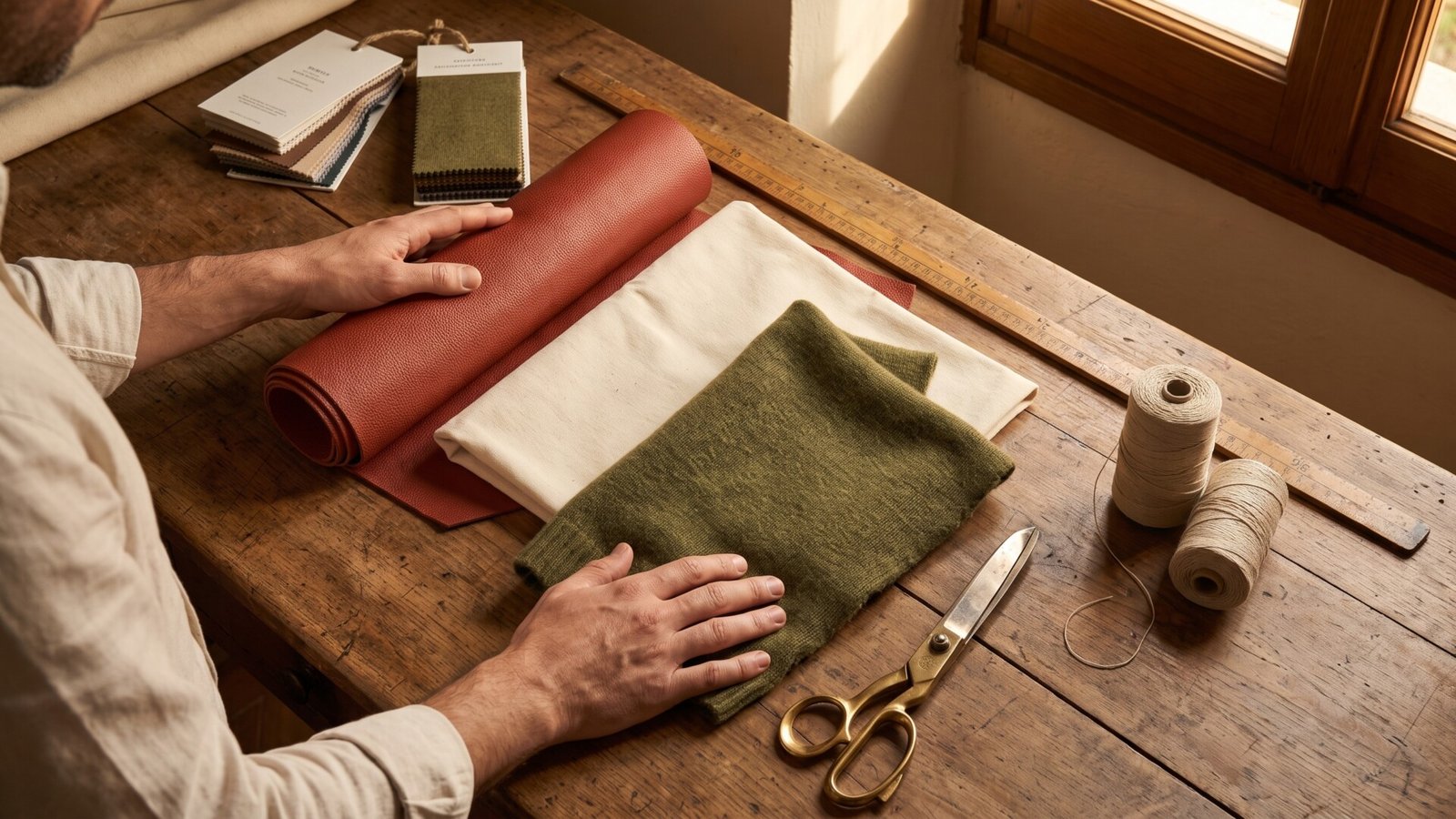
Italian designers and textile manufacturers have invested heavily in eco-friendly fabrics. Some of the most notable sustainable materials include:
1 Organic Cotton
- Grown without synthetic fertilizers or pesticides, organic cotton reduces environmental impact.
- Used in luxury t-shirts, blouses, and casual wear.
- Brands like Brunello Cucinelli and Gucci have introduced organic cotton collections for everyday luxury.
2 Recycled Fabrics
- Materials made from post-consumer waste, including PET bottles or old garments.
- Italian mills produce high-quality recycled nylon and polyester for bags, outerwear, and ready-to-wear.
- Prada’s Re-Nylon collection is a standout example of luxury using recycled materials.
3 Tencel and Lyocell
- Wood-based fibers produced sustainably and biodegradable.
- Soft, breathable, and ideal for shirts, dresses, and summer collections.
- Popular among Italian designers like Miu Miu and Valentino, emphasizing comfort and sustainability.
4 Vegan Leather Alternatives
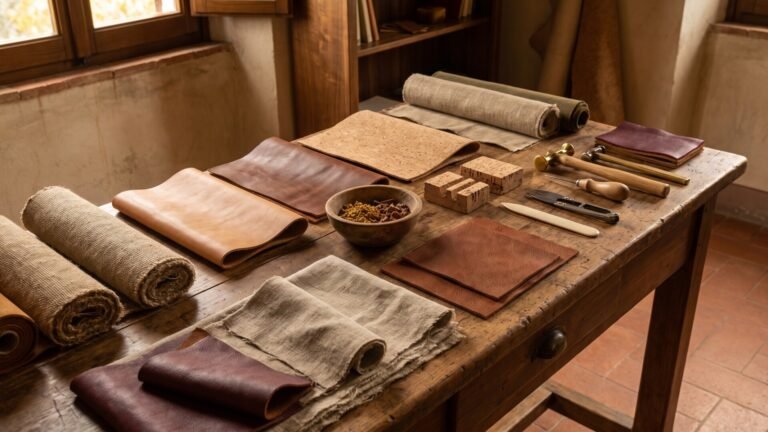
- Derived from pineapple leaves, apple peels, or mushroom mycelium, offering eco-friendly leather options.
- Brands like Stella McCartney collaborates with Italian tanneries, and some Italian luxury brands experiment with plant-based leathers.
- Reduces reliance on animal farming and chemical tanning processes.
5 Recycled Wool and Cashmere
- Luxury knitwear is increasingly produced from reclaimed fibers, reducing waste in the textile industry.
- Italian brands such as Loro Piana and Brunello Cucinelli are integrating recycled cashmere and wool into high-end sweaters and outerwear.
Sustainability in Italian Luxury: Brand Highlights
Italian fashion houses are not just talking the talk—they are investing in eco-conscious production, materials, and design philosophy.
Gucci
- Gucci Off The Grid: Collection using recycled, organic, and sustainably sourced materials.
- Bags made from recycled nylon, organic cotton, and responsibly sourced leather.
- Gucci’s sustainability strategy focuses on carbon neutrality, renewable energy, and waste reduction.
Prada
- Re-Nylon initiative: Replaces traditional nylon with regenerated nylon from post-consumer materials.
- Focuses on circular economy principles, encouraging recycling and reuse.
- Prada also integrates sustainable leather and biodegradable packaging.
Bottega Veneta
- Known for its timeless leather goods, Bottega Veneta emphasizes sustainable leather sourcing.
- The brand works with Italian tanneries using environmentally conscious tanning techniques.
- Eco-friendly initiatives include energy-efficient production facilities and responsible waste management.
Brunello Cucinelli
- “Humanistic capitalism” philosophy: Combines luxury fashion with sustainability and worker welfare.
- Focuses on natural fibers, organic fabrics, and careful dyeing processes.
- Products are designed to last decades, reducing the need for fast consumption.
Valentino
- Incorporates eco-friendly fabrics and recycled materials into select collections.
- Focus on biodegradable packaging and reduced water use in production.
- Emphasis on long-lasting design, ensuring items remain in wardrobes for years.
Eco-Friendly Italian Tannery Practices
Italy is renowned for luxury leather, and sustainable practices in tanneries are critical:
- Vegetable tanning: Uses natural tannins from plants instead of harsh chemicals.
- Water recycling systems: Reduces water waste in leather processing.
- Sustainable sourcing: Ensures leather comes from responsibly managed farms.
- Low-emission facilities: Many Italian tanneries adopt renewable energy and carbon reduction methods.
Brands like Loro Piana, Gucci, and Prada rely on these sustainable tanneries to create luxury leather goods that are environmentally responsible.
Italian Eco-Fashion Accessories
Luxury isn’t limited to clothing. Italian brands are producing eco-conscious accessories:
- Handbags: Prada Re-Nylon bags, Bottega Veneta Intrecciato bags from sustainable leather
- Shoes: Gucci, Tod’s, and Ferragamo offer sustainable leather and recycled materials
- Jewelry: Gold and silver sourced responsibly with ethical mining practices
These pieces combine style, quality, and eco-awareness, making them perfect luxury investments for conscious consumers.
Sustainable Production Methods
Italian brands are adopting innovative production practices to reduce environmental impact:
- On-demand production: Reduces overproduction and waste.
- Energy-efficient factories: Uses renewable energy and optimized machinery.
- Natural dyes: Reduces chemical usage, especially for silks and leathers.
- Zero-waste pattern cutting: Optimizes fabric usage in couture and ready-to-wear collections.
The Role of Italian Textile Mills
Italy’s textile mills are global leaders in luxury fabrics and sustainable innovation:
- Mills in Biella and Como specialize in organic wool, silk, and cashmere.
- Recycled fibers and eco-friendly silk production are increasingly standard.
- Italian mills collaborate with brands to create limited edition, sustainable collections.
The combination of heritage, quality, and sustainability makes Italian textiles among the most respected and eco-conscious in the world.
Italian Sustainable Fashion Weeks
Major fashion events are now highlighting sustainability:
- Milan Fashion Week: Features collections with eco-conscious fabrics and circular fashion initiatives.
- Brands showcase sustainable lines alongside luxury ready-to-wear.
- Highlights Italian innovation in ethical, stylish, and environmentally friendly fashion.
Circular Economy and Recycling
Italian luxury brands are adopting circular economy principles:
- Recycling old garments into new fabrics or accessories.
- Repair services and restoration to extend product life.
- Take-back programs: Brands like Prada encourage customers to return old products for recycling.
This approach reduces waste and fosters conscious consumption in the luxury sector.
Challenges in Sustainable Italian Luxury
While Italian luxury brands lead in quality and innovation, challenges remain:
- Balancing tradition with sustainability: Some classic leather techniques require chemical tanning.
- Supply chain transparency: Tracking materials from farm to finished product is complex.
- Consumer education: Encouraging buyers to invest in long-term, sustainable pieces rather than fast fashion.
Despite these challenges, Italian designers are committed to a greener future, combining luxury with responsibility.
How Consumers Can Support Sustainable Italian Luxury
- Choose eco-conscious collections: Look for organic fabrics, recycled fibers, or sustainable leather.
- Invest in quality pieces: Timeless items reduce the need for frequent purchases.
- Repair and maintain luxury items: Extend the life of clothing, shoes, and bags.
- Research brands’ sustainability initiatives: Support those with transparent, measurable practices.
- Recycle and repurpose: Sell or donate luxury items responsibly when no longer in use.
By taking these steps, consumers help drive sustainable innovation in Italian fashion.
The Future of Sustainable Italian Luxury
Italian fashion is evolving toward eco-conscious, innovative, and ethical production, while maintaining its signature elegance:
- Innovation in materials: Plant-based leathers, recycled fibers, and biodegradable fabrics.
- Digital fashion and virtual sampling: Reduces waste and accelerates design processes.
- Collaborations: Italian brands working with sustainability-focused companies to create green luxury lines.
- Education and transparency: More brands now publish annual sustainability reports and set measurable targets.
The fusion of heritage, craftsmanship, and sustainability ensures Italian fashion remains relevant, responsible, and luxurious.
Notable Italian Sustainable Fashion Brands
Here are some brands to watch for eco-conscious luxury fashion:
- Prada: Re-Nylon bags, eco-friendly packaging, and circular initiatives
- Gucci: Off The Grid sustainable collections, recycled leather and nylon
- Brunello Cucinelli: Organic fabrics, ethical labor, and timeless knitwear
- Bottega Veneta: Responsibly sourced leather and sustainable production practices
- Valentino: Eco-friendly fabrics and water-saving dye processes
These brands combine luxury, heritage, and sustainability, proving that style and responsibility can coexist.
Why Sustainable Luxury Matters
Luxury fashion is traditionally associated with quality, craftsmanship, and longevity, making it uniquely suited for sustainability:
- Long-lasting materials reduce waste
- Ethical labor practices enhance brand integrity
- Eco-friendly production minimizes environmental impact
- Transparency builds consumer trust
Italian luxury brands demonstrate that sustainability doesn’t compromise elegance or style—it enhances it.
Practical Tips for Consumers
- Look for organic cotton, recycled nylon, or sustainable leather when shopping.
- Choose pieces designed to last and remain timeless.
- Support brands offering repair, recycling, or take-back services.
- Consider eco-friendly packaging and shipping for purchases.
Conclusion
Sustainability in Italian luxury fashion is no longer a niche trend—it’s a core principle. From Prada’s recycled nylon to Gucci’s Off The Grid collections, Italian designers are marrying elegance with responsibility.
By embracing eco-friendly materials, circular practices, and ethical labor, Italy continues to lead the world in sustainable luxury fashion. For consumers, investing in these pieces is more than a fashion choice—it’s a statement of conscious style, environmental responsibility, and appreciation for craftsmanship.
Italian luxury proves that sustainability and elegance can walk hand-in-hand, offering beautiful, timeless, and eco-conscious fashion for the modern consumer.